
Different Types of Grab Buckets and Their Advantages
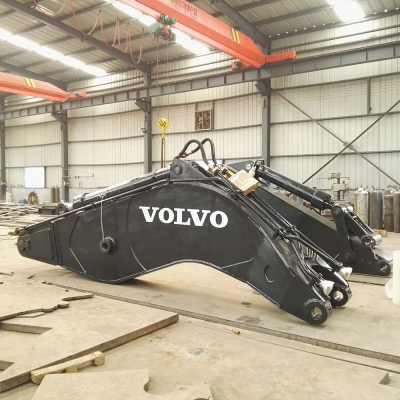
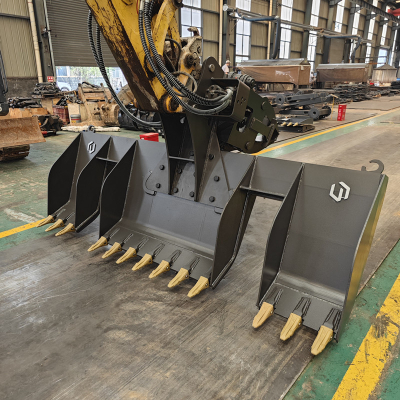
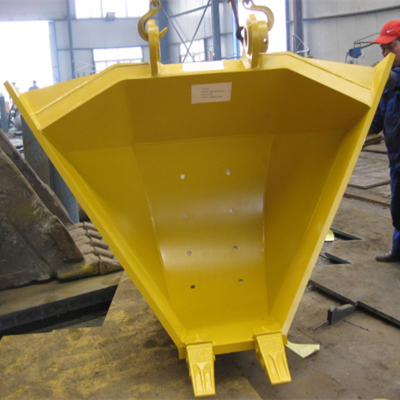
There are three main types of grab buckets : single-rope, dual-rope and hydraulic.Each type offers unique advantages suited to specific applications. They are indispensable in railway construction and marine operations due to their ability to precisely grip, lift, and move materials.
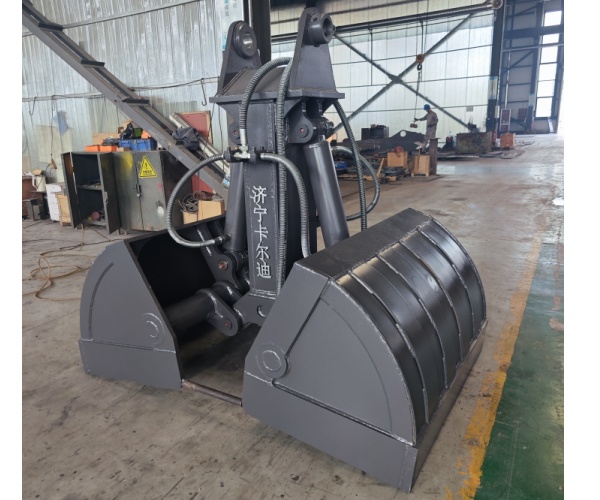
Single-line folding bed
In excavation, time is of the essence. Single-line clamshells shine, allowing for rapid digging and dumping cycles. Their design allows operators to maintain a steady pace, maximizing the volume of material moved per hour. This efficiency is especially valuable in time-sensitive projects where deadlines are tight and productivity is paramount.
In addition, the single line configuration improves fuel efficiency. With less complex machines, these buckets require less power to operate, resulting in lower fuel consumption and lower operating costs. This makes single-line shells an attractive option for companies looking to balance performance with cost efficiency.
Ideal for dredging and marine construction
When it comes to underwater operations, single-line clam buckets prove their worth in dredging and marine construction. Their simplified design allows for easier maneuvering in water conditions where visibility and control can be challenging. The single-line system provides a direct and quick connection between the operator and the bucket, allowing for precise movement even in turbid waters.
Dredging projects benefit greatly from the use of single-line clams. These buckets can effectively collect sediment, debris and other underwater materials, facilitating channel dredging, port maintenance and environmental cleanup efforts. The bucket's ability to close tightly prevents loss of material during lifting, ensuring efficient removal of dredged materials from the water body.
In marine construction, single-line clams play a critical role in laying foundations and placing materials underwater. Their precision in gripping and releasing materials makes them invaluable for tasks such as placing rocks for dams or placing concrete blocks for underwater structures. The simplicity of the single line system also means that fewer components are exposed to corrosive salt water, potentially extending the life of the equipment in the marine environment.
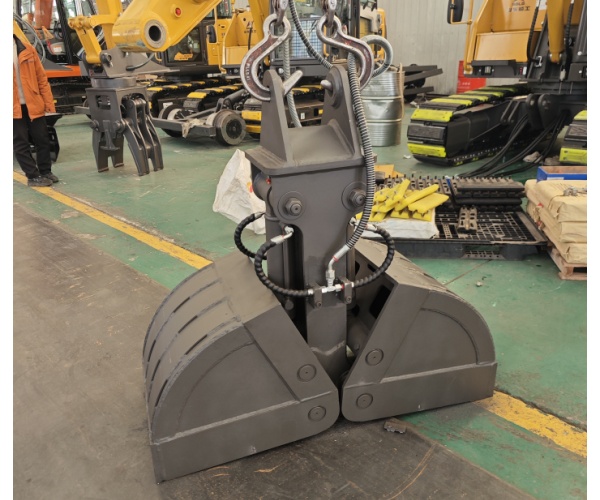
Double line clamshell
Improved control for precision excavation
Double-rope grab buckets take material handling to the next level, providing unparalleled control for precision excavation work. By using two separate ropes—one for opening and closing the bucket, and the other for raising and lowering—operators have more precise control over bucket movements. This two-rope system provides more precise control, which is critical when working in confined spaces or near fragile structures.
The improved controllability provided by double row grabs is especially useful in projects that require precise excavation depths or precise placement of materials. For example, when laying foundations or digging utility trenches, operators can maintain consistent depths and smooth, clean edges. This precision not only improves the quality of work, but also reduces the need for manual adjustment, saving time and labor.
Additionally, the dual line system is excellent for situations where selective material extraction is required. In environmental restoration projects or archaeological excavations, the ability to carefully remove individual layers or objects without damaging surrounding surfaces is invaluable. Controlled bucket movements allow sensitive materials to be handled gently, maintaining their integrity throughout the extraction process.
Increase productivity in tight spaces
One of the main advantages of two-rope grab buckets is their ability to increase productivity in confined spaces. The dual-rope steering system provides more precise movements, allowing operators to work efficiently in tight spaces with limited maneuverability. This feature is especially valuable in urban construction or renovation projects where space is often limited.
In situations such as excavating basements or working between existing structures, the ability of a twin-rope grab to dig and lift materials with a minimal boom swing makes a game-changer. Operators can perform tasks more efficiently, reducing the risk of collisions with surrounding obstacles and minimizing potential damage to adjacent structures.
What's more, the increased productivity extends to vertical work as well. Double row clamshell excavators are excellent for applications such as mining shafts and working in narrow trenches. Their ability to maintain stability while digging deep allows for faster and safer excavation in complex vertical spaces, significantly reducing project time and associated costs.
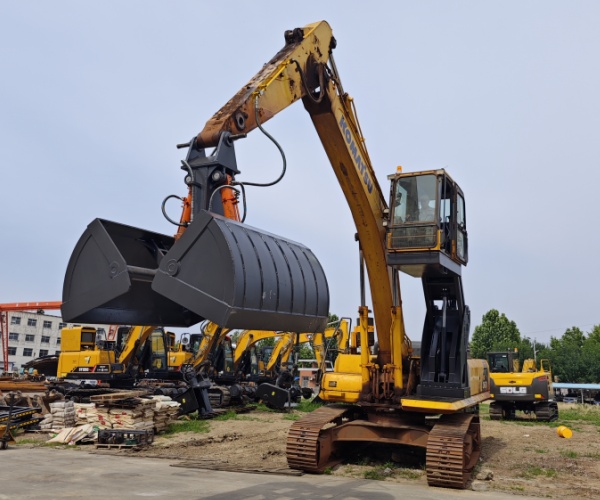
Hydraulic folding bed
Superior grip for tough conditions
Hydraulic grab buckets They have exceptional grip strength, making them an ideal choice for harsh environments. Unlike their cable-operated counterparts, hydraulic clamshell buckets use hydraulic cylinders to open and close the bucket, providing significantly higher closing force. This increased power allows for greater productivity when handling dense or compacted materials that other types of buckets would have difficulty handling.
In industries such as mining and demolition, where hard, abrasive materials are typically handled, hydraulic grabs are invaluable. Their secure grip allows you to work effectively with heavy stones, concrete debris and scrap metal. The buckets' ability to securely hold even irregularly shaped objects improves safety and reduces the risk of material spillage during lifting and transport.
Moreover, the superior gripping power of hydraulic grabs proves invaluable in underwater applications. When working in harsh offshore environments or underwater demolition work, these buckets can reliably grab and remove water-soaked materials that might slip off less powerful buckets. This ability not only improves operational efficiency, but also facilitates more thorough cleaning during underwater construction and environmental restoration.
Smooth operation for delicate materials processing
While powerful, hydraulic grab buckets also excel at handling delicate materials with exceptional smoothness. The hydraulic system provides precise control of the speed of opening and closing the bucket, allowing operators to adjust the approach depending on the fragility of the material. This precision is especially valuable when working with materials that require careful handling to maintain their integrity or value.
For example, in waste processing plants, hydraulic grabs have proven themselves to be effective in sorting and moving various materials without damaging them. Smooth operation allows you to gently handle glass, electronics and other damage-sensitive materials, minimizing damage and maintaining the quality of recycled materials. This precision not only improves the efficiency of the processing process, but also results in more valuable end products.
The smooth operation of hydraulic grabs also benefits the agriculture and food industries. When handling grains, fruits and other perishables, the ability to gently grip and move materials without damaging or crushing is critical. The controlled movement of hydraulic buckets helps maintain product quality by reducing waste and preserving the value of the harvest throughout the processing process.
Adaptable design for multiple excavator models
One of the key benefits of hydraulic grab buckets is their adaptable design, allowing compatibility with a wide range of excavator models. This versatility is due to the modular design of the buckets and standardized hydraulic connections that can be adapted to different machine characteristics. This allows construction and equipment rental companies to get the most out of their investment by using these attachments on a variety of excavators in their fleet.
Flexibility in customization goes beyond simple installation. Hydraulic grabs can be equipped with a variety of jaw designs, capacities and hydraulic flow requirements to suit specific project requirements and excavator capabilities. This flexibility allows operators to optimize productivity for a variety of applications, from light sorting to heavy demolition, all using the same basic attachment.
In addition, the flexibility of hydraulic grabs makes upgrading and maintenance easy. As excavator technology advances, these buckets can often be modified or upgraded to work with new machine models, extending their life and providing long-term value. This adaptability not only improves equipment efficiency, but also promotes greener construction practices by reducing the need for frequent replacement of attachments.