
What does a rail bogie design consist of?
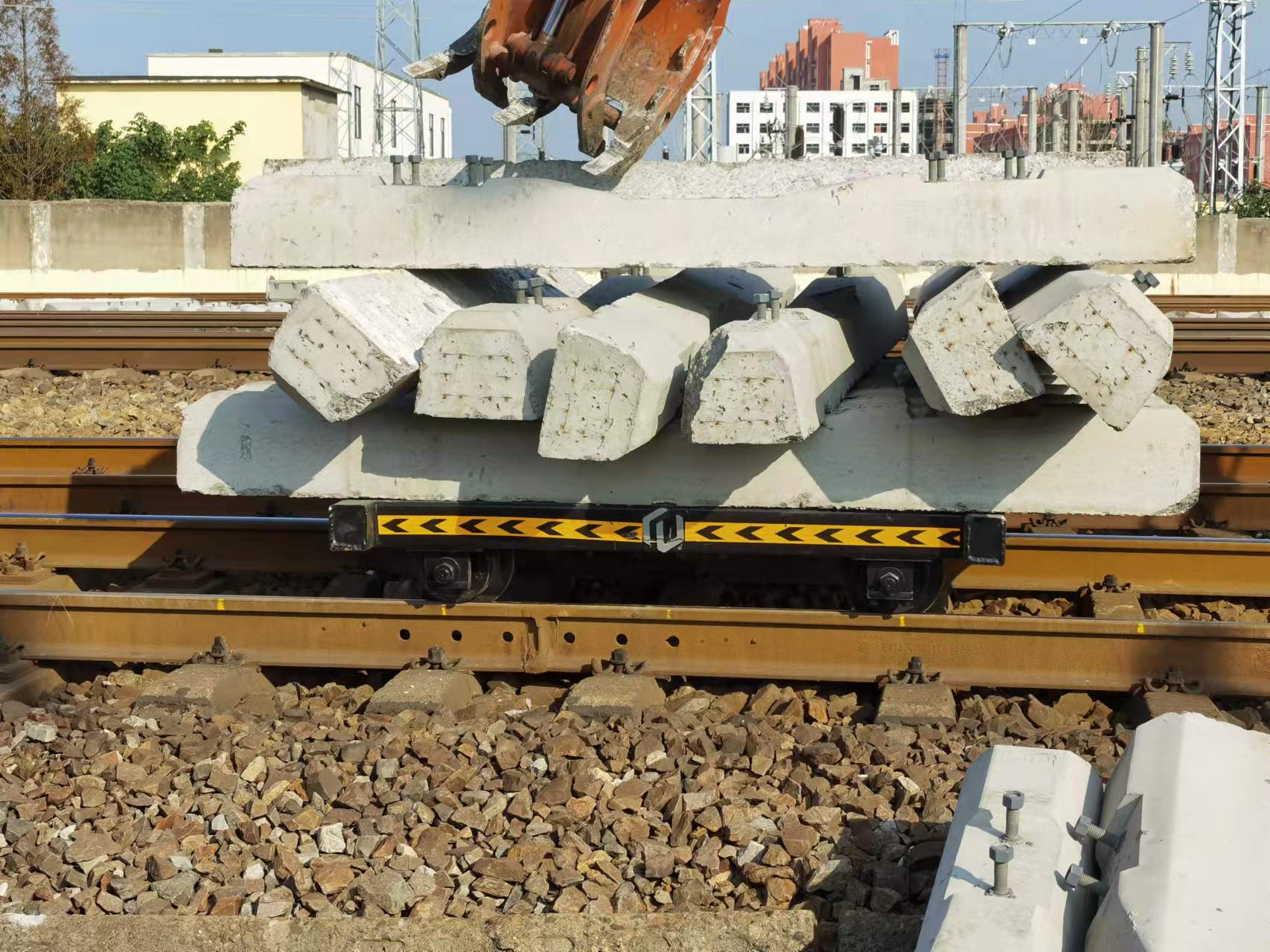
Railcart— the most important equipment for the maintenance and operation of railways. Its design consists of three main components: the supporting frame, the motion module (chassis) and the safety module (brake system). Together, these elements create a reliable and efficient tool for inspecting, maintaining tracks and transporting freight along railway lines. Understanding the intricacies of each component is critical for anyone working on the railroad or considering investing in this critical piece of equipment.
Main load-bearing module: frame
The frame of the rail car serves as its foundation, providing structural integrity and support for all other components. This critical element must strike a delicate balance between strength and weight to ensure optimal performance on the tracks.
Lightweight but durable materials for rail bogies
Modern rail carts often use advanced materials to provide the perfect combination of durability and portability. High-strength aluminum alloys have gained popularity due to their excellent strength-to-weight ratio. These alloys are highly resistant to corrosion and fatigue, providing durability in harsh railroad environments. Some manufacturers also use composite materials, such as carbon fiber-reinforced polymers, in select sections of the frame to further reduce weight without sacrificing structural integrity.
Frame designs are optimized for efficient track maintenance
Frame designrail bogieplays a key role in its functionality and efficiency. Engineers strive to create ergonomic designs that allow easy access to tools and equipment during maintenance. Many frames are modular in design, with strategically located mounting points for a variety of attachments, allowing them to be quickly reconfigured to suit different applications. Some modern models feature height-adjustable platforms, allowing workers to maintain a comfortable working position regardless of track height or maintenance requirements.
Integration of modular components for easy customization
Modularity is a key feature of modern rail bogie frames. This approach allows them to be easily adapted to the individual needs of different railway operators. Interchangeable components such as tool racks, material holders and specialized work platforms are easy to install and remove, increasing the cart's versatility. The modular design also simplifies maintenance and repair since individual components can be replaced without the need for major overhauls.
The design and materials of the main support module significantly affect the overall performance and service life of the cart. By focusing on lightweight yet durable materials, optimized frame design and modular integration, manufacturers can create bogies that meet the demanding demands of modern rail maintenance and operations.
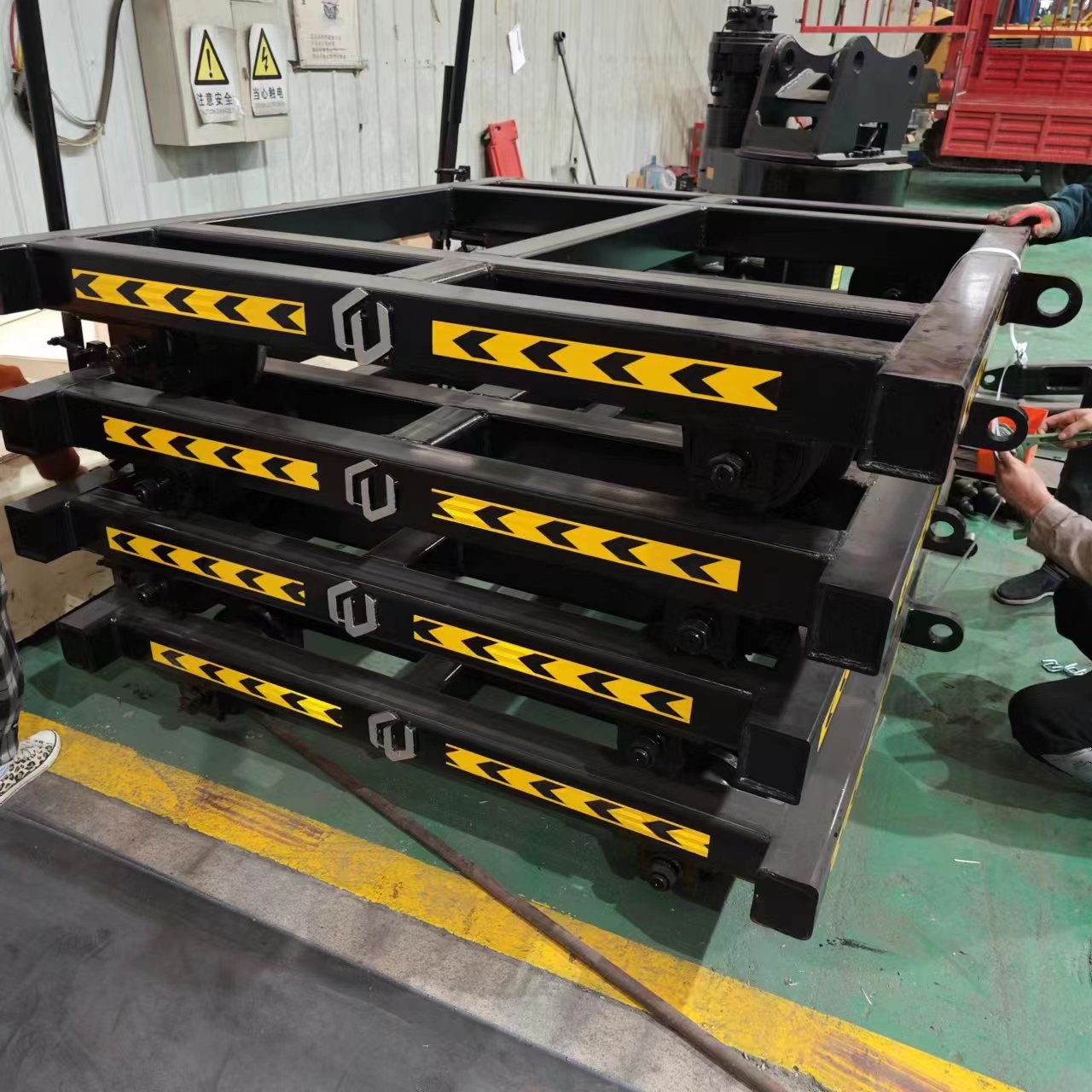
Motion module: Chassis (Wheel system)
The chassis, or propulsion module, is the basis of mobilityrail bogie. This system ensures smooth and stable operation on a variety of track types, directly affecting the efficiency and safety of the trolley.
Steel vs polyurethane wheels: choosing the right material
The choice between steel and polyurethane wheels is a critical decision when designing a rail bogie. Steel wheels offer superior strength and load-carrying capacity, making them ideal for heavy-duty applications. They have excellent wear resistance and can withstand the harsh conditions often found on railroads. However, steel wheels can be noisy and cause increased wear on the rails over time.
Polyurethane wheels, on the other hand, provide quieter operation and less wear on the tracks. They provide better shock absorption, which can be useful for sensitive equipment or fragile loads. The polyurethane wheels also provide excellent grip, especially on wet roads. However, they may be inferior in load-carrying capacity to steel wheels and require more frequent replacement during intensive use.
Precisely engineered wheel profiles for smooth performance on the trail
The profile of the wheels of a rail car is critical to ensure smooth and stable movement. Precision machined wheel profiles conform to the contour of the rail head, minimizing lateral movement and reducing the risk of derailment. These profiles often have a slight taper or conical shape, which helps the cart self-center on the rails while moving.
Advanced manufacturing technologies, such as CNC machining, enable the creation of highly precise wheel profiles. Some manufacturers even offer custom profiles tailored to track geometry or operational requirements. This level of precision ensures optimal wheel-rail contact, reducing wear and improving overall performance.
Improved suspension systems for increased stability on rails
Although rails are generally smooth, changes in track conditions can affect the stability and ride quality of a bogie. Modern suspension systems play a crucial role in mitigating these effects. Many modern bogies are equipped with spring or hydraulic suspension elements to absorb shock and vibration.
Some premium models feature adjustable suspension that can be adjusted to suit different load conditions or trail types. These systems not only improve driving comfort for operators, but also protect sensitive equipment and cargo from excessive vibration. In addition, the advanced suspension design promotes better weight distribution between the wheels, providing even traction and reducing the risk of wheel spin on steep slopes or wet trails.
The design and components of the motion module play a critical role in determining the performance, safety and durability of a rail bogie. By carefully considering wheel materials, profiles and suspension systems, manufacturers can create bogies that provide smooth, stable and efficient operation in a wide range of railroad conditions.
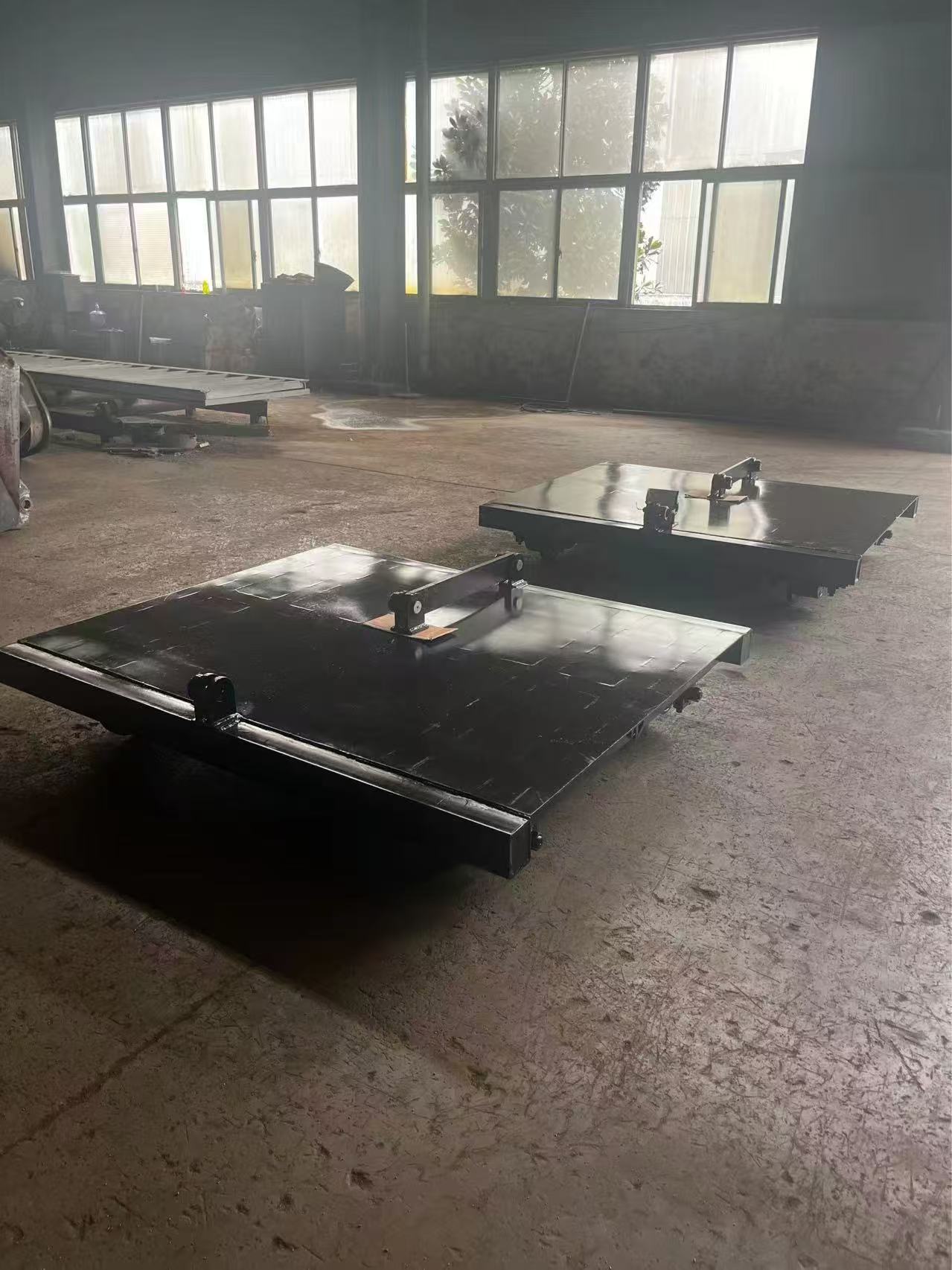
Safety module: Brake system
The safety module, in particular the braking system, is a critical component of any rail bogie. It keeps operators, equipment and infrastructure safe by providing reliable stopping power and control in a variety of operating situations.
Hydraulic vs Air Brakes: Pros and Cons for Trolleys
Rail bogies widely use both hydraulic and pneumatic braking systems, each of which has its own advantages and features. Hydraulic brakes provide precise control and high stopping power, making them suitable for use in difficult conditions. They maintain stable performance over a wide temperature range and are less sensitive to changes in altitude. However, hydraulic systems can be more difficult to maintain and require more frequent brake fluid changes.
Air brakes, powered by compressed air, are known for their simplicity and ease of maintenance. They provide fast response and are well suited for lightweight carts or those operating in environments where air compressors are easily accessible. Pneumatic systems are also less susceptible to oil contamination. However, they may be less effective in extremely cold temperatures and more sensitive to changes in altitude.
Understanding railcar design is critical for anyone involved in the maintenance and operation of railroads. The main supporting frame, moving module and safety systems work harmoniously to create a versatile and indispensable tool for track maintenance. By focusing on lightweight yet durable materials, precision components and advanced safety features, manufacturers can create bogies that meet the demanding demands of today's railroad environment. Regular maintenance and proper operation will ensure that these critical pieces of equipment continue to play their important role in keeping our railways safe and efficient.