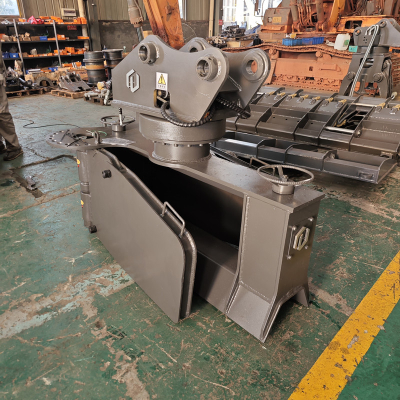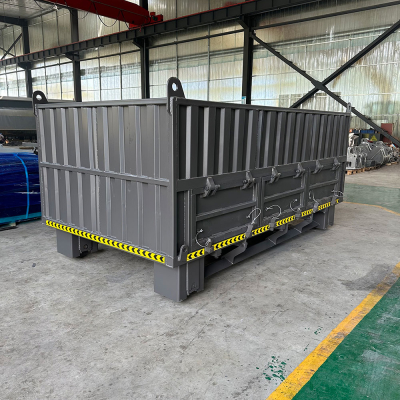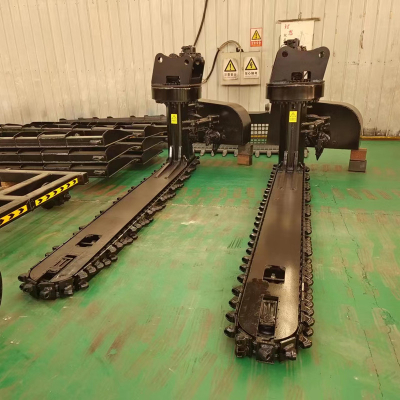

What is a tunnel arm on an excavator?
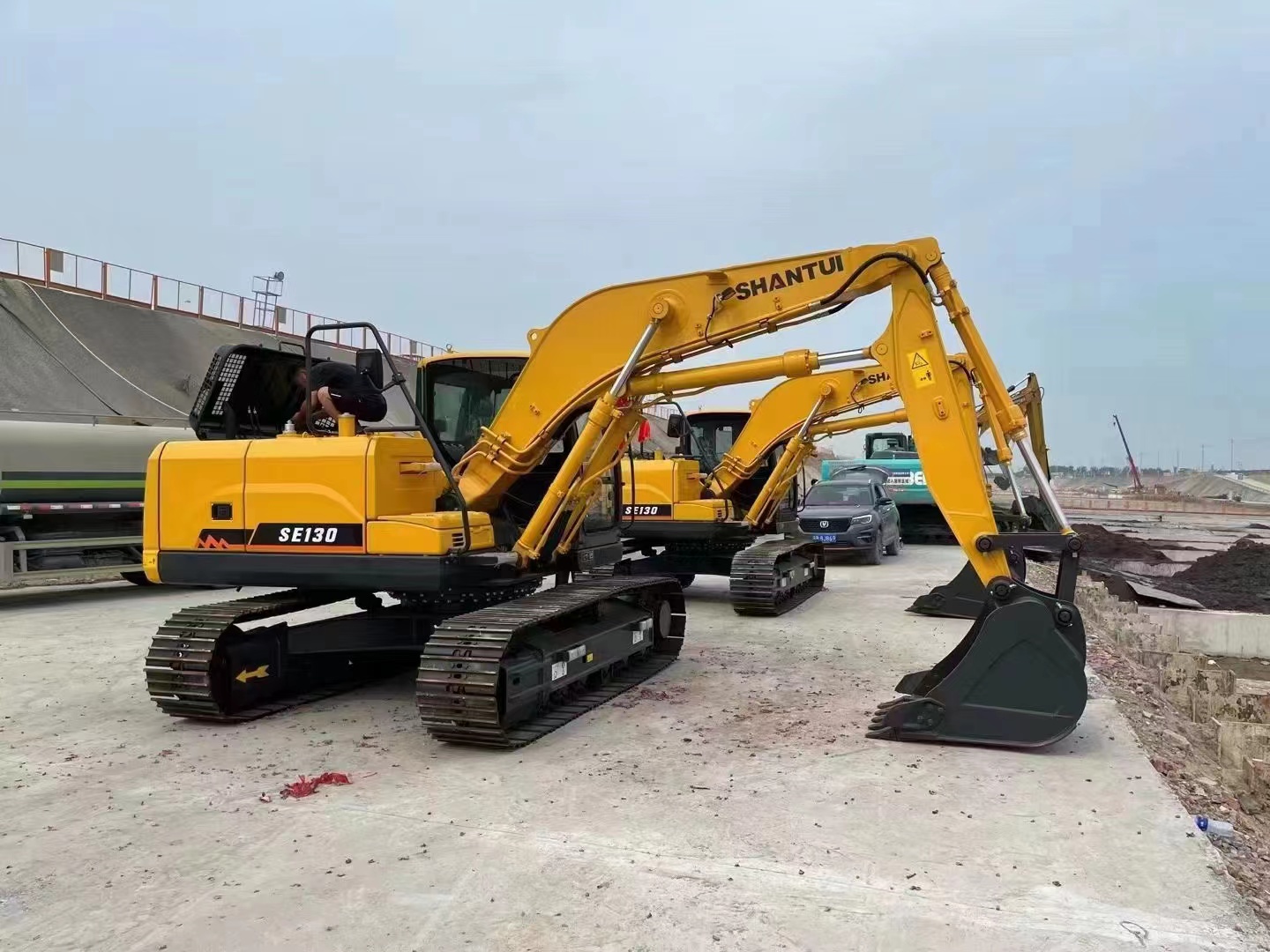
Tunnel handThe excavator arm is a specialized attachment designed specifically for working in confined spaces and underground environments where standard excavator arms are ineffective. This innovative equipment modification transforms conventional excavators into precision tools capable of navigating tight spaces, low-lying areas and challenging underground construction scenarios. Its configuration allows operators to maintain full excavation capabilities while working within spatial constraints that would otherwise make projects impossible.
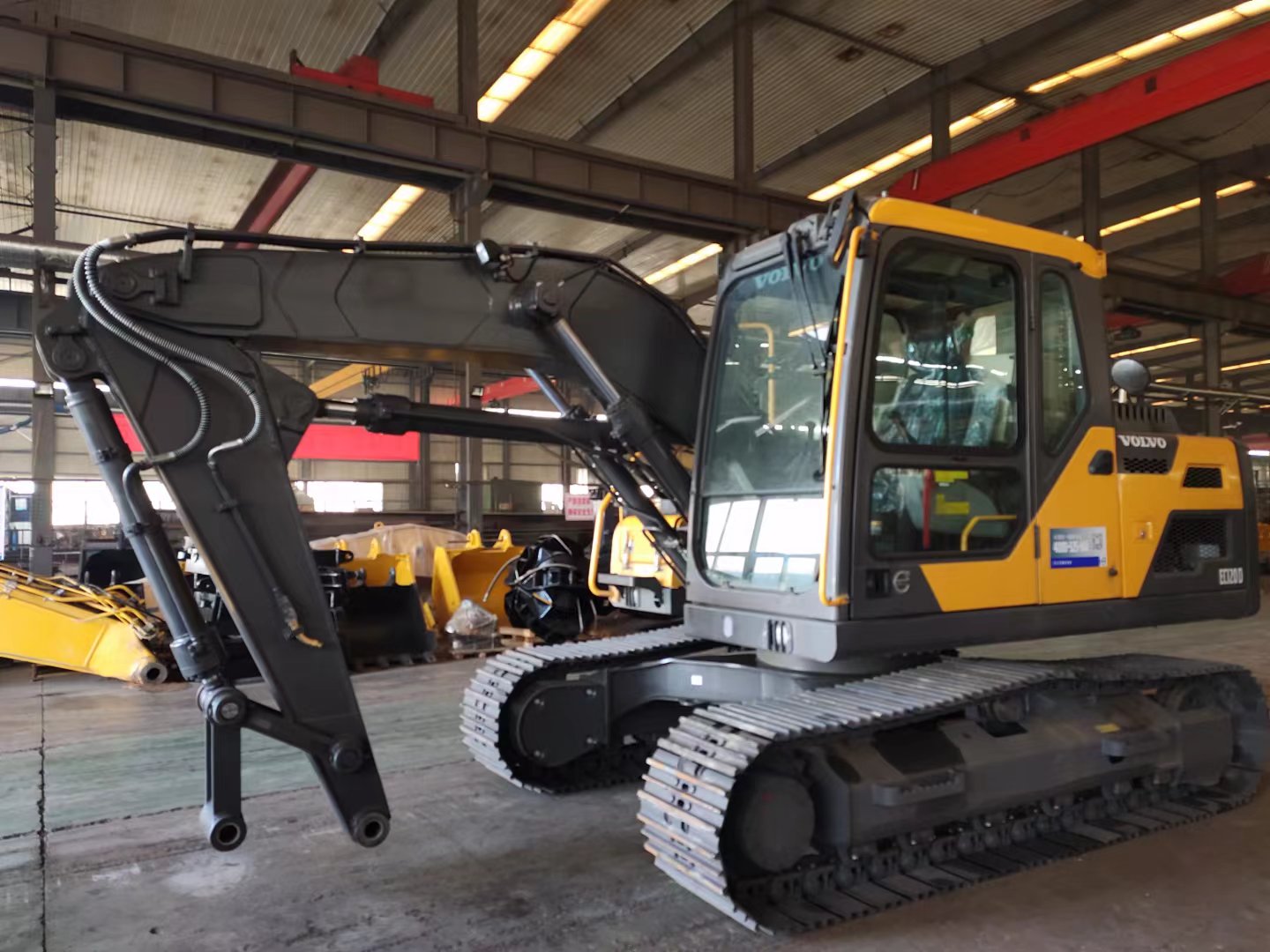
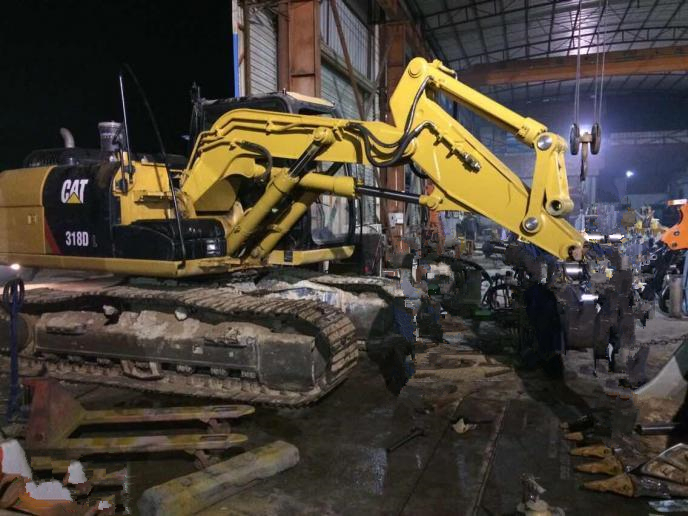
Tunnel handThe tunnel boom and arm design features a distinctive, reduced boom and arm design that reduces the overall height profile while maintaining maximum digging force and precise control. Unlike traditional excavator configurations, tunnel booms sacrifice some reach for increased maneuverability and the ability to work in tight vertical spaces.
Basic definition
Understanding the fundamental characteristics of excavator tunnel arms requires exploring their unique design philosophy and operational capabilities. These specialized attachments represent a significant departure from conventional excavator configurations, offering solutions for challenging construction conditions.
Structural configuration and dimensions
The structural design of the tunnel arms emphasizes compactness without compromising operational efficiency. Unlike standard excavator arms, which prioritize maximum reach, tunnel arms have shortened boom sections and modified arm geometry that reduces overall height while maintaining adequate working envelope. This configuration typically reduces the excavator's profile by 30-40% compared to standard configurations, allowing work in spaces with a ceiling height of 3-4 meters.
Sizing optimization involves careful engineering calculations that balance reachability with height limitations. The angle of the boom is typically adjusted to provide maximum digging depth while still allowing the excavator to operate in confined vertical spaces. This engineering approach requires specialized positioning of hydraulic cylinders and modified pivot points that maintain structural integrity while achieving the desired compact profile.
Operational characteristics
Tunnel handsretain remarkable functional versatility despite their compact design. Digging force remains comparable to standard excavator configurations, ensuring that productivity is not significantly compromised by dimensional changes. The hydraulic systems are specifically calibrated to provide optimal power distribution across the reduced pointer and arm assembly, maintaining the precise control characteristics required for underground work.
The working shell of tunnel arms differs significantly from standard excavators, with an emphasis on depth rather than horizontal reach. This design philosophy makes tunnel arms particularly effective for vertical excavations, deep foundation work, and applications requiring precise material handling in confined spaces. The reduced rocker radius also improves maneuverability in tight work areas.
Application-Specific Adaptations
Modern tunnel arms include many specific features that enhance their effectiveness in specialized environments. These adaptations may include reinforced structural components to handle the increased stress concentrations associated with working in confined spaces, specialized lighting systems for underground work, and enhanced operator visibility features that accommodate the unique lines of sight required for tunnel work.
Control systems in tunnel arms often have modified sensitivity settings that provide increased accuracy for delicate underground work. These modifications ensure that operators can maintain the fine-grained control required to operate around existing utilities, structural supports and other sensitive infrastructure commonly found in tunnel environments.
Design and technical features
The engineering excellence behind the excavator's tunnel arms includes sophisticated design elements that enable reliable operation in demanding underground environments. These technical features represent years of development aimed at overcoming the unique challenges associated with excavating in confined spaces.
Hydraulic system optimization
The hydraulic architecture of tunnel arms requires specialized engineering to maintain performance within the limitations of the reduced boom geometry. Advanced hydraulic circuit designs provide optimal flow distribution while incorporating a modified cylinder layout for compact operation. System pressures and flow rates are carefully calibrated to ensure maximum digging force despite the geometric constraints imposed by the reduced configuration.
Placing hydraulic cylinders in the tunnel arms often involves innovative mounting solutions that maintain structural integrity while achieving the desired compact profile. These cylinders must provide adequate force throughout the modified operating shell while providing smooth operation throughout the entire range of motion. Hydraulic lines are typically routed through protected passages to prevent damage in confined operating environments.
Structural Engineering and Materials
Structural designtunnel armsexcavator requires exceptional engineering expertise to maintain strength and durability within the constraints of the reduced geometry. High-strength steel alloys are typically used to provide adequate load-bearing capacity while minimizing the weight penalties associated with compact design. Structural analysis must take into account the altered stress distribution that results from the modified boom and arm configuration.
Strengthening strategies in tunnel arms often involve the strategic placement of additional structural elements in high-stress areas. These reinforcements must be carefully integrated to maintain a compact profile while providing the necessary strength to handle challenging excavation tasks. The welding methods used in the construction of tunnel arms typically exceed standard specifications to ensure long-term reliability in challenging work environments.
Material selection goes beyond basic strength requirements to include considerations of corrosion resistance and fatigue. Underground conditions often present harsh conditions that can accelerate wear and deterioration, making material selection critical to long-term performance. Specialized coatings and surface treatments are often used to improve durability and extend service life.
Security and control systems
Tunnel arm safety systems include numerous features designed to protect both operators and equipment during confined space operations. These systems typically include overload protection mechanisms that prevent damage from excessive forces, stability monitoring systems that alert operators to potentially dangerous operating conditions, and emergency shutdown capabilities that can quickly stop operations if hazardous conditions occur.
Control systems in excavator tunnel arms often feature advanced ergonomic designs that meet the unique operational requirements of working in confined spaces. These may include specialized display systems that provide clear visibility of critical operating parameters, intuitive control layouts that reduce operator fatigue during long underground operations, and communication systems that maintain contact with.
Key Benefits
The unique capabilities of excavator tunnel arms provide significant benefits that make them indispensable for specialized construction applications. These benefits go beyond simple size changes and include increased operational capabilities and increased project efficiency.
Increased maneuverability in confined spaces
The compact tunnel arm design provides unprecedented maneuverability in environments where conventional excavators cannot operate effectively. This increased agility directly translates into improved project capabilities, allowing construction teams to tackle complex underground projects that would otherwise require alternative excavation methods or extensive site modifications.
The reduced height profile allows the excavator tunnel arms to work in basements, underground parking structures and tunnel environments with minimal placement requirements. This capability eliminates the need for extensive site preparation or design modifications that would be required to accommodate standard excavator configurations. The ability to work within existing structures without major modifications significantly reduces project costs and schedules.
Improved maneuverability also extends to horizontal movement in tight spaces. The shortened boom configuration reduces the turning radius required to position equipment, allowing for efficient operation in tight work areas. This feature proves especially valuable in urban construction projects where space constraints limit equipment movement and positioning options.
Maintaining productivity in challenging environments
Despite their compact design, excavator tunnel arms retain exceptional performance that rivals standard excavator configurations. Excavation force and control precision remain largely unchanged, ensuring operators can handle challenging excavation tasks without compromising performance. This sustained performance makes tunnel arms a viable alternative for projects requiring both confined space operation and high-throughput excavation.
The hydraulic systems in the tunnel arms are specifically optimized to provide consistent performance under a variety of operating conditions. This optimization ensures reliable operation in underground environments where changes in temperature, humidity levels and dust conditions can affect equipment performance. The powerful hydraulic design ensures consistent energy delivery regardless of environmental concerns.
Its structural integrity allows them to handle challenging excavation tasks while maintaining long-term reliability. The engineering approaches used in the design of tunnel frames ensure that performance standards are maintained throughout the operational life of the equipment, providing consistent capabilities that construction teams can rely on during critical project phases.