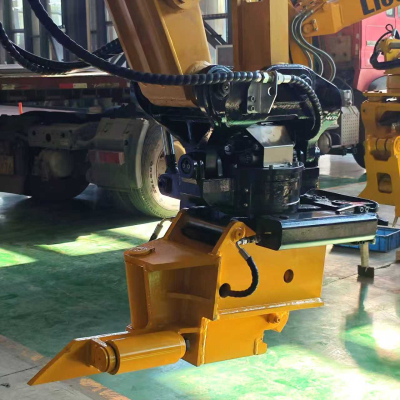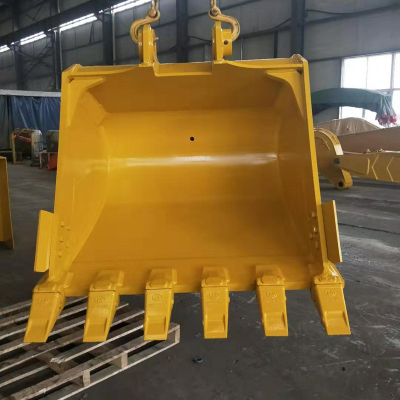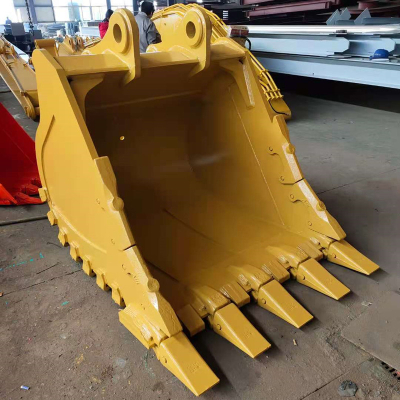

What type of power drives the railway slope cleaning excavator machine?
Railway maintenance is a critical aspect of ensuring safe and efficient transportation systems. One of the most important tasks in this area is slope clearance, which helps prevent landslides and other hazards that could disrupt railway operations.excavator machine for cleaning railway slopeshas become an indispensable tool for this purpose. In this article, we will look at the various power options available for these specialized machines, their benefits, and how to choose the best power supply for your specific needs.
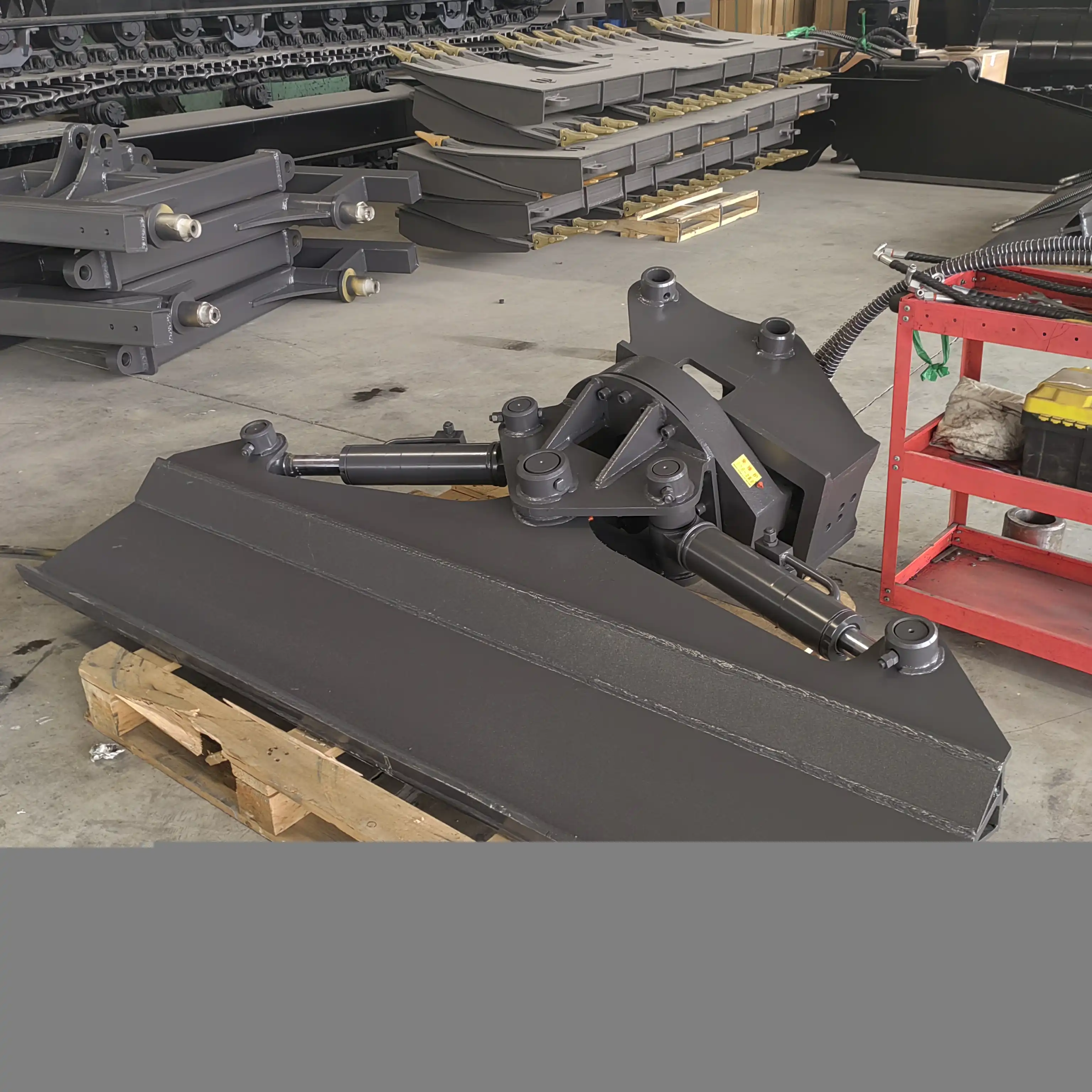
Power Options for Railroad Slope Cleaning Machines: An Overview
Excavator-mounted railway slope cleaning machines are versatile pieces of equipment designed to efficiently maintain and clean railway slopes. These machines can be powered by a variety of sources, each with its own set of benefits and features. The most common power options include:
Diesel Engines: Traditional and widely used diesel engine machines feature high torque and long service life.
Electric motors: are becoming increasingly popular due to their environmental benefits and low operating costs.
Hydraulic systems: Often used in combination with diesel or electric power sources to drive the moving parts of the excavator.
Hybrid systems: combining the benefits of multiple energy sources, such as diesel-electric or diesel-hydraulic configurations.
Each of these power options has its own set of characteristics that make it suitable for different operating conditions and requirements. The choice of power source can significantly affect the machine's performance, efficiency, and environmental impact.
Advantages of Electric and Hydraulic Power Systems
When it comes to powering a railroad slope cleaning excavator, electric and hydraulic systems are the two most common options. Let's compare their benefits:
Electric power systems
Environmentally friendly: Electric vehicles produce no emissions at the point of use, making them ideal for regions with strict environmental regulations.
Lower operating costs: Electricity is generally cheaper than diesel, resulting in lower operating costs over time.
Quieter operation: Electric motors are significantly quieter than their diesel counterparts, which is beneficial when operating in noise-sensitive areas.
Instant Torque: Electric motors provide full torque from a standing start, which can be beneficial in certain operating situations.
Reduced Maintenance: Electrical systems typically have fewer moving parts, reducing maintenance requirements and costs.
Hydraulic power systems
High power density: Hydraulic systems are capable of delivering significant power in a compact package, which is critical for space-constrained rail vehicles.
Smooth and precise control: Hydraulic systems provide excellent control of movement and force, which is essential for delicate slope cleaning operations.
Durability: Hydraulic components are known for their durability and ability to withstand harsh operating conditions.
Flexibility: Hydraulic power can be easily distributed between several machine functions, allowing a variety of operations to be carried out.
Load Handling: Hydraulic systems are excellent at handling large loads and sudden load changes, which are common in earthmoving applications.
It is worth noting that many modern excavator machines for cleaning railway slopes use a combination of these systems. For example, the machine may use an electric motor as the main power source, and also use hydraulic systems to move the boom, handle and bucket.
How to choose the best power supply for your needs?
Selecting the right power source for your railroad slope cleaning machine is critical to optimum performance and efficiency. Here are some factors to consider when making your decision:
Operational Requirements: Consider the specific tasks your machine will perform. If you need high power output for intensive cleaning, a diesel-hydraulic system may be more suitable. For lighter work in environmentally sensitive areas, an electric-powered machine may be a better choice.
Environmental Regulations: Know your local emissions and noise standards. In areas with strict environmental policies, electric vehicles may be the only viable option.
Available infrastructure: For electric drive machines, you will need access to a reliable power source. If you work in remote areas, diesel machines can be more practical.
Maintenance and support: Consider the possibility of supplying spare parts and technical support for various energy systems in your region.
The total cost of ownership: do not limit yourself to the initial purchase price, but take into account long -term expenses, such as fuel/electricity costs, maintenance and possible downtime.
Characteristics of performance: various power sources offer different levels of torque, speed and control. Make sure that the selected system meets your performance requirements.
Universality: If your equipment needs to perform a wide range of tasks, a hybrid system that combines various power sources can provide maximum flexibility.
Protectedness in the future: Consider the long -term viability of your choice. With an increase in attention to stability, electric and hybrid systems can offer better security in the future.
When evaluating these factors, it is important to consult with manufacturers and industry experts. They can provide valuable ideas based on your specific use of use, and help you make a reasonable decision.
The machine for cleaning the excavator rail is the most important element of equipment to maintain safe and efficient operation of the railway. The choice of power source for these machines can significantly affect their performance, efficiency and environmental impact. Regardless of whether you choose a traditional diesel-hydraulic system, an environmentally friendly electric motor or universal hybrid configuration, understanding of the pluses and cons of each option is the key to the right choice for your specific needs.
As technology develops, we can expect further innovation in power systems for railway maintenance equipment. These developments will most likely be aimed at increasing energy efficiency, reducing environmental impacts and increasing overall performance. Remaining in the course of these achievements, railway service specialists can be sure that they use the most effective and effective tools for work.
Excavator for cleaning railway slopes for sale
Our company Tiannuo Machinery specializes in the production of high -quality excavator machines for cleaning railway slopes. Our product offers a number of functions designed to meet various needs of operations for the technical maintenance of railways:
Applicable track width: 1435 mm
Wheel operating mode: Joystick Management of the main caterpillar tractor
Railway walking mode: walking on the drive wheel
Railway walking mode: allows you to convert the drive wheel to a free mode.
Dicked -power form: integrated engine
Maximum braking distance on the railway: ≤10000 mm
The speed of movement along the railway track (drive wheel): 10-20 km/h
Railway speed (free move): 2.4-4.4 km/h
If you are interested in learning more about our excavator machine to clean railway slopes or would like to discuss your special requirements, we invite you to contact us. You can contact our manager at the addressarm@stnd-machinery.comor members of our team inrich@stnd-machinery.comAndtn@stnd-machinery.com. Our expert team is ready to help you find the perfect solution for your needs to maintain railways.
Links:
Railway technologies. (2021). "Equipment for servicing railways: innovation and trends."
International Journal of Railway Technologies. (2020). "Comparative analysis of power supply systems in equipment for servicing railways."
Hydraulic engineering magazine. (2019). "The use of hydraulic systems in heavy engineering."
Stability in servicing railways. (2022). "Equipment for servicing railways, which meets the requirements of the future: Focus at power systems."