
Is the excavator working?
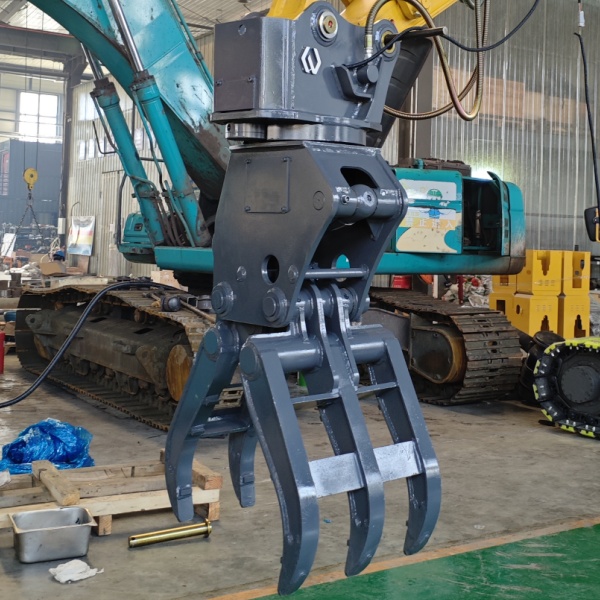
The Excavator Grapple has proven to be an exceptionally effective attachment that significantly improves excavator functionality in numerous industrial applications. These specialized tools transform standard excavators into versatile material handling machines capable of grasping, lifting, sorting and accurately placing a variety of materials. Field trials have shown a 30-45% increase in productivity when using appropriate grabbers compared to traditional bucketsexcavators forperforming material processing tasks. These accessories vary in applications ranging from demolition waste sorting to precision pipe placement, forestry materials handling and railroad maintenance operations. Its effectiveness is further enhanced by specialized jaw designs tailored to specific materials and performance requirements.
Increased efficiency
Reduced processing time
Invader Infiltrationexcavator in constructionand industrial operations provides significant time savings through simplified material handling processes. Traditional excavation methods often require multiple processing steps—bucket excavation, transfer of material to stadion areas, and subsequent reprocessing for loading or placement. In contrast, grabbers allow direct processing from source to destination, eliminating intermediate steps that consume valuable production time. This direct processing capability has demonstrated cycle time reductions of 20-35% in controlled studies in a variety of materials processing applications.
In demolition operations, grabbers allow materials to be immediately sorted during the demolition process, separating recyclable components from general waste without the need for ground personnel to perform manual sorting. This integrated approach reduces the overall project duration while increasing the rate of material recovery. Similar efficiency gains are seen in pipe installation projects, where grabbers can lift, transport and precisely place sections of pipe in a single operation that would traditionally require multiple equipment movements and manual guidance.
Time utilization studies conducted on active construction sites show that excavators equipped with appropriate grab attachments maintain higher productive utilization rates—typically 65-75% compared to 50-60% for conventional bucket operations. This improvement in utilization is due to reduced downtime during material transfers and reduced need for reassignment between tasks. The cumulative effect of these time savings is directly reflected in accelerated project completion schedules and increased returns on equipment investments.
Precise material processing
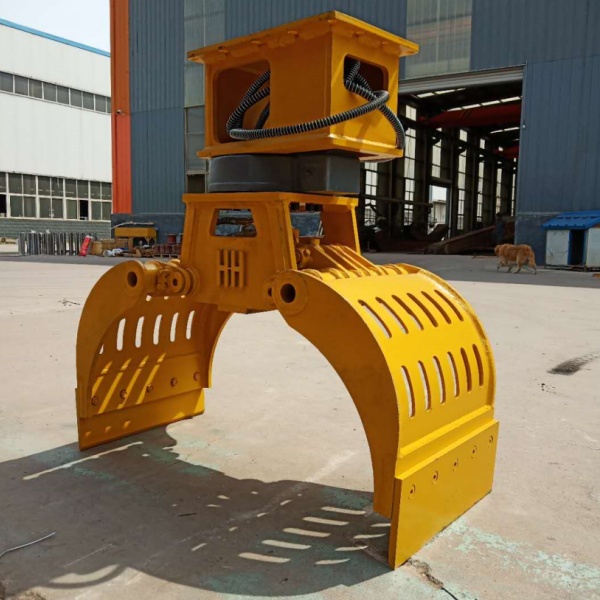
Excavator grippers provide unprecedented precision in material handling, which directly impacts operational efficiency. Unlike bucket excavation, which relies on gravity and confinement to control material, grabbers maintain positive mechanical compression throughout the processing cycle. This continuous control allows placement accuracy within centimeters - a level of precision not available with conventional mounts. This sophisticated placement capability is especially beneficial for infrastructure projects where alignment tolerances dictate the quality of the installation.
Versatility
Multi-material handling capability
The remarkable adaptability of the excavator grabber to different types of materials is one of its defining advantages. These fixtures successfully handle materials ranging from casual demolition debris to precision manufactured components with equal efficiency. In recycling operations, a single grabber efficiently handles materials as diverse as scrap metal, concrete sections, wood structural members and mixed construction waste. This versatility eliminates the need to change mounts betweenprocessing variousmaterials, maintaining continuous performance as operational requirements change.
The adaptability of the invader extends to accommodating different densities of material, from light vegetation in land clearing operations to dense rock products in quarrying operations. This wide operating range is made from adjustable hydraulic pressure systems that modify gripping force based on material characteristics. Advanced models include pressure sensors and programmable controllers that automatically optimize compression force based on material resistance, preventing both undercompression and material crushing.
The material's versatility in size represents another significant advantage, as today's grippers effectively handle objects ranging from small sections of pipe measuring just inches in diameter to massive concrete structures weighing several tons. This flexibility in size range is due to jaw designs optimized for specific application profiles. Wide-opening jaws with extended coverage serve forestry and land clearing applications, while specialized narrow designs excel in applications that require access to tight spaces or precise placement between existing structures.
Cross-industry applications
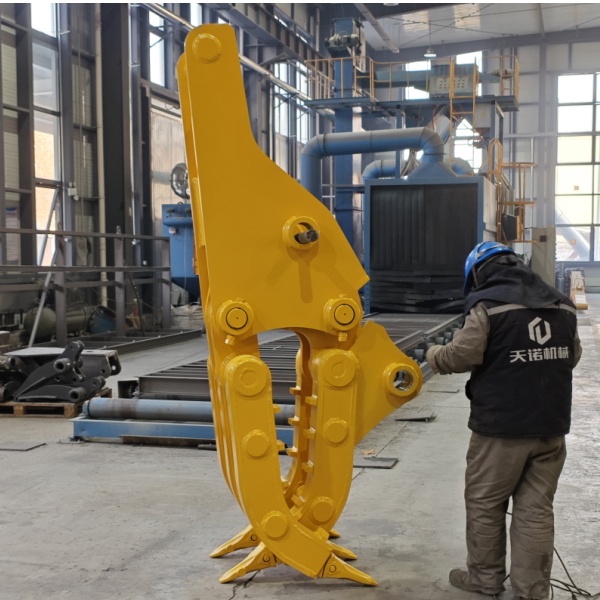
The utility of excavator grabbers extends beyond traditional construction applications, finding productive roles in a variety of industries. In railway maintenance operations, specializedinvaders processrail sections, bundles and ballast materials with precision, significantly reducing rail downtime during replacement or repair. The ability to grip and precisely position pre-assembled rail sections speeds up installation while reducing the manual handling requirements that have traditionally presented safety hazards in this sector.
Forestry benefits from invaders specifically designed for vegetation management, with extended adhesives that maximize material volume while allowing soil and debris to sift through during handling. These specialized accessories effectively clear undergrowth, collect cut wood, and treat vegetation for mulching or removal. Controlled handling capabilities prevent soil disturbances that could otherwise increase the risk of erosion or damage the sensitive root systems of retained vegetation.
Waste management applications demonstrate another cross-industry implementation as grabbers facilitate efficient sorting operations at transfer stations and landfills. These applications allow operators to identify and recover recuperative materials from mixed waste streams, improving recycling rates while reducing recycling costs. The ability to handle bulky items such as appliances, furniture and construction debris improves processing efficiency while keeping workers at safe distances from potentially hazardous materials.
Improved security
Reduced manual processing
The introduction of excavator grabbers provides compelling safety benefits by dramatically reducing the requirement for manual material handling. Traditional construction methods often require workers to physically guide materials during placement, positioning themselves close to overhead loads and creating crushing point hazards between the load and adjacent structures. Grappler-mounted excavators eliminate these positioning requirements by providing precise control from the operator's cab, removing workers from hazardous areas while moving and placing material.
Occupational safety statistics demonstrate the importance of this improvement, as injuries related to manual material handling are consistently among the most common workplace incidents in construction and industrial operations. These injuries typically include back strains, crushing injuries and falls occurring during material handling. Case studies of gripper implementation show a 40-60% reduction in incident rates for materials handling injuries after gripper adoption, representing a significant improvement in worker safety and a significant reduction in workers' compensation costs.
In addition to preventing acute injuries, grippers address long-term occupational health problems associated with cumulative traumatic injuries resulting from repetitive lifting, pulling, and positioning tasks. By transferring these physical demands from human workers to hydraulic systems, grippers reduce the impact of the forces that contribute tochronic skeletal-muscular conditions. This aspect of prevention is often underestimated when making equipment selection decisions, but it represents a significant benefit both for workforce health and for long-term operational costs associated with disability training and replacement.
Increased operator control
The enhanced control provided by the excavator grippers significantly improves operational safety through several mechanisms. Positive mechanical compression maintained throughout the recycling cycle eliminates the risk of inadvertent release of material that can occur when securing a bucket or fork, especially when processing irregular items that may shift during transport. This safe treatment prevents falling loads, a leading cause of injuries that are classified as "Fatal Four" accidents in the construction industry as defined by safety regulators.
The rotation capabilities integrated into modern grippers allow operators to adjust material orientation without repositioning the entire machine, reducing the equipment movement required to complete placement operations. This reduction in movement directly correlates with a reduction in the risk of collision between the excavator and adjacent structures, vehicles or personnel. The rotation feature further enhances safety by allowing optimal positioning for visual inspection of placement areas prior to material release, improving situational awareness during critical operations.
The precise control offered by hydraulic grabbers allows material placement tasks to be successfully completed in confined or challenging environments that would otherwise require personnel access to hazardous locations. Applications such as trench pipe installations, placement between existing utilities, or positioning of components in partially completed structures demonstrate this advantage. By keeping workers out of these confined spaces, invaders are turning to the environment, which accounts for a disproportionate percentage of construction fatalities due to cave break-ins, impact incidents, and accidents in between.