
Can an excavator brush be used to clear brush and shrubs?
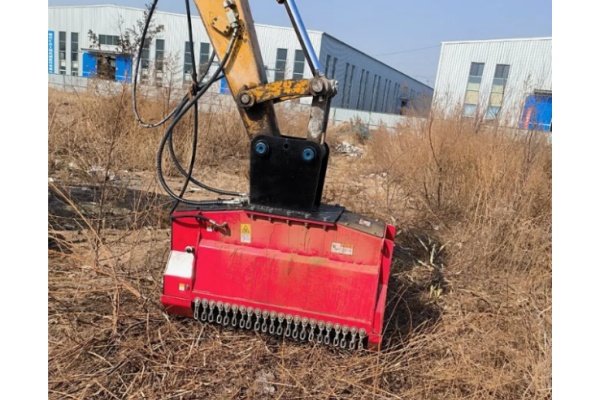
Certainly! A backhoe brush is a great tool for clearing shrubs and shrubs. This powerful attachment turns your excavator into a versatile vegetation management machine. With its durable cutting blades and hydraulic power, the brush cutter can effectively tackle dense growth, thick shrubs and stubborn shrubs. This is especially useful for large-scale land clearing projects in the construction, forestry and agricultural sectors. Accessibility and mobilityexcavatorcombined with the sharp power of the brushes make it the ideal solution for quickly and effectively removing unwanted growth.
Optimal settings for removing bushes
To maximize your backhoe's effectiveness when clearing brush and brush, it's important to fine-tune your settings. The right settings can significantly improve your productivity while ensuring the long life of your equipment. Let's dive into the key aspects of optimizing your brush removal excavator.
Adjustable blade height for efficient brush cutting
The height of your brush's blades plays a key role in its effectiveness. For most shrubs and shrubs, setting the blade height between 2 and 4 inches above the ground produces the best results. This range allows you to cut through most vegetation without the risk of damage to your equipment from hidden obstacles or uneven terrain. Remember, the goal is to remove most of the brush while leaving enough stud to prevent soil erosion.
Selecting the Correct Excavator Speed for Brush Cleaning
The speed of your excavator directly affects the quality of the cut and the tension on your brush. Slower speeds, usually around 1-2 mph, allow the blades to thoroughly cut through vegetation. This measured pace ensures a clean cut and reduces the chance of the brush becoming overloaded or stuck. It's tempting to rush through a job, but patience pays off in terms of efficiency and equipment maintenance.
Correct hydraulic flow settings forbrush efficiency
The hydraulic flow to your brush mount is its lifeblood. Most backhoe brush cutters require a flow rate of 15 to 40 gallons per minute, depending on their size and design. It is important to review your attachment's manual and adjust the flow rate to its specifications. Too little flow can lead to slow performance, while too much flow can lead to overheating and premature wear. Smartly tuning your hydraulic settings ensures optimal cutting power and extends the life of your equipment.
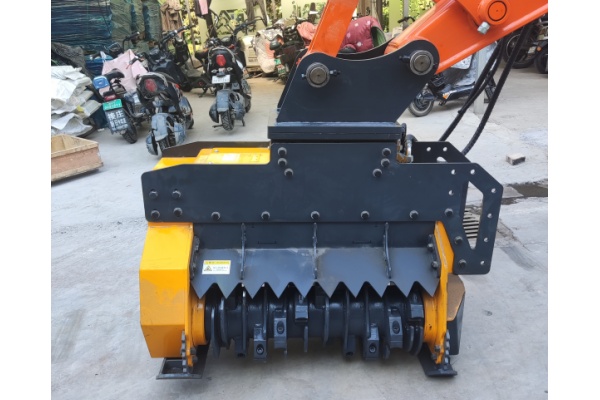
Brush mounts for various vegetation
As we move beyond the discussion of optimal settings, it is important to consider the different types of brush mounts available for your excavator. Each type is designed to address different vegetation problems, ensuring you have the right tool for the job at hand.
Rotary vs. Horizontal Brush Cutters: Which One to Choose?
Rotary and horizontal brushes each have their own strengths. Rotary brushes with a vertical axis of rotation excel at cutting tall, dense vegetation. They are ideal for areas with thick brush and small trees. The rotating action of the blades createsmulching effect, leaving behind finely chopped material that quickly disintegrates.
Horizontal brushes, on the other hand, work more like a traditional lawn mower. Their horizontal cutting plane makes them ideal for creating a manicured look in areas with lighter vegetation. They are especially effective for maintaining clear sightlines along roads or in parks.
Specialized accessories for removing dense shrubs and bushes
When working with exceptionally dense or woody shrubs, specialized accessories come into play. For example, drum mulchers have heavy-duty teeth that can grind through tough, fibrous plants and even small tree trunks. These attachments are invaluable in forestry or when clearing land for development.
Another specialized option is a mower attachment. Its oscillating blades allow the mower to navigate uneven terrain and handle various types of vegetation. This is especially useful in areas where rocks or other debris could damage fixed blade systems.
Mulch Heads: Turning Shrubs into Organic Matter
Mulch heads are a game changer in vegetation management. These attachments are not simply cut; they break down shrubs and shrubs into fine organic matter. This approach offers several advantages. First, it eliminates the need for separate cleaning and removal of cut material. Second, the resulting mulch can be left in place to enrich the soil and prevent erosion. Finally, mulching heads can handle a wide range of vegetation sizes, from small shrubs to trees up to 6 inches in diameter.
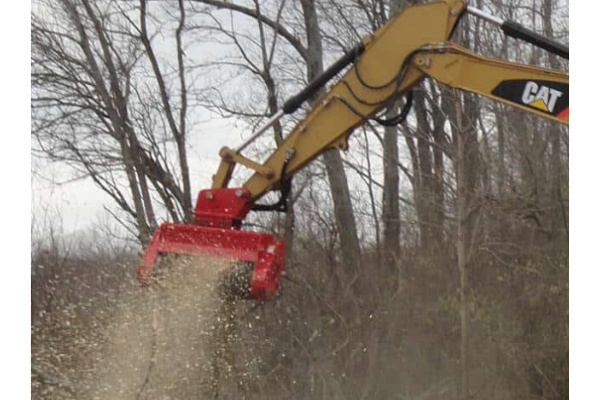
Environmental Impact of Brush Cutting
While brush cutting is an effective land management tool, it is important to consider its environmental impacts. Responsible use of backhoe brush cutters can actually contribute to healthier ecosystems if done thoughtfully.
Minimizing soil disturbance during brush clearing
One of the main concerns when using heavy equipment for vegetation removal is soil disturbance. Excessive soil disturbance can lead to erosion, loss of topsoil, and damage to beneficial soil microorganisms. To minimize this impact, it is important to use the correct attachment for the job and adjust your equipment accordingly.
For example, using a mulching head instead of a traditional blade can reduce soil disturbance. The resulting mulch acts as a protective layer over the soil, preventing erosion and retaining moisture. Furthermore, careful operation of the excavator, avoiding sharp turns, and working in dry conditions can help maintain soil integrity.
Protecting Wildlife Habitats When Using Brushcutters
Brush piles and shrubs often serve as vital habitats for a variety of wildlife. Before beginning any clearing project, it's important to conduct a thorough site survey to identify any protected species or sensitive habitats. Timing is also crucial; avoiding brush cutting during nesting seasons can be detrimental.significantly reduceimpact on local wildlife.
Creating a mosaic of cleared and uncleared areas can balance land management goals with wildlife conservation. This approach maintains wildlife corridors and preserves a diversity of habitats within the landscape.
Sustainable vegetation management techniques using excavators
Adopting sustainable vegetation management practices goes beyond the simple act of cutting. This involves a holistic approach to land management. For example, selectively removing invasive species while maintaining native plants can improve the overall health of an ecosystem. Likewise, planning for regeneration with native species after cleanup can improve biodiversity and soil stability.
Proper maintenance of your excavator and brush attachment also plays a role in stability. Well-maintained equipment operates more efficiently, reducing fuel consumption and emissions. Additionally, using bio-based hydraulic fluids can minimize the environmental impact in the event of a leak or spill.
Excavator brush trimmers are truly powerful brush and brush clearing tools, offering efficiency and versatility in vegetation management. By optimizing your settings, choosing the right applications, and adopting sustainable practices, you can maximize their effectiveness while minimizing your environmental impact. Remember that successful brushing is not just about clearing the ground; it's about balancing productivity with responsible land stewardship. When you embark on your next clearing project, consider the long-term consequences of your actions and strive for an approach that benefits both your immediate goals and the broader ecosystem.