
Differences between long reach excavators and long reach excavators
When it comes to specialized excavation and demolition work, understanding the differences between long-reach and long-reach excavators is crucial. Both types of machines are modifications of the standard excavator, but are designed for specific tasks. Long-reach excavators, also known aslong-reach excavatorsLong-reach excavators are distinguished by their increased horizontal reach for digging in hard-to-reach areas. On the other hand, long-reach excavators are designed for vertical demolition. This article will detail the key differences between these two specialized machines, helping you make informed decisions for your next project.
Boom and stick orientation
Long Reach: Increased horizontal reach for digging
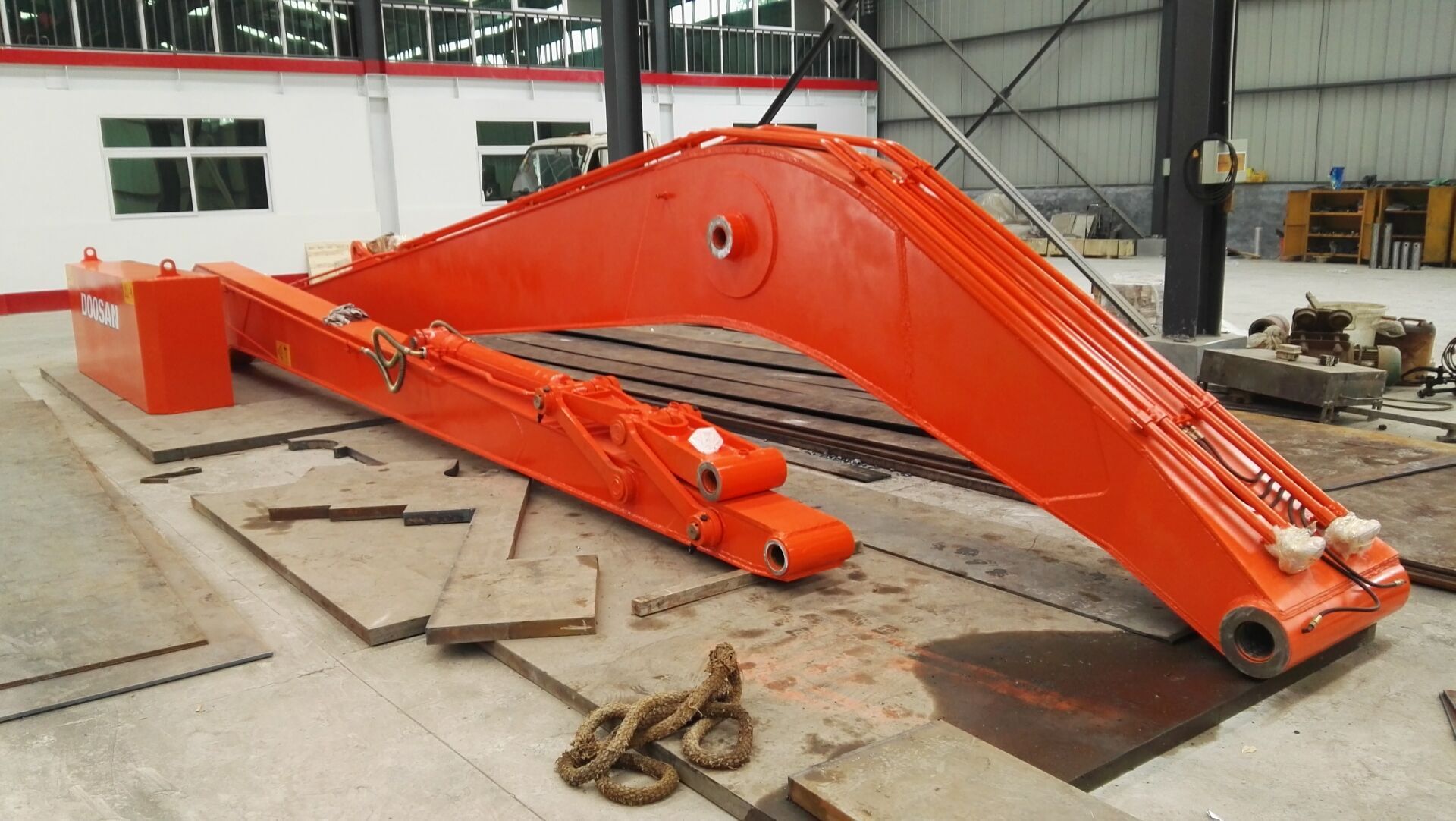
Long reach excavators are designed with a long boom and arm configuration to provide greater horizontal reach. This design is especially useful in situations where the machine must operate from a distance, such as digging ponds, clearing river banks, or working in areas with unstable ground. The extended boom allows operators to reach much further than a standard excavator, making it a great tool for projects that require long reach without sacrificing stability.
Horizontal boom orientationlong reach excavatormaking it ideal for dredging, canal maintenance and even some land reclamation projects. The ability to operate from a safe distance while maintaining accuracy is a significant advantage in these applications. What's more, the extended reach allows for more efficient material handling as the machine can cover a larger area without the need for frequent movement.
High reach: vertical orientation for demolition work
In contrast, long reach excavators have a boom that can extend vertically to impressive heights. This vertical orientation is specifically designed for the demolition of high-rise buildings. The machine's ability to reach great heights while maintaining stability makes it an indispensable tool for safely dismantling buildings from top to bottom. Long reach excavators are equipped with specialized attachments such as crushers, shears and shredders that can be used at high heights to methodically dismantle buildings.
The vertical reach of these machines not only improves safety by allowing operators to work from a distance, but also improves the efficiency of demolition jobs. Working from the top down, long reach excavators can systematically remove structures while minimizing the spread of dust and debris, which is especially important in urban environments or environmentally sensitive areas.
Adjustable configurations for universal use
Both high and long reach excavators often come with an adjustable configuration, allowing for greater versatility on job sites. Some models feature a modular design that allows operators to switch between high- and long-reach configurations depending on the task at hand. This flexibility is especially valuable for contractors who work on a variety of projects and need equipment that can handle a variety of tasks.
For example, an excavator with a long reach can be equipped with a short boom for standard excavation work when a longer reach is not required. Likewise, long reach excavators can often be converted for standard demolition work at lower heights. This flexibility not only improves machine efficiency, but also provides cost-effective solutions for companies that may lack the resources to maintain separate, dedicated equipment for each type of job.
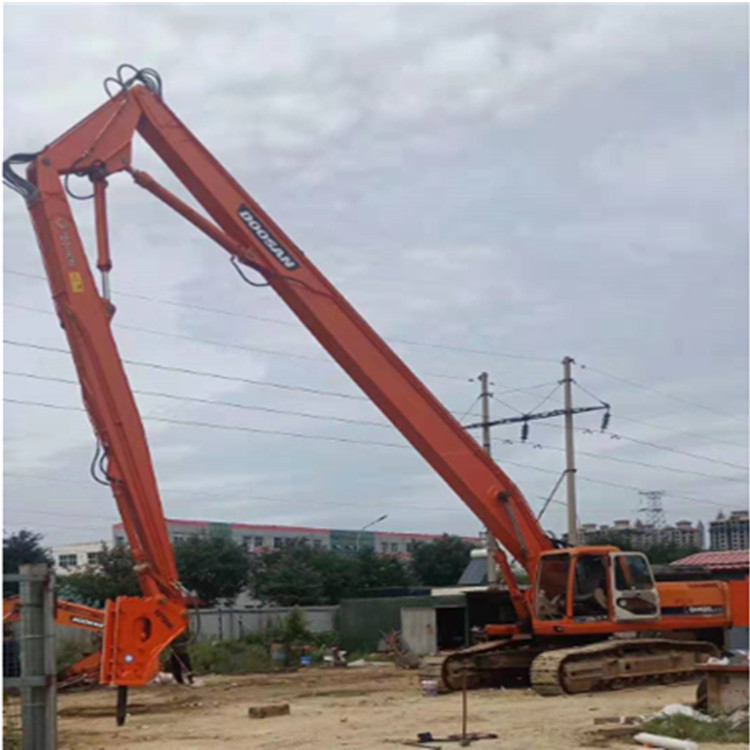
Typical coverage
Long reach excavators: horizontal reach 30-60 feet
Long-reach excavators are designed to significantly expand the working envelope of standard excavators. These machines typically have a horizontal reach of between 9 and 18 meters (9.1 and 18.6 m), depending on the model and manufacturer. This increased reach allows operators to work in areas that would be impossible or unsafe with conventional excavators. For example:long reach excavatorcan easily perform dredging operations from shore, eliminating the need for expensive barges or specialized floating equipment.
The impressive horizontal range of long reach excavators makes them indispensable in a variety of industries. In environmental remediation projects, these machines can clean up contaminated areas without exposing workers to hazardous materials. In the mining industry, they can travel to ore deposits or perform stripping operations from a safe distance. The forestry industry also uses long-reach excavators to selectively clear trees in sensitive ecosystems where minimal disturbance to the ground is critical.
Long Reach Excavators: Lift heights up to 100 feet
Long reach excavators push the boundaries of vertical reach, with some models capable of lifting the boom up to an impressive 30 meters. This exceptional range of vertical reach makes them an ideal choice for the demolition of high-rise structures such as multi-storey buildings, chimneys and industrial sites. The ability to operate at such heights while maintaining stability and precision is a testament to the engineering prowess of these specialized machines.
The long reach of these excavators not only improves safety by allowing operators to maintain a safe distance from falling debris, but also improves the efficiency of demolition work. Working from the top down, long reach excavators can methodically remove structures, reducing the risk of uncontrolled collapse and minimizing impact on the surrounding area. This capability is especially valuable in urban environments where space is limited and traditional demolition methods can pose a risk to nearby buildings or infrastructure.
Specialized models extend your reach
As technology advances and demand for more productive equipment grows, manufacturers are constantly pushing the boundaries of what can be done with longer and longer reach excavators. Some specialty models now offer even greater reach, with long-reach excavators extending more than 60 feet (18 meters) horizontally and high-reach models reaching 30 meters (30 meters) vertically.
These ultra-specialized machines are often custom-built for specific projects or industries. For example, the offshore oil and gas industry has developed ultra-long reach excavators to perform subsea excavation and maintenance work at depths previously thought impossible. Likewise, in the long-reach demolition industry, some manufacturers are experimenting with telescoping boom designs that can extend even further while maintaining the necessary stability and precision for delicate operations.
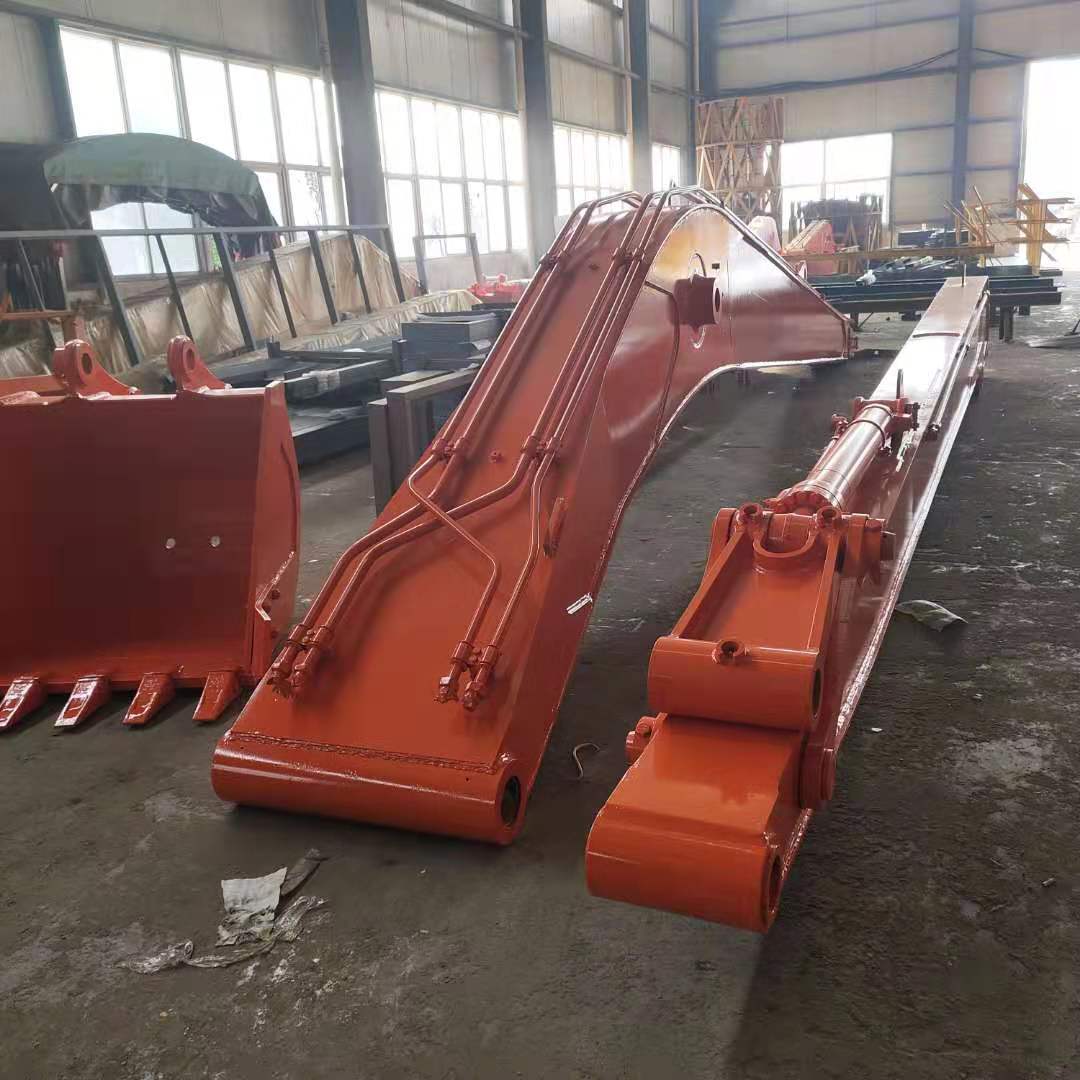
Loading and digging power
Long reach: balanced power for increased digging depth
Long reach excavators are designed with a delicate balance between reach and power. While their longer boom allows for greater horizontal reach, it also means the machine must distribute power over a larger area. That's why long reach excavators are equipped with carefully designed hydraulic systems and counterweights to ensure stability and maintain digging power even at maximum reach.
The digging power of a long reach excavator is optimized for tasks that require precision rather than brute force. These machines excel in applications such as dredging, where controlled and stable excavation is more important than brute force. Hydraulic systemslong reach excavatorsare often finely tuned to provide smooth and precise movements, allowing operators to perform complex tasks with high precision even over long distances.
Long reach: optimized for precision demolition work
Long reach excavators, despite their impressive reach, are not originally designed for digging. Their propulsion systems are optimized for demolition, which requires a different set of capabilities. These machines are designed to handle heavy implements at high heights, focusing on stability and precision control rather than digging force.
Long reach excavator hydraulic systems are designed to provide the power needed to operate specialized attachments such as crushers, shears and shredders at high heights. This optimization ensures controlled demolition, allowing operators to systematically and accurately dismantle structures. Particular attention is paid to maintaining stability and controllability, ensuring safe and efficient demolition work even on tall structures.
Tradeoffs between Reach and Load Capacity
Both long-reach and long-reach excavators inevitably face a trade-off between increased reach and lifting capacity. As boom extension increases, both horizontal and vertical, the machine's ability to lift heavy loads decreases. This is due to the basic laws of physics: the further the load is from the machine's center of gravity, the less weight it can safely lift.
Manufacturers are addressing this problem through various design innovations. For long reach excavators, this may include improved counterweight systems or hydraulic booms that help distribute the load more effectively. Long reach excavators are often equipped with specialized undercarriages with wider tracks or outriggers to improve stability when working at high heights. Despite these innovations, operators must always consider the load patterns and operational limitations of their machines to ensure safe and efficient operation.
Understanding the differences between long reach and long reach excavators is critical to making informed decisions in construction, demolition and specialty excavation applications. Long reach excavators have excellent horizontal reach, making them ideal for applications such as dredging and pond work. Excavators with a long reach, due to their vertical orientation, are indispensable for the demolition of high-rise structures. Both types offer unique advantages and face similar challenges in balancing reach, power and stability. As technology advances, these specialized machines continue to push the boundaries of what's possible in the earthmoving and demolition industry, offering innovative solutions to complex engineering challenges.