
Compare the design of a 360° rotating railway ballast cutter and a design with a fixed cutter
When it comes to railway maintenance, excavator-cutter of crushed stone for railway tracks plays a crucial role. This specialized machine is designed to remove and clean the ballast beneath railway tracks, ensuring proper drainage and track stability. In recent years, two main designs have emerged: the 360° rotation undercutter and the fixed undercutter. Both have their merits, but which one is right for your railway maintenance needs? Let's dive into a detailed comparison of these two innovative designs to help you make an informed decision.
Pros and Cons: 360° Rotation vs. Fixed Trimmers
Versatility: 360° rotation enhances maneuverability
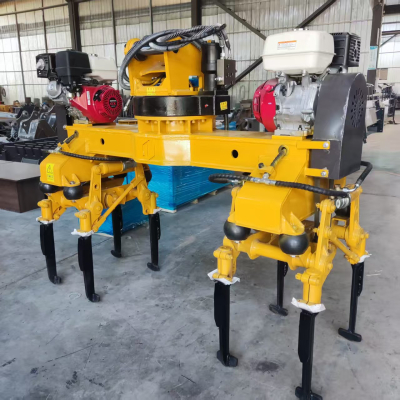
The crusher's 360° rotating design provides unrivaled versatility in railroad maintenance applications. This innovative feature allows the machine to completely rotate the top, giving operators the ability to work at different angles without having to move the entire unit. This increased maneuverability is especially important when working in confined spaces or areas with limited access.
For example, in urban environments where train tracks often run close to buildings or other infrastructure, the 360° rotation capability allows operators to easily avoid obstacles. This flexibility can significantly reduce the time spent positioning and repositioning the machine, resulting in increased overall efficiency of crushed stone cleaning operations.
Additionally, the rotation function provides improved visibility and control, as operators can adjust the viewing angle to suit the specific requirements of each task. The improved line of sight facilitates more precise and accurate trimming, ensuring thorough and uniform ballast removal along the entire path.
Stability: Fixed cutters ensure reliable operation
While the 360° rotating design offers exceptional versatility, the fixedprunersThey offer a number of advantages, particularly in terms of stability. The rigid design of the fixed undercutters provides a reliable base for intensive gravel cleaning, especially in difficult soil conditions.
Fixed trimmers typically have a lower center of gravity, which can be beneficial when working on uneven surfaces or in situations where maximum stability is required. This stability contributes to more stable operation, especially during long periods of operation or when working with highly compacted ballast.
Additionally, the simpler design of fixed trimmers often means fewer moving parts, which can result in increased durability and potentially lower maintenance requirements over time. For railway crews operating in remote areas or with limited access to specialized repair shops, this simplicity can be a significant advantage.
Maintenance: Comparison of Removable and Fixed Maintenance
When it comes to maintenance, both designs have their own characteristics.Crushed stone excavator for railway tracks360° rotation, with additional moving parts and hydraulic systems, may require more frequent inspection and maintenance to ensure smooth operation of the rotation mechanism. However, this increased complexity is often accompanied by the use of advanced diagnostic systems that help identify potential problems before they become serious.
On the other hand, fixed scorers tend to have fewer components subject to wear due to rotational motion. This can lead to longer intervals between major overhauls and lower long-term maintenance costs. However, it is important to note that specific maintenance requirements can vary significantly depending on the make and model of trimmer.
Ultimately, the choice between a 360° rotating design and a fixed undercutter will depend on the specific needs of your railroad maintenance operations, including the types of operating environments, frequency of use, and the capabilities of your maintenance crew.
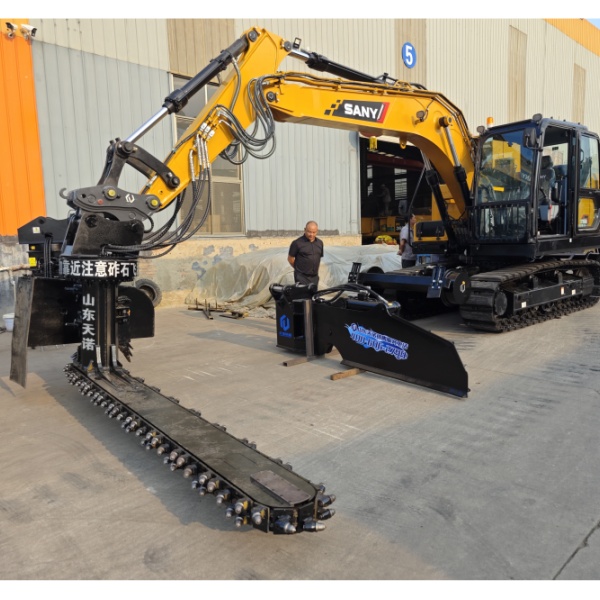
Boosting productivity: When 360° rotation makes a difference
Tight Spaces: 360° rotation is ideal for tight spaces
One of the main advantagesexcavator-cutter of crushed stone for railway tracks The 360° rotation of the trimmer is its exceptional performance in tight spaces. In urban environments or areas with limited access, this design truly shines. The pivoting upper section allows operators to precisely position the trimmer where needed, even in the most challenging conditions.
For example, when working near platforms, bridges, or in tunnels, the 360° rotation capability allows the machine to navigate obstacles that would normally be impossible for a stationary pruner. This flexibility can significantly reduce the need for manual labor in hard-to-reach areas, increasing efficiency and safety on the job site.
Multitasking: Rotary trimmers increase efficiency
The versatility of the 360° rotating design goes beyond simply maneuverability in tight spaces. These machines are often equipped to perform a variety of tasks beyond just cutting aggregate. With the ability to quickly rotate and reposition, operators can switch between different attachments or tools without moving the entire machine.
This versatility could be a real breakthrough for railway maintenance crews. A single 360° rotating cutter can handle ballast cleaning, sleeper replacement, and even minor excavation work. This versatility can significantly save time and increase productivity across a variety of maintenance tasks.
Time saving: 360° rotation reduces the need for repositioning
Perhaps one of the most significant benefits associated with the 360° design is the reduction in time spent repositioning the machine. Traditional fixed trimmers often require frequent movements to align the trimmer with different sections of the track. In contrast, a rotary trimmer can often clear longer sections of path while in one position.
Reducing repositioning times can lead to more efficient use of operating windows, which is especially important on busy rail networks where maintenance time is limited. By maximizing actual work time in these windows, rotary trimmers can help maintenance crews handle more material and complete projects faster.
However, it's important to note that while the 360° rotation design provides these productivity benefits, the specific performance gains will depend on the nature of the job and operating conditions. In some situations, such as on long, straight sections of track with good access, the benefits of rotation may be less pronounced.
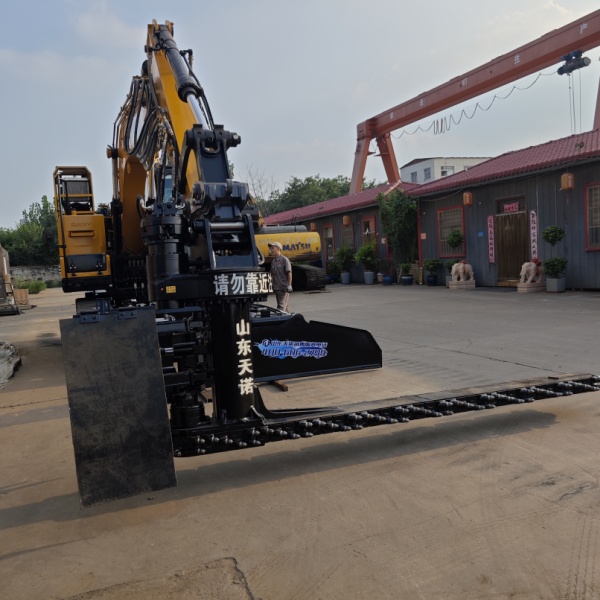
Cost-benefit analysis of rotary and fixed undercutters
Initial Investment: Comparing Purchase Prices
When considering purchasingexcavator-cutter of crushed stone for railway tracks, the initial investment is a crucial factor. Generally, 360° rotation undercutters tend to have a higher upfront cost compared to their fixed counterparts. This price difference is primarily due to the more complex design and additional components required for the rotational mechanism.
For example, a mid-range fixed trimmer can cost between $500,000 and $700,000, while a similar model with 360° rotation can cost between $700,000 and $1,000,000 or more. However, it's important to note that these prices can vary significantly depending on the manufacturer, specific features, and current market conditions.
The higher initial cost of rotary trimmers is often justified by their greater versatility and potential for increased productivity. However, for organizations with limited budgets or those primarily working in environments where the benefits of rotation are less pronounced, a fixed trimmer may prove to be a more economical initial investment.
Long-Term Savings: Evaluating Operational Efficiency
While initial costs are important, it's equally important to consider the long-term performance of each design. A 360° rotating scoring mechanism, despite its higher initial cost, can often provide significant savings over time due to increased productivity and versatility.
For example, the ability to perform multiple tasks without changing positions can reduce fuel consumption and track and wheel wear. Furthermore, time savings during operations can lead to reduced labor costs and increased project completion rates. Over the life of the machine, this increased efficiency can potentially offset the higher initial investment.
On the other hand, fixed scorers, due to their simpler design, can provide advantages in terms of maintenance costs. Fewer moving parts can mean fewer breakdowns and lower repair costs. For businesses with limited access to dedicated service centers, this simplicity can provide significant long-term savings.