
Joint adaptation of screening bucket and excavator
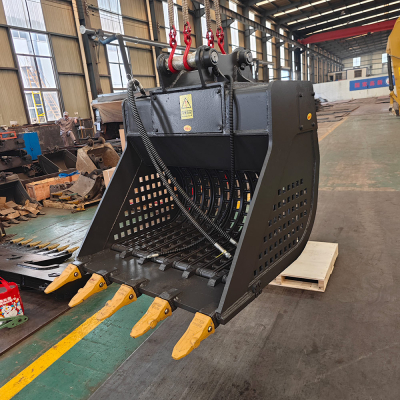
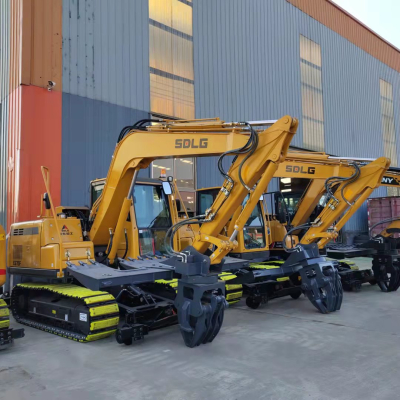
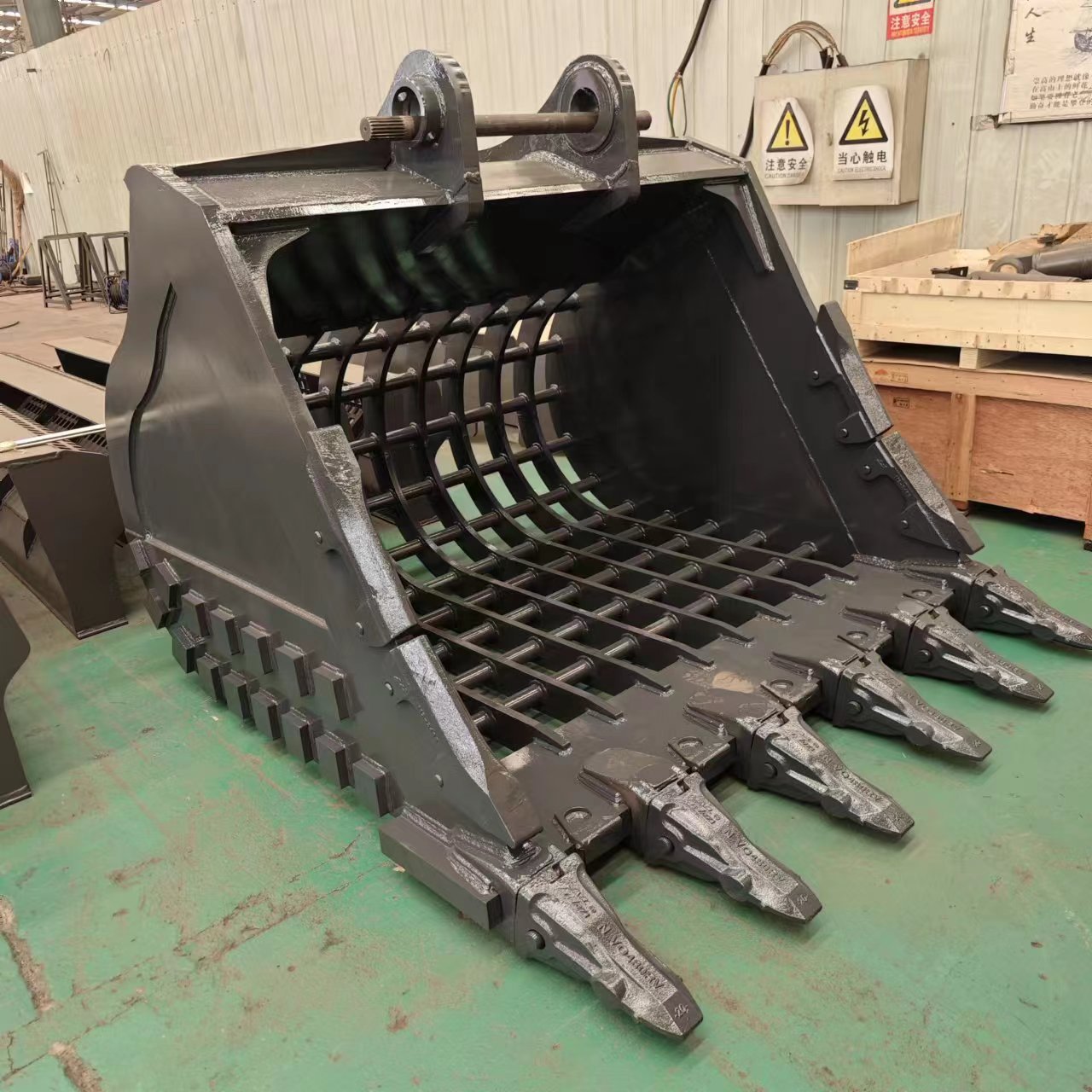
The screening bucket for excavator Represents a revolutionary innovation in materials processing and separation. This powerful attachment integrates easily with excavators, turning them into versatile screening machines. By combining the mobility of an excavator with the sorting capabilities of a screening bucket, contractors can effectively sort materials, reduce waste and increase productivity across a variety of industries. From construction and demolition to landscaping and recycling, the combination of screening buckets and excavators is revolutionizing jobsite workflows, providing unparalleled flexibility and cost-effectiveness in material handling and material handling.
Hydraulic synchronization
The basis for the joint adaptation of screening buckets and excavators is the synchronization of their hydraulic systems. This complex dance of hydraulic power ensures the screening bucket performs optimally while maintaining the stability and efficiency of the excavator. Let's look at the key aspects of this critical synchronization process.
Flow rate optimization for efficient sieving
Achieving ideal fluid flow is essential for maximum screening bucket performance. Engineers carefully calibrate the hydraulic system to ensure optimal fluid flow and maximum screen efficiency. This optimization process involves careful consideration of factors such as material type, desired performance, and excavator capabilities.
Fine-tuning the flow rate allows operators to achieve a fine balance between productivity and screening quality. Flow rates that are too high can cause excessive wear on the bucket, while flow rates that are too low can result in reduced productivity and reduced efficiency. The goal is to find the optimal position where screening is intense enough to effectively separate materials without overloading the system.
Pressure regulation for different types of materials
Different materials require different screening approaches. The hydraulic system's pressure control capabilities allow operators to adapt to a wide range of materials, from light soils to heavy aggregates. By adjusting pressure, the screening bucket can handle a variety of loads and densities without sacrificing efficiency or risking equipment damage.
Advanced pressure sensors and control systems continuously monitor and regulate hydraulic pressure in real time. Dynamic control ensures optimum screening bucket performance regardless of the material being processed. The system seamlessly adapts to work conditions, whether wet, sticky soil or dry, granular aggregates, delivering consistent results on any jobsite.
Intelligent hydraulic control for seamless integration
Last generationExcavator screening bucketsIntelligent hydraulic control systems take integration to a new level. These intelligent systems use advanced algorithms and sensor data to create a symbiotic relationship between the excavator and the attachment. The result is smooth and intuitive control that feels natural and intuitive to the operator.
Intelligent control systems automatically adjust flow and pressure based on the task at hand, reducing operator fatigue and increasing overall efficiency. They are also able to detect potential problems, such as blockages or overloads, and respond accordingly, preventing damage and downtime. This level of automation not only improves productivity, but also extends the life of both the excavator and the screening bucket.
Moving from the intricacies of hydraulic synchronization to the physical aspects of the attachment, it becomes clear that adapting screening buckets and excavators together is a multi-faceted process. Full integration of hydraulic systems creates the basis for mechanical interface design, which we will discuss next.
Mechanical Interface Design
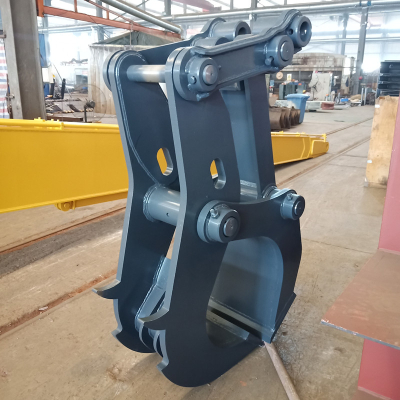
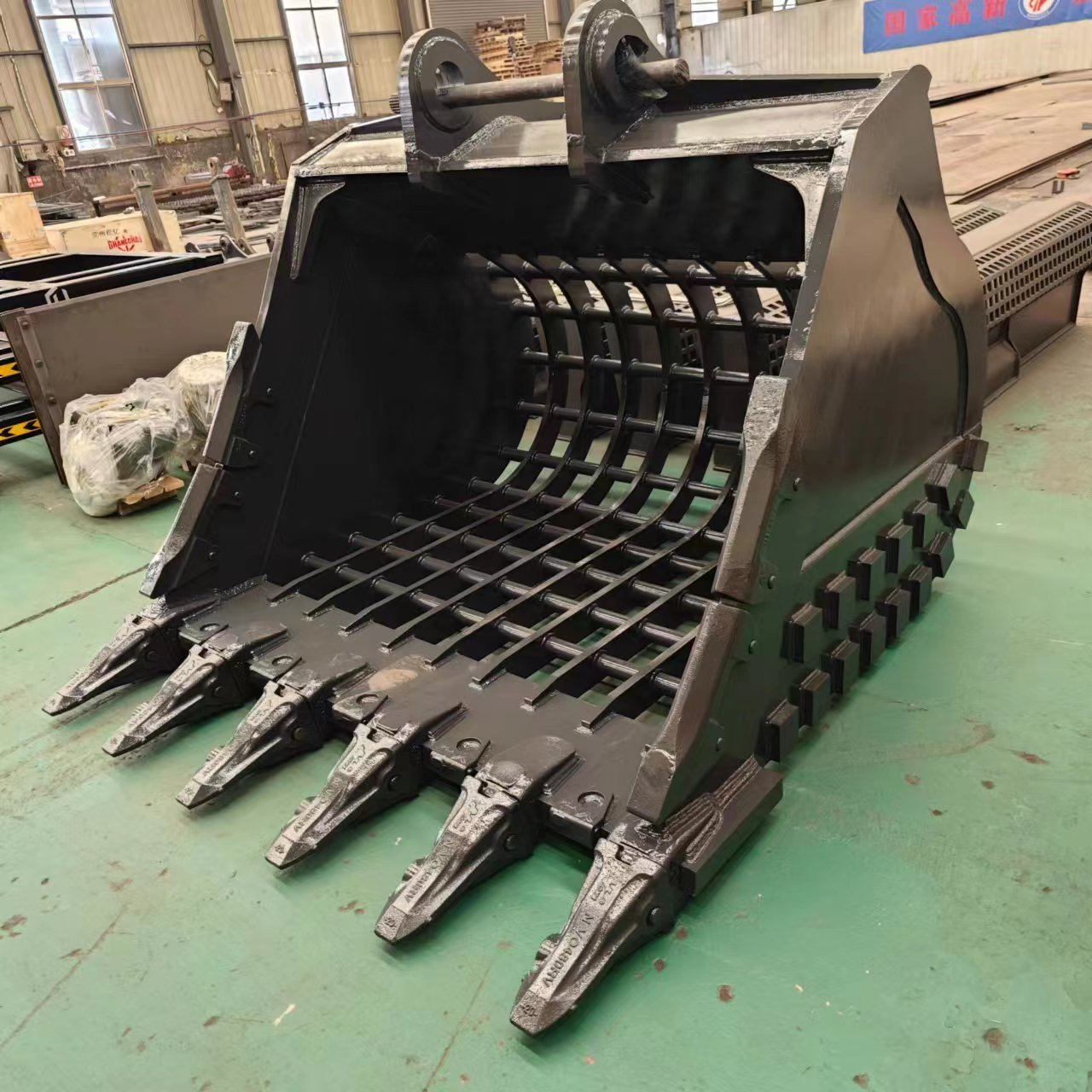
While hydraulic synchronization forms the operating basis,screening bucket for an excavatorEqually important in this collaborative effort is the design of the mechanical interface. This aspect focuses on the physical connection and interaction of two hardware components, ensuring their seamless operation as a single unit. Let's examine the key components of this mechanical synergy.
Quick-attach systems for easy bucket changes
One of the most significant advances in excavator attachment technology is the development of quick-attach systems. These innovative mechanisms allow operators to change attachments, including screening buckets, in minutes without leaving the cab. This rapid changeover significantly increases versatility and productivity on-site.
Modern quick release systems use hydraulic clamps and perfectly aligned connection points to ensure secure, precise locking. The design often includes fail-safe mechanisms to prevent accidental disconnection, putting safety first along with convenience. This level of engineering allows contractors to quickly adapt to changing job site demands, switching between digging, screening and other tasks with minimal downtime.
Improved load distribution for increased excavator stability
Installing a screening bucket significantly changes the weight distribution of the excavator. To maintain optimal stability and performance, engineers have developed sophisticated load distribution systems. These designs carefully consider the center of gravity, counterweight requirements and lifting capacity of the excavator.
Advanced computer simulations and real-world testing enable screening bucket designs to complement existing excavator balancing. Some models feature adjustable mounting points or variable load distribution mechanisms, allowing operators to fine-tune the position of the work tool based on the specific excavator model and operating conditions. This attention to load distribution not only improves safety, but also improves fuel efficiency and reduces wear on excavator components.
Custom connections for improved screening angles
Screening efficiency often depends on achieving the optimum tilt angle. Specialized linkage systems have been developed to give operators a wider range of motion and more precise control of the screening bucket position. These specialized linkage systems offer tilt and swivel adjustments, allowing the bucket to adapt to different material types and screening requirements.
Some modern systems are equipped with hydraulic rotating mechanisms that provide 360-degree rotation and multi-angle tilt. This level of flexibility allows operators to easily cope with challenging terrain and unique project requirements. The ability to fine-tune screening angles during operation provides improved material separation, reduced waste and increased overall productivity.
Moving from the mechanical aspects of the interaction between excavator and screening bucket to the environmental aspects, it is clear that every element of this joint adaptation is designed with efficiency and versatility in mind. The complete integration of mechanical components creates the conditions for not only productive, but also increasingly environmentally friendly operations.
Environmental Compliance and Sustainability
In modern construction and materials processing, environmental considerations are no longer an afterthought, but have become mandatory. The joint adaptation of screening buckets and excavators made it possible to meet strict environmental standards while promoting sustainable working practices. This section examines how these innovations are contributing to a greener and more responsible industry.
Eco-friendly materials in the design of the screening bucket
Our commitment to sustainability starts with the materials used in our screening buckets. Engineers are increasingly turning to high-strength low-alloy steels (HSLA) and other advanced materials that provide superior strength at low weight. These materials not only extend equipment life, but also help save fuel by reducing the overall load on the excavator.
Moreover, manufacturers are exploring the possibility of using recycled materials in non-critical components, further reducing the environmental impact of production. Some companies have even implemented closed-loop recycling programs in which worn-out screening buckets are recycled and their materials used to make new equipment, minimizing waste and saving resources.
Noise Reduction Technologies for Urban Work Sites
With the rapid development of cities, construction noise has become a serious problem for the population. In response to this, screening bucket developers have introduced various noise reduction technologies. These include vibration-damping materials, sound-absorbing coatings and redesigned screening mechanisms that are quieter without sacrificing efficiency.
Advanced hydraulic systems with precise flow control provide quieter operation, eliminating harsh movements and reducing overall vibration. Some models feature programmable operating modes that allow operators to select low-noise settings for sensitive areas or during specific hours, ensuring compliance with local noise regulations and maintaining productivity.
Energy efficient scanning to reduce your carbon footprint
Last generation Excavator screening buckets The design is based on energy-efficient engineering principles to minimize fuel consumption and reduce emissions. This includes optimized hydraulic circuits that reduce the excavator's energy consumption, as well as intelligent control systems that adjust screening intensity based on the material being processed.
Several manufacturers have introduced hybrid and electric excavator models compatible with screening buckets, further reducing the carbon footprint of screening operations. These eco-friendly powertrains, combined with energy recovery systems within the screening buckets themselves, represent a significant step toward more sustainable construction practices.
By focusing on environmental compliance and sustainability, excavator screening bucket manufacturers are not only complying with current regulations, but also preparing for a future in which green operations become the norm. This forward-thinking approach ensures that these versatile attachments will continue to play a critical role in construction and materials recycling.
The joint adaptation of screening buckets and excavators represents a significant step forward in increasing the efficiency of construction and material processing. By seamlessly integrating hydraulic systems, optimizing mechanical interfaces and prioritizing environmental sustainability, this innovative combination delivers unrivaled versatility and performance. As the industry evolves, the synergy between excavators and screening buckets will undoubtedly play a critical role in shaping the future of construction, demolition and recycling around the world.