
Excavator scrap grabber vs. Clamshell bucket
When it comes to efficiently handling materials across a variety of industries, choosing between an excavator scrap grab and a clam bucket can make a significant difference in productivity. Both attachments serve unique purposes, but their designs serve different needs. The scrap metal grabber with its versatile adhesives excels in sorting and handling irregular materials, making it ideal for recycling and demolition projects. On the other hand, the bucket's precision and chipping capabilities make it ideal for digging and handling loose materials. Understanding the strengths of each attachment is critical to optimizing your operations, whether in construction, waste management or mining.
Design
Scrap Grapple: universal columns for efficient sorting
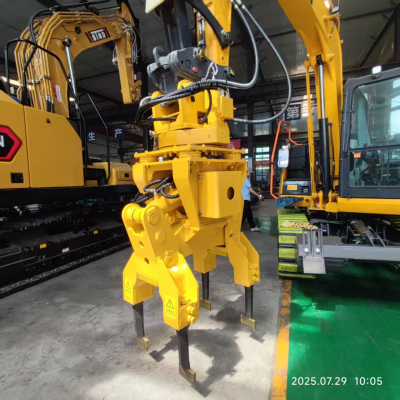
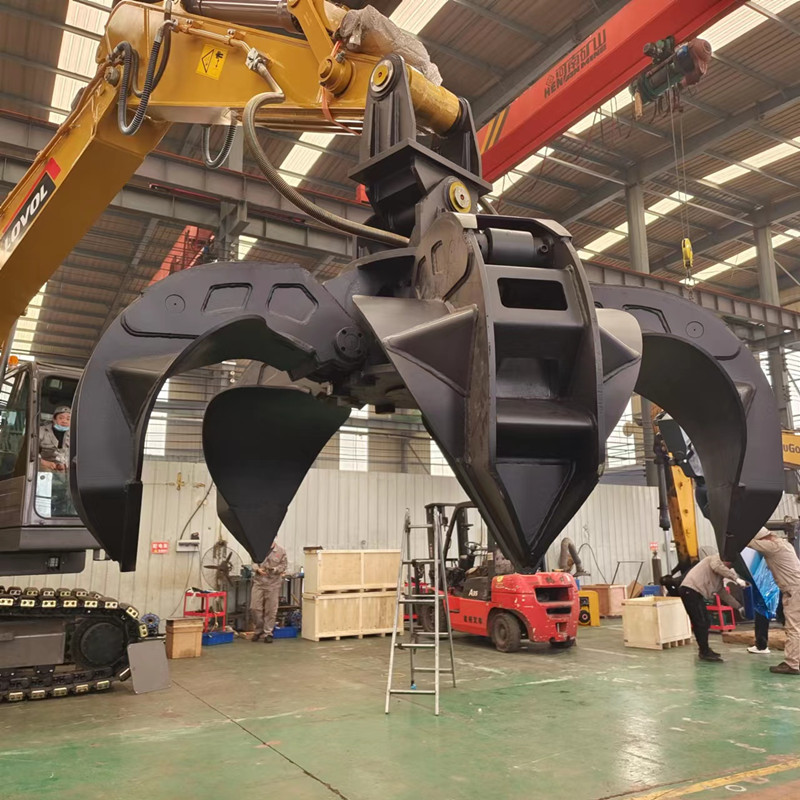
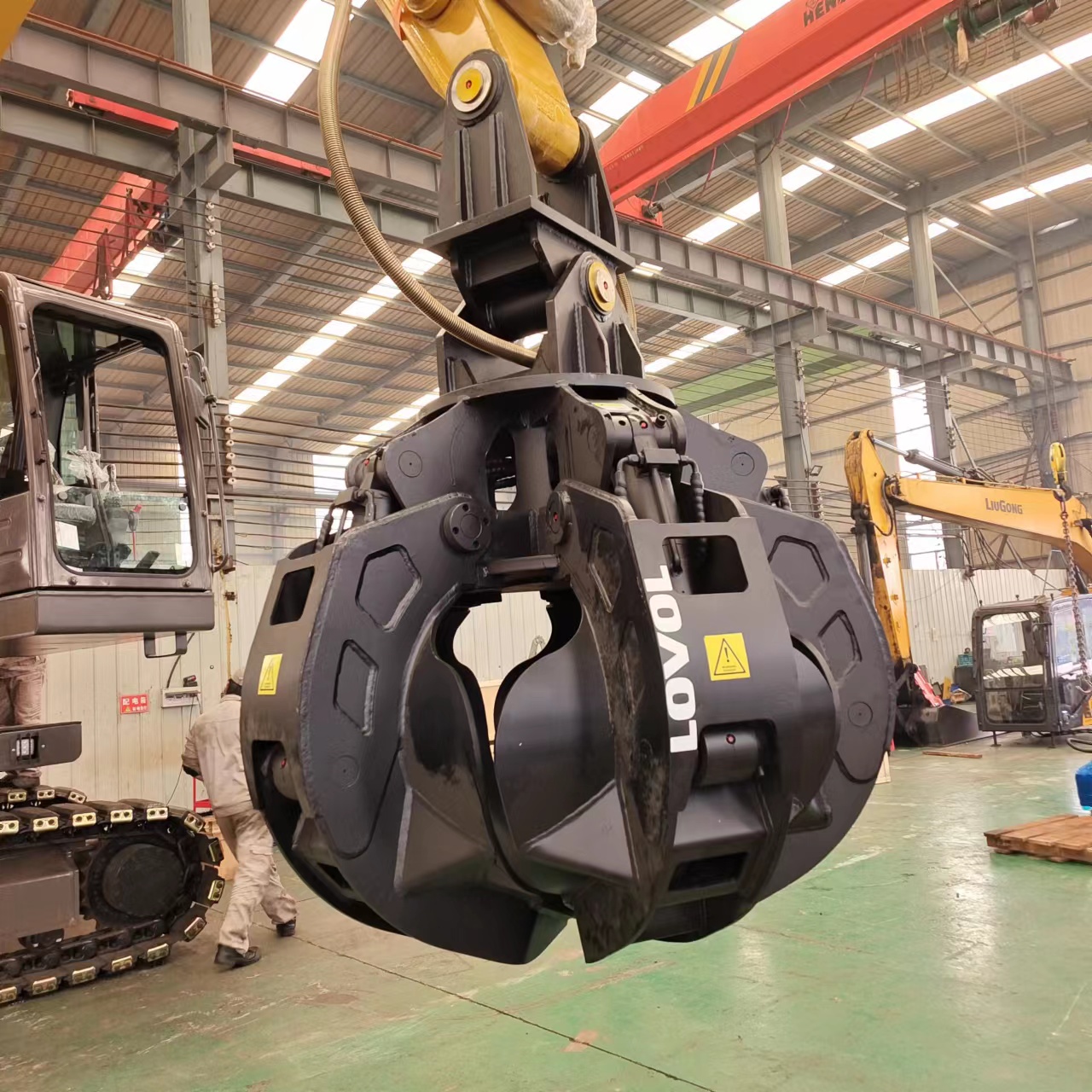
Scrap metalthe design will suffice for an excavator, which is designed to handle various materials. Its multiple adhesives, typically made from high-strength steel, allow for superior grip strength and flexibility. This design allows operators to efficiently sort mixed waste, easily separating valuable scrap metal from other materials. The tooth configuration also prevents small pieces from slipping, maximizing material retention during transport.
One of the outstanding features of modern scrap stamps is their ability to rotate 360 degrees. This rotation capability improves maneuverability, allowing operators to handle oddly positioned materials without repositioning the excavator itself. The grip design also includes strategically placed wear plates, extending the life of the fixture even in harsh operating conditions.
Clamshell Bucket: Precision digging and material handling
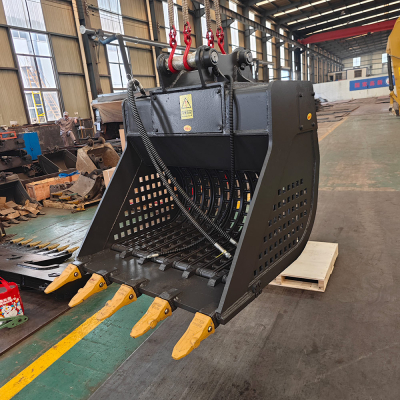
In contrast, a clam bucket has a two-part "clam" design that opens and closes vertically. This configuration excels in precise digging and handling of loose materials such as sand, gravel or grain. The bucket's shape allows for clean, vertical cuts in excavation projects, making it invaluable in trenching and foundation work.
Buckets containing clams often have jagged edges, which increases their ability to bite into tougher materials. Some models also feature a perforated design that allows water to drain while preserving solid materials—a crucial feature in dredging operations. Bucket capacity can vary greatly, offering options for both small-scale precision work and large-volume material transfer.
hydraulic systems: power supply for excavators
Both the scrap grab and the scrap bucket rely on complex hydraulic systems to operate. These systems provide the power and precision needed to efficiently process materials. In stamps, hydraulics control the opening and closing of the stamps, as well as the rotation mechanism. For a clam bucket, hydraulics control the opening, closing, and sometimes kayaking of the bucket.
Advanced hydraulic systems in modern mounts often include load sensing technology. This feature adjusts hydraulic pressure based on the material being processed, optimizing energy consumption and reducing equipment wear. Some systems also offer regenerative hydraulics, which recycle hydraulic fluid during operation, increasing efficiency and reducing heat generation.

Material processing
Scrap Grapple: Ideal for bulky and irregular materials
The scrap metal of the excavator shines,when it comesIt can handle bulky and irregular materials. Its design allows it to easily grip and handle large pieces of scrap metal, demolition debris, and mixed waste. This versatility makes it an indispensable tool in recycling yards, demolition sites, and waste disposal facilities.
When recycling scrap metal, a grabber's ability to quickly sort mixed materials can significantly improve productivity. Operators can easily separate valuable metals from other waste, streamlining the recycling process. A strong grip also ensures safe handling of heavy, awkward loads, reducing the risk of material falls and improving workplace safety.
Clamshell Bucket: Precise Management of Loose Materials
Where the clam bucket excels is in its handling of loose, granular materials. Its collection action is ideal for tasks such as loading sand onto trucks, loading rivers, or processing grain in agricultural settings. The bucket's design allows for precise control of the amount of material collected, making it ideal for applications where accurate measurements are critical.
In construction, clam buckets are often used to dig deep, narrow holes or trenches. Their vertical digging allows them to reach depths that may be challenging for a traditional bucket excavator. This makes them especially useful in urban construction projects where space is limited and precise excavation is required.
Comparison of efficiency in waste management
When it comes to waste disposal, both attachments have their strengths. The rake's ability to sort and separate materials makes it invaluable in recycling operations. It can quickly sift through mixed waste, recovering recyclable metals and other valuable materials. This sorting capability can significantly reduce the time and labor required in recycling facilities.
Clam buckets, although less suitable for sorting, differ in the handling of homogeneous waste. For example, in landfills, they can efficiently move large volumes of soil for daily coverage. Their precise control also makes them useful for handling potentially hazardous materials where spillage must be kept to a minimum.
Material processing
Scrap Grapple: Ideal for bulky and irregular materials
The scrap metal of the excavator shines, when it comesreachesto handling bulky and irregular materials. Its design allows it to easily grip and handle large pieces of scrap metal, demolition debris, and mixed waste. This versatility makes it an indispensable tool in recycling yards, demolition sites, and waste disposal facilities.
When recycling scrap metal, a grabber's ability to quickly sort mixed materials can significantly improve productivity. Operators can easily separate valuable metals from other waste, streamlining the recycling process. A strong grip also ensures safe handling of heavy, awkward loads, reducing the risk of material falls and improving workplace safety.
Clamshell Bucket: Precise Management of Loose Materials
Where the clam bucket excels is in its handling of loose, granular materials. Its collection action is ideal for tasks such as loading sand onto trucks, loading rivers, or processing grain in agricultural settings. The bucket's design allows for precise control of the amount of material collected, making it ideal for applications where accurate measurements are critical.
In construction, clam buckets are often used to dig deep, narrow holes or trenches. Their vertical digging allows them to reach depths that may be challenging for a traditional bucket excavator. This makes them especially useful in urban construction projects where space is limited and precise excavation is required.
Comparison of efficiency in waste management
When it comes to waste disposal, both attachments have their strengths. The rake's ability to sort and separate materials makes it invaluable in recycling operations. It can quickly sift through mixed waste, recovering recyclable metals and other valuable materials. This sorting capability can significantly reduce the time and labor required in recycling facilities.
Clam buckets, although less suitable for sorting, differ in the handling of homogeneous waste. For example, in landfills, they can efficiently move large volumes of soil for daily coverage. Their precise control also makes them useful for handling potentially hazardous materials where spillage must be kept to a minimum.