
What materials are used to make a railway ballast excavator?
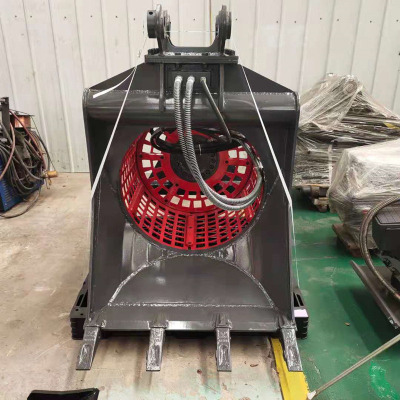
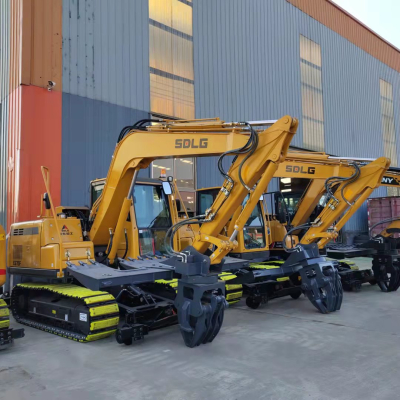
Railway ballast excavatorsMainly manufactured using high-strength steel and wear-resistant alloys. Critical to railway maintenance, these specialized machines incorporate a mixture of materials designed to withstand the rigors of ballast excavation and cleaning. The combination of durable steel frames, fixed cutting edges and advanced composite materials ensures optimal performance.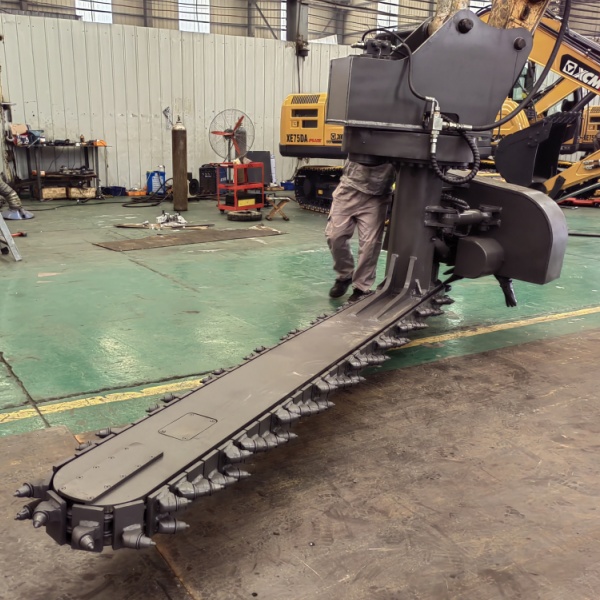
performance in difficult railway conditions. Let's dive into the key materials that make these powerful machines so effective in maintaining our rail infrastructure.
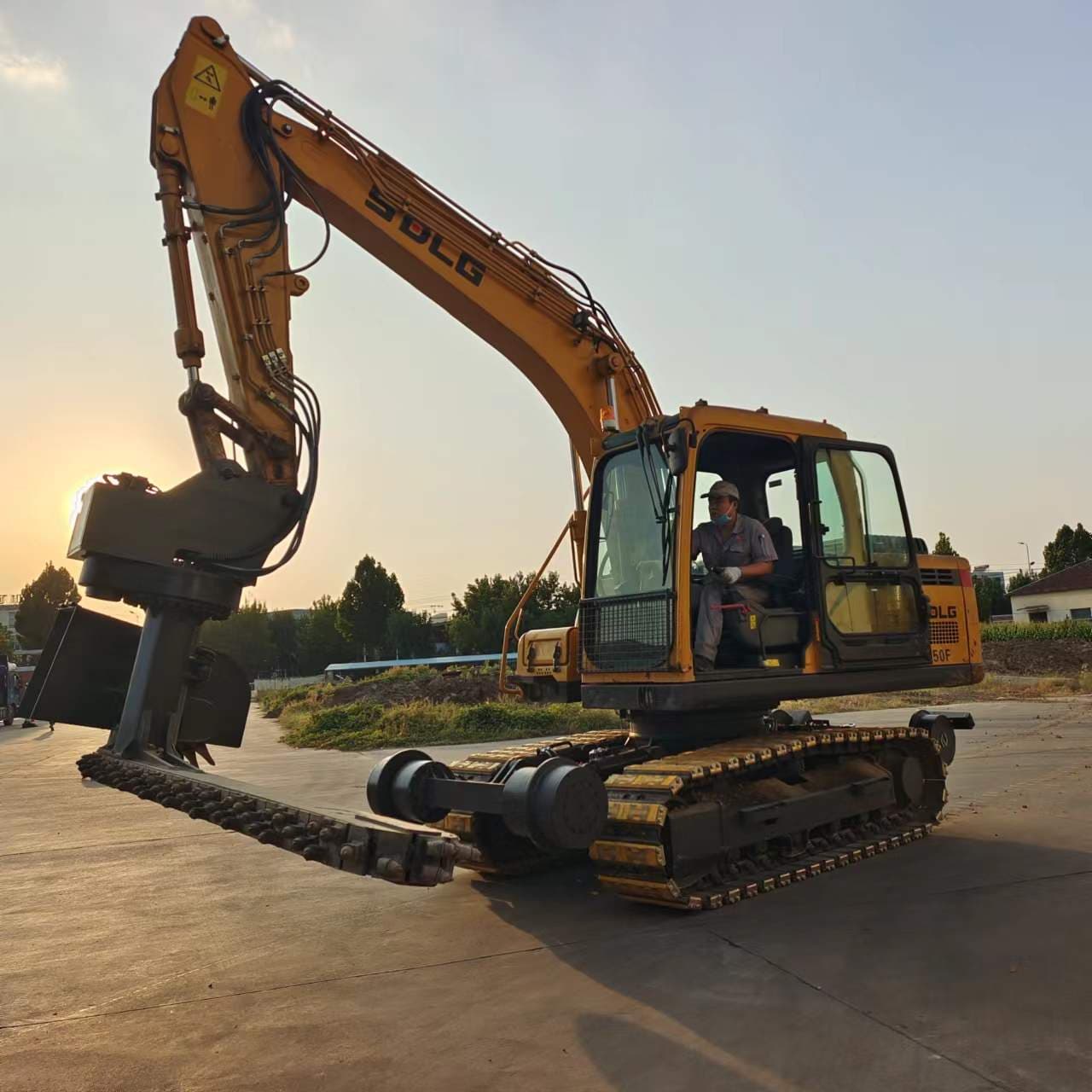
Key materials in the scorer design: high-strength steel and wear-resistant alloys
Steel grades for optimum strength to weight ratio
The basis of anyrailway ballast excavatoris its steel frame. Manufacturers carefully select high-strength steel grades that offer the ideal balance between durability and weight. These steels typically include alloys such as ASTM A572 Grade 50 or equivalent, known for their excellent strength-to-weight ratio. This feature is critical for scorers to create a robust machine that can withstand the stresses of ballast excavation without becoming too heavy for rail transport.
The use of advanced high strength steels (AHSS) is becoming more common in modern scoring designs. These steels, with tensile strengths greater than 550 MPa, provide increased structural integrity while reducing weight. This leads to increased fuel efficiency and reduced rail wear during operation and transportation of the cutter.
Resistant alloys for critical components
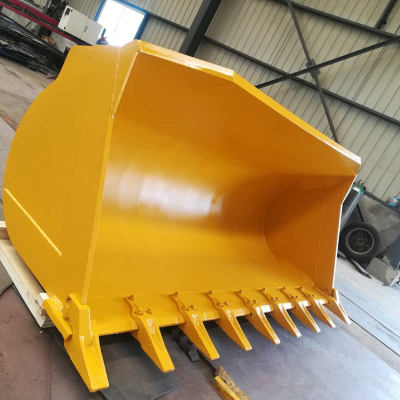
The cutting edges and excavating components of ballast scorers face extreme abrasion and impact forces. To combat this, manufacturers use wear-resistant alloys such as manganese steel or chromium-molybdenum. These materials exhibit exceptional hardness and strength, significantly extending the life of critical parts.
For example, a cutting chain that is in direct contact with ballast often uses manganese steel links with hardness values in excess of 500 HBW (Brinell hardness). This ensures that the chain maintains its integrity even when dealing with rough corner ballast materials. Likewise, buckets or paddles that collect and transport excavated ballast are usually lined with abrasion-resistant plates made from materials such as Hardox or equivalent, offering a hardness of up to 600 HBW.
Composite materials for improved performance
While steel and alloys form the core of trimmer design, composite materials are increasingly playing a vital role in improving productivity. Fiber-reinforced polymers (FRPs) are used in load-bearing components to reduce weight without sacrificing strength. These materials are finding applications in areas such as control cabins, protective covers, and even some conveyor systems.
Advanced composites, such as carbon fiber-reinforced polymers (CFRP), are being explored for use in boom structures and excavator arms. Their high strength-to-weight ratio and excellent fatigue resistance make them attractive alternatives to traditional steel components, potentially revolutionizing undercutting machine design in the coming years.
Durability Test: Material Choice Affects Durability
Durability of high-strength steels
Duration railway ballast excavators largely dependent on the fatigue resistance of their primary structural materials. The high-strength steels used in these machines are subjected to rigorous fatigue testing to ensure they can withstand the cyclic stress experienced during operation. Manufacturers often use techniques such as shotgunning to improve the fatigue life of critical components.
Research has shown that high-strength steels with carefully controlled microstructures can achieve fatigue limits in excess of 400 MPa. This means that scorers can operate for thousands of hours without significant structural degradation. Using advanced finite element analysis (FEA) during the design phase helps identify potential stress concentration points, allowing engineers to optimize material distribution and further improve fatigue resistance.
Corrosion protection for extended service life
Given the harsh operating conditions of ballast scorers, corrosion protection is of paramount importance to ensure long-term durability. Manufacturers use various strategies to protect machine components from corrosive elements. Hot-dip galvanizing is commonly used for large steel structures, providing a zinc coating that provides both barrier and cathodic protection.
For more specialized components, advanced coating systems are used. These may include zinc-rich epoxy primers followed by polyurethane topcoats offering excellent corrosion resistance and ultraviolet stability. Some manufacturers are also exploring the use of thermal spray aluminum (TSA) coatings, which can provide superior long-term protection in particularly harsh environments.
Effect of material selection on maintenance intervals
The choice of materials directly affects the maintenance requirements of ballast scorers. By using high-performance alloys and composites, manufacturers can significantly extend the intervals between major maintenance activities. For example, using self-lubricating bearings made from advanced polymer composites can reduce the frequency of lubrication and potentially eliminate certain maintenance tasks entirely.
In addition, the implementation of modular designs with easily replaceable wear components allows for quick and efficient maintenance. This approach, combined with the use of highly wear-resistant materials, can reduce downtime and improve the overall operating efficiency of your scorer fleet.
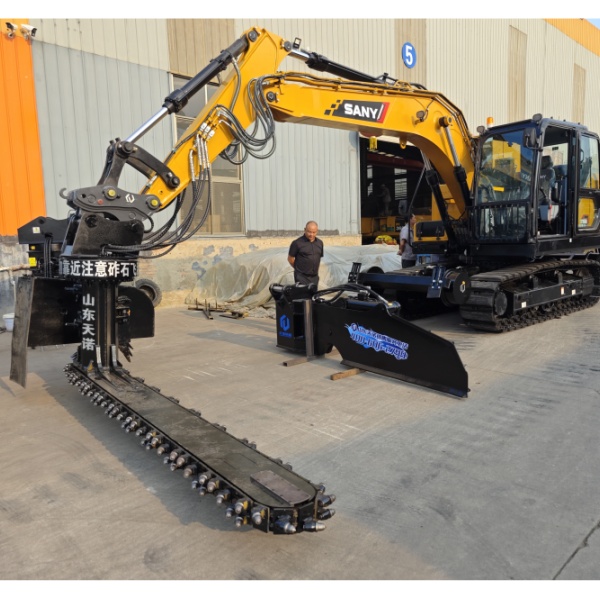
Materials Innovation: The Future of Scorer Technology
Nanotechnology in ballast materials
Integrating nanotechnology into materials science opens new frontiersfor railway ballast excavators. Nanostructured materials such as nanocrystalline steels offer unprecedented combinations of strength and toughness. These materials could potentially revolutionize the design of cutting edges and wear surfaces, providing exceptional durability in a lighter package.
Nanomaterials are also being explored for their potential in creating self-healing coatings. These advanced coatings can automatically repair minor damage, significantly extending the life of components exposed to harsh conditions. Incorporating carbon nanotubes into composite materials is another area of research that promises to improve the strength and conductivity of non-metallic parts used in scorer construction.
Smart materials for self-monitoring scorers
The future of ballast scorer technology may lie in the development of smart materials that can self-monitor and adapt to changing conditions. Piezoelectric materials embedded in critical components can provide real-time voltage and strain data to enable predictive maintenance and optimized performance. Shape memory alloys (SMAs) are being explored for their potential in creating adaptive structures that can change shape or stiffness in response to different loads or temperatures.
In addition, the integration of fiber optic sensors into composite structures offers the possibility of continuous condition monitoring. This technology could allow trimmers to detect and report potential problems before they cause failures, dramatically improving safety and reliability in railroad maintenance operations.
Eco-friendly materials in sustainable trimmer design
As environmental concerns become more prominent, the railroad industry is exploring more sustainable materials for undercut construction. Bio-based composites derived from renewable sources are being developed as alternatives to traditional petroleum-based polymers. These materials may find use in non-structural components, reducing the overall environmental impact of scoring products.
Recycled materials also gain traction in the scorer's design. Advanced metallurgical processes now make it possible to produce high-quality steels from recycled scrap, reducing the need for virgin raw materials. Some manufacturers are experimenting with using recycled rubber from discarded tires in vibration-damping components, further promoting the circular economy.
The materials used in railway ballast shovels represent the culmination of advanced engineering and materials science. From high-strength steels to wear-resistant alloys and innovative composites, every component is carefully selected to ensure optimal performance and durability. As technology continues to advance, we can expect even more sophisticated materials to improve the efficiency, durability and sustainability of these vital machines in railway maintenance applications. The future of trimmer technology looks promising, with smart materials and eco-friendly options paving the way for more advanced and environmentally conscious management of rail infrastructure.