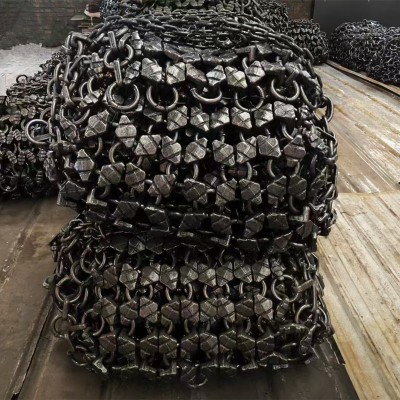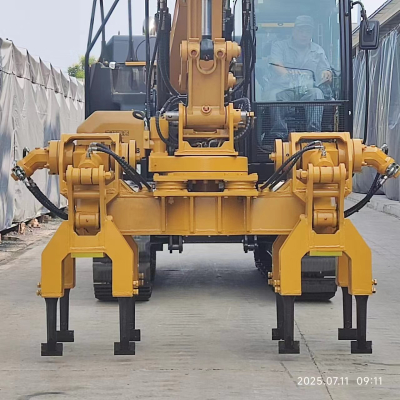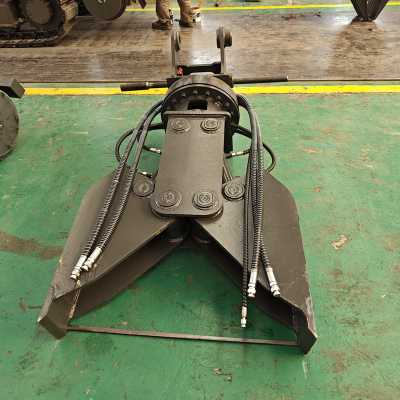

How is a ballast plough used in track maintenance?
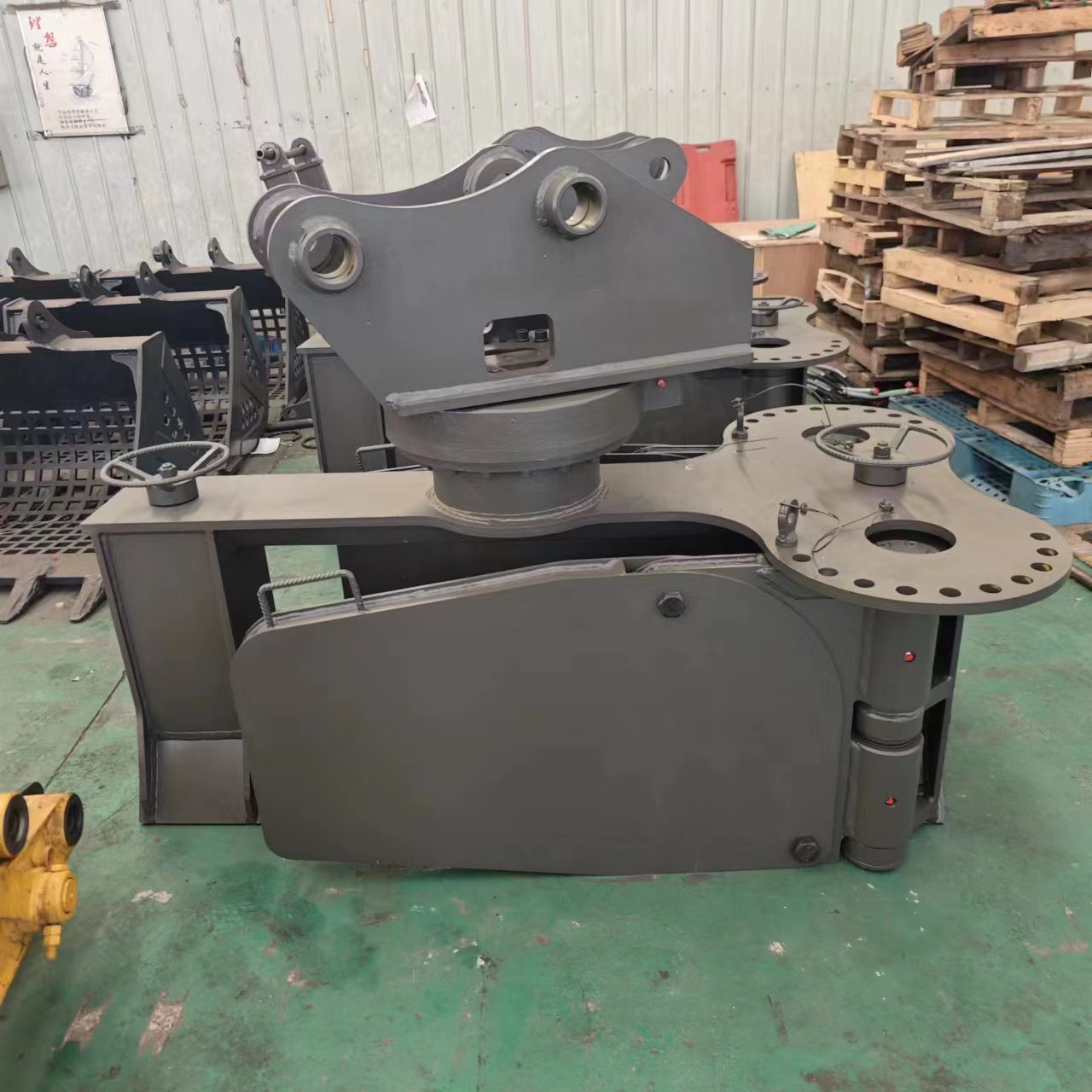
Ballast plow - an indispensable tool for track maintenance, designed for redistributing and leveling crushed stone along railway tracks. This specialized equipment plays a critical role in maintaining the stability, drainage, and overall integrity of railroad infrastructure. It effectively moves excess crushed stone from the center of the track to the shoulders, ensuring proper distribution and support of the rails and sleepers. By effectively managing crushed rock, these plows help prevent track settlement, improve drainage and extend the life of railway systems, making them indispensable in modern maintenance practices.
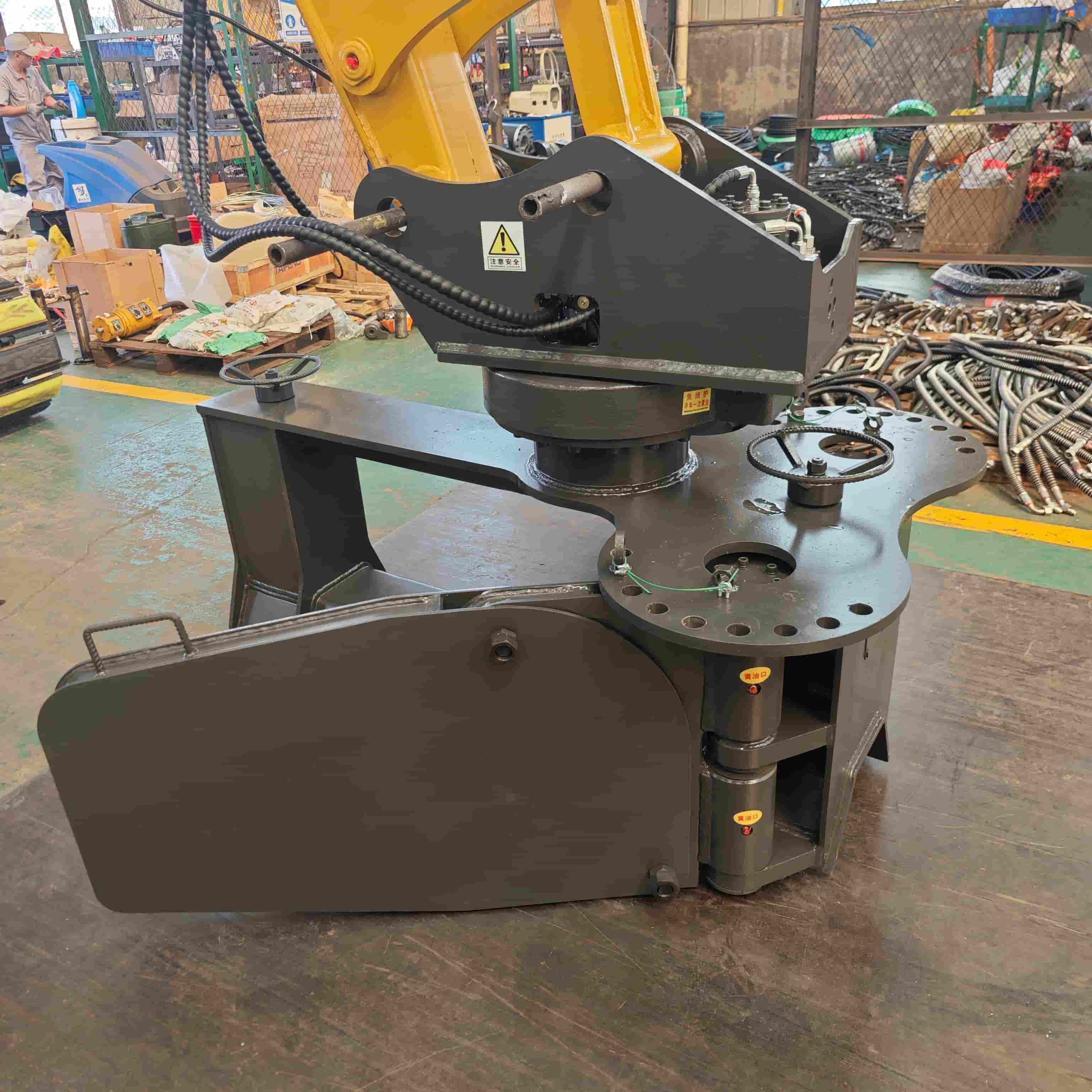
Step-by-step guide to ballast cleaning procedures
Preparing the way for ballast cleaning
Before commencing ballast cleaning, careful preparation is essential. Begin with a comprehensive track inspection to identify areas requiring attention. This includes assessing the condition of the ballast, identifying any irregularities in the track geometry, and marking areas requiring special attention during cleaning.
Next, clear the path of debris and obstacles that could interfere with the cleaning process. This step is crucial to ensure smooth operation and prevent damage to equipment. It's also important to coordinate with other maintenance crews to ensure there are no other work items in the path that could interfere with the cleaning process.
Adjust settingsballast plowAccording to the specific requirements of the track section. This includes setting the correct height and angle of the moldboard to achieve the desired ballast profile. Keep in mind that different track sections may require different plow configurations depending on factors such as the curve radius, superelevation, and the condition of the existing ballast.
Ballast Plow Operation: Safety Methods and Measures
During operation ballast plow Maintain a constant speed to distribute the ballast evenly. The optimal speed is typically between 5 and 10 mph (8.5 and 16 km/h), depending on track conditions and equipment characteristics. Closely monitor the plow's operation, making real-time adjustments based on ballast density or track geometry.
Safety is paramount when operating a plow. Ensure all crew members are equipped with the necessary personal protective equipment (PPE) and are trained in safety procedures. Maintain clear communication between the plow operator and ground personnel to promptly resolve any issues that may arise during operation.
Be aware of potential obstacles such as switches, crossings, and bridge approaches. These areas may require special maintenance or manual intervention to prevent damage to the track infrastructure. Always follow established safety regulations and work procedures to minimize risks and ensure effective cleanup.
Check and adjust after plowing to achieve optimal results
After completing plowing, conduct a thorough inspection. This includes walking the path to visually assess the profile and distribution of ballast. Note any areas where the ballast may be unevenly distributed or where additional attention may be needed.
Use track geometry measuring devices to ensure that plowing has achieved the desired cross-section and alignment. Mark any areas that may require additional passes or manual adjustments. It is crucial to ensure that the ballast shoulder is formed correctly and that there is sufficient ballast in the areas between the sleepers.
Based on the inspection results, make any necessary adjustments. This may include spot compaction to eliminate localized unevenness or manual redistribution of ballast in areas where the plow was unable to effectively reach. The goal is to achieve a uniform ballast profile that ensures track stability and proper drainage.
Integration of plowing into comprehensive track maintenance
Coordinating ballast cleaning activities with other maintenance activities
Effective track maintenance requires a comprehensive approach, with ballast cleaning playing a key role in the overall maintenance strategy. Coordinate cleaning with other critical maintenance activities to maximize efficiency and minimize track downtime. For example, schedule cleaning in conjunction with sleeper replacement or rail grinding to address multiple track maintenance tasks simultaneously.
Integrate ballast cleaning into your predictive maintenance program. By analyzing track geometry data and maintenance history, you can proactively identify areas requiring cleaning before problems become more serious. This proactive approach helps prevent track defects and reduces the need for emergency maintenance.
Consider the seasonality of plowing. In regions with harsh winters, schedule the main plowing operations for the warmer months to ensure optimal working conditions and pliability of the aggregate. However, be prepared for emergency clearing if necessary, especially after severe weather conditions that could disrupt the distribution of aggregate.
Planning plowing operations to minimize disturbances
To minimize disruption to rail traffic, carefully plan the timing of track clearance work. Use open track periods or scheduled maintenance periods to carry out track cleaning work without disrupting train schedules. Depending on your railroad's train schedule, this may involve working at night or on weekends.
Implement a phased approach to large-scale clearance projects. Break the work into manageable steps that can be completed within the allotted time. This strategy allows you to allocate resources more efficiently and solve the highest priority tasks first, while maintaining the overall functionality of the network.
Use technology to optimize your schedule. Use digital planning tools and real-time tracking systems to coordinate track clearing activities with train movements, ensuring efficient use of track access time and compliance with safety protocols.
Combination of plowing with compaction and leveling
For comprehensive track maintenance, it is recommended to combine ballast cleaning with compaction and leveling. This integrated approach ensures proper compaction of redistributed ballast and optimal track geometry. First, the ballast must be cleaned, then compacted to compact it under the sleepers, and finally dynamic track stabilization to settle the compacted track.
When combining these procedures, special attention should be paid to the sequence of operations. Plowing should precede compaction to ensure sufficient ballast for the compactor. After compaction, a final light pass with the rammer will help achieve the desired ballast profile and clear excess material from the rail pads.
Monitor the effectiveness of this combined approach through regular track geometry measurements. This data will help you refine your maintenance strategies over time, optimizing the frequency and intensity of cleaning, compaction, and leveling based on observed track characteristics and wear rates.
Best practices for maximizing ballast plow efficiency
Selecting the Right Ballast Plow for Your Path Condition
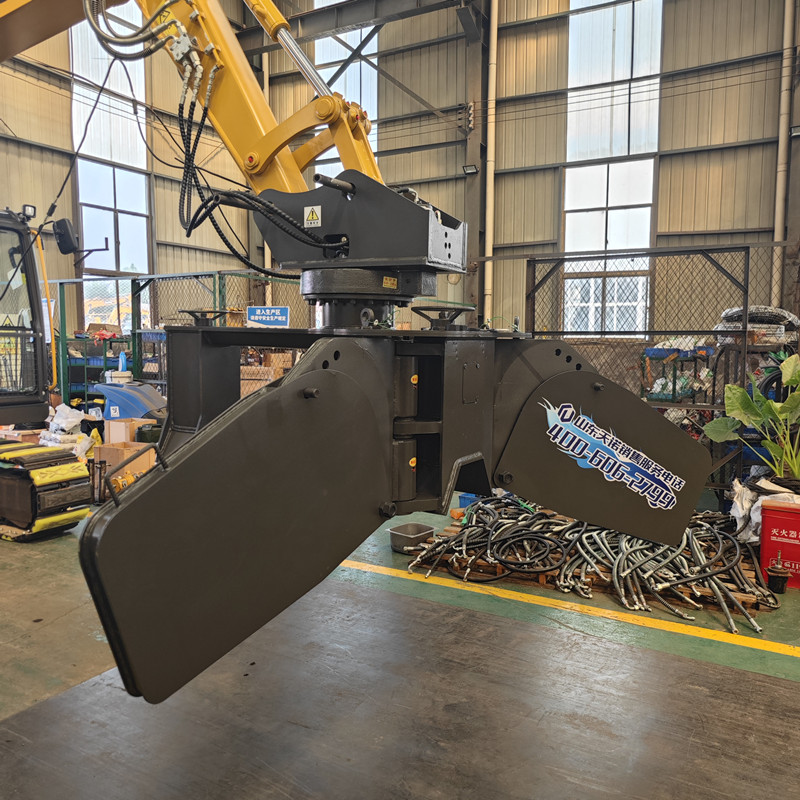
Choosing the right oneballast plow critical to achieving optimal track maintenance results. When choosing a plow, consider factors such as track width, type of ballast, and typical maintenance issues. For standard gauge tracks, a universal plow with adjustable wings and blades provides flexibility to handle a variety of ballast types and track geometries.
In areas with heavy dirt or ballast compaction, choose plows equipped with ripper teeth. They can loosen compacted ballast, improving drainage and extending the intervals between complete ballast cleaning operations. For high-speed rail lines, choose plows designed to operate at higher speeds without sacrificing accuracy, allowing for more efficient service when track ownership is limited.
Consider the power source and mobility of the plow. Self-propelled units provide greater flexibility and can be quickly deployed to different locations, while plows mounted on larger maintenance vehicles can provide more power in challenging conditions. Assess your specific network needs and maintenance strategy to determine the most appropriate plow configuration.
Optimization of plow blade angles for efficient material distribution
The angle and position of the plow blades have a significant impact on the efficiency of ballast distribution. Experiment with different blade angles to find the best configuration for your path and ballast condition. In general, a steeper angle is more effective for moving large volumes of ballast, while a shallower angle provides more precise control and is suitable for finishing leveling.
Adjust blade height to provide proper clearance over sleepers while still moving ballast efficiently. Setting the blade too low can damage sleepers or rail fastenings; too high and the plow will become ineffective. Many modern plows are equipped with hydraulic adjustment systems, allowing operators to precisely adjust the blade position on the fly to suit changing track conditions.
On curved sections of the path, it is recommended to use plows with independently adjustable wings. This feature allows you to compensate for the slope of the curve, ensuring an even distribution of ballast on both the upper and lower sides of the track. Proper wing adjustment is critical to maintaining the correct ballast shoulder profile, which plays an important role in track stability and drainage.
Regular maintenance to extend the life of the plow
Develop a comprehensive maintenance schedule for your ballast plows to ensure longevity and peak performance. Routine inspections should include checking blade and fender wear, checking hydraulic systems for leaks and damage, and assessing the structural integrity of the plow frame. Correct any problems promptly to prevent minor problems from developing into major repairs or equipment failure.
Pay special attention to the cutting edges of the plow blades. These components are subject to the most wear and tear and may require frequent replacement or resurfacing. To increase service life, especially in abrasive ballast environments, it is recommended to use hardened steel or carbide-tipped blades. Rotate or rotate reversible blades regularly to ensure even wear and maintain optimal snow removal performance.
Lubricate all moving parts according to manufacturer's recommendations. This includes joints, hydraulic cylinder connections and any adjustable components. Proper lubrication reduces friction, prevents premature wear and ensures smooth operation of the plow. Additionally, keep your plow clean by removing accumulated ballast and debris after each use to prevent corrosion and maintain its performance.
Ballast cleaning is a critical component of effective track maintenance and plays a key role in ensuring the safety, efficiency and longevity of railway infrastructure. By following cleaning best practices, integrating cleaning into comprehensive maintenance strategies and optimizing equipment utilization, rail operators can significantly improve track performance and reduce long-term maintenance costs.