
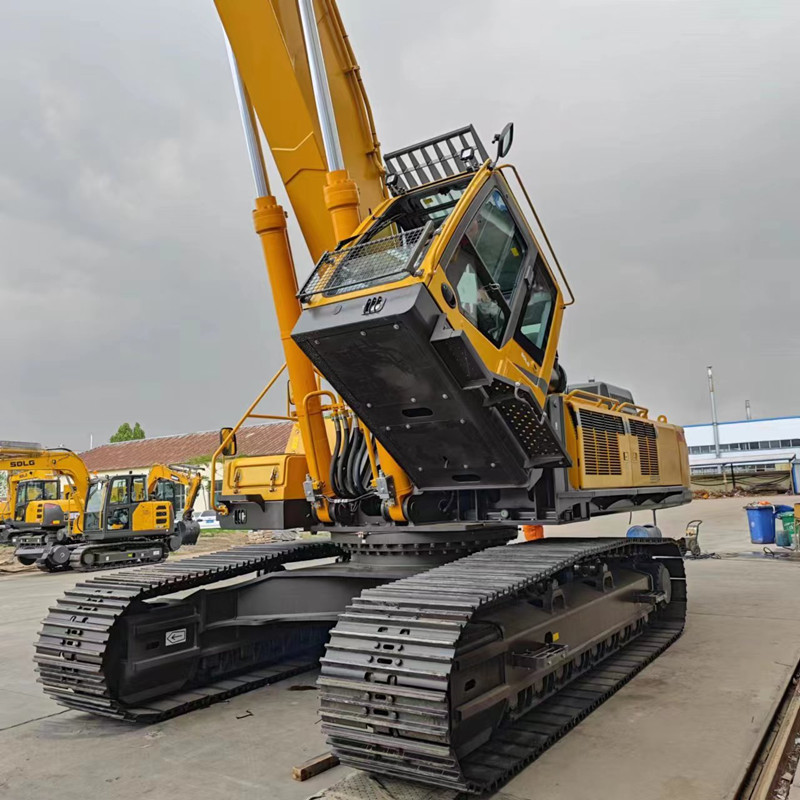
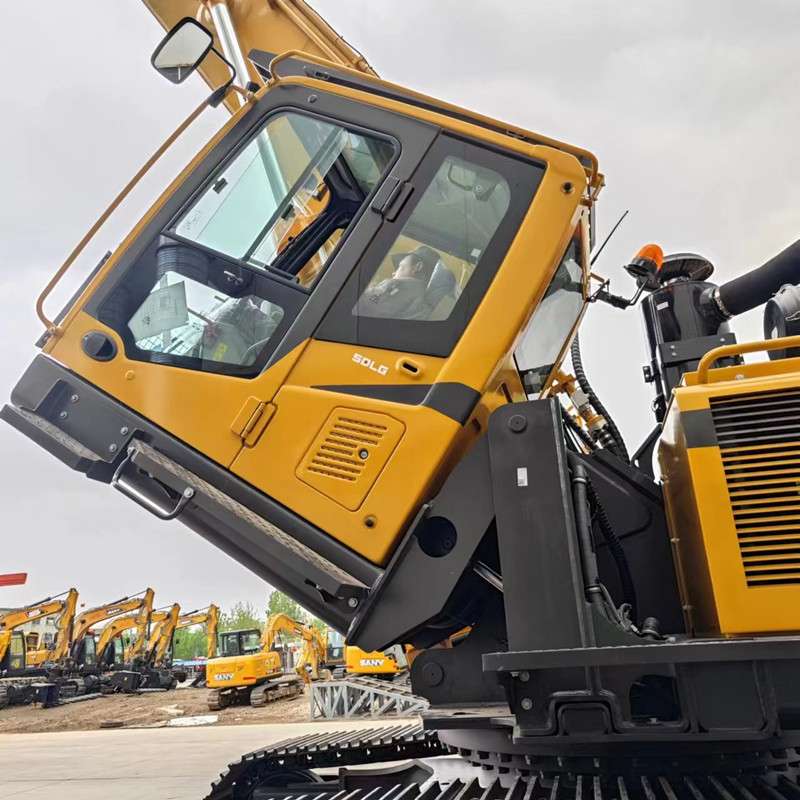
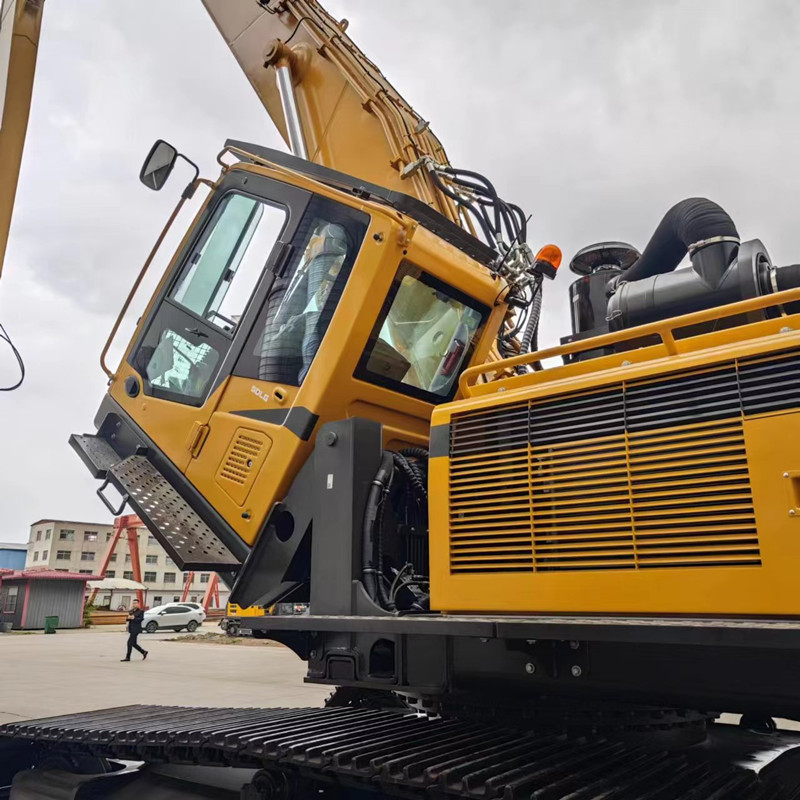
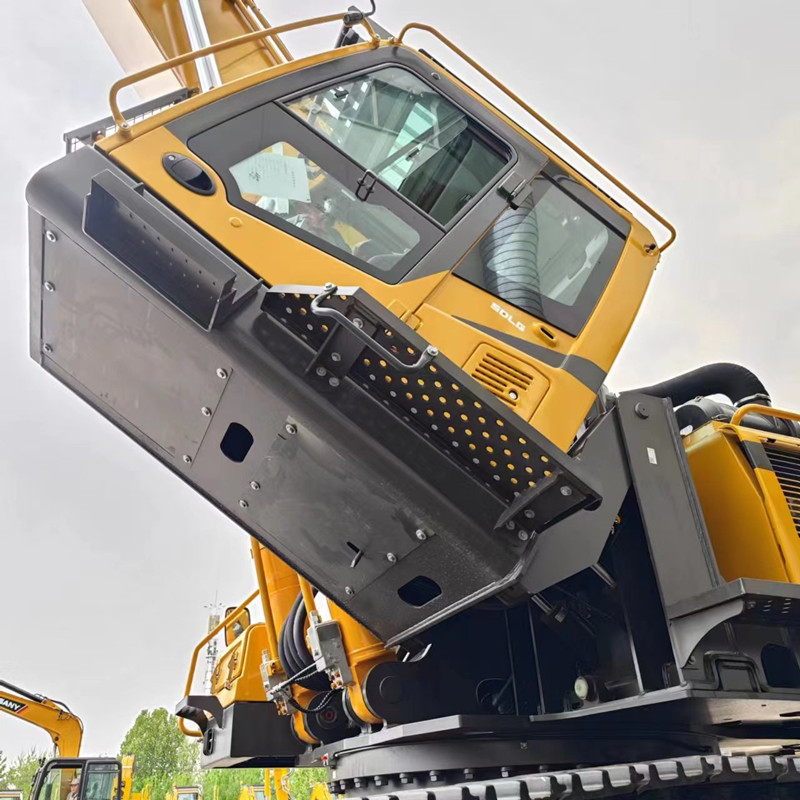
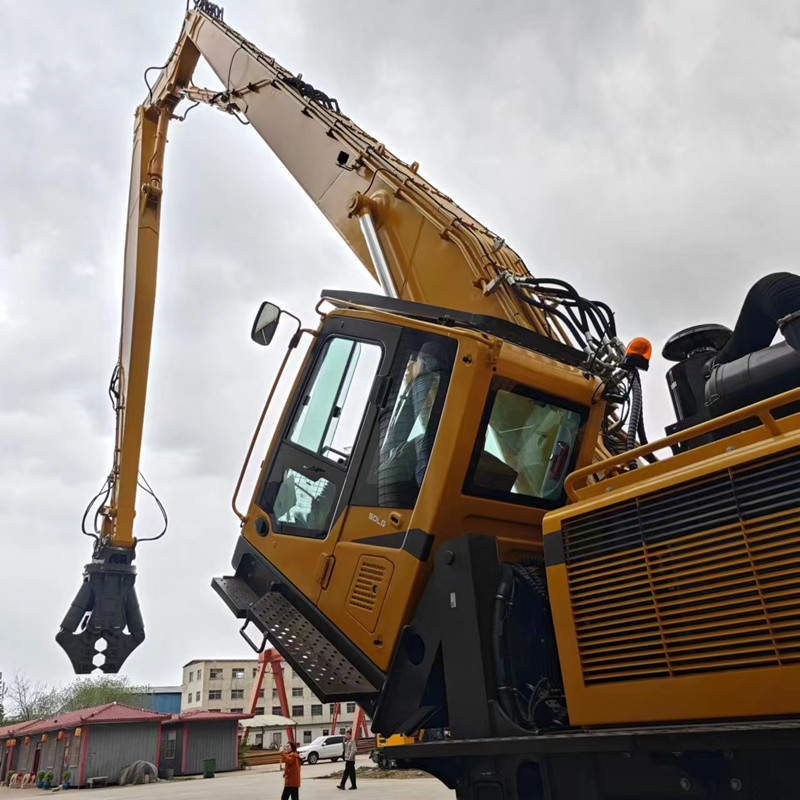
tilting excavator cabin
Flexibility of work:The 45° tilt of the cabin improves visibility and adapts to difficult conditions.
Fine tuning:change the angle of inclination for ease of work and improved line of sight.
Driver convenience:The tilt of the cabin facilitates visibility when working at height, preventing strain on the neck.
Reliability:The design protects the driver from injury, improving working conditions during the demolition of high-rise buildings.
Product Description
1.Product Review
The tilt excavator cabin is an adjustable cabin structure. The overall tilt of the cabin (usually forward or sideways) is achieved by hydraulic or mechanical devices, which is convenient for maintenance personnel to inspect the lower parts such as the engine and hydraulic system, which greatly reduces the difficulty of maintenance and improves work efficiency.
2. Main functions and characteristics
Tilt function:
The tilt angle is usually 20°~45°(depending on the model) and supports manual or hydraulic drive.
One-button operation can lock/unlock the tilt state, which is safe and convenient.
Safe design:
Equipped with hydraulic support bars or mechanical locking devices to prevent accidental falls.
Non-slip pedals and emergency release functions.
Ergonomic optimization:
Interior cabin equipment (such as joysticks and display screens) can still be used normally when tilted.
Additional air conditioner and dust-proof seal design to adapt to harsh working conditions

Application Scenario
1. Construction sites:
During the construction of high-rise building foundations, the elevating cabin can raise the operator's field of vision, avoid blind spots and accurately control the movement of the excavator boom (such as when digging a deep pit and constructing a pile foundation).
When cooperating with demolition work, directly observe the high-rise structure to improve the working accuracy of the hydraulic hammer.
2. Mining quarry:
In rocky mines, raising the cabin makes it easier to monitor the position of the loading vehicle and the ore stacking situation, reducing the risk of collision.
Adaptation to difficult terrain
3. Working on slopes/uneven surfaces:
Adjust the level of the cabin by raising and lowering it so that the operator is in a comfortable sitting position (for example, when constructing mountain roads and regulating river beds).
In swamps or on soft ground, avoid visual deviation caused by fuselage tilt.
4. Overcoming obstacles:
Temporarily raise the cab to cross ground obstacles such as pipes and cables to avoid equipment damage.
Maintenance and safety check
5. Quick inspection:
After lifting the cab, the chassis, engine or hydraulic system (such as replacing the filter element and checking the oil pipe) can be directly inspected without disassembling the entire cab.
6. Cleaning and maintenance:
Clear the underside of the cab of dirt, gravel, ice and snow to prevent corrosion and seizure of parts.
Special working conditions
7. Emergency rescue:
At the site of a flood or earthquake, raising the cabin can avoid the accumulation of water or debris while expanding the field of view for search and rescue operations.
8. Loading and unloading at the port:
Adjust the height to suit the operational requirements of the container or ship deck and precisely control the grab or clamp.