
How to choose the right size railroad excavator for your project?
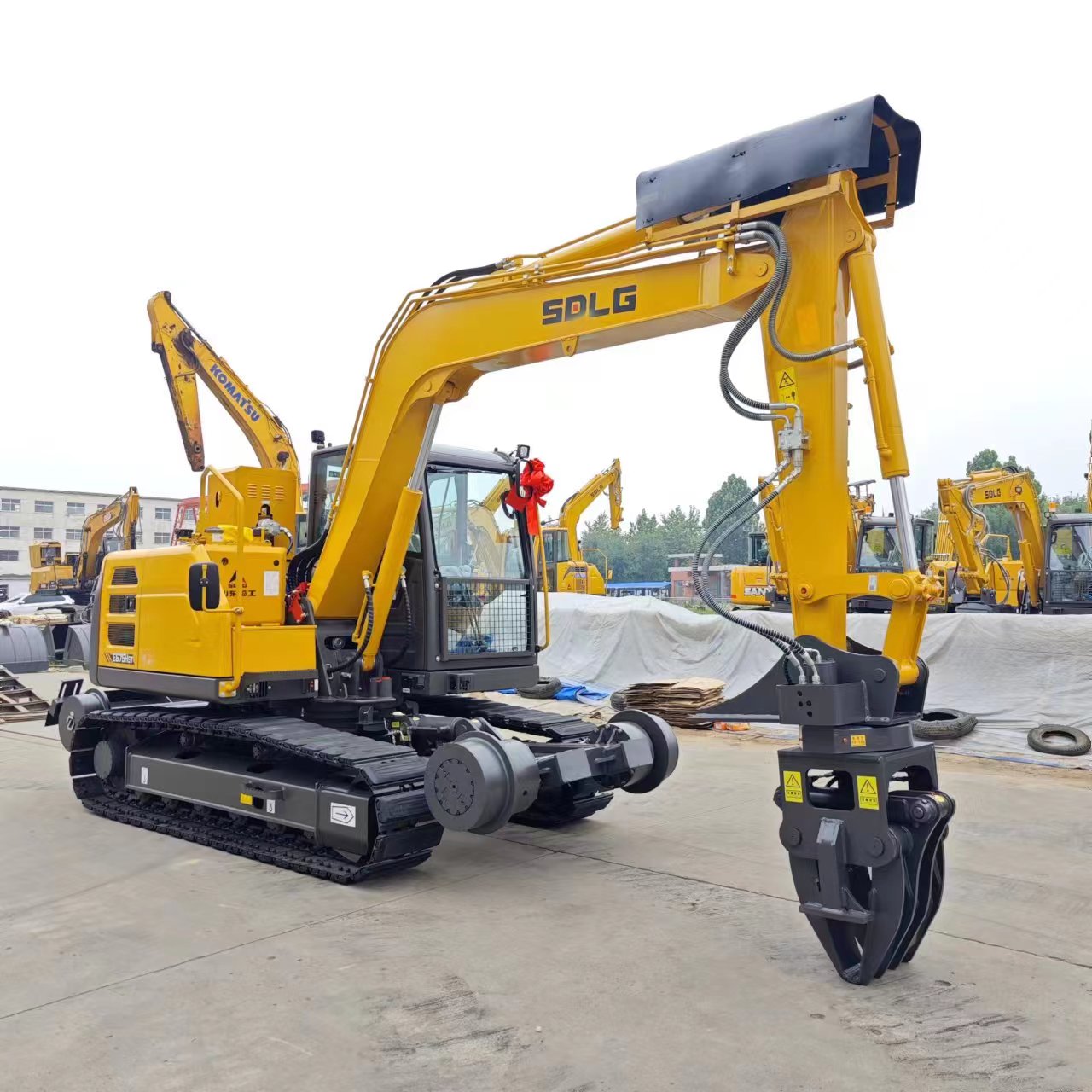
Choosing the right sizerailway excavatorExcavator size is a crucial step in railway construction and maintenance. Excavator size not only impacts construction efficiency and fuel consumption but is also directly related to construction safety. If the chosen model is too large, stability and cost may be compromised; excavators that are too small reduce operational efficiency and accelerate wear.
This article will explain how to choose the most appropriate size railroad excavator based on project needs, working environment, and accessories to help you find the best balance between efficiency and safety.
Determine the scope of the project
Before choosing a type, first of all, clearly understand your construction tasks and work environment.
Maintenance or construction?
If it is mainly used for ballast cleaning, sleeper replacement or drainage ditch cleaning and other maintenance tasks, the average 10-18 ton railway excavator is generally chosen.
In case of large-scale railway laying or railway reconstruction, it is recommended to use heavy excavators weighing 20 to 30 tons to cope with the higher work intensity and equipment requirements.
Workspace limitations:
In urban, tunnel or platform areas, small railway excavators under 10 tons have the advantages of small turning radius and flexible movement, suitable for working in narrow spaces.
The first step in determining excavator tonnage is to evaluate the jobsite, traffic conditions, and working radius.
The appropriate type of excavator according to the route conditions
The structure of a railway varies from railway system to railway system (freight, passenger, light rail, etc.), and the load-bearing capacity and stability of the railway determine the type and size of excavator used.
Track bearing capacity:
Heavy excavators require a stronger foundation. Before use, confirm that the track can bear the total weight of the equipment to avoid overload.
Earth stability:
If the backs are free or the ballast bed is free, it is recommended to use a lighter onerailway excavatorto reduce damage to the railway structure.
Road and rail compatibility:
If the equipment is equipped with a high rail system, it must be ensured that it is suitable for the type of rail and can be switched smoothly and safely onto the rail.
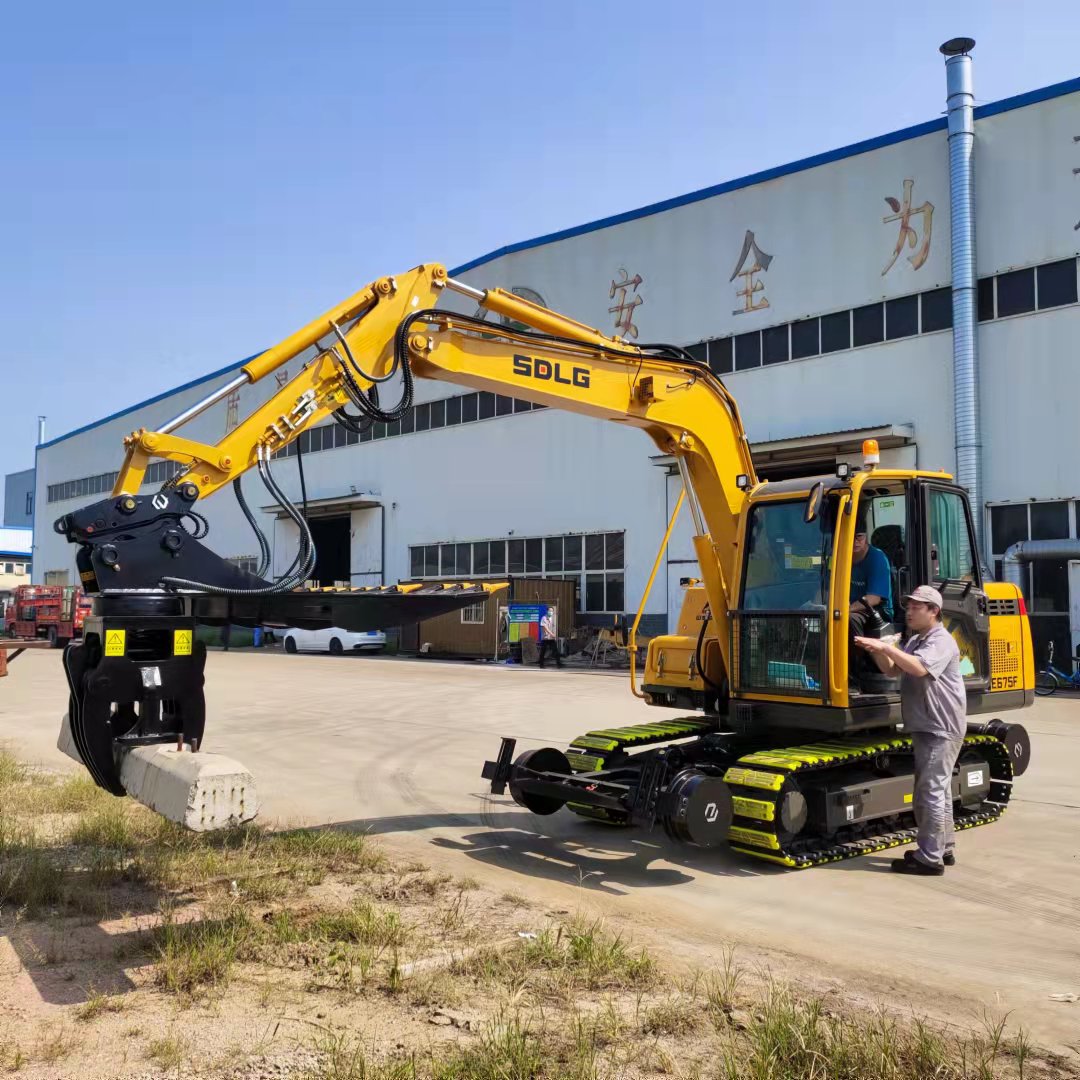
Select the appropriate tonnage according to operational demand
Different construction tasks have different lifting and working radius requirements, so the correct tonnage can be used safely and efficiently.
Lifting heavy objects:
When lifting rails, bends or steel beams, it is recommended to use heavy-duty railway excavators over 20 tons, equipped with a reinforced boom and a stable chassis.
Precision Construction:
If the task involves cleaning drainage ditches, excavating cable ducts, or light processing, medium excavators of 10-15 tons can be chosen for flexibility and lower energy consumption.
Remote work:
In cases where slope clearing, channel deepening or long distance haulage is required, extensions may be considered to expand the scope of work.railway excavatorswith outstretched arms.
Proper matching of tonnage to job type can significantly improve construction efficiency and equipment life.
Matches the hydraulic system to the requirements of accessories
The performance of railway excavators depends not only on the body design but also on the need for accessories. Different accessories have different hydraulic flow and pressure requirements.
Ballast formation and Tampers (Tampers, ballast regulators):
It belongs to high-load accessories, so it should be matched with a large excavator with high hydraulic flow and good system pressure stabilization performance.
Sleeper Clamp, Tiltrotor, Rotary Clamp:
Suitable for medium excavators with both clutch and mobility, suitable for track maintenance operations.
Screens, weeds, cutting machines:
It is recommended to use equipment equipped with a high flow hydraulic circuit to ensure continuous and stable power output.
Be sure to confirm the hydraulic requirements of the accessories when selecting a type to avoid system overload or excessive oil temperature.
Matches the hydraulic system to the requirements of accessories
Performancerailway excavatorsDepends not only on the body design but also on the need for accessories. Different accessories have different flow and pressure requirements for the hydraulic system.
Ballast formation and Tampers (Tampers, ballast regulators):
It belongs to high-load accessories, so it should be matched with a large excavator with high hydraulic flow and good system pressure stabilization performance.
Sleeper Clamp, Tiltrotor, Rotary Clamp:
Suitable for medium excavators with both clutch and mobility, suitable for track maintenance operations.
Screens, weeds, cutting machines:
It is recommended to use equipment equipped with a high flow hydraulic circuit to ensure continuous and stable power output.
Be sure to confirm the hydraulic requirements of the accessories when selecting a type to avoid system overload or excessive oil temperature.
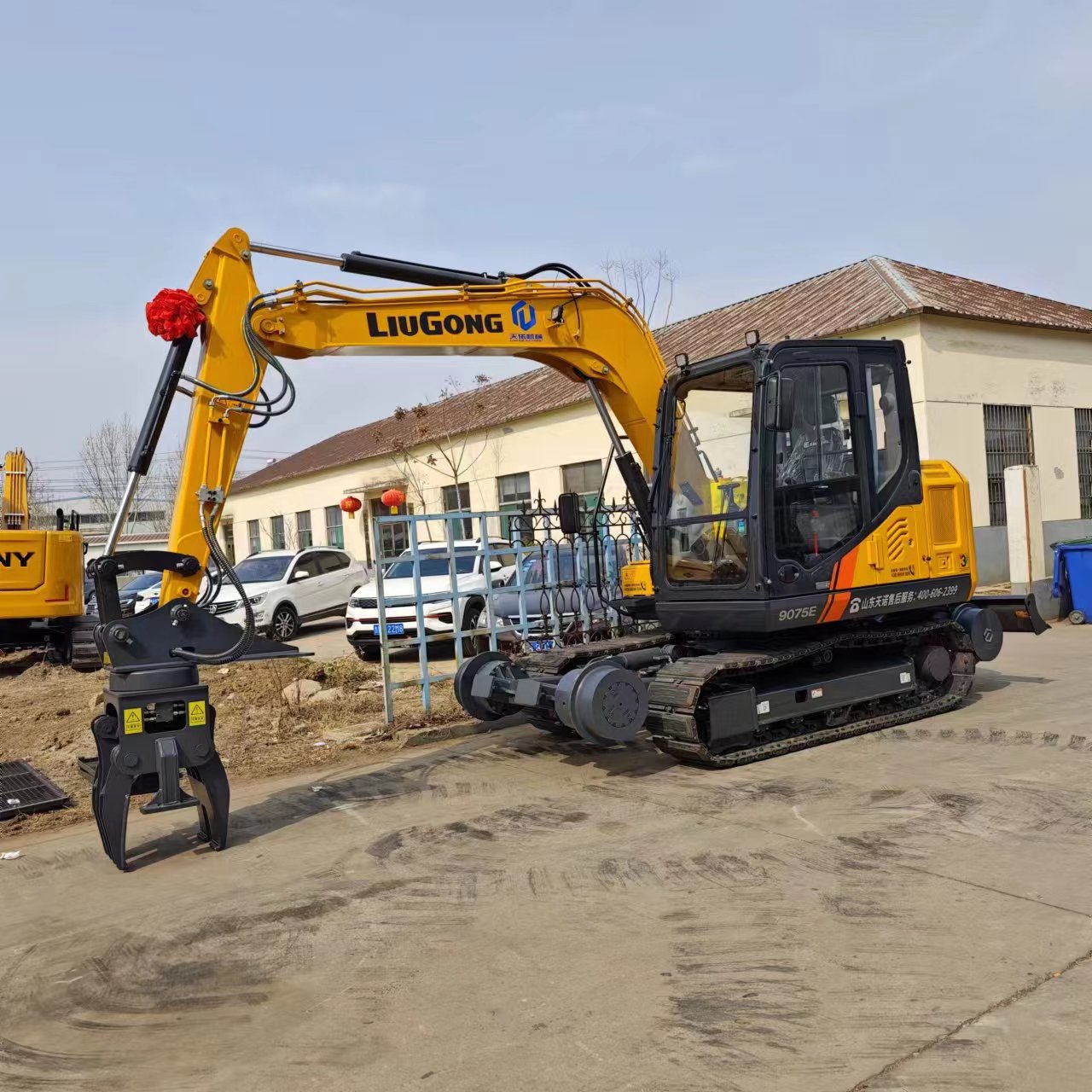
Balancing efficiency and transport costs
When selecting the size of an excavator, not only operating capacity but also transportation and operating costs should be taken into account.
Convenience of transport:
Rail excavators over 20 tons typically require special trailers or transport permits, while small and medium-sized equipment is easier to move.
Fuel efficiency:
Small equipment with low fuel consumption is suitable for light load and high frequency work.
Multifunctionality:
Medium excavators (around 15 tonnes) tend to be the best balance point, capable of handling heavy-duty tasks while also being flexible to tackle multiple scenarios.
Smart choices can reduce overall construction costs and improve equipment utilization.
Staff experience and safety factors
Even powerful onesrailway excavators may pose a safety hazard if not used correctly.
Difficulty of work:
Mid-sized equipment typically has smoother controls and is more responsive, suitable for operators of varying experience levels.
Security Configuration:
Stability monitoring system, overload alarm and panoramic visual cockpit are recommended to enhance operating safety.
Training and cooperation:
Operating large tonnage excavators requires professional training, especially when working on slopes, curves or narrow track sections.
Selecting the right railroad excavator for your project is key to balancing efficiency, safety, and cost. By analyzing the project scale, route conditions, accessory types, and operating requirements, you can find the most suitable model.
The right choice not only improves operational efficiency, but also extends equipment life, reduces maintenance costs and ensures construction safety.
Whether you are performing routine maintenance or railway construction, the right railway excavator is the foundation for the success of your project.