
What is a Railroad Excavator: The Ultimate Guide to Rail Maintenance Efficiency
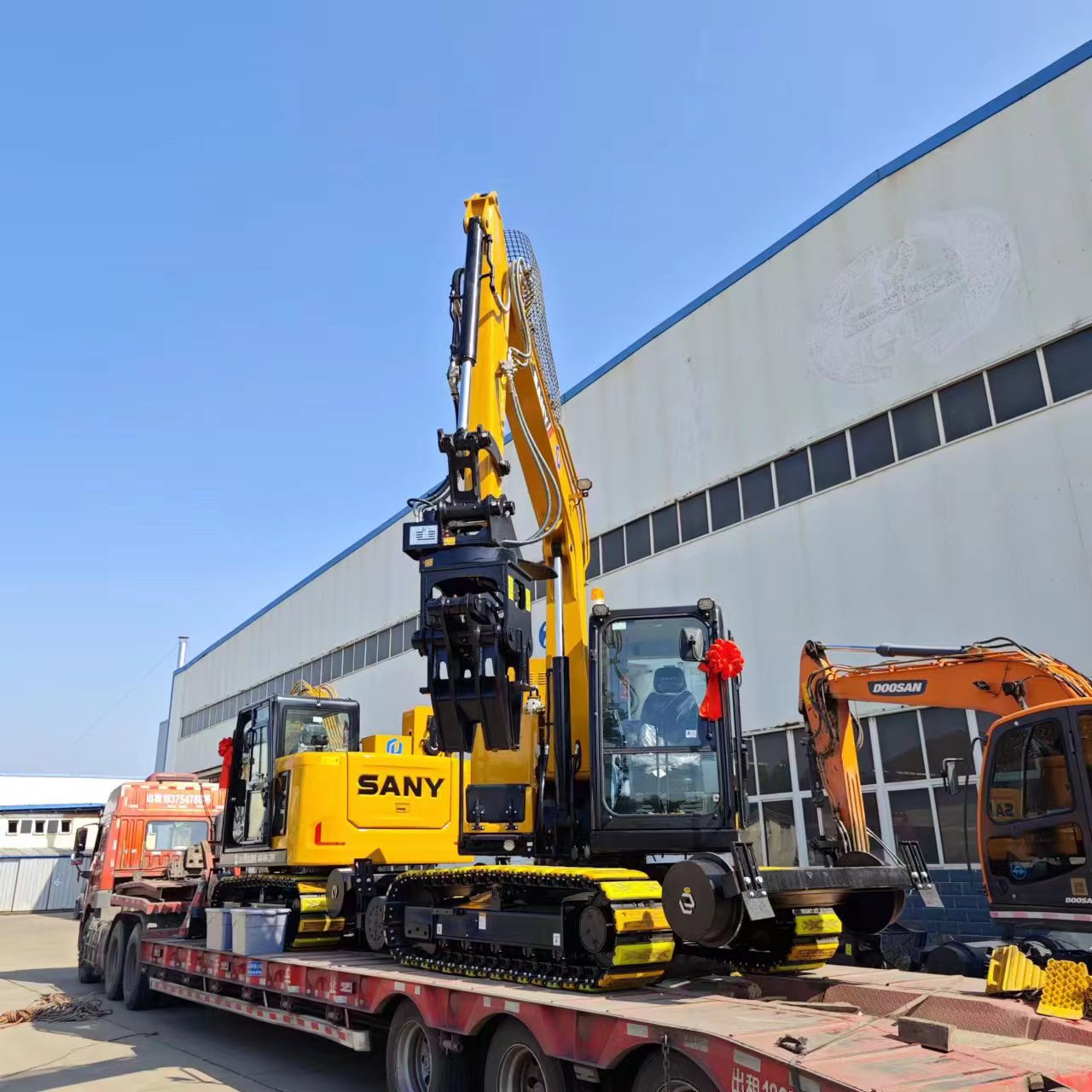
Railway excavator- this is a kind of engineering equipment specially designed for the construction and maintenance of railways. The main difference between an excavator and a regular excavator is that it can travel by highway or directly by rail. This is thanks to the liftable steel Hi-Rail System, which allows the machine to freely switch between road and rail modes.
With strong mobility and the ability to adapt to a variety of hydraulic tools, railway excavators are widely used in railway maintenance, sleeping bag replacement, ballast cleaning, trench excavation and emergency maintenance and other working conditions, and are an indispensable high-efficiency equipment on the railway construction site.

Structure and design features of a railway excavator
A professional rail modification, typically based on standard hydraulic excavators, is designed for structural reinforcement and orbital modifications, with the following main design features:
Hi-Rail wheel system
The system allows the excavator wheels to operate close to the rail and switch to normal ground travel mode after completing work on the rail.
Improved chassis stability
Since railway construction is mainly carried out on narrow gauge rails,railway excavators are usually equipped with hydraulic installations and rail locking systems to ensure safety and balance during operation.
Compatibility of multifunctional hydraulic accessories
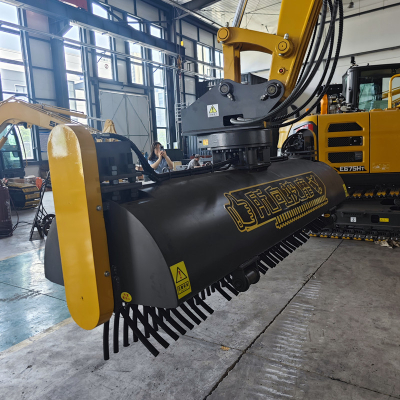
Various accessories can be quickly changed according to construction requirements, such as: Ballast Tamper, Sleeper Changer, Ballast Blaster, Rail Grab, etc., to realize "multi-purpose one machine".
High cabin safety standard
The cab has a good panoramic view and ROPS/FOPS design, and some high-end models are also equipped with anti-collision sensors and automatic braking systems.

Main applications and working scenarios of railway excavator
Railroad excavators are widely and almost universally used in railway construction and maintenance. Typical applications include:
Track repair and replacement
Railway excavators can easily grip, handle and position old rails, install new rails and adjust gauge.
Cleaning and replacing ballast
Use a cleaning machine or tools to remove contaminated ballast and re-lay new materials to ensure track stability.
Maintenance of trenches and drainages
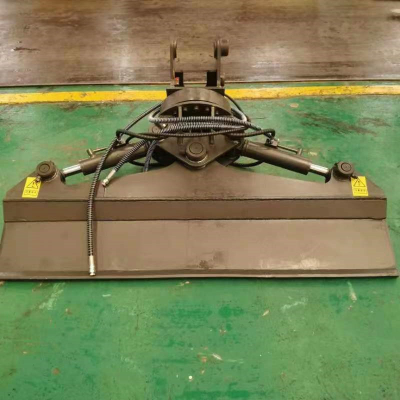
A ditch bucket or slope scraper can be used to clean the ditches on both sides of the railway and trim the slope to prevent ponding from affecting the rail.
Greening the road and removing obstacles
Work with mowing or brush cutting tools to quickly remove weeds and branches near the track and ensure safe driving.

Five Benefits of Using Rail Excavators
Dual travel mode for greater mobility
One machine can freely switch between road and rail, saving time on equipment transportation and shipping.
One machine for several purposes, economical and efficient
It can carry various hydraulic accessories, railway sleeper replacement, ballast cleaning bucket, ballast blaster cutter and other multi-functional operations, and reduce equipment investment.
High security and operational accuracy
The hydraulic balance system and intelligent control system make the operation more stable and safer and reduce human errors.
Easy maintenance and longer service life
The main parts adopt reinforced structure, and the key parts are made of wear-resistant materials suitable for long-term high-strength railway working conditions.
How to choose the right railway excavator?
When choosing a suitablerailway excavatorThe following aspects can be taken into account:
Tonnage and power matching:
As a general rule, it is recommended to choose a model between 10 and 25 tons, which can provide both power and flexibility.
Compatible with:
Ensure that the machines support common railroad fittings such as sleeper clamps, ballast handles, railroad rivets, etc.
Travel speed and turnover efficiency:
If there are many project points and long distances, the fast speed railway model should be preferably used.
After-sales service and spare parts supply:
Choose manufacturers with an international service network to ensure follow-up service.
Safety Certification and Standards:
The equipment must comply with the Department of Railways Safety Code and pass the relevant certification tests.
Overall, the railway excavator combines "flexible walking, multiple functions, safety and efficiency" and is an important mechanical equipment for modern railway construction and maintenance. Whether it's replacing a sleeping bag, cleaning ballast, or emergency line repairs, it can make a huge difference in tight spaces. High quality railway excavator can not only reduce construction cost, but also greatly improve construction efficiency and safety, providing a guarantee for railway engineering