
How does the ballast excavator FR160 cutter work?
Our team ballast cutter blaster operates through a complex mechanical process designed specifically for railway maintenance. This specialized equipment retrieves contaminated ballast from underneath railroad ties, sifts it to remove debris, and redistributes clean ballast back to maintain proper track stability and drainage. Operating in side cut mode, the machine can dig up to 200mm under sleepers, rotating 360 degrees to access difficult areas. The efficient design of the trimmer allows it to clear more than 20 meters of track per hour with minimal manual intervention. As it moves along the path, the trimmer's powerful excavation system lifts the ballast, separates waste using advanced screening technology, and accurately places the cleaned materials back into place. This comprehensive process not only extends the life of railway tracks, but also significantly improves safety by ensuring proper drainage and preventing track deformation caused by contaminated ballast.

Remove contaminated rubble and dirt
Purpose of ballast cleaning
Railway ballast serves as the basis for track structures, providing necessary drainage, load distribution and track stability. However, over time, this important component becomes contaminated with dirt, debris and small particles that compromise its functionality. When ballast becomes contaminated with these contaminants, it loses its ability to drain properly, resulting in water retention that can destabilize the track structure. In addition, contaminated ballast no longer provides adequate sleeper support, resulting in uneven track surfaces that pose significant safety risks and reduce operational efficiency.
Prunerballast solves these problems by systematically removing contaminated materials from under and around the track structure. This cleaning process is vital to maintaining proper track geometry, preventing premature track wear, and allowing trains to operate at design speeds without restrictions. Proper ballast maintenance using trimmers can extend track life by up to 25%, representing a significant cost savings compared to complete track replacement.
Extraction mechanism
Modern extraction mechanism ballast trimmer blasterrepresents a significant engineering achievement in railway maintenance technology. At the heart of the system is a powerful cutting chain that runs along the ballast layer at a precisely controlled depth - typically up to 200mm below the sleepers. This cutting chain has specially designed teeth that break up compacted material, minimizing damage to underlying structures.
Waste separation
After being removed from under the track, the contaminated ballast undergoes a complex separation process. The ballast blaster trimmer uses a multi-stage screening system designed to effectively separate clean ballast from a variety of contaminants, including dirt, vegetation, coal dust and other debris.
Initial separation occurs on primary vibrating screens, which remove larger contaminants while smaller particles are sent to secondary screening stages. These subsequent levels of screening use increasingly finer mesh configurations to capture particles of different sizes. The machine's advanced vibration technology ensures that even materials with similar dimensions but different densities can be separated effectively.
The effectiveness of the separation system directly affects the quality of the finished track, as even a small percentage of remaining contaminants can significantly reduce the ballast layer's drainage capacity and structural stability. Tiannuo's ballast cleaning technology achieves contaminant removal rates exceeding 95%, ensuring optimal track performance after maintenance operations.
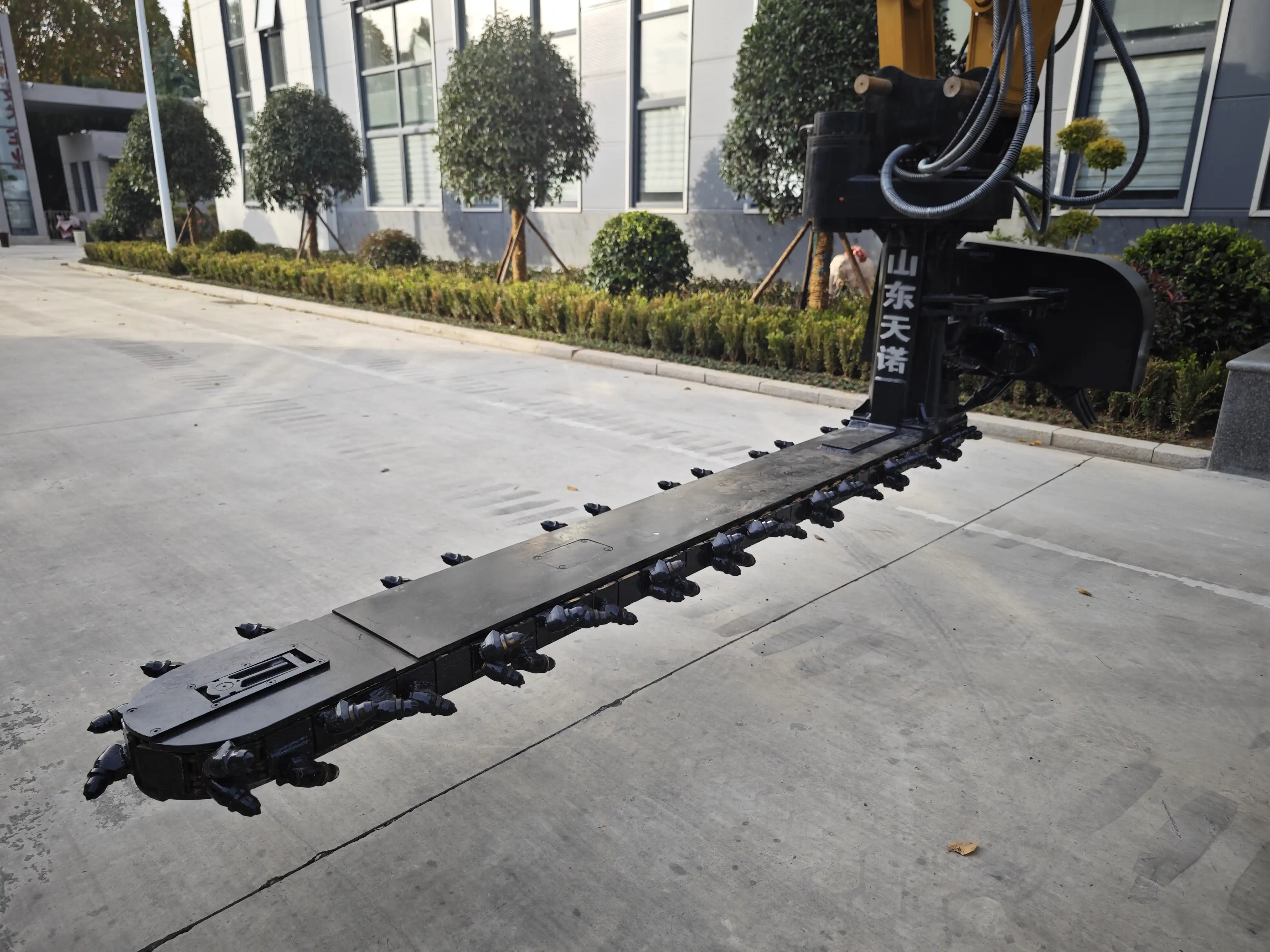
Sub-cut attachmentKey: side cut mode
Technical Specifications
Side modeThe new cut is the basic operating configuration for the ballast blaster trimmer, allowing precise intervention into the track structure without the need to completely remove the track. This technology approach provides significant efficiency advantages over traditional maintenance methods. The FR-160F-TN features an impressive effective extraction length of at least 2800mm, which can be customized to suit specific project requirements.
The excavation depth of the machine reaches 200 mm under the sleepers, which allows the complete removal of contaminated materials throughout the critical load zone of the ballast layer. This depth ensures that virtually all contaminated material can be accessed and processed. The side cutting mechanism includes hardened steel components that can withstand continuous operation in abrasive environments while maintaining dimensional stability.
With external dimensions of 4000x1100x1650 mm, the trimmer provides an optimal balance between performance capabilities and maneuverability in narrow spaces.railway corridors.The compact profile of the unit allows it to be deployed even in areas with limited space, such as tunnels or platforms. Despite its relatively compact size, the machine provides exceptional mining efficiency in excess of 20 meters per hour under typical operating conditions.
Excavation process
The excavation process begins with precise positioning of the ballast blaster cutter along the section of track requiring maintenance. Once in position, the operator initiates a sidecut sequence that places the cutting chain under the track structure at the specified depth. When the cutting chain engages the ballast, it creates a horizontal excavation plane that gradually advances along the path.
During excavation, the machine continuously monitors cutting resistance and adjusts operating parameters accordingly. When encountering areas of heavily compacted or heavily contaminated ballast, the system can temporarily reduce advance speed while increasing cutting energy to maintain a constant flow of material. This intelligent adaptation prevents system overload, optimizing performance under different conditions.
The excavation process occurs with meticulous precision, maintaining strict geometric tolerances to ensure proper track support after maintenance. Advanced cutter guidance systems reference the existing path position to establish ideal cutting profiles that maintain the intended path geometry. This precision prevents unintended changes in track alignment that might otherwise require additional corrective measures.
As excavation progresses, loosened ballast is automatically transferred to the machine's screening systems through a series of conveyor mechanisms designed to prevent material spillage. The entire excavation sequence operates as a continuous process, with material extraction, screening and redistribution occurring simultaneously to maximize operational efficiency. This comprehensive approach allows the FR-160F-TN to achieve its remarkable performance figures while maintaining exceptional quality standards.
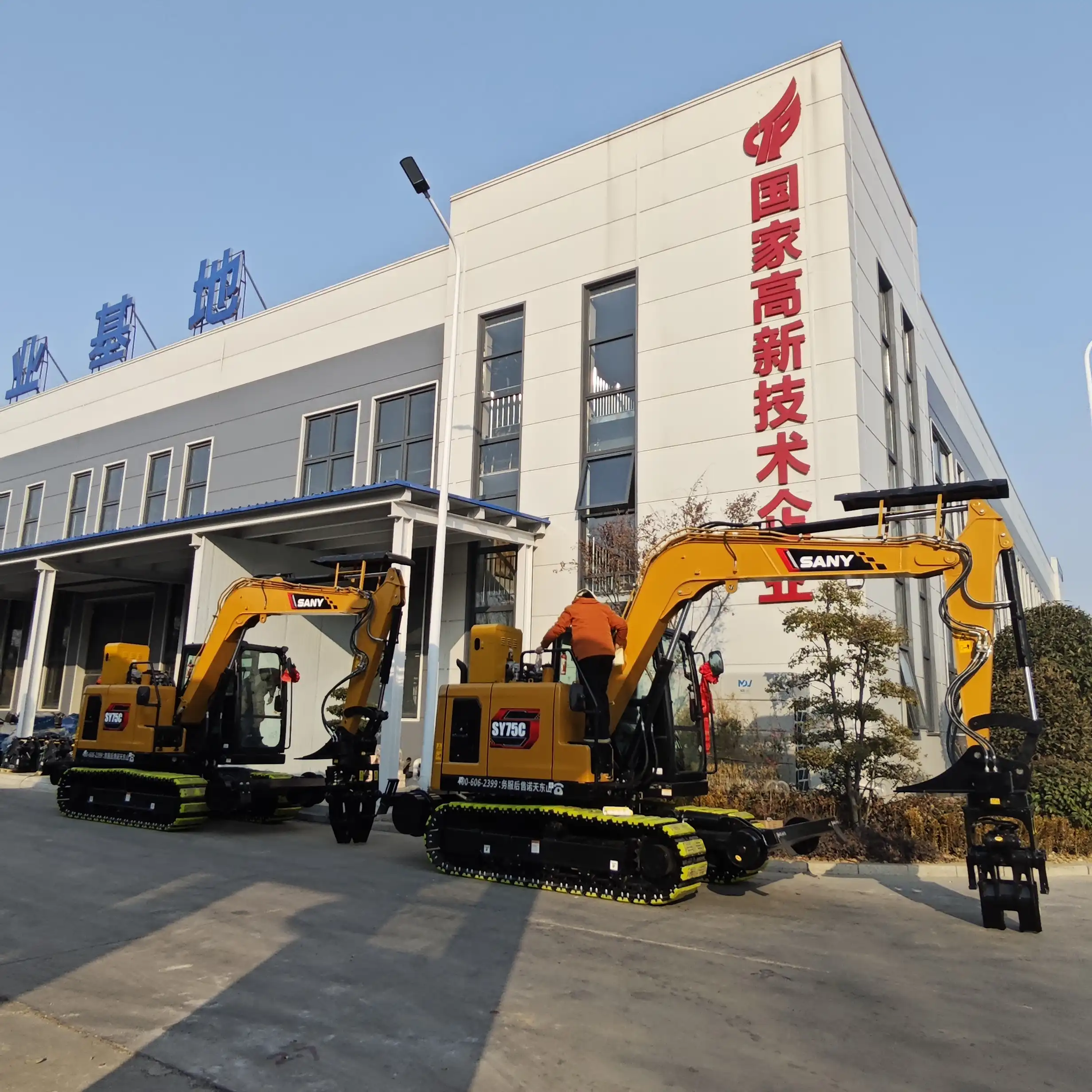
Close to the highway
Strategic positioning
Effective operation of the ballast trimmer blaster requires strategic positioning alongrailway trackto maximize productivity while minimizing disruption to adjacent infrastructure. The machine typically operates from the side of the track, which provides a stable surface for the equipment while allowing direct access to the ballast layer under the sleepers. This positioning strategy allows for continuous operation without occupying the track itself, potentially allowing maintenance work to be carried out during limited traffic periods rather than requiring a complete line closure.
Before deployment, maintenance teams conduct a comprehensive site assessment to determine optimal placement locations, which take into account factors such as ground stability, access requirements and proximity to fixed infrastructure. These assessments often include a ground penetrating radar survey to identify underground obstructions or utilities that could interfere with excavation operations. By identifying these potential complications early, teams can develop mitigation strategies that prevent costly operational delays.
The strategic positioning process also includes creating material handling logistics, particularly for the disposal of recovered waste. A crushed stone cleaning operation can generate significant volumes of contaminated material that must be properly treated. Therefore, positioning decisions take into account access paths for auxiliary equipment, such as dump trucks or material handling machines, that will remove waste from the job site.
Environmental aspects
Modern ballast crushing operations include numerous features designed to minimize environmental impact while maximizing service efficiency. Dust suppression systems provide a fundamental environmental control measure, using precisely controlled water spray systems at key points throughout the material handling process. These systems effectively control particulate emissions that could otherwise create air quality problems for workers and surrounding areas.
Noise-reducing features include acoustic shrouds around major mechanical components and vibration isolation systems that reduce sound transmission. These features are especially important when maintenance work is carried out near residential areas or at night. The FR-160F-TN includes advanced noise reduction technologies that reduce operating noise by up to 30% compared to previous generation equipment.