
How does the anti-rollover design work in a three-section demolition boom excavator?
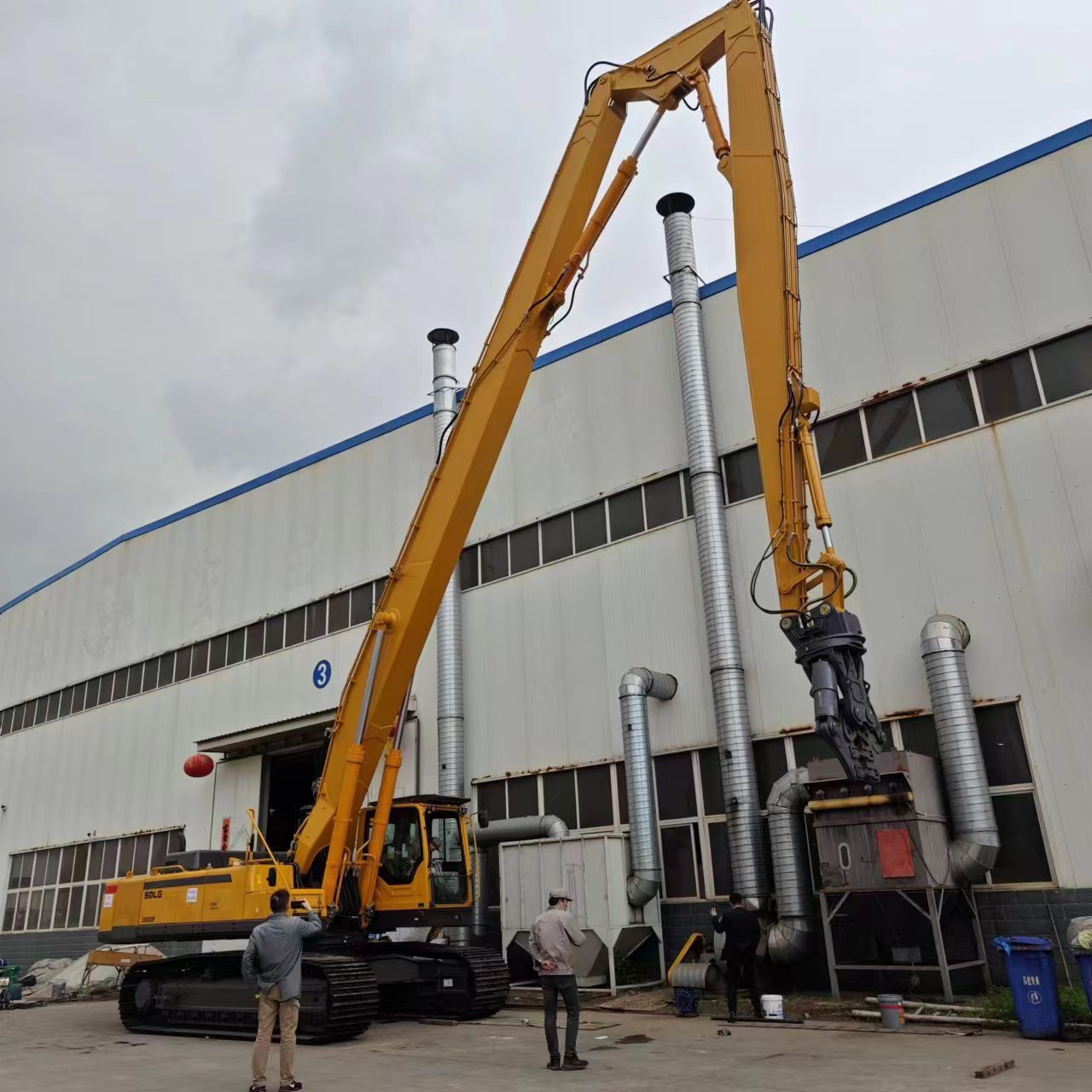
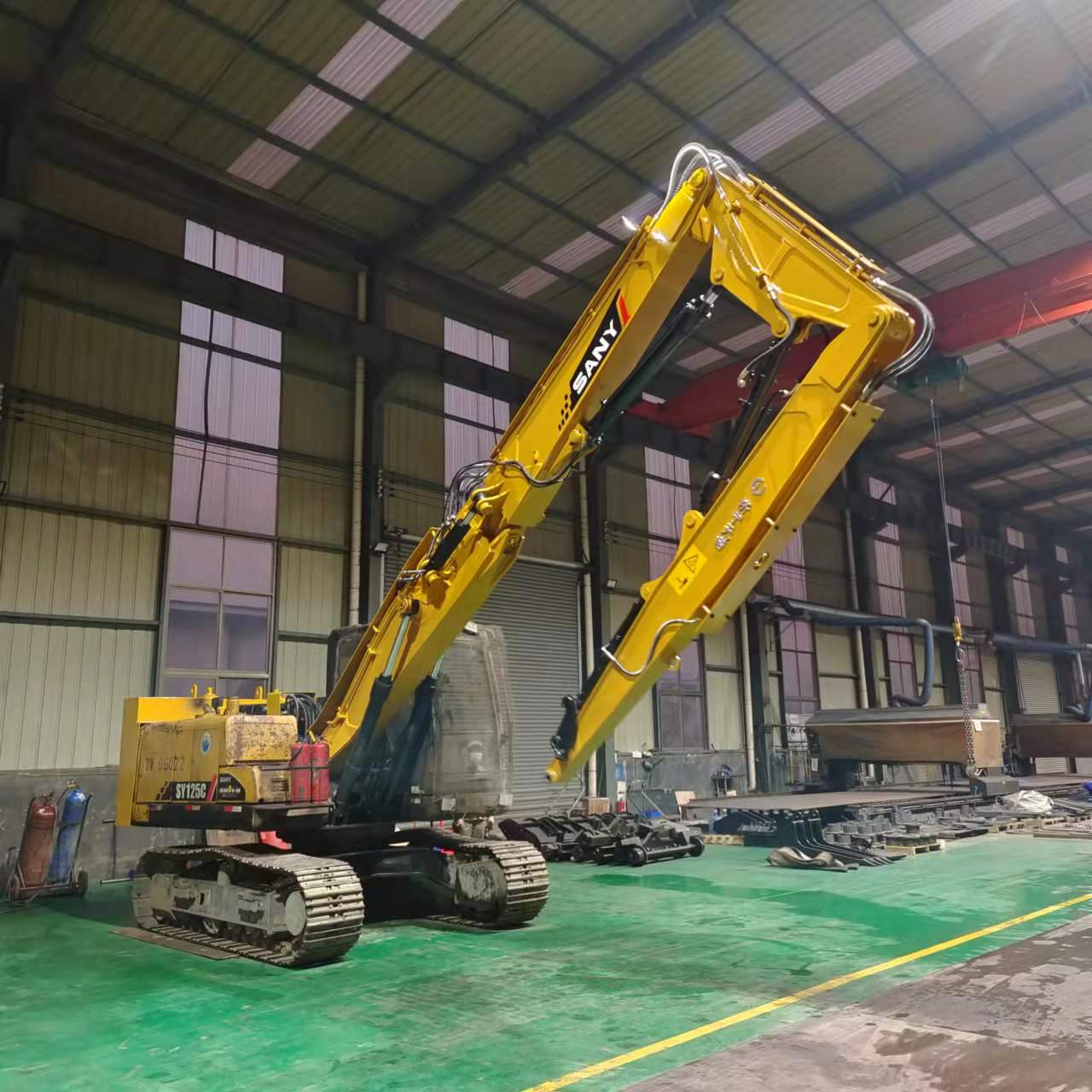
Counter-reversal constructionthree-section demolition boom of an excavatoris a crucial safety feature that prevents the machine from turning during long-distance demolition operations. This innovative system combines strategic counterweight placement, structural reinforcements, and advanced hydraulic controls to maintain stability even when the boom is fully extended.
Counterweight and balance
Strategic placement of counterweights in boom design
The anti-rollover design of three-section demolition booms is based on the strategic placement of counterweights. Engineers carefully calculate and position these heavy components to offset the weight of the extended boom and any attachments. This careful balancing act ensures the excavator remains stable even when reaching its maximum height.
Counterweights are typically located at the rear of the machine, creating a counterbalance to the extended boom. The design takes into account various factors, including boom length, attachment weight, and the machine's center of gravity. By properly positioning counterweights, manufacturers can maximize the excavator's reach while maintaining a safe operating envelope.
Dynamic load distribution for optimal stability
Modern three-section excavator demolition booms Include dynamic load distribution systems. These advanced mechanisms continuously adjust the machine's weight distribution as the boom extends or retracts. Sensors monitor the boom's position and load, allowing the system to adjust the weight accordingly.
This real-time adjustment ensures optimal stability throughout the demolition process. As the boom operator maneuvers, the load distribution system compensates for changes in the center of gravity, preventing potential rollovers. This dynamic approach significantly improves the excavator's safety and versatility in challenging demolition conditions.
Adjustable counterweight systems for various tasks
To further enhance rollover protection, many three-section excavator demolition booms are equipped with adjustable counterweight systems. These systems allow operators to fine-tune the machine's balance based on specific job requirements and the accessories used.
For example, when working with heavier mounts or at maximum reach, operators can increase the counterbalance to maintain stability. In contrast, for tasks requiring shorter reach or lighter loads, the counterbalance can be reduced to improve maneuverability. This flexibility ensures that the excavator remains stable and efficient in a wide range of demolition tasks.
Structural stability
Reinforced connections for increased strength
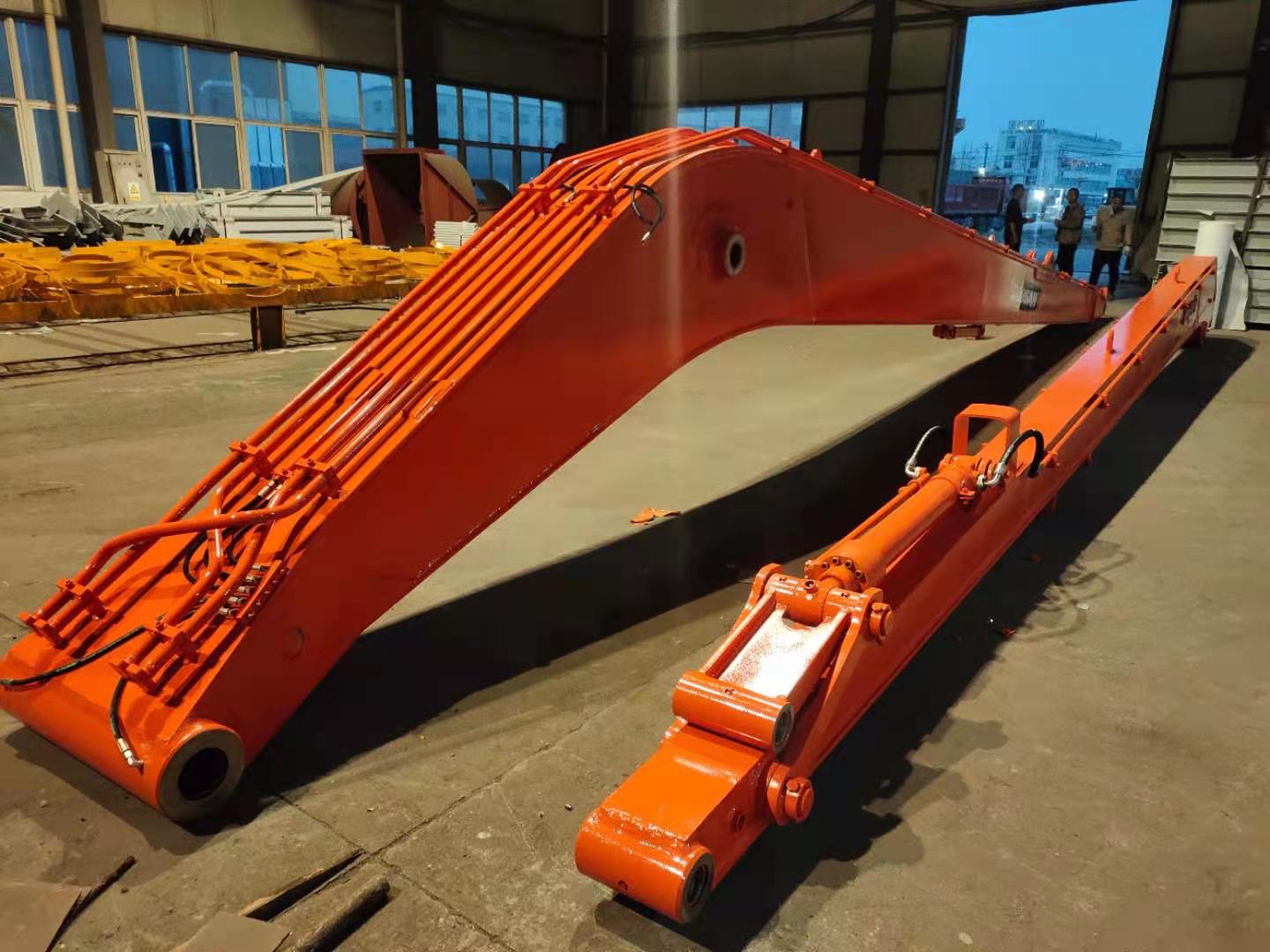
The structural integrity of the three-section demolition boom excavator plays a critical role in its anti-rollover design. Manufacturers strengthen critical struma connections to withstand the enormous stress and torque experienced during high-volume demolition jobs. These reinforced joints distribute forces more evenly throughout the struma structure, reducing the risk of failure and improving overall stability.
Engineers use a variety of methods to strengthen boom connections, including high-quality steel alloys, precision welding, and strategic placement of gussets. These reinforcements allow the boom to maintain its structural integrity even when fully expanded, ensuring safe operation at extreme heights and lengths.
Innovative materials for lightweight yet durable design
To optimize the anti-rollover capabilities of three-section excavator demolition booms, manufacturers are increasingly turning to innovative materials. These advanced composites and alloys offer exceptional strength-to-weight ratios, enabling longer reach without sacrificing stability.
By reducing the overall weight of the boom, these materials help maintain a favorable center of gravity.for excavator.This weight reduction also allows for increased payload, allowing operators to use heavier attachments or work at higher altitudes without compromising machine stability.
Geometry optimization for improved bearings
The geometry of the excavator's three-section demolition boom has been carefully optimized to enhance load-bearing capacity and stability. Engineers use advanced computer modeling and simulation to design boom structures that effectively distribute stress and minimize weak points.
This optimized geometry ensures the boom can handle the dynamic loads experienced during demolition work while maintaining a stable working position. The result is a stronger and more reliable boom system that significantly reduces the risk of failure, even in challenging demolition scenarios.
Hydraulics and safety systems
Advanced hydraulic control for precise movements
The hydraulic system in a three-section demolition excavator plays a vital role in its rollover resistance. Advanced hydraulic controls allow operators to perform precise, controlled movements, reducing the risk of sudden shifts in weight distribution that can lead to instability.
These sophisticated systems often incorporate load-sensing technology, which regulates hydraulic pressure based on the boom's position and load. This adaptive approach ensures smooth operation and maintains stability throughout the demolition process, even when working at extreme heights or with heavy shoring.
Overload warning systems to prevent rollover
To further enhance safety and prevent rollovers, three-section demolitionexcavator boomsEquipped with modern overload warning systems, these systems continuously monitor the machine's stability envelope, alerting operators when they approach safe operating limits.
Sensors throughout the boom and chassis collect real-time data on factors such as boom angle, elongation, and load weight. If the system detects a potential stability issue, it triggers visual and audible warnings, allowing the operator to take corrective action before a dangerous situation develops.
Emergency shutdown functions for sudden instability
As a final measure of protection against rollover, many excavator-mounted three-section demolition booms include emergency shutdown features. These systems can quickly intervene if sudden instability is detected, automatically stopping the boom and engaging stabilizers to prevent rollover.
In extreme cases, some advanced systems can even initiate a controlled boom retraction, returning the machine to its safe operating parameters. These rapid response mechanisms provide an additional layer of protection, ensuring operator safety in unforeseen circumstances.
The anti-tear design of the excavator's three-section demolition booms is a remarkable feat of engineering, combining advanced principles of physics with cutting-edge technology. By integrating strategic counterweight placement, structural reinforcements, and sophisticated hydraulic and safety systems, these machines can operate safely at extreme heights and ranges. This innovative design not only improves operator safety, but also increases efficiency and versatility in challenging demolition projects. As technology continues to advance, we can expect even more sophisticated and effective anti-rotation systems in future excavator models.