
How to measure an excavator boom?
Measurementexcavator handleAccurate measurements are critical for construction, mining and demolition contractors who need to ensure proper equipment compatibility and optimal performance. This process involves measuring specific parameters including maximum operating range, operating radius, transport height, cylinder characteristics, arm length and attachment points. Understanding these parameters helps determine if a rock arm is suitable for your excavator model and meets the requirements of your project. Whether you're replacing your existing handle or upgrading to a more powerful rock crushing solution, proper measurements ensure trouble-free installation and maximum efficiency when tackling challenging rock excavation tasks.
Identify key components to measure
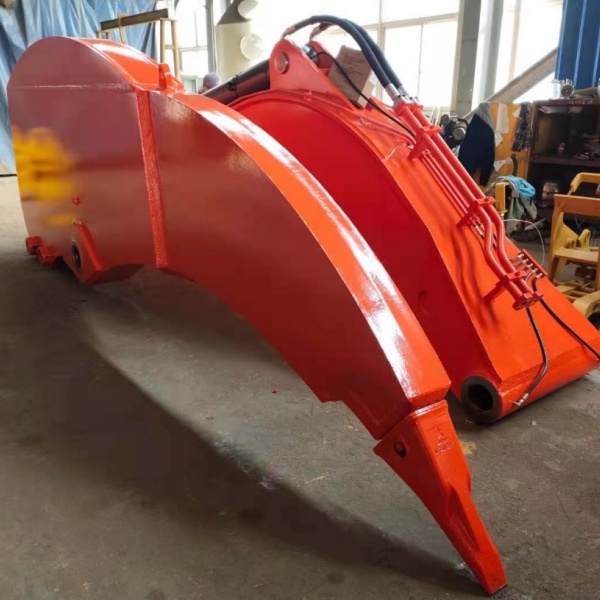
Before diving into the actual measurement process, it is necessary to understand the basic components excavator handle Will form the basis for an accurate assessment. This specialized attachment differs significantly from standard excavator booms due to its reinforced design and improved braking properties.
Upper arm design and characteristics
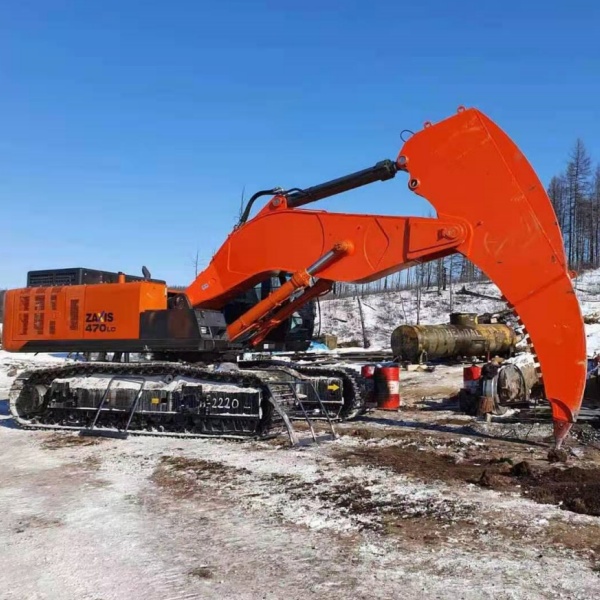
The top boom is the main structural element that is directly connected to the excavator body. This component takes on the main load when working with rock. When examining the top boom, you will notice its rugged construction with thicker steel plates and additional stiffening ribs compared to standard booms. Connection points require precise measurements to ensure compatibility with your excavator's mounting system. Pay special attention to the hydraulic cylinder mounting brackets as they determine the lifting capacity and operating range of the boom.
Forearm design and working length
At the front of the handle is the main crushing mechanism, which determines the boom reach of your equipment. This component typically has a shorter design than standard excavator arms to concentrate force and improve crushing efficiency. Working length directly affects the ability to reach target areas while maintaining optimal crushing force. Knowing this parameter helps predict job site performance and operating constraints.
Hydraulic system components
Hydraulic cylinders are the driving force behind any rock boom system. These components require careful measurement to ensure proper hydraulic fluid flow and pressure compatibility with your excavator's system. The inside diameter of the cylinder and the characteristics of the piston rod determine the lifting capacity and breakout force of the boom. Inadequate hydraulic components can result in reduced performance or potential system damage.
Define control points
Defining precise reference points ensures consistent and reliable measurements across a variety of arm configurations. These reference points provide a baseline for measurement and help maintain accuracy throughout the assessment process.
Excavator Mounting Interface
The mounting interface serves as the main reference point for all subsequent measurements. This is the connection point between the excavator body andexcavator handlePerfect alignment is essential for proper operation. Locate the hinge pin centerline, which serves as the zero reference point for measuring operating range and reach. Mounting bracket dimensions and bolt locations require precise documentation to verify compatibility with your specific excavator model.
Operational central points
Determining work centers helps determine the working area and boom reach. The boom pivot point serves as a reference point for measuring the maximum working radius and vertical reach. The stick pivot point affects the digging depth and horizontal reach of the equipment. These reference points remain constant regardless of the boom position, providing reliable baseline data for measurements.
Ground level reading
Defining a reference point at ground level ensures accurate measurement of transport heights and working dimensions. This reference point helps determine whether your rock arm configuration meets transportation regulations and job site access requirements. Clearly mark the reference point and ensure that all team members understand its location to ensure consistency in measurements.
measurements
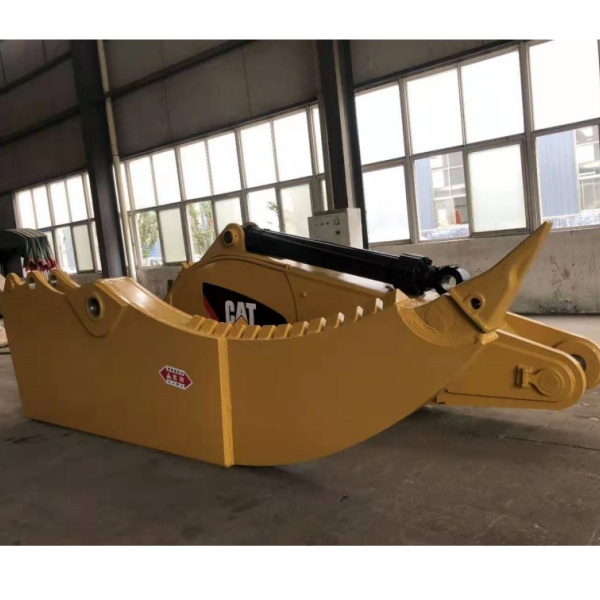
Now that you have identified the components and established control points, the measurement process itself requires systematic attention to detail and the use of appropriate tools.
Working range and radius measurements
Measuring the maximum working radius involves extending the boom to its maximum horizontal position and measuring the distance from the attachment point. This measurement determines the reach of your equipment to access rock and work areas. The working radius measurement shows the maximum distance your rock arrow can extend when fully extended at various angles. These measurements directly impact job site planning and operational efficiency.
Document these measurements carefully as they determine the operating range of your equipment. Please note thatexcavator handle Configurations typically offer different ranges depending on model size and design features.
Physical Dimensions Estimation
Measuring the transport height is critical for planning transportation and access to the work site. Measure the height from the reference point on the ground to the highest point of the boom in the transport position. This measurement must comply with transportation regulations and clearance requirements for bridges and overpasses.
The excavator's upper boom length is measured from the attachment point to the forearm attachment point. This dimension affects the leverage and breaking force of your equipment. The forearm working length is measured from the upper boom attachment point to the attachment point, determining the boom's reach and operational flexibility.
Hydraulic Component Specifications
Measuring the cylinder bore diameter requires special attention to ensure hydraulic compatibility. Use accurate measuring instruments to measure the cylinder bore diameter, as this characteristic determines hydraulic flow and pressure rating requirements. Measuring the piston rod diameter affects the strength and performance of the cylinder.
These hydraulic parameters must match the specifications of your excavator's hydraulic system to ensure optimal performance and prevent damage. Mismatched hydraulic components can result in reduced performance or costly repairs.