
What is a Grab Bucket? August 22, 2025
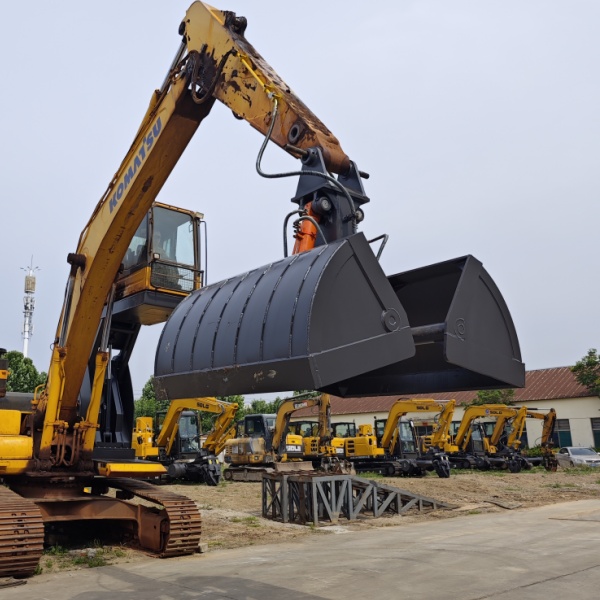
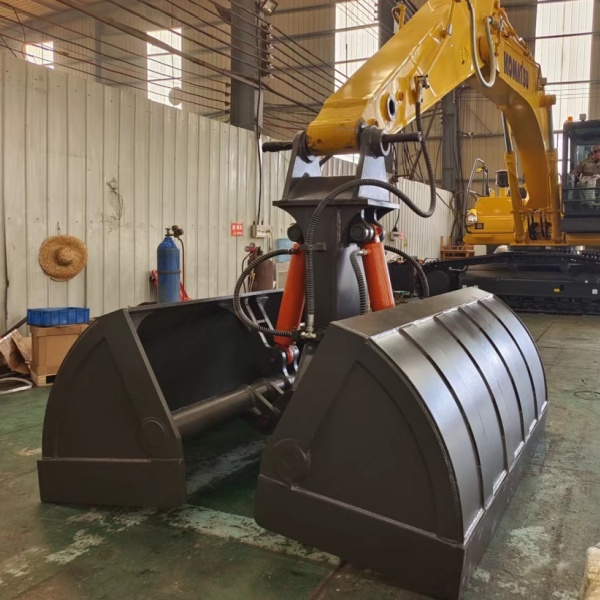
Bucket-cot- universal attachments for excavation and material loading/unloading, widely used in construction, mining and dredging. This specialized bucket has two hinged doors that open and close like a grapple, allowing you to efficiently scoop, grab and transport a variety of materials. These buckets are designed to handle bulk materials such as sand, gravel, coal and even underwater sediment, making them essential tools in many industries.
Definition and main functions of grab bucket
Anatomy of a Grab Bucket: Design and Components
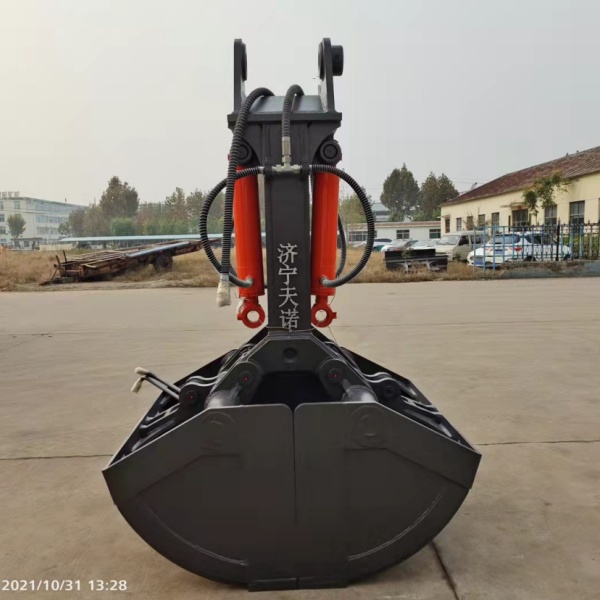
The design of the clamshell bucket is both simple and ingenious. The bucket is based on two symmetrical jaws connected by a hinge mechanism. These jaws are typically made from high-strength, wear-resistant steel to withstand intensive excavation and material handling operations. The inside of the bucket can be toothed or smooth edged, depending on the intended application.
Key components include:
Shells or jaws: the main scooping elements
Hinge mechanism: allows you to open and close sinks.
Hydraulic cylinders: provide opening and closing.
Connection system: connects hydraulic cylinders to housings.
Mounting Bracket: Attachs the bucket to an excavator or crane.
How clamshell buckets work: opening and closing mechanism
Workclamshell bucketThe system is based on a simple yet effective mechanism. When the bucket is positioned above the material being extracted, the operator activates the hydraulic system. This causes the hydraulic cylinders to extend, opening the buckets. As the bucket plunges into the material, the buckets open wide, ready to handle large volumes.
Once the desired depth is reached, the operator reverses the hydraulic flow, causing the cylinders to retract. This action contracts the bucket shells, effectively closing the bucket and trapping the material inside. The filled bucket can then be lifted and moved to the desired location for unloading.
Types of grab buckets: hydraulic and mechanical
There are two main types of grab buckets: hydraulic and mechanical. Each offers its own advantages and is suitable for different applications.
Hydraulic clamshell buckets: These modern buckets use hydraulic power to open and close the bucket. They provide precise control, reduced cycle times, and increased digging force. Hydraulic clamshell buckets are ideal for applications that require frequent opening and closing, such as bulk material handling or dredging.
Mechanical grab buckets: These traditional buckets operate using cables and pulleys. While they may have a longer duty cycle than hydraulic models, mechanical buckets are often preferred for deep excavation work or in situations where hydraulic power is unavailable. They are also generally more economical and easier to maintain.
Main areas of application in construction and loading and unloading operations
Earthmoving and dredging: grab buckets in action
Clamshell buckets are ideal for excavation and dredging, especially in challenging conditions. In underwater work, these buckets can effectively remove sediment, clear waterways, and maintain harbors. Their ability to reach significant depths while maintaining precision makes them indispensable for projects where traditional excavators might prove ineffective.
In above-ground excavation work, these buckets are often used to construct deep foundations, such as bridge piers or basements. Their vertical digging capability allows them to create narrow and deep pits with minimal damage to surrounding soil structures.
Bulk Materials Handling: From Aggregates to Waste Management
In the field of loading and unloading of bulk materialsgrab bucketsDemonstrate exceptional versatility. They are widely used in ports and terminals for loading and unloading ships carrying materials such as coal, grain, or ore. The bucket design ensures efficient scooping and precise placement of materials, reducing spillage and improving overall efficiency.
At waste treatment facilities, these buckets play a vital role in the processing and sorting of various types of waste. Their ability to grasp and lift mixed materials makes them ideal for transporting waste from collection points to processing areas or loading onto vehicles.
Specialized application: Marine construction and underground projects
Grab buckets find unique applications in specialized construction projects. In marine construction, they are used for tasks such as laying riprap for erosion control or constructing underwater foundations for offshore structures. The bucket's ability to operate effectively underwater makes it an indispensable tool in these difficult conditions.
Compact buckets can be invaluable for underground work such as tunnel construction or mine development. They can be used to retrieve excavated soil in confined spaces where larger equipment cannot operate. This versatility extends to environmental remediation projects, where grab buckets can be used to accurately remove contaminated soil or sediment while minimizing the spread of contaminants.
Advantages and disadvantages of grab buckets
Versatility and efficiency: why choose grab buckets
Grab buckets have many benefits that make them a popular choice in a variety of industries. Versatility is perhaps their most significant advantage. These buckets are capable of handling a wide range of materials, from fine sand to large rocks, making them suitable for a wide variety of projects. This versatility reduces the need for specialized attachments, potentially reducing equipment costs and simplifying operation.
Efficiency is another key benefit.Grab bucketscapable of achieving high productivity, especially when handling bulk materials. Their design allows for fast loading and unloading, which can significantly improve productivity in areas such as port operations or crushed stone processing. Additionally, precise control of hydraulic buckets allows operators to work with greater precision, reducing material spillage and increasing safety.
Taking into account lifting capacity and load: choosing the size of the clamshell bucket
Selecting the correct grab bucket size is critical for optimal performance. Bucket volume is usually measured in cubic meters or cubic yards and can range from less than 1 m³ for small excavators to more than 20 m³ for large cranes. The ideal size depends on several factors:
Material Density: Heavier materials may require smaller buckets to avoid overloading the machine.
Lifting Capacity: The bucket and its load must not exceed the safe working capacity of the crane or excavator.
Digging depth: For deeper excavation, it is better to use narrower and deeper buckets.
Production Requirements: Larger buckets may be required for high volume applications.
It's important to balance lifting capacity with the machine's capabilities and specific job requirements. Oversized buckets can reduce efficiency and increase equipment wear, while undersized buckets can slow down operations.
Maintenance and Durability: Keeping Your Bucket in Top Condition
Although grapple buckets are designed to withstand harsh conditions, proper maintenance is critical to their longevity and performance. Regular inspections should include:
Wear Areas: Check cutting edges and teeth for excessive wear.
Hydraulic components: Inspect hoses, cylinders and seals for leaks or damage.
Pivot mechanism: Ensure proper lubrication and check for any signs of wear or play.
Structural integrity: Check the bucket body for cracks, dents and deformations.
Timely repair and replacement of worn parts can prevent more serious damage and extend the life of the bucket. For work in particularly abrasive environments, buckets with additional wear protection or hardened steel components are recommended.
Grab buckets are versatile and efficient tools that have revolutionized material handling and excavation in a variety of industries. From construction and mining to environmental restoration and port work, these innovative attachments provide unmatched flexibility and precision. By understanding the design, applications and maintenance requirements, operators and project managers can use clamshell buckets to increase productivity, reduce costs and confidently tackle complex excavation tasks. As technology advances, we can expect even more innovative uses for this indispensable tool to emerge in the future.