
How to measure the length of an excavator boom?
Measurement The arrow of the excavator The exact measurement of the length is critical of optimal performance and efficiency in various industries. The handle, the most important component of the machine, directly affects its departure and the capabilities of digging. For the correct measurement, it is necessary to determine the key points on the handle, use the correct measurement methods and take into account the distance between the fingers. This guide will help you perform all the necessary actions by ensuring accurate measurements of your handle.
Step -by -step guide: accurate measurement of the hand
Determination of key points on the arrow of the excavator
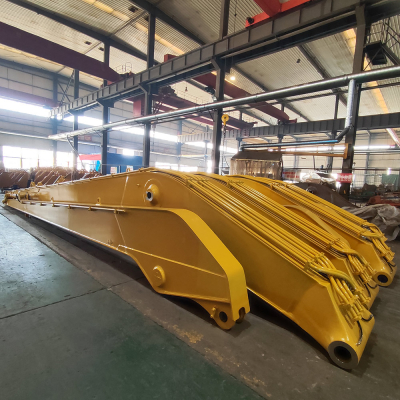
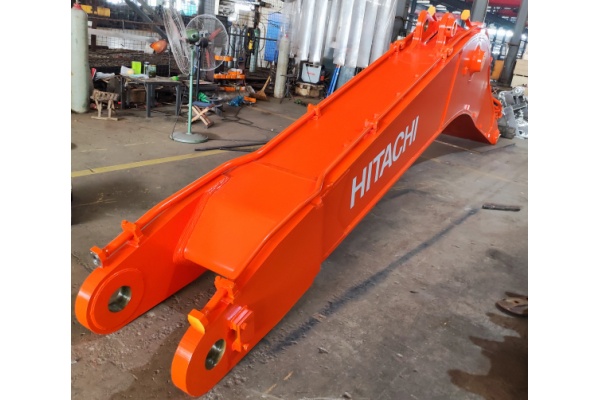
Before proceeding to measurements, it is important to understand the structure of the arrow of the excavator. It usually consists of two main parts: arrows and handle. An arrow is a larger upper part, which is attached to the excavator body, and the hilt is the lower part, which is attached to the bucket or other attachment equipment.
To measure exactlyThe arrow of the excavator length, you need to determine the following key points:
Boom pivot point: The point where the boom connects to the excavator body.
Boom and stick joint: the connection between the boom and the stick
Arm mount: the point where the arm connects to the bucket or other attachment.
Using the correct methods to accurately calculate length
Once you have identified your key points, follow these steps to take accurate measurements:
Position the excavator on a level surface with the boom fully extended.
Measure the distance from the boom pivot point to the boom stick pivot point.
Measure the distance from the boom-stick hinge to the stick mounting hinge.
Add these two measurements together to get your total arm length.
Remember to keep the tape measure or laser measuring device as straight as possible to avoid the bend of your arm affecting the measurement results.
Taking into account the distances between pins when measuring the hand
When measuring an excavator boom, it is extremely important to consider the distance between the pins. This is the distance between the centers of each turning point. Taking these measurements into account guarantees the full working length of the boom.
To measure the distance between pins:
Find the center of each support point.
Measure the distance from the center of one pin to the center of the next.
Repeat this process for each part of the arm.
By including the pin spacing, you will get a more accurate idea of the true working length of the stick, which is necessary for calculating reach and digging depth.
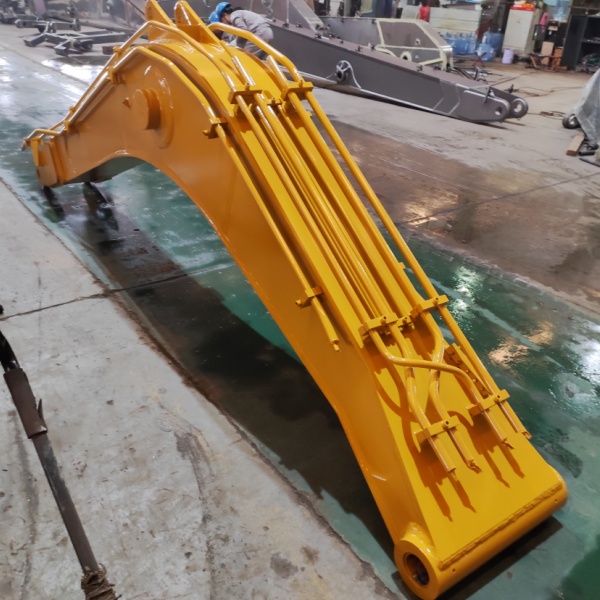
Tools needed to accurately measure an excavator boom
Necessary Measuring Equipment for Excavator Booms
To ensure the accuracy of your measurements excavator boomYou will need the right tools. Here is a list of the necessary equipment:
Tape measure (at least 25 feet long)
Laser rangefinder
Clipboard and pen for recording measurements
Protective equipment (helmet, gloves, safety glasses)
A level or inclinometer to ensure the excavator is on a level surface
Having these tools will make the measurement process more efficient and accurate.
Digital vs Traditional Instruments: Pros and Cons
When measuring excavator booms, you have a choice between digital and traditional instruments. Let's compare their pros and cons:
Digital tools (eg laser rangefinders):
Pros: high accuracy, fast reading, ability to measure in hard-to-reach places.
Cons: More expensive, requires batteries, can be damaged by bright sunlight.
Traditional tools (eg tape measures):
Pros: affordable price, does not require batteries, reliable in various conditions.
Cons: May be less accurate over longer distances, may require two people for larger measurements.
Choose the tool that best suits your needs and budget, keeping in mind the importance of accurate excavator boom measurements.
Calibration Tips for Accurate Excavator Boom Measurement
To ensure maximum measurement accuracy, follow these calibration tips:
Check the accuracy of measuring instruments regularly.
Calibrate digital instruments according to the manufacturer's instructions.
Use a known distance to check the accuracy of your tape measure.
Before measuring, make sure the excavator is on a level surface.
Take multiple measurements and average the results for greater accuracy.
By following these calibration tips, you will minimize errors and get the most accurate measurements for your excavator boom.
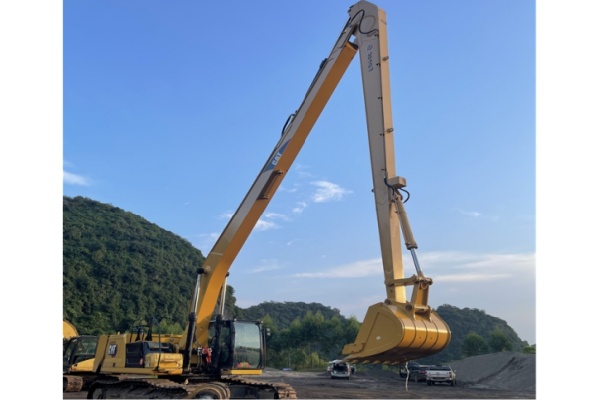
Proper arm length matters in operations
The Effect of Stick Length on Excavator Performance
The boom length of an excavator plays a critical role in its overall performance. Here's how boom length affects various aspects of an excavator's performance:
Reach: Longer arms provide greater reach, allowing the excavator to reach areas further from its base.
Digging depth: The boom length directly affects the digging depth of the excavator.
Lifting capacity: Typically, shorter arms allow you to lift heavier loads closer to the machine.
Maneuverability: Shorter levers can provide better maneuverability in tight spaces.
Understanding these factors helps operators and project managers select the right excavator for specific applications, maximizing efficiency and productivity on the jobsite.
Optimizing excavator efficiency by choosing the right handle size
Choosing the right boom length for your excavator can greatly improve the efficiency of a variety of operations. Here's how:
Reduced cycle times: The correct lever length allows for faster loading and unloading cycles.
Improved fuel efficiency: The correct handle size means less stress on the machine, potentially reducing fuel consumption.
Increased versatility: Choosing the optimal boom length can make your excavator suitable for a wider range of tasks.
Increased precision: The correct hand size allows for more precise and controlled movements, especially when performing delicate operations.
By optimizing boom length, you can ensure maximum excavator performance in a variety of applications, from construction and mining to landscaping and waste management.
Avoiding Costly Mistakes: The Importance of Accurate Measurements
Inaccurate measurementsexcavator armscan lead to costly mistakes and inefficiencies. Here are some potential problems:
Ordering the wrong spare parts, resulting in downtime and additional costs
Incorrect attachments that do not fit properly will reduce efficiency and may cause damage.
Inaccurate project planning resulting in delays or the need for additional equipment
Safety risks due to incorrect calculation of reach or lifting capacity
Accuracy of measurements will help avoid these errors, ensure smooth operation and a safe working environment. Remember: accuracy of measurements is the key to accuracy of work.
The exact measurement of the arrow of the excavator is a critical skill for anyone who works with heavy equipment. Following step -by -step guides, using the correct tools and understanding the importance of accurate measurements, you can optimize the performance of your excavator, increase the safety and overall efficiency of the project. Remember that the proper length of the arrow can significantly affect the capabilities of your excavator: from the departure of the arrow and the depth of digging to lifting and maneuverability. Always pay the primary attention of the accuracy of measurements to avoid expensive errors and ensure maximum efficiency of the operation of your equipment.