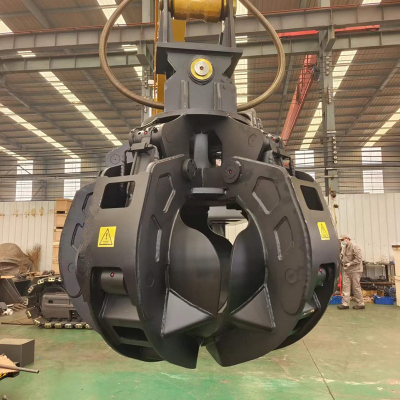

Grab bucket repair
Bucket clamshell repair is a critical aspect of maintaining the performance and longevity of this versatile earthmoving tool. Designed to handle a wide range of materials, from soil to crushed rock, these specialized attachments play a critical role in industries such as construction, mining and dredging. Regular maintenance and timely repairs not only extend the life of your bucket, but also ensure optimal productivity on the job site. This comprehensive guide details common causes of damage, basic inspection procedures, and effective repair techniques to help keep your bucket operating at peak performance.
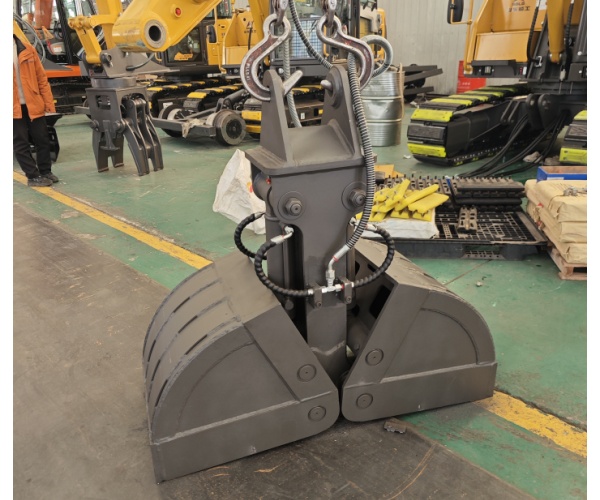
Common Causes of Grab Bucket Damage
Understanding the factors that contribute to grab bucket wear is the first step to implementing an effective repair and maintenance strategy. By identifying these problems early, you can prevent minor problems from developing into major repairs, saving time and money in the long run.
Overload and material impact: stress in the grab bucket
One of the main causes of damage to a grab bucket is overload. If the operator exceeds the bucket's rated lift capacity, it places excessive stress on the structure, hydraulic components, and hinges. This can lead to premature wear, deformation of the bucket and even serious failure in severe cases. Additionally, exposure to heavy or abrasive materials can cause dents, cracks or wear marks to appear on the surface of the bucket, reducing its integrity and efficiency.
Corrosion and Wear: The Silent Killers of Bucket Life
Exposure to harsh environments, especially marine or chemical environments, can accelerate the corrosion of the metal parts of the clamshell bucket. This gradual wear weakens the bucket structure and, if not controlled, can lead to leaks or structural failure. Moreover, the constant friction between the bucket and the abrasive materials causes wear, especially along the cutting edges and in high-stress areas. Regular inspections and protective coatings can significantly reduce these problems.
Hydraulic System Problems: Identifying Pressure Problems
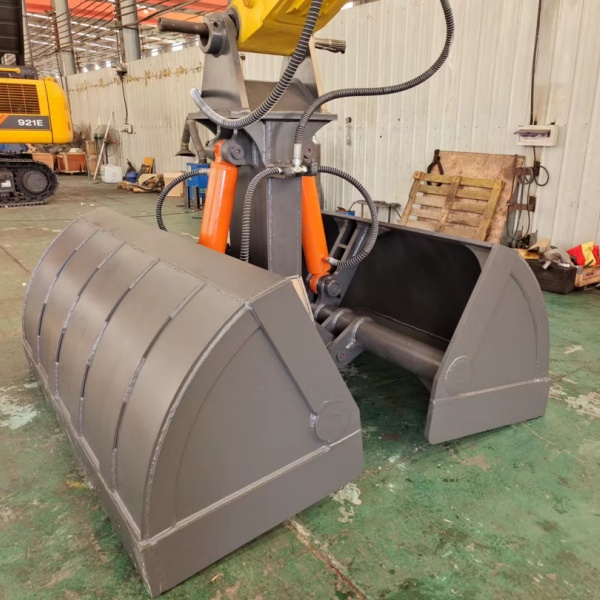
The hydraulic system is the lifeblood of operation clamshell bucket. Problems such as leaks, contamination or incorrect pressure settings can seriously affect performance and lead to mechanical failure. Signs of hydraulic problems may include slow operation, uneven closure of the bucket halves, or complete failure. Correcting these problems promptly is critical to preventing damage to other components and maintaining operational efficiency.
Inspection and Maintenance Procedures
A proactive approach to clamshell bucket maintenance can significantly reduce downtime and repair costs. Implementing a structured inspection and maintenance schedule is key to identifying potential problems before they become serious. Let's look at the basic procedures that should be part of your maintenance program.
Daily Checks: Ensuring Grab Bucket Performance
Start each workday with a quick visual inspection of yourclamshell bucket . Look for any obvious signs of damage, such as cracks, dents, or loose bolts. Check hydraulic hoses for leaks and wear and check all connections for tightness. Test the bucket throughout its full range of motion, listening for unusual noises and noticing any irregularities. These daily checks help you catch minor problems before they become major problems and keep your equipment in top condition.
Monthly maintenance: lubrication of joints and hydraulics
Perform more thorough inspection and maintenance monthly. This should include lubricating all joints, hinges and bearings according to the manufacturer's recommendations. Clean the bucket thoroughly to remove any build-up of debris that could interfere with its operation or conceal potential damage. Check and tighten all bolts and fasteners, paying particular attention to high-stress areas. Carefully inspect the hydraulic system, checking fluid levels and replacing filters if necessary.
Annual Overhaul: Comprehensive Grab Bucket Assessment
An annual overhaul provides an opportunity to evaluate the condition of your grab bucket in detail. This comprehensive inspection should include a thorough examination of the bucket structure for any signs of fatigue, corrosion or wear that may have been missed during routine inspections. Consider hiring a professional to perform non-destructive testing of critical components to identify hidden defects. This is also an ideal time to make major repairs or upgrades, such as replacing worn cutting edges or reinforcing high-wear areas.
Replacement of wear parts and hydraulic components
Despite the most careful maintenance, some parts of the clamshell bucket will inevitably wear out over time. Prompt replacement of these components is critical to maintaining optimal performance and preventing more serious damage. Below we will take a closer look at some key points that often require attention during repairs.
Advanced Replacement: Improving Grab Bucket Efficiency
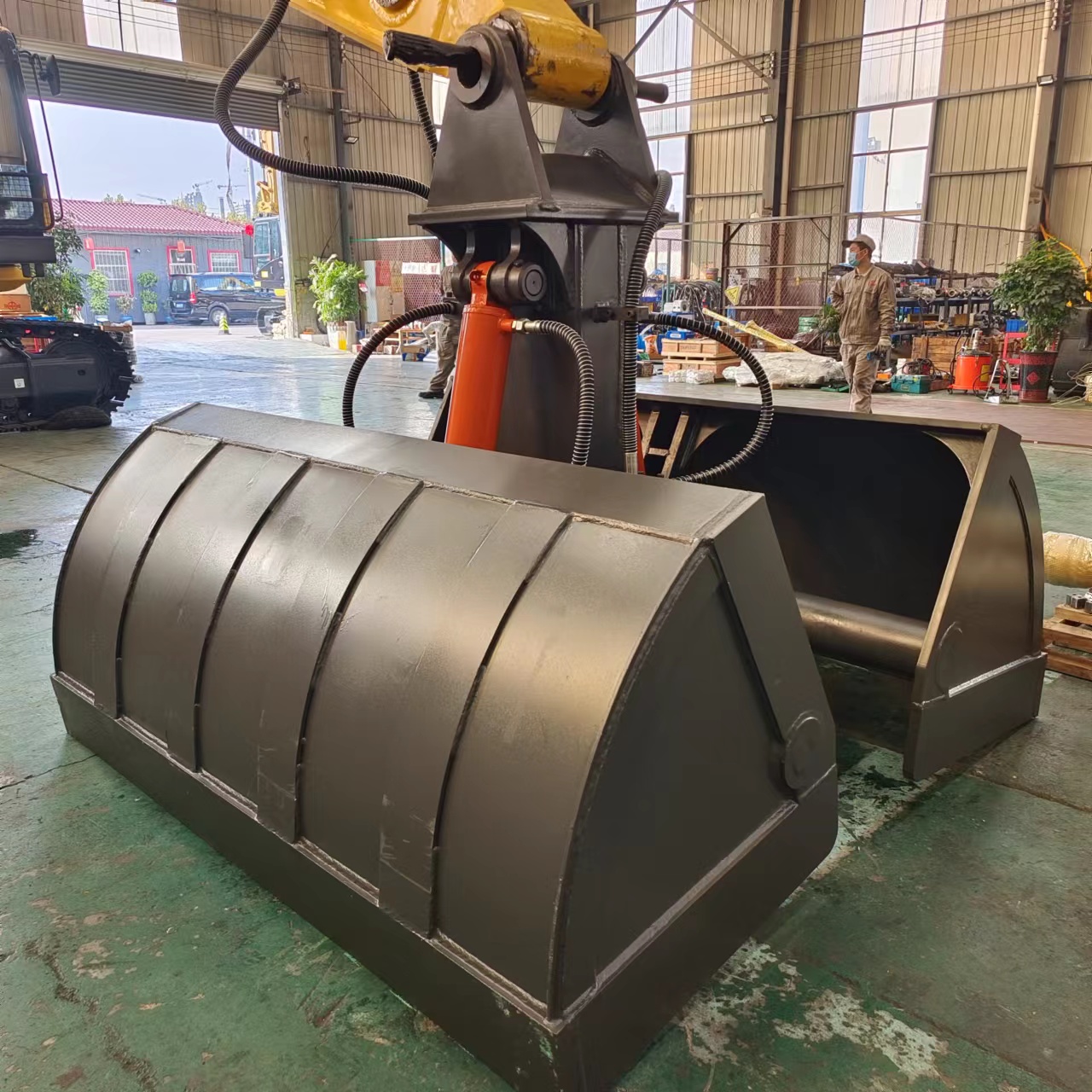
The cutting edges of the clamshell bucket are subject to intense wear, especially when working with abrasive materials. As the edges wear, the digging efficiency of the bucket decreases, requiring more energy and time to complete the task. Replacing worn cutting edges restores the bucket's ability to effectively penetrate material, reducing stress on the machine and increasing overall productivity. When replacing cutting edges, make sure you use high quality wear resistant materials that meet or exceed the original specifications.
Hydraulic Cylinder Repair: Restoring Grab Bucket Power
Hydraulic cylinders are critical to the operation of the clamshell bucket, providing the force required to open and close the bucket halves. Over time, seals can wear out, causing leaks and loss of pressure. Repairing or rebuilding hydraulic cylinders includes replacing seals, pistons and rods as needed. This process requires precision and experience to ensure proper alignment and sealing. In some cases, replacing a complete cylinder may be more cost-effective, especially if the cylinder body shows signs of significant wear or damage.
Replacing the Pivot Pin: Keeping the Bucket Operating Smoothly
Hinge pins are pivot points that allow smooth opening and closing. clamshell bucket . These components are subject to significant stress and can wear out over time, causing the bucket to play or seize. Replacing worn pivot pins and bushings restores the tight tolerances needed for precise operation. When performing such repairs, it is critical to use materials that meet original specifications and ensure proper lubrication to extend the life of new components.
Effective bucket repair and maintenance is critical to maximizing the efficiency and longevity of this critical equipment. Regular inspections, timely troubleshooting and the use of high-quality spare parts will significantly extend the life of your grab bucket and improve overall productivity. Remember that you can do some maintenance work yourself, but complex repairs and major repairs are best left to experienced professionals. Investing in proper maintenance and timely repairs will ultimately result in reduced downtime, lower operating costs and increased productivity on your jobsites.