
Typical maintenance and service life of a railway track sweeper
Typical Maintenance and Lifespan railway sweepers The lifespan of these critical components depends on a number of factors, including frequency of use, operating conditions, and maintenance practices. Regular maintenance, performance adjustments, and understanding the factors that affect their longevity are critical to maximizing the efficiency and longevity of these critical equipment components.
Service
Proper maintenance is key to the longevity and optimal performance of railway sweepers. A properly maintained sweeper not only works more efficiently, but also saves you significant money in the long run. Let's look at the key aspects of maintaining these important pieces of railroad equipment.
Regular cleaning and inspection of sweeper components
The first step in maintaining railroad sweepers is to regularly clean and thoroughly inspect all components. This process involves removing accumulated dirt, debris, and other contaminants that can reduce the performance of your sweeper. Cleaning should be done after each use or at regular intervals, depending on the frequency of use.
During cleaning, professionals should pay special attention to brushes, vacuum systems, and debris collection mechanisms. These components are subject to wear and tear due to constant contact with abrasive materials. Regular inspections will help identify any signs of damage or excessive wear, allowing for timely repair or replacement.
It's also crucial to inspect the hydraulic systems for leaks and signs of wear. Electrical components, including sensors and control systems, should be inspected for loose connections or damage that could affect the sweeper's operation.
Lubrication and replacement of worn parts
Proper lubrication is essential to reduce friction and wear on moving parts.Railway track sweeping machinesThey contain numerous moving components that require regular lubrication to ensure smooth operation. These include bearings, gears, and hinges. Using the correct type of lubricant recommended by the manufacturer is critical for optimal performance and longevity.
Like any mechanical equipment, some parts of railway sweepers wear out over time. Regular inspections help identify worn components before they lead to more serious problems. Common parts that may require replacement include:
Brushes and brooms
Belts and chains
Filters (air, hydraulic and fuel)
Seals and gaskets
Replacing these parts promptly not only maintains the efficiency of your cleaning machine, but also prevents more costly repairs in the future.
Calibrating sweepers for optimal performance
Regular calibration of the sweeping mechanisms is necessary to ensure maximum performance of sweepers. This process involves adjusting various components to maintain optimal cleaning patterns and debris removal efficiency.
Calibration typically includes:
Adjusting brush height and pressure
Fine-tuning the vacuum suction power
Alignment of conveyor systems
Checking and adjusting sensor parameters
By maintaining these mechanisms in proper condition, operators can ensure that the sweeper effectively removes debris while minimizing unnecessary wear on components and track surfaces.
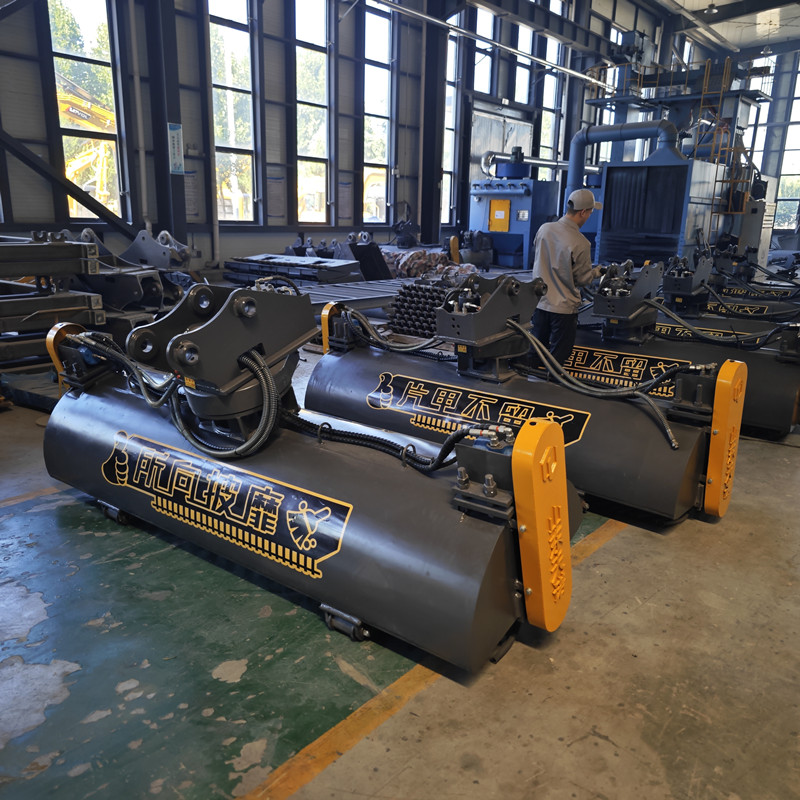
Operational adjustments
While proper maintenance is the foundation of sweeper care, operational adjustments play a critical role in improving efficiency and extending the life of the equipment. These adjustments allow operators to fine-tune the sweeper's performance based on track conditions, debris type and environmental factors. Let's look at key operational adjustments that can have a significant impact on efficiency.railway sweepers.
Adaptation of cleaning schemes to different track conditions
Railroad tracks can vary greatly in their configuration, curvature, and the type of infrastructure passing through them. Adapting cleaning regimens to these different conditions is critical to thorough cleaning and maintenance. For example:
Straight paths allow for continuous high-speed cleaning.
Curved areas may require lower speed and brush angle adjustments.
Areas with arrows and transitions require increased attention and possibly multiple passes.
Operators must be trained to recognize these changing conditions and adjust their sweeping technique accordingly. This may include changing the sweeper speed, varying the brush speed, or adjusting the brush angle relative to the rails.
Adjustable speed and pressure for effective debris removal
The efficiency of debris removal depends directly on the sweeper's speed and the pressure generated by the brushes or vacuum systems. Different types of debris require different approaches:
Light debris such as leaves or paper may require higher speeds and less brush pressure.
Heavy debris or compacted material may require lower speeds at higher pressures.
Wet conditions may require adjustments to the vacuum cleaner's power or brush type.
Operators must be able to adjust their operations in real time based on current conditions. This flexibility ensures that the sweeper can effectively clear the tracks without causing unnecessary wear and tear on the equipment or the tracks themselves.
Optimizing sweeper settings for different weather conditions
Weather plays a significant role in the performance of sweepers. Different weather conditions can impact both the nature of the debris and the performance of the sweeper itself. Optimizing settings for different weather conditions may include:
Increased brush pressure in wet conditions to combat slippery leaves
Adjustable suction power for clearing snow or ice
Changing the cleaning pattern during strong winds to prevent litter scattering
Adaptation to temperature changes affecting the viscosity of hydraulic fluid
By considering these factors and making appropriate adjustments, operators can ensure that road sweepers operate effectively year-round, helping to improve the safety and reliability of rail operations.
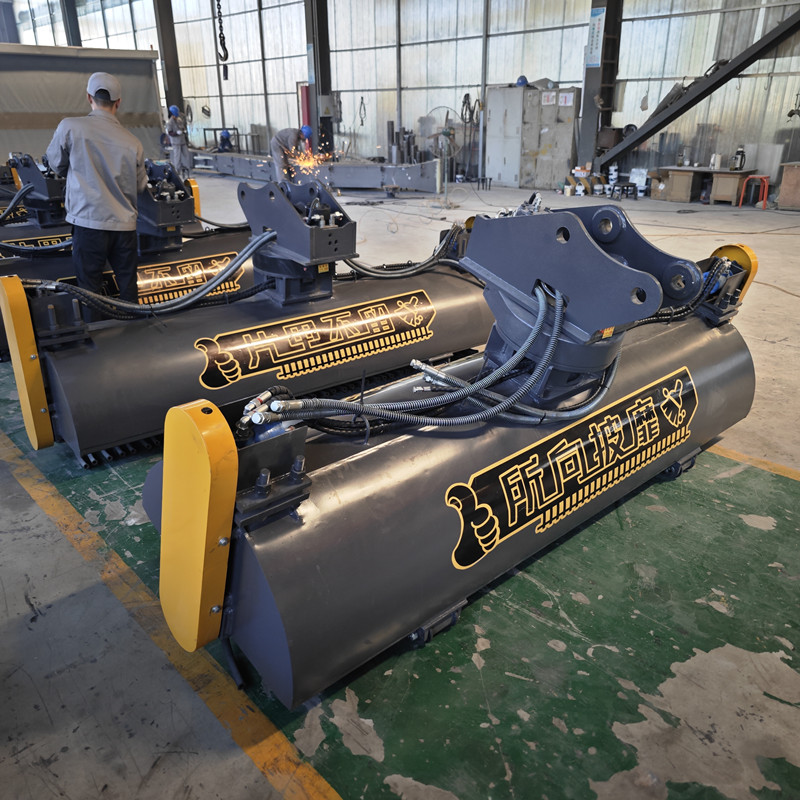
Lifespan
Understanding the service life of road sweepers is crucial for long-term planning and budgeting for railway maintenance. The longevity and durability of these machines can vary significantly depending on a number of factors. Let's look at the key aspects that influence service life. railway track sweepers and how to maximize their service life.
Factors Affecting the Durability of Railroad Sweepers
Several factors influence how long a railroad sweeper will remain operational and effective:
Frequency of Use: Sweepers that are used daily will naturally wear out faster than those that are used less frequently.
Operating conditions: Harsh conditions with extreme temperatures, high humidity or corrosive elements may accelerate wear.
Quality Maintenance: Regular and careful maintenance can significantly extend the life of your sweeper.
Operator skills: Well-trained operators who use equipment correctly can help prevent unnecessary strain and damage.
Build Quality: The initial quality of the sweeper, including the materials and manufacturing standards, plays a decisive role in its durability.
Technological advancement: Older models may become obsolete as newer, more efficient technologies emerge.
Average service life and replacement intervals
The average lifespan of a railroad sweeper can vary significantly, but with proper maintenance and care, many models can last 10 to 15 years. However, this is only a general estimate, and actual lifespan may vary depending on the factors mentioned above.
The replacement intervals for individual components of the cleaning machine have been increased:
Brushes: Typically changed every 3-6 months, depending on usage.
Filters: Typically changed every 100–200 hours of operation.
Hydraulic fluids: Changed frequently, annually or every 1,000 hours of operation.
Major mechanical components: May require replacement or major overhaul every 3-5 years.
It is important to note that these are general guidelines and actual replacement intervals should be based on the manufacturer's recommendations and regular testing.
Extending the life of your sweeper through proper maintenance and modernization
While eventual replacement of railway track cleaning machines is inevitable, there are several strategies to extend their service life:
Adherence to Maintenance Schedules: Following the manufacturer's recommended maintenance procedures is critical to longevity.
Prompt repairs: Fixing problems as soon as they are discovered can prevent more serious damage.
Operator Training: Ensuring operators are properly trained in proper operation and daily maintenance can significantly reduce wear and tear.
Environmental Protection: Storing sweepers indoors when not in use can protect them from harmful environmental influences.
Regular Updates: Implementing technology updates (whenever possible) can improve efficiency and extend service life.
Component refurbishment: Some major components can be refurbished rather than replaced, which is a cost-effective way to extend their service life.
By implementing these strategies, rail maintenance crews can maximize the life of their sweepers, ensuring optimal performance and cost effectiveness over time.
Sweeper maintenance is critical to ensuring the safety and efficiency of railway networks. Regular cleaning, inspection and calibration keep these critical machines operating at peak performance, promoting smoother, safer driving. By adapting to varying track and weather conditions, operators can maximize the efficiency of their road sweepers while minimizing wear and tear. Understanding the factors that influence road sweeper life and implementing strategies to extend it can lead to significant cost savings and improved reliability for railroad maintenance operations.