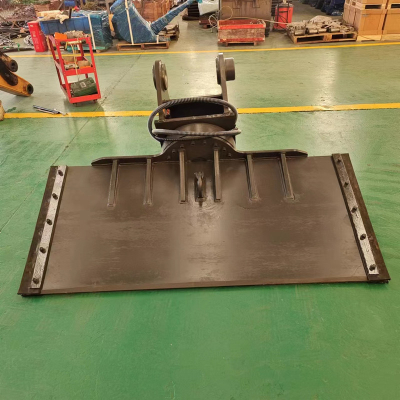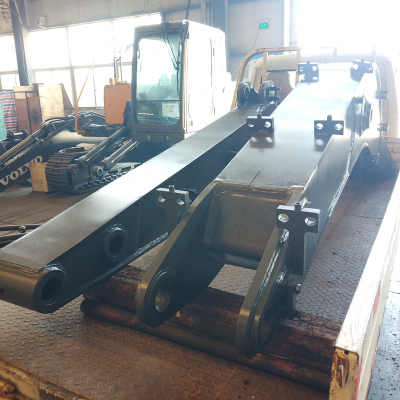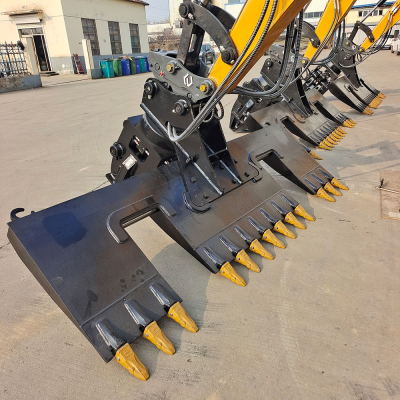

What are the parts of an excavator called?
Excavator boom, the most important component of any excavator,consists of severalimportant parts that work together to ensure efficient digging, lifting and handling of materials. These parts include the main boom structure, stick (or arm), bucket, hydraulic cylinders, pins and housings. Each element plays a vital role in the functionality of the excavator, allowing operators to perform a variety of tasks with precision and power in industries such as construction, mining and demolition.
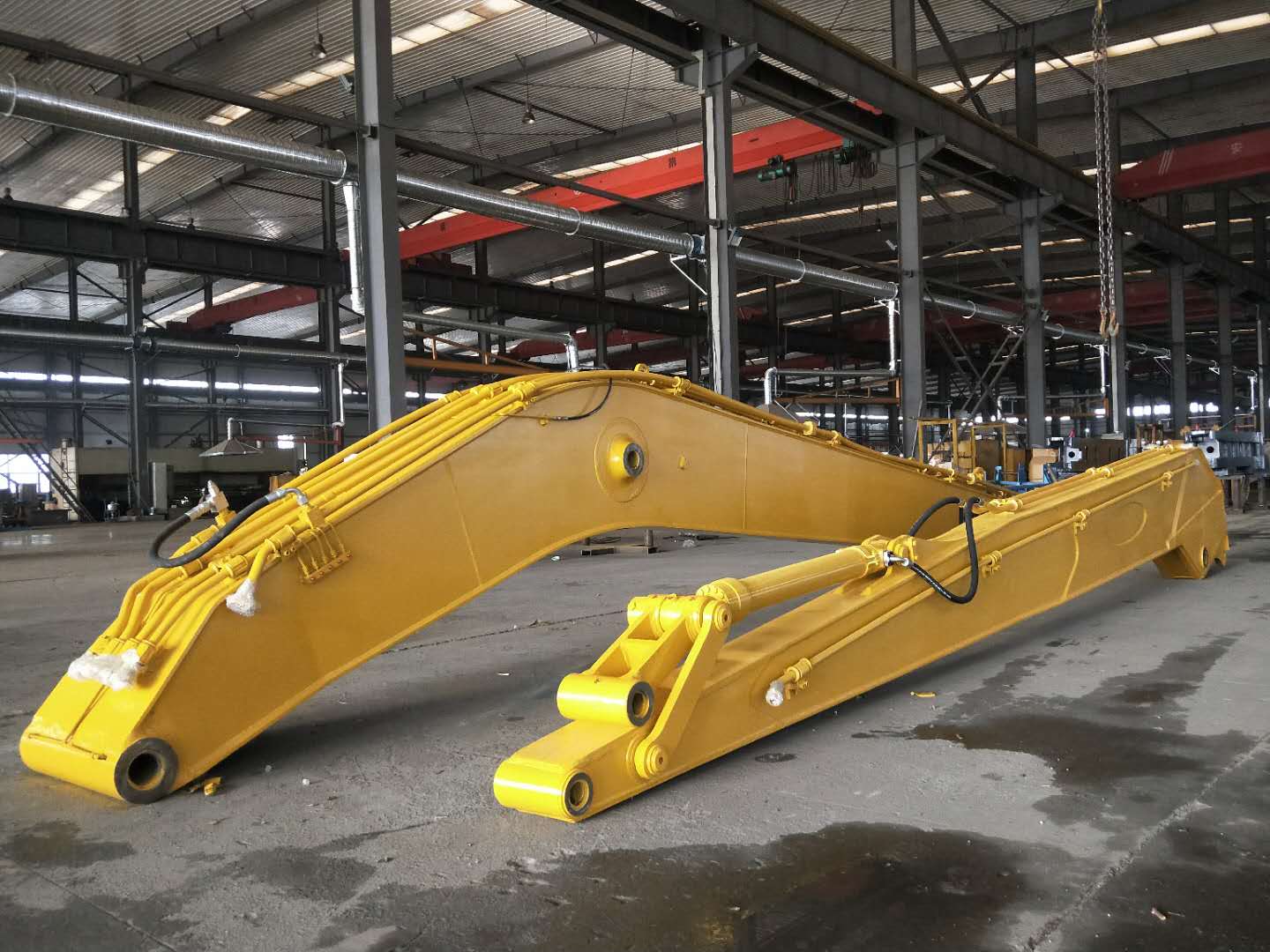
Main components of boom assembly
Boom structure: hand, stick and bucket joint
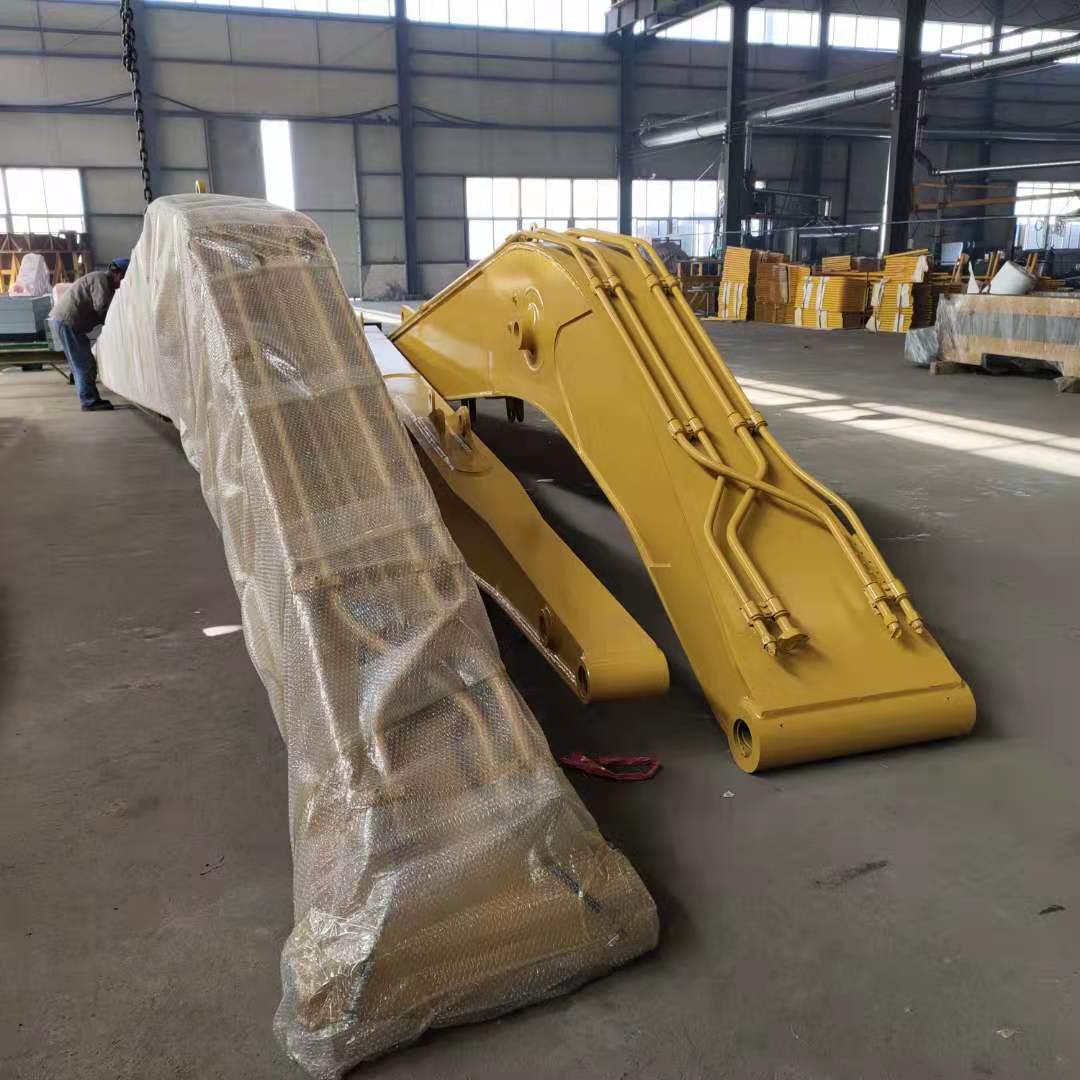
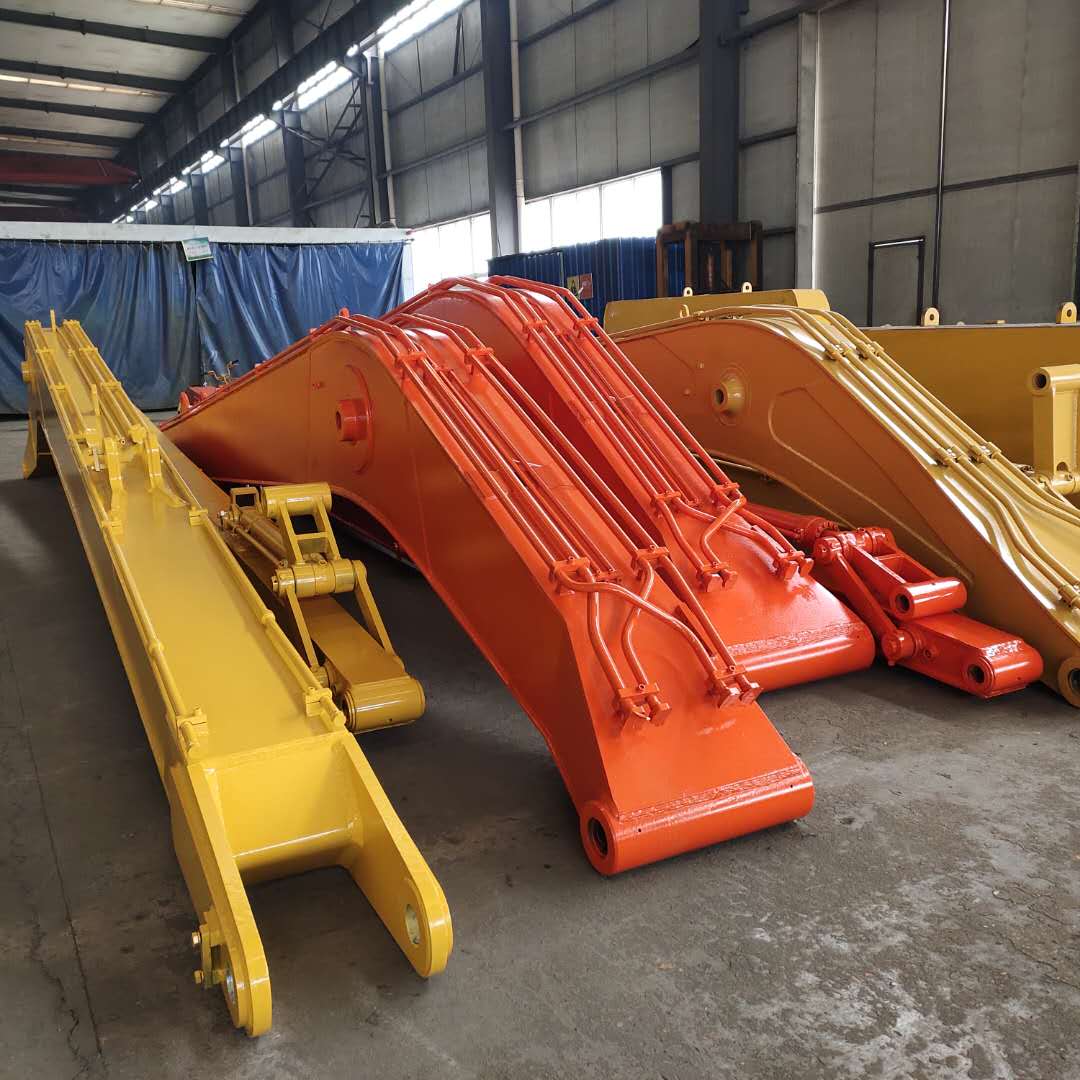
Excavator structureforms the basis of the excavator arm system. This is a strong, usually hollow metal beam that connects the main body of the excavator to the stick and bucket. The main function of the boom is to provide the necessary reach and lift for various operations.
The arm, also known as a dipper or dipper, is attached to the end of the boom. It controls the bucket's reach and digging depth. The dipper's length can vary depending on the size of the excavator and its intended use, with longer dippers offering greater reach but potentially sacrificing some lifting power.
At the end of the pole, you'll find the attachment point for the bucket. Buckets come in various sizes and shapes, each designed for specific tasks, such as digging, classifying, or handling materials. The connection between the pole and the bucket is crucial for transmitting energy and maintaining stability during work.
Hydraulic system: Excavator movement
The hydraulic system is the excavator's driving force. It consists of hydraulic cylinders, pumps, valves, and hoses that work together to provide the force needed to lift, extend, and pull the boom assembly.
Hydraulic cylinders are located at key points along the boom and stick. These cylinders use pressurized hydraulic fluid to generate the necessary force for movement. The main boom cylinder controls the up and down movement of the entire boom assembly, while the stick cylinder controls the extension and retraction of the stick.
The efficiency of a hydraulic system is critical to the overall performance of an excavator. Well-maintained hydraulics ensure smooth, precise movements and optimal power transmission, which is essential for tasks requiring both strength and precision.
Pivot Boom: Allows for smooth rotation and flexibility
The boom pivot is a critical connection that connects the boom to the excavator's main body. This pivot point allows the boom to rotate horizontally, giving the machine its characteristic rocking motion. The boom pivot consists of heavy-duty bearings and seals that can withstand the enormous forces exerted during operation.
The flexibility provided by the boom support is essential for efficient excavation and material handling. It allows operators to precisely position the boom without moving the entire machine, saving time and increasing productivity in tight spaces.
Regular maintenance of the boom support link is crucial to ensure smooth rotation and prevent wear that can lead to reduced performance or costly repairs. Proper lubrication and periodic inspections can significantly extend the life of this vital component.
Function of cylinders and pins
Boom cylinders: control up and down movement
Boom cylinders are the muscular hydraulic components responsible for the vertical movement of the excavator boom. These powerful cylinders are usually mounted between the main frame of the excavator and the boom structure. When activated, they stretch or recede, causing the boom to rise or fall. The size and capacity of boom cylinders vary depending on the size of the excavator and the intended use. Larger machines designed for heavy duty work will have larger cylinders capable of generating more force. Precise control of these cylinders is critical for tasks that require careful positioning, such as pipe placement or lifting heavy objects.
Boom cylinders work in tandem with the hydraulic system to ensure smooth, controlled movements. The operator can adjust the speed and power of the boom by regulating the flow of hydraulic fluid to these cylinders. This level of control is essential for efficient and safe operation in a variety of jobs and tasks.
Spike joints: providing stability and range of motion
Spline joints are critical connection points throughout the excavator boom assembly. These joints allow for rotational movement between the various components while maintaining structural integrity. You'll find spline joints at the connections between the boom and the excavator body, the boom and the pole, and the pole and the bucket.
The studs used in these connections are usually made of high-strength steel to withstand the enormous forces they encounter during operation. They are designed to distribute stress evenly across the joint, preventing premature wear and ensuring long service life.
Proper pin joint maintenance is critical to optimal excavator performance. Regular lubrication helps reduce friction and wear, while periodic inspections can identify potential problems before they cause costly downtime. Some modern excavators are equipped with automatic lubrication systems to simplify this maintenance task.
Knuckle Boom: Increasing Excavator Versatility
A key boom, also known as a joint boom, is a specialized type of excavator boom that offers increased flexibility and reach. This design incorporates an additional joint into the boom's structure, allowing for a wider range of motion compared to traditional straight booms.
An additional articulation point on the masonry boom allows operators to more easily maneuver the bucket or fixture around obstacles. This feature is especially valuable in tight spaces or when working on complex projects that require precise positioning.
While masonry booms offer increased versatility, they also introduce additionalcomplexity in the design of the excavatorThe additional connection means more moving parts and potential maintenance points. However, for many operators, the added flexibility and improved reach make masonry booms a valuable investment for certain applications.
Identification of boom parts prone to wear
Bearings and Bearings: High Friction Zones to Monitor
Bearings and bearings play a critical role in the smooth operation of the excavator boom assembly. These components are found at various pivot points and connections where they reduce friction between moving parts and help distribute loads evenly. Due to their constant exposure to high pressure and motion, bearings and bearings are among the most susceptible parts of the boom assembly to wear.
Regular inspection of these components is essential to detect signs of wear early. Symptoms of worn shoes or bearings may include increased play in the joints, unusual noises during operation, or visible discoloration on surfaces.Timely replacement worn housings and bearings can prevent more serious damage to other boom components and maintain overall excavator performance and efficiency.
Some modern excavators have sealed or lubricated-for-life housings, which can significantly extend service intervals. However, even these advanced components require periodic inspection to ensure they are functioning properly.
Hydraulic Seals: Prevent Leaks and Maintain Power
Hydraulic seals are critical components in excavator cylinders and other hydraulic components. These seals prevent hydraulic fluid leakage, ensuring the system maintains proper pressure and operates efficiently. Over time, high pressure and constant movement can cause these seals to wear out or deteriorate.
Leaking hydraulic seals can cause several problems, including reduced power, reduced precision in boom movements, and potential environmental contamination from hydraulic fluid leaks. Regular visual inspections can help identify early signs of seal failure, such as oil stains or moisture around cylinder ends or hydraulic fittings.
Prompt replacement of worn hydraulic seals is critical to maintaining excavator performance and preventing wider damage to the hydraulic system. Many operators opt for preventative seal replacement during scheduled maintenance to minimize the risk of unexpected failures during critical operations.
Boomer's Advice: A stress point that requires regular inspection
The end of the boom, where the boom pole attaches to the main boom structure, is a critical stress point in the excavator arm assembly. This area experiences significant forces during operation, especially when the boom is fully extended or when performing heavy tasks.
Regular inspection of the boom end is important to detect any signs of stress, such as cracks, deformation, or excessive wear at the attachment points. Early detection of problems in this area can prevent catastrophic failures that could lead to significant downtime and repair costs.
Boom end maintenance often includes checking and tightening bolts, inspecting welds, and ensuring proper lubrication of moving parts. Some manufacturers recommend periodic non-destructive testing, such as ultrasonic or magnetic particle inspection, to detect hidden defects in the boom end structure.
Understanding the names and functions of excavator parts is critical to efficient operation and maintenance. From the basic structure of the boom to the complex hydraulic systems, each component plays a vital role in the operation of the excavator. Regular inspections, timely maintenance and proper operation can greatly extend the life of these parts, ensuring that your excavator remains a productive asset on any job site. By staying up to date with the latest innovations and best practices for excavator maintenance, operators and fleet managers can optimize the performance of their equipment and reduce overall operating costs.