
What causes an excavator boom to fail?
Excavator boom Cracks can significantly impact the performance and safety of heavy equipment. These structural problems often arise from a combination of factors, including long-term fatigue loading, weld defects, corrosion and wear. Understanding these reasons is critical for construction, mining and demolition companies to effectively maintain equipment and ensure optimal performance. Let's look at the main causes of cracked booms and look at preventive measures that will extend the life of these important components.
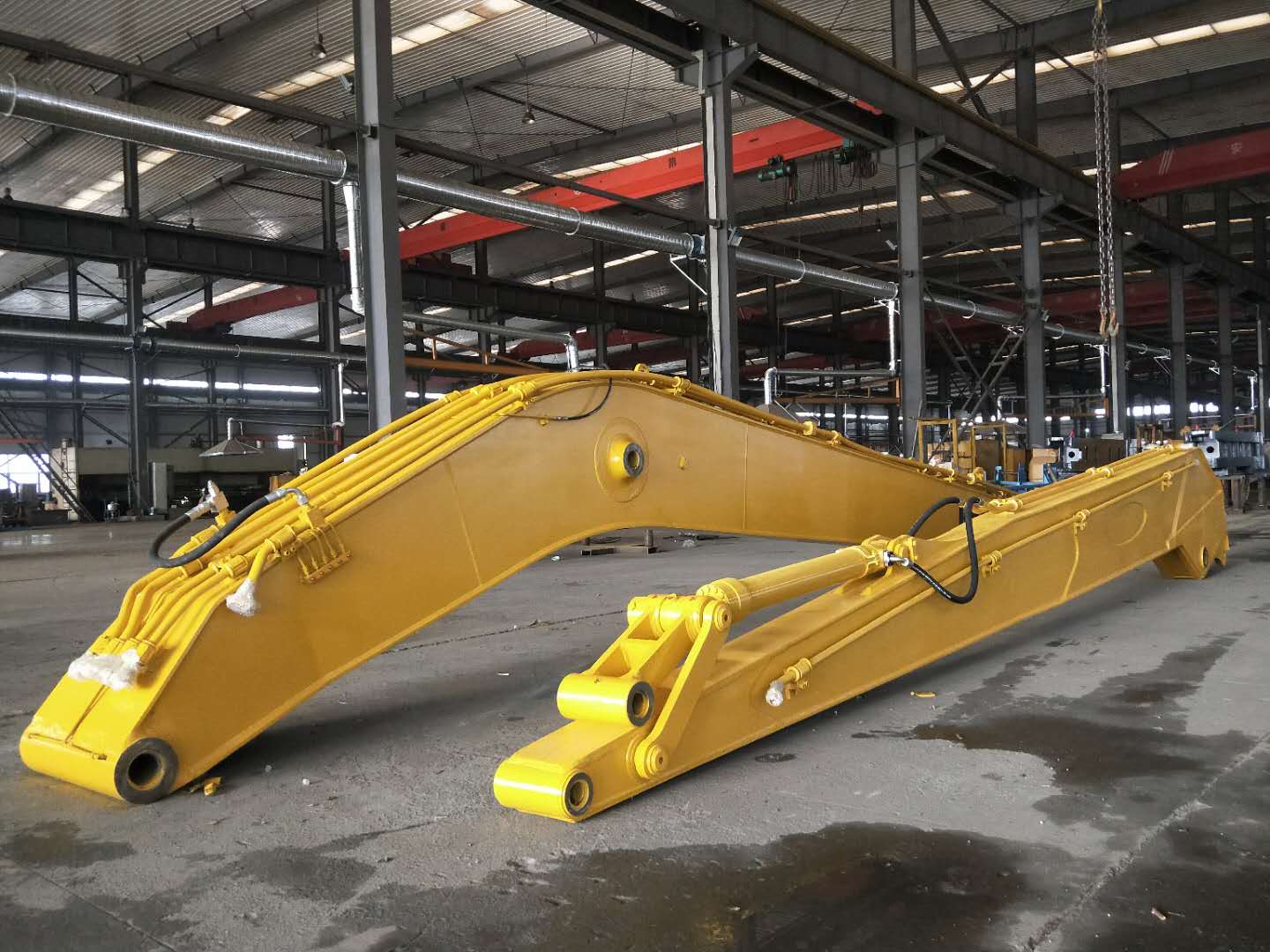
Long-term fatigue load
Overload: the main cause of arrow fatigue
Overload is a significant cause of cracks in excavator booms. When operators consistently exceed the machine's design capacity, it places excessive stress on the boom structure. These repeated overloads can lead to metal fatigue, which weakens the boom over time and eventually leads to cracks. It is critical for equipment managers and operators to adhere to the manufacturer's load limits to prevent premature wear.
Repeated stress cycles: cumulative damage to booms
Even when operating within the recommended load, excavator boomsDuring normal operation they are subjected to repeated stress cycles. Every time the boom extends, retracts, or is loaded, it experiences tension. Over thousands of cycles, this cumulative stress can cause microscopic damage to a metal structure. These tiny defects can develop into larger cracks if they are not addressed promptly. Regular inspections and non-destructive testing help identify early signs of fatigue damage before they develop into more serious problems.
Improper Maintenance: Accelerating Fatigue Cracks
Neglecting proper maintenance can accelerate the formation of fatigue cracks in excavator booms. Failure to promptly lubricate hinge joints, replace worn bushings, or repair minor damage can increase the load on the boom structure. Additionally, improperly adjusted hydraulic systems can result in uneven load distribution, further exacerbating fatigue problems. Implementing a comprehensive maintenance schedule that includes regular inspections, lubrication and timely repairs is critical to preventing premature boom failures and ensuring equipment longevity.
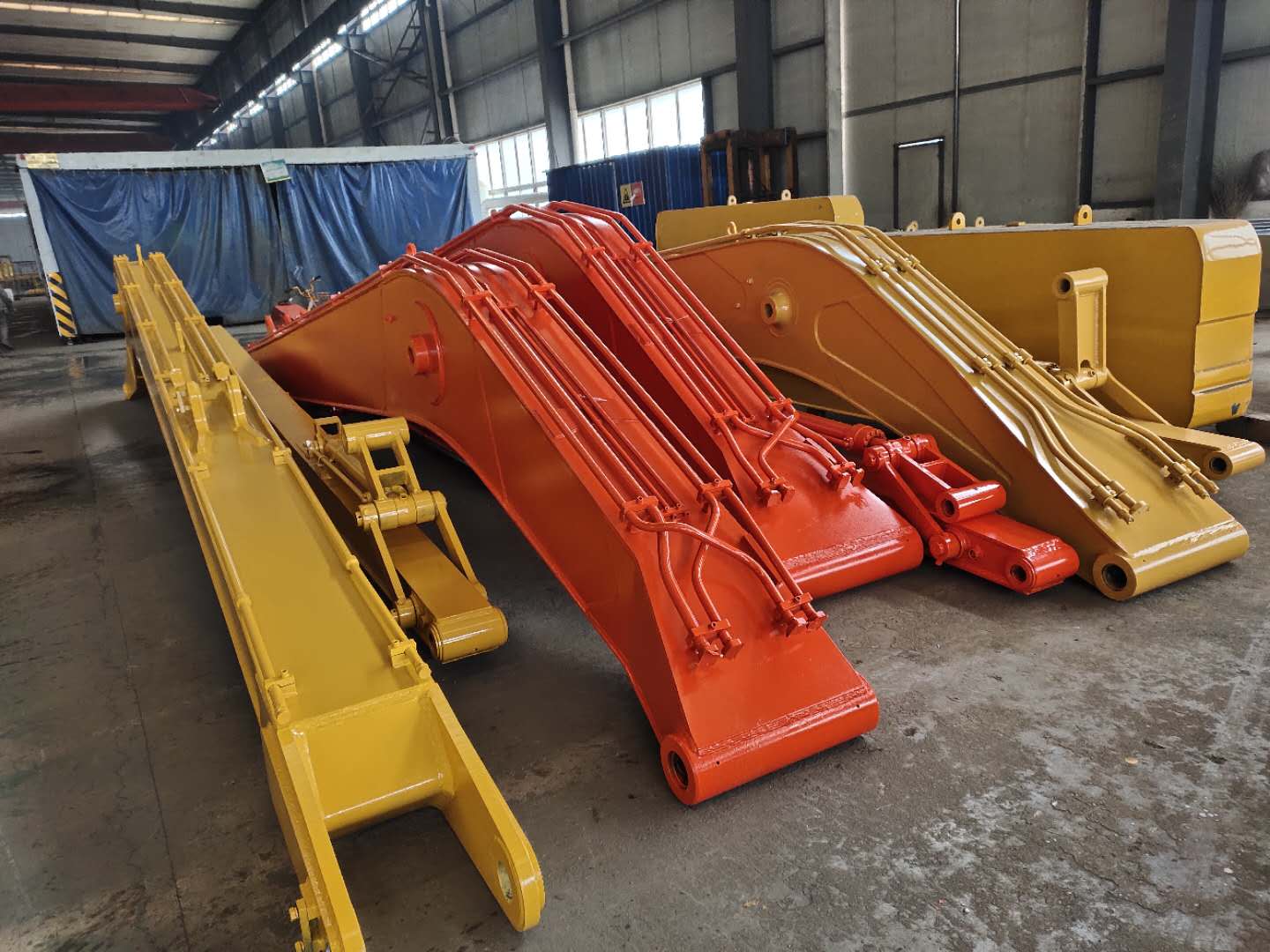
Welding quality defects
Improper welding techniques: weakening the structural integrity of the boom
The quality of welding plays a critical role in the integrity of the structure. excavator boomsImproper welding techniques can create weak spots that can become hotspots for cracks. Insufficient welding, lack of fusion, or excessive heat input during welding can lead to stress concentrations in the boom structure. These defects may not be immediately noticeable, but can lead to catastrophic failure under load. To maintain the integrity of the boom, it is essential that all welding work is performed by certified professionals using the proper techniques and equipment.
Inadequate heat treatment: reduced weld strength
Proper heat treatment is critical to maintaining the strength and durability of excavator boom welds. Insufficient or incorrect heat treatment can lead to stress cracking in welds. The heat affected zone (HAZ) around the weld can become brittle or too soft depending on the cooling rate and post-weld heat treatment. This can lead to premature boom failure, especially in high load areas. Implementing strict quality control measures and following the manufacturer's recommended heat treatment procedures are critical measures to prevent cracking in welds.
Weld Porosity: Creating Stress Points
Weld porosity, characterized by the presence of small voids or gas pockets in the weld metal, can significantly reduce the strength of excavator booms. These tiny defects serve as stress concentration points, creating ideal conditions for crack initiation and propagation. Porosity can be caused by improper use of shielding gas, contamination of the base material, or incorrect welding parameters. Regular inspection of welds using non-destructive testing methods such as ultrasonic or radiographic testing can help identify porosity problems before they lead to boom failure. Correcting these defects promptly through proper repairs is critical to maintaining the structural integrity of the excavator boom.
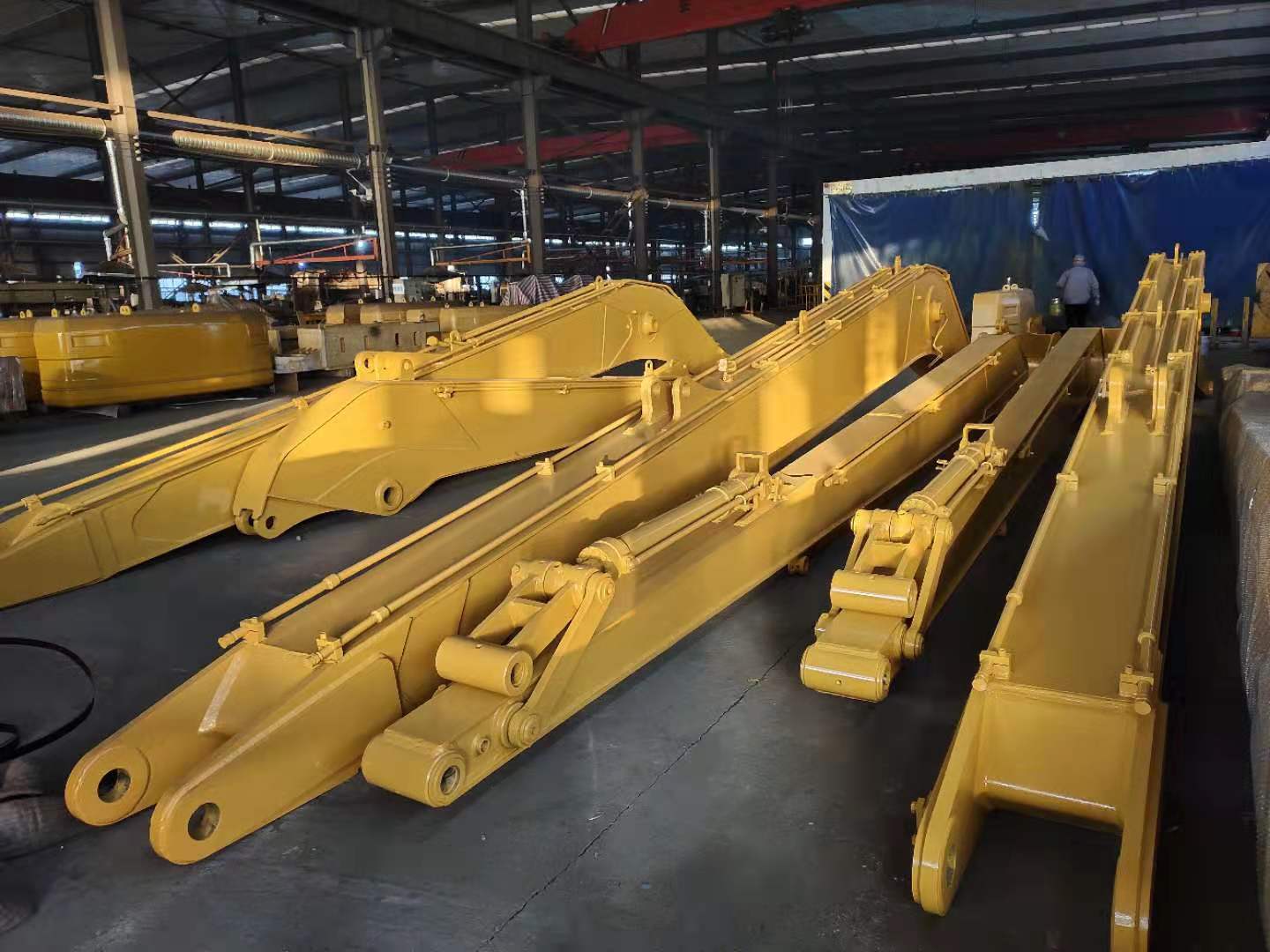
Corrosion and wear
Environmental factors: accelerated boom corrosion
Environmental conditions play an important role in corrosion excavator boomsExposure to moisture, salty air in coastal areas, and chemical pollutants can accelerate the corrosion process, weakening the metal structure over time. This corrosion can lead to pitting and surface irregularities that act as stress points, increasing the risk of the boom cracking under load. Good storage practices, the use of corrosion-resistant materials where possible, and the application of protective coatings can help reduce the effects of corrosion on excavator booms.
Abrasive materials: cause premature wear of arrows
Working with abrasive materials such as sand, gravel or rocky soil can cause significant wear on excavator arms. This abrasive action gradually breaks down the boom's surface, reducing its thickness and weakening its overall structure. As boom material thins, it becomes more prone to cracking under normal operating loads. Using wear-resistant materials or protective pads in high-wear areas of the boom can extend boom life and reduce the likelihood of cracking due to loss of material.
Lack of protective coatings: booms are susceptible to damage
The absence or degradation of protective coatings makes excavator booms vulnerable to various types of damage. Without proper protection, arrows are more susceptible to corrosion, abrasion and impact damage, which can contribute to cracking. Regular inspection and maintenance of protective coatings, including prompt repair of any damaged areas, is critical to maintaining the structural integrity of the boom. Application of high-quality, durable coatings that are suitable for operating conditions can significantly extend the life of excavator booms and reduce the risk of cracking.
Understanding the causes of cracks in excavator booms is critical to ensuring the safety and efficiency of heavy equipment. By addressing long-term fatigue loading, ensuring weld quality, and protecting against corrosion and wear, equipment operators can significantly extend the life of their excavator booms. Regular inspections, proper maintenance and following manufacturer's recommendations are key to preventing costly breakdowns and downtime. As the construction and mining industries evolve, knowledge of equipment maintenance best practices will be critical to optimizing productivity and safety in challenging work environments.