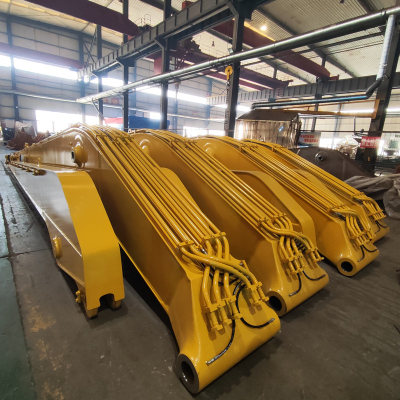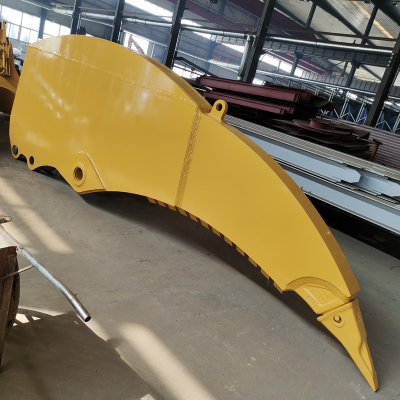

What are the sizes of the rocks' hands?
Excavator rock leversAvailable in a variety of sizes, typically from 2 to 6 meters in length, this powerful attachment is designed for working in rough terrain and breaking through dense rock pores.
The size of the rock boom depends on the excavator's lifting capacity and specific job requirements. Larger excavators can be equipped with longer, more robust rock booms, while smaller machines use compact versions.
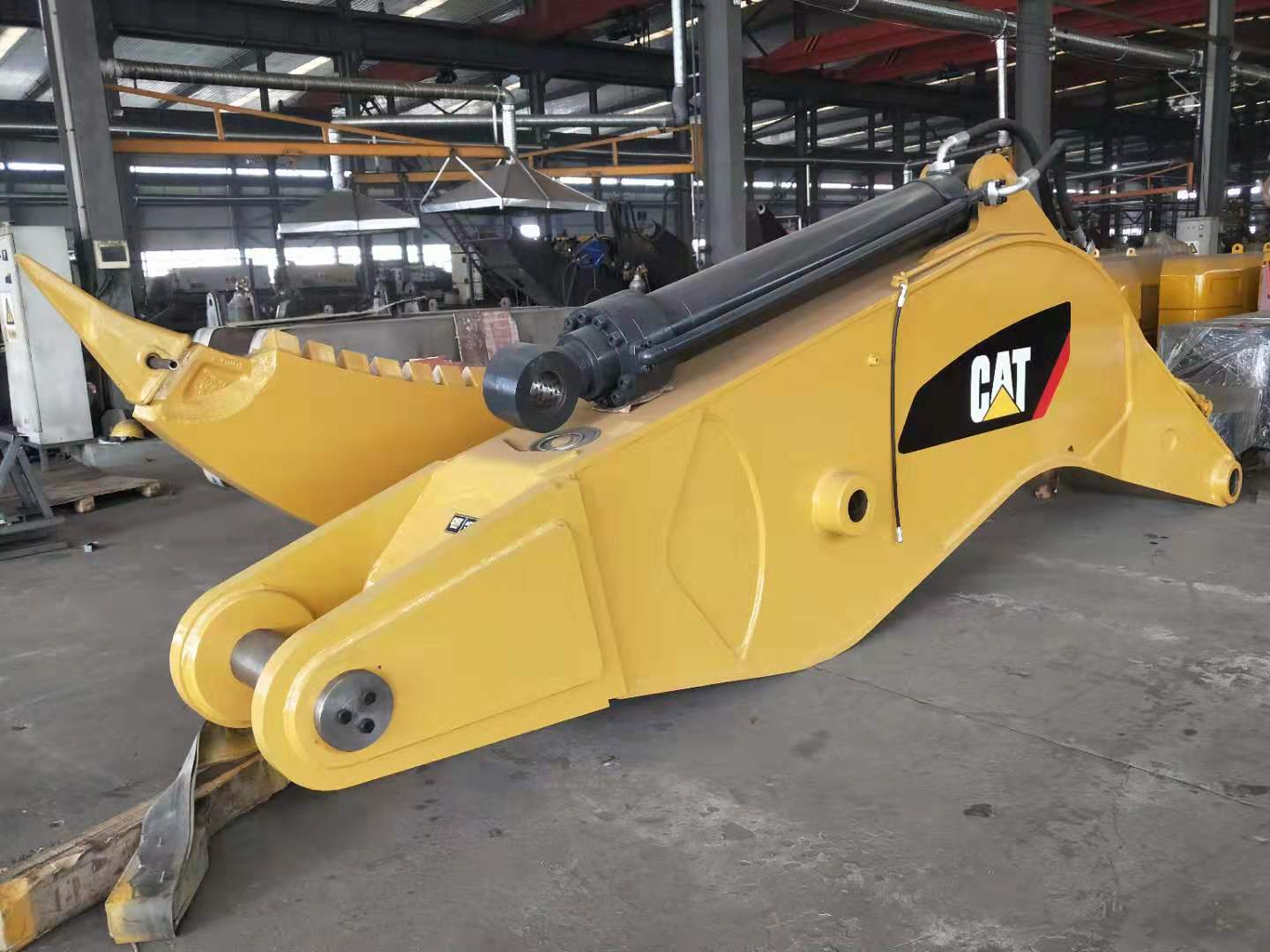
Excavator boom dimensions
Measuring the length and width of an excavator boom
When it comes toexcavator rock leversAccurate measurements are essential to ensure optimal performance. The length of a rock excavator arm is usually measured from the attachment point to the tip of the hammer or ripper. This can vary from 2 meters for compact excavators to over 6 meters for large mining machines. The width of the arm, in turn, is usually determined by the thickness of the main beam and can vary from 0.5 to 1.5 meters depending on the size and power of the excavator.
To accurately measure an excavator boom, experts use laser measuring instruments or traditional tape measures, ensuring that they take into account all the bends and irregularities in the boom structure. It is important to note that the weight of the boom, which can vary from 1 to 15 tons, also plays a decisive role in determining its overall dimensions and compatibility with various excavator models.
Standard sizes for different excavator models
Excavator manufacturers offer rock sticks in standard sizes for a variety of models. For example, a 20 tonne excavator may use a rock arm of 3 to 4 meters in length, while a 50 tonne machine may use up to 5 or 6 meters. These standard sizes are designed to balance reach, digging force and stability across different machine classes.
It is worth noting that rock excavator arm size often correlates with the length of the excavator boom. As a general rule, for optimal performance, a rock excavator's arm length should be approximately 50-60% of the boom length. This ratio helps maintain machine stability and ensures efficient operation on various types of terrain and when working with materials of varying densities.
Special lever sizes for specialized applications
Although standard sizes are suitable for most applications, some projects require special arm sizes. Specialized applications in quarries, tunnel construction, or unique geological formations may require customized lever designs. We can custom design arms to increase boom reach, increase breakout force, or improve maneuverability in tight spaces.
For example, a tunnel construction project may require a shorter, stronger boom that can withstand the intense loads of underground work. Conversely, for quarry work, an extra-long boom can be useful, allowing you to reach hard-to-reach areas while maintaining a safe distance from unstable rocks. These custom solutions demonstrate the versatility of excavator booms, allowing them to adapt to specific job site conditions.
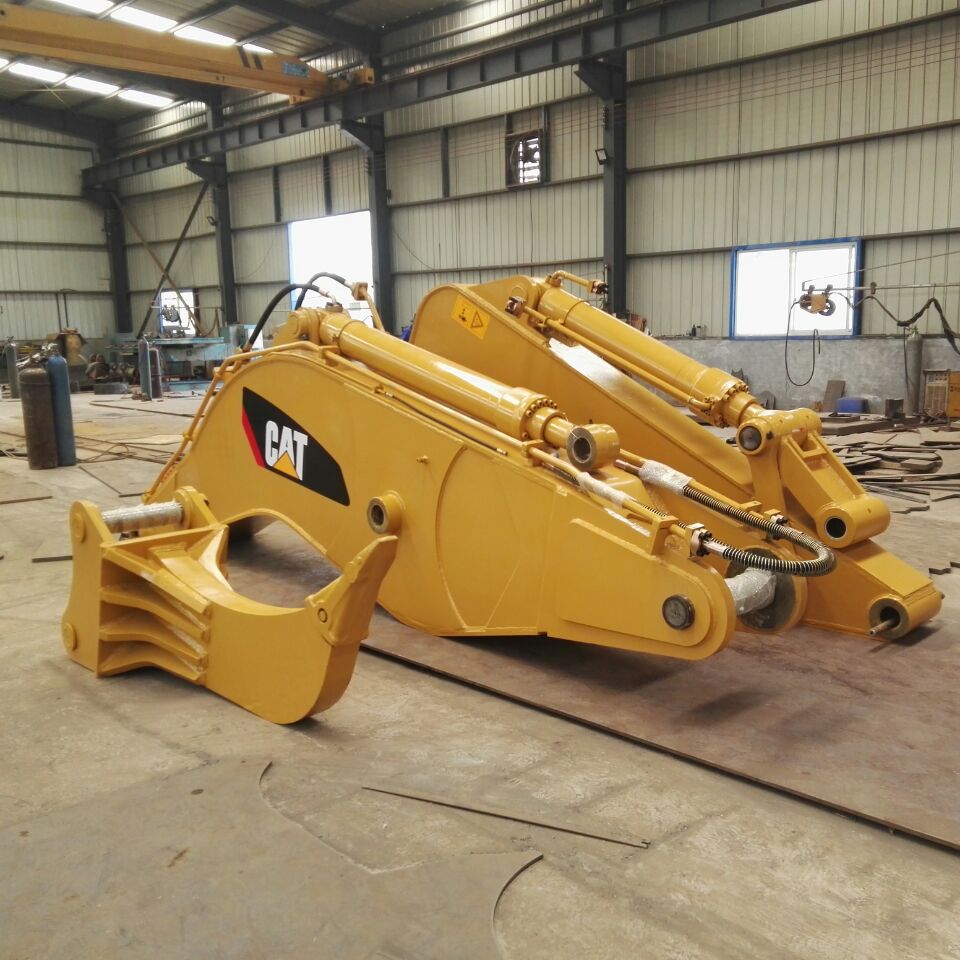
Factors Influencing the Selection of Climbing Lever Size
Requirements for the work site and material density
Selecting the appropriate rock drill arm size begins with a careful assessment of job site conditions. The type of rock being extracted plays a critical role in determining the size of the lever. Softer materials, such as slate or weathered rock, may allow longer arms to be used because less force is required to break them. In contrast, dense granite or basalt rocks may require shorter, more powerful arms to produce the required breaking force.
Job site accessibility also influences boom size selection. Tight spaces or areas with limited height movement can limit the use of larger booms, forcing operators to opt for more compact solutions. Additionally, the required excavation depth can determine the length of the boom, ensuring the machine reaches the required depth without compromising stability and efficiency.
Calculation of excavator performance and power
The size and power of the excavator itself are critical when choosing the appropriate size rock boom. Larger excavators, with increased hydraulic power and stability, can handle longer and heavier rock booms. This provides longer boom reach and greater breakout force, ideal for large-scale quarrying or mining applications.
However, it is extremely important to select the handle size in accordance with the lifting capacity of the excavator and the capabilities of its hydraulic system. A handle that is too large on a smaller machine can cause instability, reduced efficiency, and potential safety hazards. Conversely, an arm that is too small on a high-powered excavator may not reach the machine's full potential, resulting in poor performance and reduced productivity.
Balances reach and digging force for optimal performance
Finding the right balance between reach and digging force is the key to maximum efficiencyexcavator handleLonger arms provide increased reach, allowing operators to cover larger areas without having to move the machine. This can be especially useful in environments where frequent movement is difficult or time-consuming, such as on steep slopes or in quarries.
However, as the length of the handle increases, due to the laws of physics, the available digging force at the end decreases. This trade-off means that while a longer handle may provide greater versatility, it may not be suitable for very hard rock. In such cases, a shorter, stronger handle may be preferable to provide the required breakout force. The ideal stick size strikes a balance between these factors, providing sufficient reach without compromising the machine's ability to effectively handle tough materials.
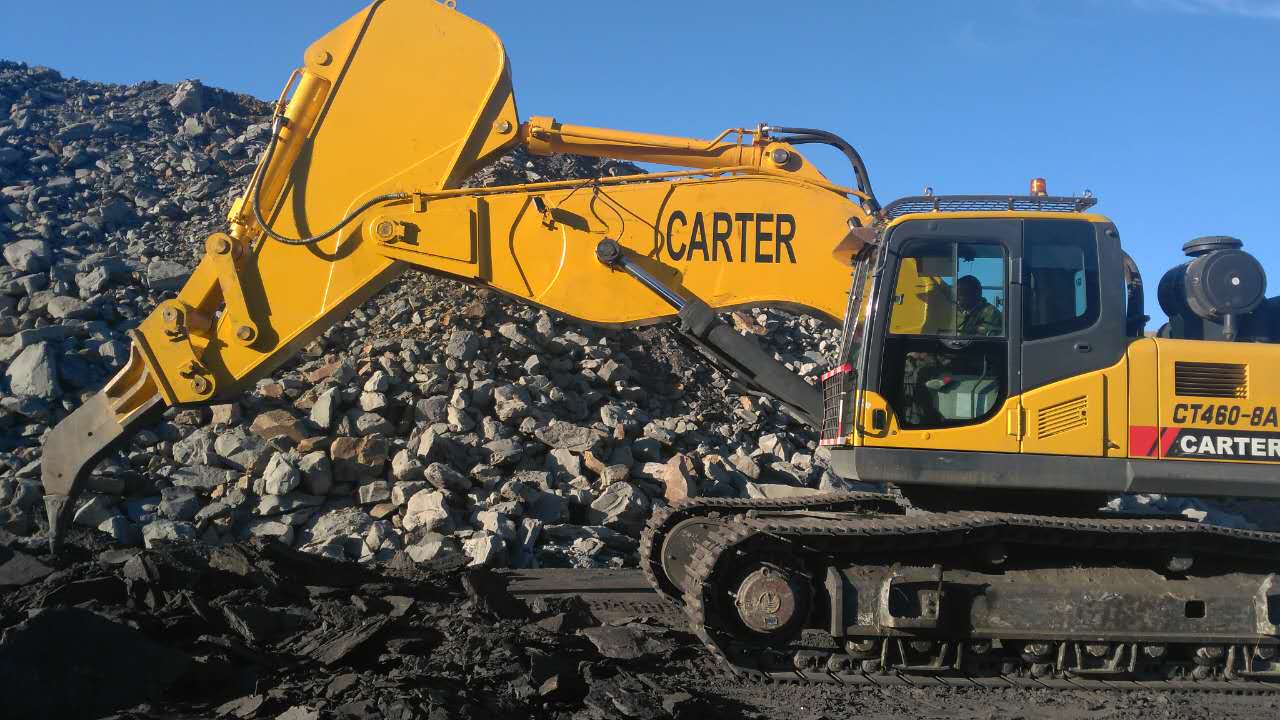
Maximizing efficiency with the right hand size
Matching rock bucket handle size to excavator boom length
Achieve maximum productivity withexcavator handleIt is necessary to carefully consider the length of the machine boom. The boom-to-arm relationship is critical to maintaining proper balance and leverage during operation. As a general rule, the arm length of a rock excavator should be 50-60% of the boom length. This ratio ensures the stability of the excavator when applying maximum force at the point of contact with the rock.
For example, an excavator with a 6-meter boom can be optimally equipped with a rock manipulator with a length of 3 to 3.6 meters. This configuration provides optimal weight distribution and controllability, allowing operators to work effectively on a variety of terrain types and rock densities. It is important to note that depending on specific requirements or site conditions, slight deviations from this ratio may be required.
Increased productivity by choosing the right hand size
Choosing the right stick size can significantly improve productivity on jobsites. The right handle allows operators to work faster and more efficiently, reducing cycle times and increasing overall productivity. In quarrying applications, for example, a properly sized stick can help operators reach and break rock faster, minimizing the need to frequently reposition the excavator.
Moreover, the correct size of the handle improves fuel efficiency. If an excavator is equipped with an arm that is too heavy or too light for its lifting capacity, it may use more fuel to compensate for the imbalance. By selecting a stick that matches the performance of the machine, operators can optimize fuel consumption, resulting in cost savings and a reduced environmental impact over time.
Reduced wear due to appropriate lever dimensions
The longevity of both the excavator and the rock bucket arm depends on the use of the correct sized components. An arm that is too large may place excessive stress on the excavator's hydraulic system and structural components, which may result in premature wear or failure. Conversely, a handle that is too small may exceed its design limits when handling hard materials, resulting in accelerated wear or damage.
By choosing a rock excavator arm sized to match the excavator's capabilities, operators can significantly reduce maintenance costs and downtime. A properly sized stick distributes load evenly throughout the machine, minimizing stress on joints, hydraulic cylinders and other critical components. This balanced approach not only extends equipment life, but also ensures consistent performance throughout the life of the handle.
Understanding the size and capabilities of excavator rock arms is critical to optimizing performance in challenging terrain. From standard sizes to customized solutions, the right lever selection can significantly improve productivity and efficiency on jobsites. By carefully considering factors such as material density, excavator capacity, and reach-to-digging force ratio, operators can select the ideal rock arm size for their specific application. This attention to detail not only improves productivity, but also helps reduce wear, reduce maintenance costs and extend equipment life.