
What is the difference between a GP bucket and an HD bucket?
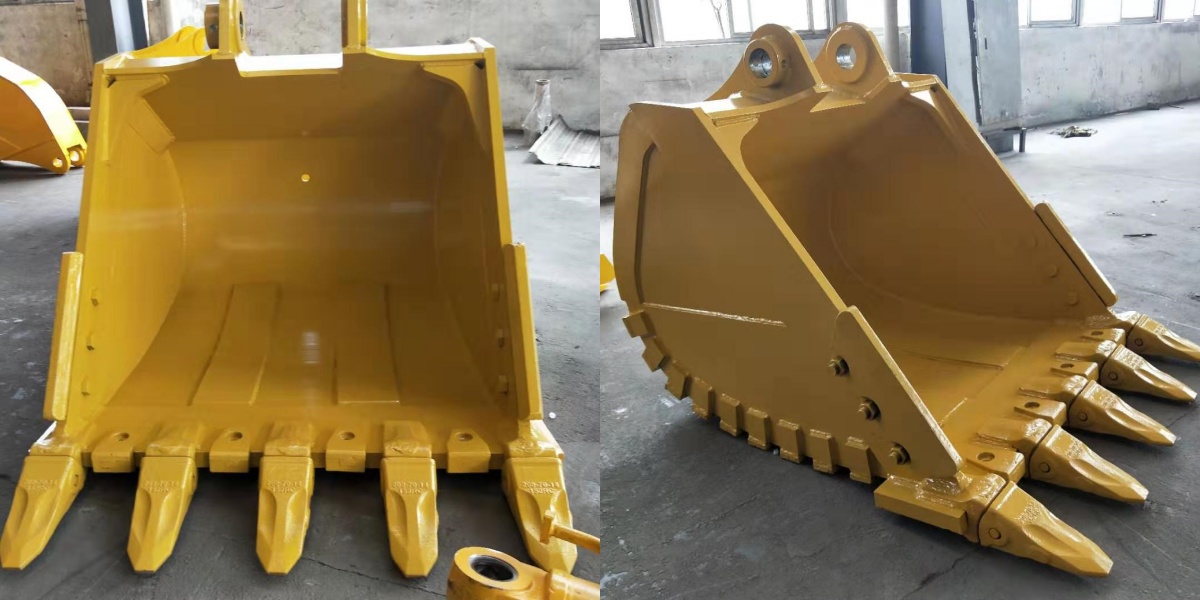
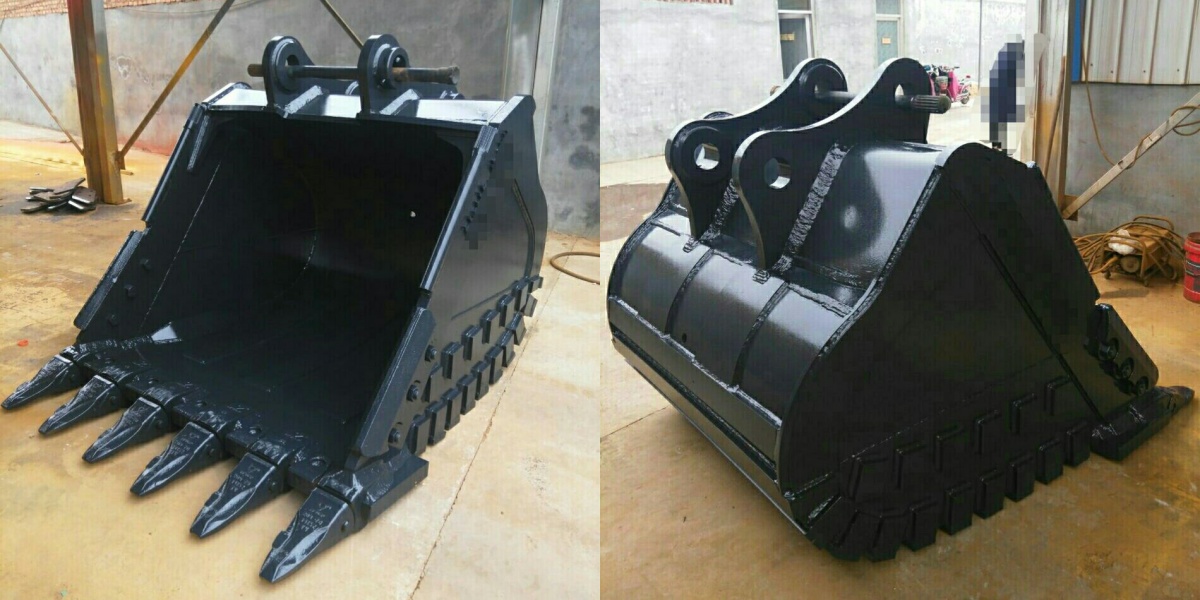
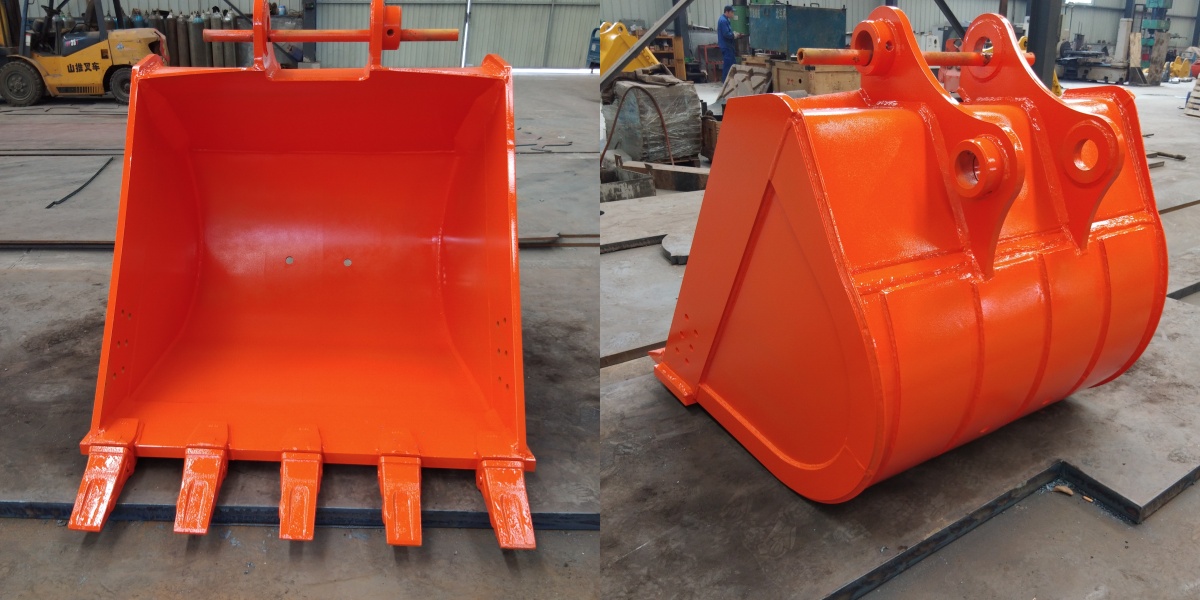
When choosing the right excavator bucket for your project, understanding the fundamental differences between general purpose (GP) and heavy duty (HD) buckets is critical to operational efficiency and long equipment life.Buckets GPdesigned for everyday applications involving softer materials such as soil, sand and clay, with a lighter, moderately reinforced design. In contrast, HD buckets are designed specifically for demanding environments where stone, concrete and abrasive materials are regularly encountered. These durable fasteners feature significantly thicker steel, additional wear plates and reinforced cutting edges to withstand intense abrasion and impact forces. Structural differences directly impact not only durability, but also fuel efficiency, as HD buckets typically weigh 15-30% more than their GP counterparts. Proper selection requires careful evaluation of specific job requirements, material density, and frequency of operation to balance performance needs with equipment capabilities.
Optimal material applications
Buckets for GP excavatorsdiffer in everyday applications involving free and moderately compressed materials. They are an ideal choice for general farming, digging trenches in soil or clay, loading sand or gravel, and grading terrain. Their design optimizes performance when working with materials that do not require excessive breaking force. Construction projects involving topsoil removal, foundation excavation in softer soil and utility trenches are ideal applications for GP buckets.
HD Buckets demonstrate their value in challenging environments where material hardness and wear are constant concerns. Quarry operations, concrete and rebar demolition sites, rocky terrain excavations, and mining applications benefit greatly from their robust design. HD buckets handle materials with high abrasion rates that will quickly degrade standard components. When handling materials that require significant breaking strength or contain sharp fragments that can pierce standard buckets, HD models provide the durability you need.
Load Capacity Considerations
Practical differences in load capacity between typesbucket directlyaffect performance. GP buckets typically offer slightly greater volumetric capacity than similarly sized HD models due to their thinner wall design. This increased power allows operators to move more material each cycle when working with lower-density materials such as soil or sand. The design maximizes volume without sacrificing excavator lift in standard applications.
HD buckets sacrifice some volumetric capacity for durability, and their thicker walls and reinforcement reduce internal volume. However, they are designed to handle denser materials that a GP bucket would overload. When working with rock, concrete or other high-density materials, HD buckets provide the structural integrity needed to safely handle these significant loads without deformation or premature failure. The reduced power is a valuable trade-off when material densities would otherwise exceed the safe working load of standard components.
Maintenance requirements and durability
Service models differ significantly between bucket types. GP buckets typically require more frequent inspection and maintenance when used in appropriate applications, with typical wear items requiring attention every 500-800 operating hours. Their design allows for easier wear plate and tooth replacement, often requiring less specialized equipment for routine maintenance.
HD buckets require less frequent but more extensive maintenance interventions. Their robust design extends service intervals to approximately 1200-2000 operating hours in suitable applications,significantly reducing timedowntime associated with maintenance. However, when maintenance is required, heavier components often require additional equipment and potentially specialized repair procedures. The ultimate life of an HD bucket typically exceeds the life of a GP bucket by 40-60% when each is properly matched to its intended application - a critical factor in calculating total cost of ownership.