
How does a ballast blast cutter work?
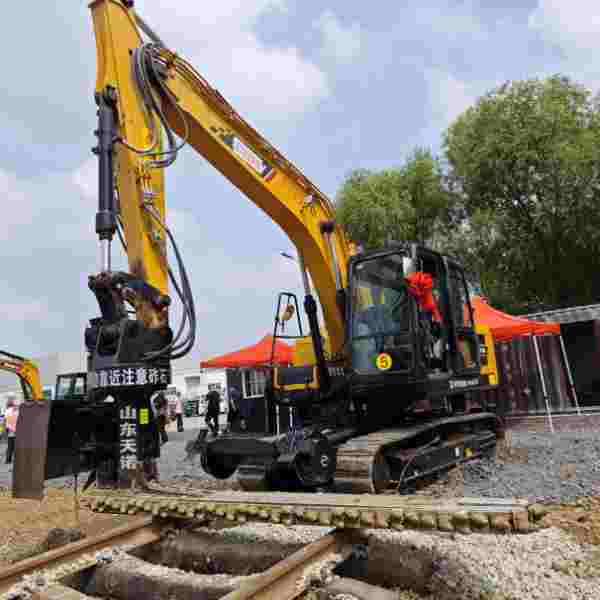
Ballast blaster cutteroperates through a complex mechanical process designed specifically for railroad maintenance. This specialized equipment retrieves contaminated ballast from underneath railroads, inspects it to remove debris, and redistributes clean ballast to maintain proper stability and drainage. Operating in side cut mode, the machine can dig up to 200mm under the flaps, rotating 360 degrees to access difficult areas. The efficient design of the cutter allows you to clear more than 20 meters of route per hour with minimal manual intervention. As it moves along the rail, the cutter's powerful excavation system lifts the ballast, separates waste using advanced screening technology, and accurately returns the cleaned materials back into place. This comprehensive process not only extends the life of railways, but also significantly improves safety by ensuring proper drainage and preventing road deformation caused by contaminated ballast.
Extraction mechanism
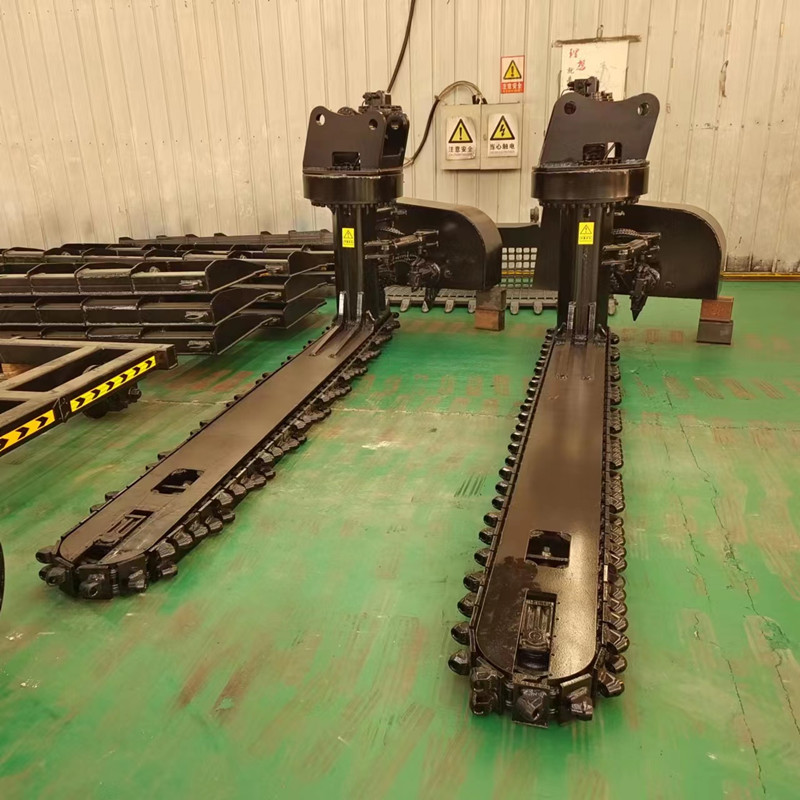
Modern extraction mechanismballast blaster representsrepresents a significant engineering advancement in railway maintenance technology. At its core, the system utilizes a powerful cutting chain that moves through the ballast bed at a precisely controlled depth, typically up to 200 mm below the backbone. This cutting chain has specially designed teeth that break up compacted material while minimizing damage to the underlying structures.
Waste separation
After being removed from under the rail, the contaminated ballast undergoes a complex separation process.ballast blaster usesa multi-stage screening system designed to effectively separate clean ballast from various contaminants, including dirt, vegetation, coal dust and other debris.
Initial separation occurs at primary vibrating screens, which remove larger contaminants, allowing smaller particles to enter secondary screening stages. These subsequent levels of screening use progressively finer mesh configurations to capture particles of varying sizes. The machine's advanced vibration technology ensures that even materials with similar dimensions but different densities can be separated effectively.
The effectiveness of the separation system directly affects the quality of the finished road, as even small percentages of remaining contaminants can significantly reduce the ballast layer's drainage capacity and structural stability. Tiannuo's ballast cleaning technology provides contaminant removal rates exceeding 95%, ensuring optimal line performance after maintenance.
Excavation process
The excavation process begins with the exact locationballast blaster cutteralong a section of the route that requires maintenance. Once in position, the operator initiates a side cut sequence that deploys a cutting chain underneath the rail structure at a predetermined depth. As the cutting chain comes into contact with the ballast, it creates a horizontal excavation plane that gradually advances along the route.
During excavation, the machine continuously monitors the cutting resistance and adjusts operating parameters accordingly. When encountering areas of highly compressed or heavily contaminated ballast, the system can temporarily reduce advance speed while increasing cutting energy to maintain a consistent flow of material. This intelligent adaptation prevents system overload while optimizing performance under varying conditions.
The excavation process is carried out with meticulous precision, maintaining strict geometric tolerances to ensure proper track support after maintenance. Advanced scorer control systems reference the existing rail position to establish ideal cutting profiles that maintain the intended rail geometry. This precision prevents unintentional changes to alignment tracking that might otherwise require additional corrective measures.
As the excavation progresses, relaxed ballast is automatically transferred to the machine's screening systems through a series of conveyor mechanisms designed to prevent spillage of material. The entire excavation sequence operates as a continuous process, with material extraction, screening and redistribution occurring simultaneously for maximum operational efficiency. This integrated approach allows the FR-160F-TN to achieve remarkable performance while maintaining exceptional quality standards.