
What is the minimum ground clearance required for a backhoe loader?
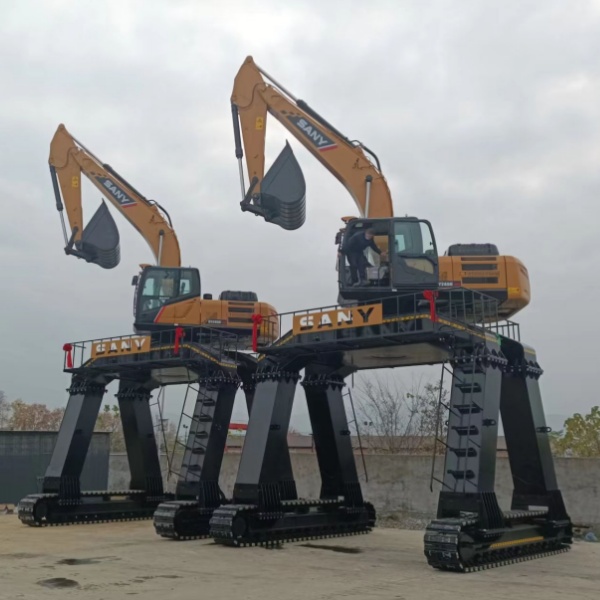
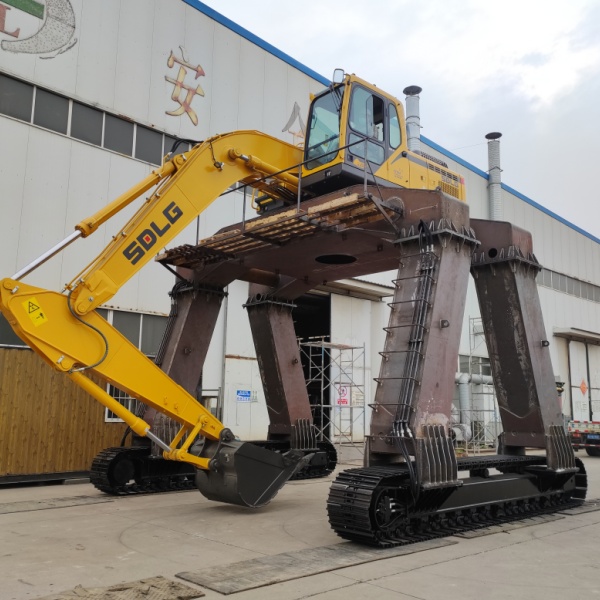
Minimum clearance height required for excavator-stadel Typically the height is between 4200 and 4300 mm. This ground clearance allows these specialized machines to operate efficiently in a variety of environments, including construction, maintenance and railway operations. With a unique raised chassis design and extended legs, they easily negotiate railroad tracks, shipping containers, and other obstacles when excavating. This ground clearance allows for efficient operation without compromising safety and productivity in challenging work environments.
Calculation of cleaning requirements
Measuring the dimensions of an excavator to accurately determine ground clearance
Determining the exact clearance requirements for a backhoe stacker requires careful measurement of its dimensions. The overall height of the machine, including the cab and boom at its lowest position, serves as a starting point. It is also important to consider the width, length and ground clearance of the vehicle. These measurements help ensure the excavator can maneuver in tight spaces and operate safely in a variety of conditions.
When measuring, pay special attention to the following basic dimensions:
Total height from ground to highest point of cabin
Width of undercarriage and top structure
Machine length with boom fully retracted
Ground clearance under chassis
Accurate measurements are essential for project planning and site preparation, allowing managers to determine Stadl excavatorcan work safely in the intended work area.
Accounting for attachments and boom configurations
Attachments and boom configurations significantly impact excavator clearance requirements. Various attachments, such as buckets, grapples, or hammers, can alter the machine's height and reach. Likewise, different boom configurations affect the overall dimensions and working envelope of the excavator.
When assessing clearing needs, consider the following factors:
Maximum reach of boom and arm combination
Height of attachment when fully raised
Counterweight turning radius
Additional height through specialized attachments such as extended booms
By considering these variables, operators can ensure they have sufficient clearance for all planned tasks and potential jobsite scenarios.
Taking into account obstacles in the workplace and safety margins
Job site obstacles and safety margins play a critical role in determining the minimum clearance height for stadel excavators. Every work environment has its own challenges, from overhead power lines to low-hanging structures or vegetation. It is essential to conduct a thorough site survey to identify potential hazards and incorporate appropriate safety margins into safety margin calculations.
Key considerations regarding obstacles and job site safety include:
Overhead communications and required safe operating distances
Building structures, bridges and other fixed obstacles
Tree crowns or other natural obstacles
Dynamic obstacles such as moving vehicles or equipment
A general rule is to add a safety margin of at least 0.5–1 meter above the calculated required clearance. This additional space serves as a buffer against unexpected movements or minor errors in calculations, improving overall safety on the job site.
Differences between different models
Mini Excavators vs. Full-Size Excavators with Bucket
Design requirementsbackhoe stackers Mini and full-size models differ significantly. Mini excavators, designed for working in confined spaces and performing light tasks, typically require less ground clearance. The ground clearance of these compact machines often ranges from 2,000 to 3,000 mm, making them suitable for working indoors or in areas with few obstacles.
Full-size bucket excavators, on the other hand, have much higher ground clearance, typically between 4200 and 4300mm. This increased height allows them to overcome larger obstacles, such as railroad cars or stacked shipping containers, while still being able to handle heavy-duty excavation work.
The main differences between mini and full size pin excavators include:
Operating weight and overall dimensions
Engine power and hydraulic power
Digging depth and boom reach
Versatility of mounting options
The choice between mini and full-size models depends on the specific job requirements, site conditions and the scale of the project being undertaken.
Comparing sales requirements for popular brands
Different manufacturers offer excavators with buckets with varying ground clearance specifications. The standard range is 4200–4300 mm, but some brands may offer models with slightly higher or lower ground clearance depending on specific industry needs.
For example:
Brand A can offer models with ground clearance from 4100 to 4400 mm.
Brand B may focus on higher ground clearance models, starting from 4300mm and going up to 4600mm.
The C brand can specialize in compact excavators with ground clearance from 3800 to 4200 mm.
When comparing brands, it's important to consider not only ride height, but also the overall performance, reliability, and after-sales support offered by each manufacturer.
Individual modifications affecting height requirements
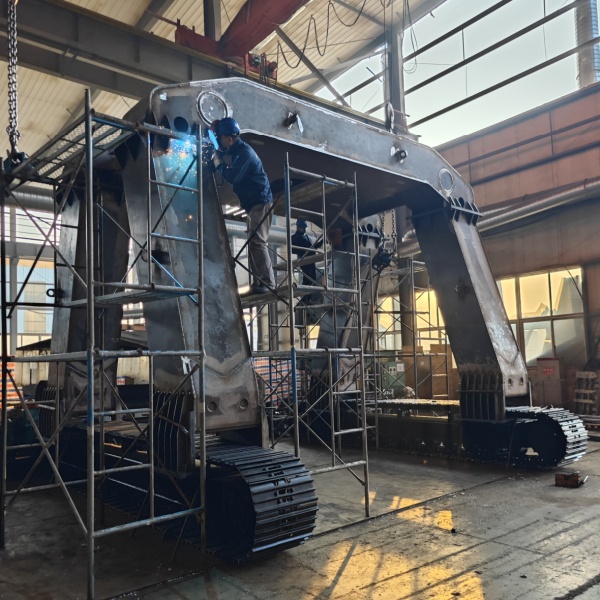
Custom modifications can significantly impact height requirements. Many manufacturers offer the option to tailor their vehicles to specific customer needs, which may require adjusting the standard ride height.
Common user modifications include:
Extended or shortened legs for adjusting the overall height
Specialized boom configurations for increased reach or lifting capacity
Reinforced chassis for improved stability on challenging terrain
Cab modifications for improved visibility and operator comfort
These changes may impact the vehicle's ground clearance requirements, increasing or decreasing the minimum height. When considering individual modifications, it is crucial to work closely with the manufacturer or a qualified engineering team to ensure the vehicle meets both operational and safety requirements.
Standard designs: Clearance 4200–4300 mm
Standard ground clearance for most backhoe loader models
The typical ground clearance range of 4200-4300 mm has become the industry standard for mostexcavator-stadelModels. This height has proven optimal for a wide range of applications across various sectors. It provides sufficient clearance to overcome standard rail cars, cargo containers, and other common obstacles while maintaining stability and operational efficiency.
Reasons for this standard design include:
Compatibility with global transport infrastructure
Balance between reach and stability
Versatility across different work sites and tasks
Compliance with uniform safety rules and standards
Over the years, manufacturers have refined their designs to maximize performance in this clearance range, making them a reliable choice for most operators and project managers.
Advantages of the 4200-4300 mm dimensions in various industries
The ground clearance of standard excavators with a bucket of 4200–4300 mm offers numerous advantages across a variety of industries. This height range has proven particularly useful in sectors such as railway construction, port work, and large-scale construction projects.
Main advantages:
Efficient material handling in railway maintenance and construction
Easily navigate among stacked cargo containers in ports
Versatility in urban construction projects with limited space
Increased safety when working near overhead obstacles
These benefits contribute to increased productivity, reduced downtime, and improved safety across a variety of industries, making reach excavators with this type of clearance a valuable asset for many businesses.
Adapting workspaces for optimal use of the backhoe loader
To fully utilize the capabilities of stacker excavators with a clearance of 4200–4300 mm, work area adaptations are often required. This process involves careful planning and sometimes modification of the work environment to ensure the safe and efficient operation of these specialized machines.
Steps to adapt workspaces include:
Conducting a thorough site survey to identify potential obstacles
Cleaning or modification of air structures when possible
Creation of dedicated paths or lanes for the movement of excavators
Installation of appropriate signs and protective barriers
Understanding the minimum ride height required for a backhoe is critical to safe and efficient operation in a variety of industries. While the standard ground clearance of 4200-4300mm is suitable for most applications, it is important to consider specific project requirements, site conditions and safety regulations. By carefully calculating the required space, taking into account different models and customizations, and adapting the workspace accordingly, operators can maximize the potential of these versatile machines. Always prioritize safety and consult manufacturers or experts if you are in doubt about space requirements or operating limitations.