
What is a bucket handle on an excavator?
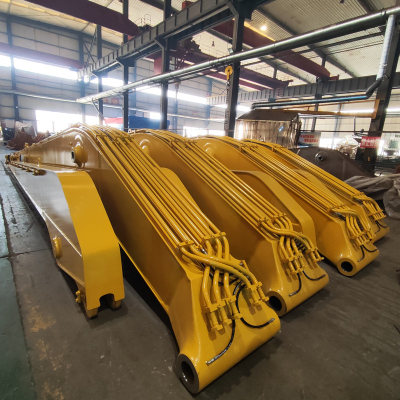
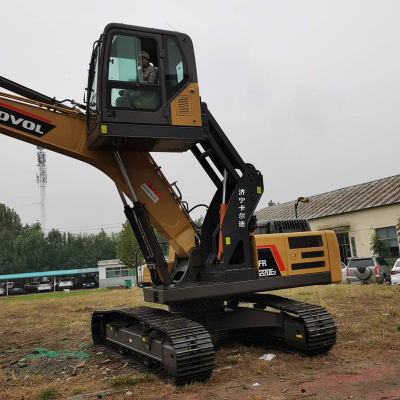
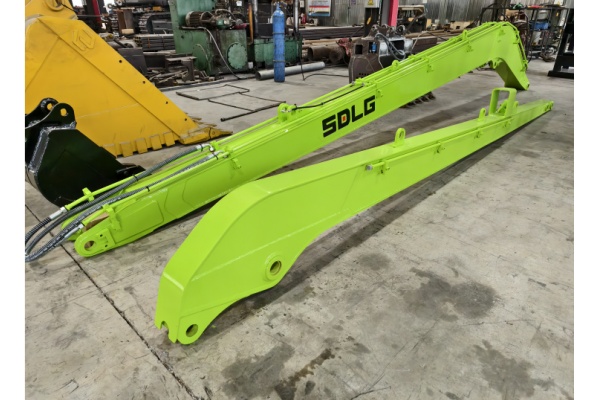
Bucket handle,often The arm, also known as the dipper stick, is the most important component of an excavator's boom. It is a long, strong beam that connects the main boom to the bucket, enabling the excavator to efficiently dig, lift, and move materials. This vital component allows operators to control the boom's reach and digging depth, making it indispensable for a variety of construction, mining, and earthmoving applications.
Key Components: Excavator Arm Explained
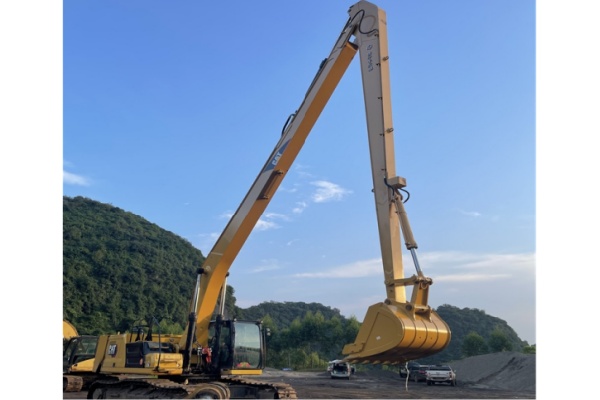
Bucket Handle Anatomy: Handle, Boom, and Bucket
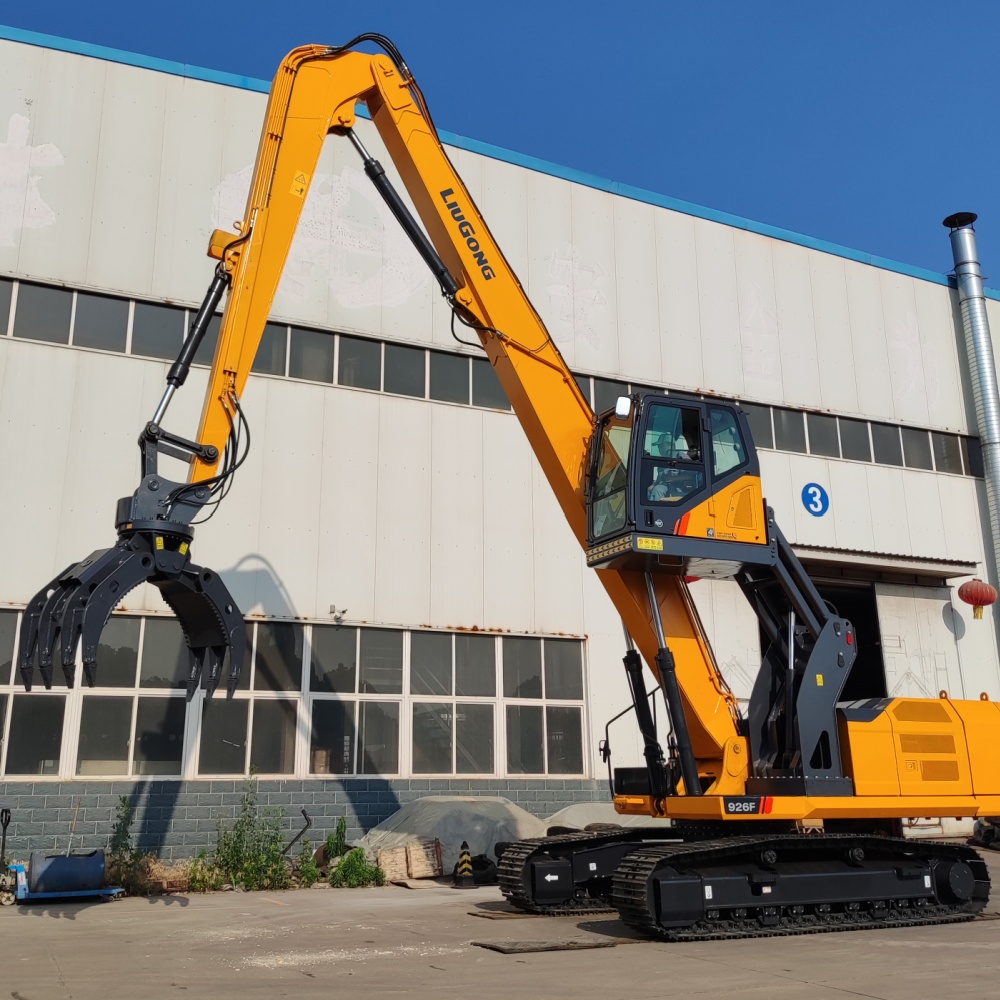
The dipper arm is part of a larger system that includes the main boom and the bucket. This trio forms the excavator's primary operating mechanism. The main boom, typically the largest, extends from the excavator body. The dipper arm is attached to the end of the main boom, forming a hinge joint that allows for a wide range of motion.
The bucket attachment point is located at the end of the bucket handle. This connection allows the bucket to rotate, ensuring precise digging and scooping. The entire assembly works seamlessly, and each component plays a role in the excavator's operation.
Hydraulic cylinders: provide movement of the bucket handle
Hydraulic cylinders are the “muscles” that move the bucket arm. These powerful components use pressurized fluid to extend and retract, providing the force needed to move the heavy arm and its load. The main cylinder, often called the stick cylinder, controls the main arm movement, while the secondary cylinders control the bucket movement.
The precision of the hydraulic system allows operators to make precise adjustments, which is crucial for precision tasks. This level of control is especially valuable in industries such as construction and railway maintenance, where precision is paramount.
Connection points: how the bucket handle is integrated
Its effectiveness depends largely on its integration with other excavator components. At its base, the arm connects to the main boom via a large pivot joint. This joint allows for a wide range of motion while maintaining structural integrity under heavy loads.
At the opposite end of the handleThe bucket has a bucket lever connection system.This complex system of pins and linkages provides the full range of bucket motion—from fully retracted to fully extended. The quality of these connections significantly impacts the overall performance and durability of the excavator.
Bucket handle functions: increasing the efficiency of soil excavation
Reach and flexibility: maximizing excavator capabilities
The primary function of the bucket is to extend the reach of the excavator's boom, allowing it to work in hard-to-reach areas. This increased reach is crucial for a variety of tasks, from digging deep pits to clearing debris from hard-to-reach areas.
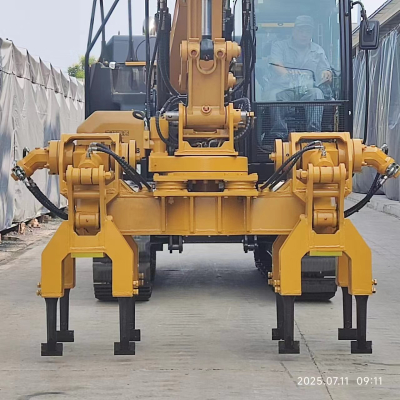
For example, in railway maintenance, a well-designed bucket handle can help operators clear tracks and maintain grades without having to move the entire machine. This flexibility not only improves efficiency but also safety in challenging working conditions.
Precise Control: Mastering Bucket Handle Operations
Effective control of the bucket handle requires skill and practice. Experienced operators can perform complex maneuvers, such as carefully removing soil around buried utilities or precisely placing heavy materials. This level of control is achieved through a combination of hydraulic system responsiveness and operator experience.
In industries such as forestry or waste management, where precision is critical, mastering management skillsbucket handle This can significantly impact productivity and safety. It allows for efficient material sorting and minimizes the risk of damage to surrounding structures or vegetation.
Versatility: adapt the bucket handle to various tasks
One of the main advantages of the bucket handle is its adaptability. By changing attachments on the end of the handle, operators can quickly switch between tasks without resorting to multiple specialized machines. This versatility is especially valuable in construction and demolition projects, where work requirements can change rapidly.
For example, in mining, the same excavator can use a bucket for digging, a ripper for loosening hard soil, or a grapple for moving large rocks. This flexibility not only increases efficiency but also helps companies control costs by reducing the need for multiple specialized machines.
Maintenance Tips: Extending the Life of Your Bucket Arm
Regular checks: detect wear at an early stage
Regular maintenance is the key to longevity and optimal performance.bucket handles Regular visual inspections help detect minor problems before they become serious. Operators and maintenance personnel should be alert for signs of wear on the hinge joints, cracks in the handle structure, and any unusual movements or sounds during operation.
For companies in industries such as logistics and transportation, where equipment downtime can be costly, implementing a rigorous inspection schedule is crucial. This proactive approach helps prevent unexpected breakdowns and extend the life of equipment.
Proper lubrication: ensuring smooth bucket handle operation
Lubrication is critical to the smooth operation and longevity of the bucket handle. All pivot points and moving parts must be regularly lubricated according to the manufacturer's recommendations. Proper lubrication reduces friction, minimizes wear, and helps prevent corrosion.
In harsh environments, such as mining or demolition, more frequent lubrication may be required. Using high-quality lubricants suitable for specific operating conditions can significantly extend the life of the bucket handle and its components.
Spare parts: choosing quality for durability
When replacement is necessary, selecting high quality parts is critical to maintaining bucket arm performance and reliability. While cheaper alternatives may seem attractive for short-term savings, they often result in more frequent breakdowns and higher long-term costs.
For high-risk industries such as railroad construction and maintenance, investing in OEM (Original Equipment Manufacturers) or high-quality aftermarket parts is often the most cost-effective strategy. These parts are designed to meet or exceed original specifications for optimal performance and durability.
The bucket arm is a fundamental component of any excavator and plays a key role in its functionality and versatility. Understanding its design, operation and maintenance is critical to maximizing efficiency and durability in a variety of industries. By prioritizing regular inspections, proper lubrication and quality replacement parts, operators and managers can ensure the productivity and reliability of their equipment, which ultimately contributes to project and business success.