
What is the purpose of ballast manipulation?
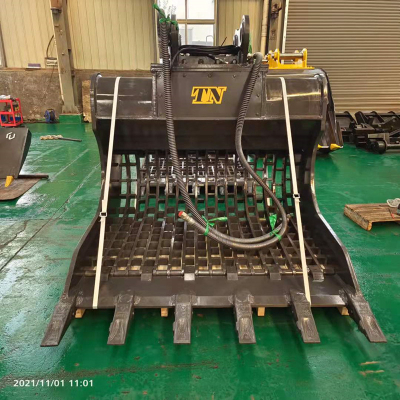
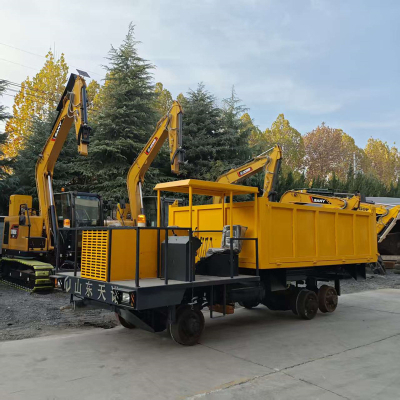
Ballast manipulationis a specialized piece of railroad maintenance equipment designed to maintain and restore the geometry and stability of railroads, its primary purpose is to pack (or manipulate) railroad ballast under railroads, ensuring proper alignment, level, and stability of railroads. This critical maintenance operation prevents rail irregularities that can lead to derailments, excessive vibrations, passenger discomfort, and premature wear of both rail components and train wheels. By effectively compacting ballast material, these machines help extend track life, improve ride quality and maintain safe operating conditions for trains traveling at various speeds across the rail network.
target
Ensuring route geometry and alignment
Railway tracks require precise geometry to ensure safe and efficient train operation. Over time, the weight and vibration of passing trains causes uneven ballast deposition, resulting in irregular track alignments. Ballast manipulation solves this problem by restoring proper track geometry through strategic compaction of the ballast material.
When tracks lose proper alignment, they canseveral problems will ariseTrains can experience excessive sway, causing discomfort to passengers, and in severe cases, derailments can become a risk. By maintaining proper track alignment, manipulation ensures that trains can operate safely and efficiently at designated speeds.
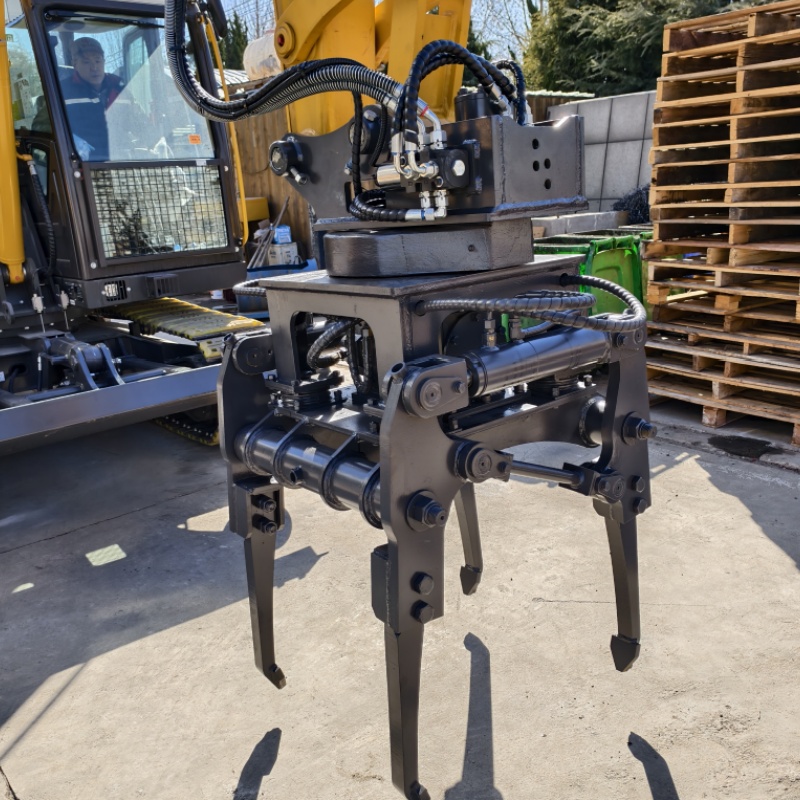
Modern equipment components, such as the Tiannuo high-vibration hydraulic ballast, are designed to detect track irregularities and make precise adjustments. This capability ensures that all track sections remain within acceptable tolerances, maintaining optimal track geometry across the entire rail network.
Ensuring proper track support
The ballast layer serves as the foundation for the entire railway structure, dissipating the enormous loads generated by passing trains. When this supporting structure is compromised due to insufficient compaction, the load-bearing capacity of the rail is significantly reduced.
Ballast manipulation ensures proper compaction of the aggregate material under the rails, providing consistent support along the entire length of the track. This uniform distribution of support prevents pressure points that can lead to accelerated wear of rail components.
Furthermore, proper blasting improves drainage around the track, which is vital to preventing water accumulation, which can weaken the track layer and lead to increased frost damage in colder climates. By maintaining optimal ballast density, blasting helps extend the life of the entire rail structure.
Preventing deterioration of the route
Regular track maintenance using ignition machines is significantly more cost-effective than allowing track to deteriorate to the point of requiring complete reconstruction. Preventative maintenance through regular tune-up cycles helps rail operators avoid more costly repairs later.
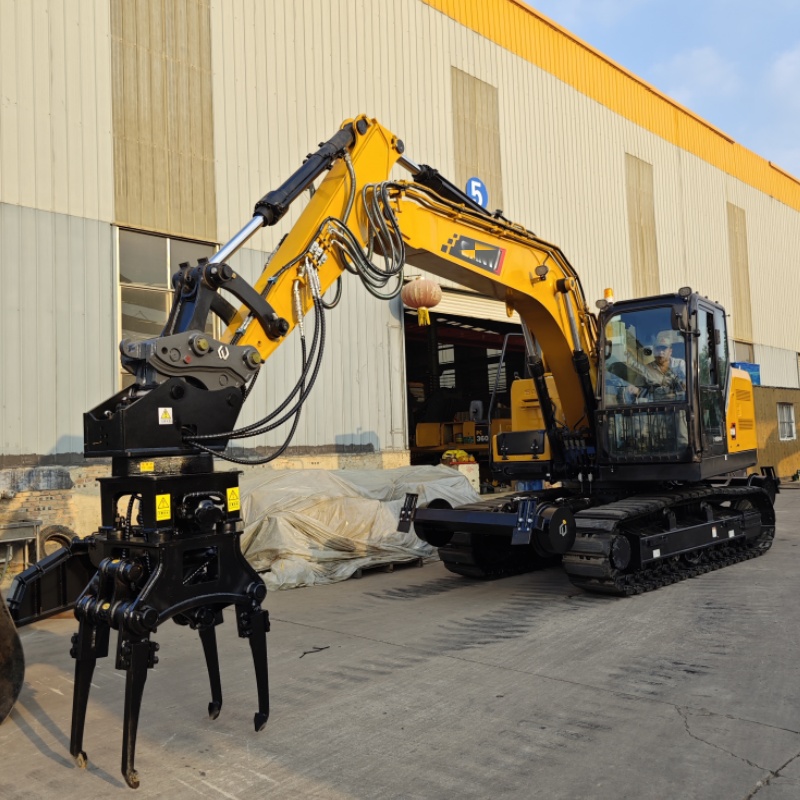
Vibration and compaction provided by equipment such as the Tiannuo high-vibration hydraulic ballast manipulation system helps restore the load-bearing properties of the ballast, preventing premature wear of the treads, rails, and fastening systems. This proactive approach to maintenance results in significant cost savings over the life of the track.
Advantages
Increased safety and stability of the route
Main advantageuse of ballast manipulationSignificant improvements in track safety and stability are achieved. By properly compacting the ballast, these machines create a solid foundation that maintains track geometry even under the stress of heavy rail traffic.
This increased stability directly translates into safer rail operations. Properly aligned rails reduce the risk of rail derailment caused by improper rail alignment or settlement problems. For railway operators, safety is of utmost importance and regular maintenance of quality equipment such as Tiannuo is essential to maintaining safety standards.
The stability provided by careful undermining also allows trains to operate at their intended speeds without the restrictions that might otherwise be required on poorly maintained runways. This operational efficiency is critical to passenger comfort and freight delivery schedules, making ballast handling essential for modern rail systems.
Improving operational efficiency
Regular rail maintenance using ballast manipulation results in smoother rail surfaces, which directly impacts train performance. With proper rail maintenance, trains can maintain higher average speeds, reducing travel times and increasing line capacity.
Efficiency gains extend beyond train operations. Tiannuo's high-vibration hydraulic ballast is designed for rapid deployment and efficient operation, minimizing the need for temporary tracks to be taken out of service for maintenance. This reduction in maintenance downtime translates into increased availability for revenue-generating trains.
Furthermore, well-maintained rails reduce the dynamic forces acting on both the rail structure and train components, resulting in less wear and tear and fewer failures. This increased reliability reduces unscheduled maintenance, further enhancing operational efficiency across the entire rail network.