
Evolution of excavator cabin design
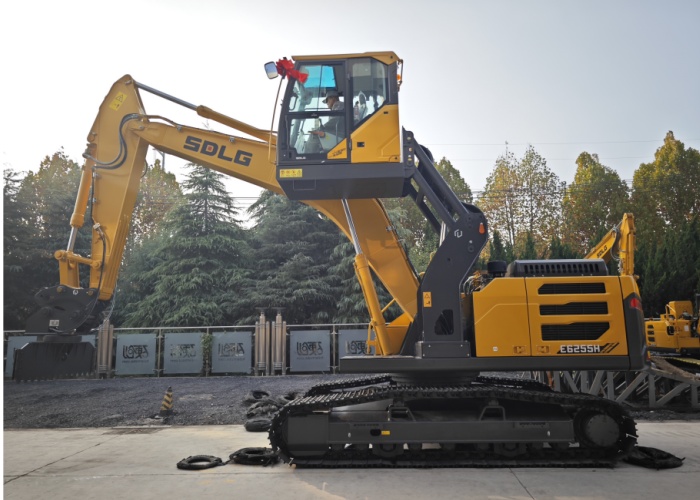
Evolution of designexcavator cabin representsrepresents one of the most significant transformations in construction equipment in the last century. From simple open platforms with minimal operator protection to today's sophisticated climate-controlled command centers, the cab journey demonstrates how engineering, ergonomics and technology have converged to enhance operator productivity and comfort. These advances have not occurred in isolation, but reflect broader technological progress, evolving safety standards, and a growing recognition of operator well-being as critical to project success. Modern cab designs prioritize visibility, control accessibility, noise reduction and physical comfort, recognizing the complex relationship between human operators and powerful machines. This evolutionary path has transformed excavators from basic tools for moving earth into precision tools, where the cab serves as both a protective shell and a sophisticated interface allowing operators to work more efficiently, safely and comfortably in challenging environments.
The Birth of Excavator Technology
The earliest mechanical excavators appeared in the late 19th century as steam-powered machines with minimal provisions for operator accommodation. At this pioneering stage, the conceptexcavator cabinbarely existed; operators stood on open platforms, completely exposed to weather, dust, and safety hazards. These rudimentary mechanisms prioritized mechanical functionality over human comfort, reflecting the industrial mindset of the era.
By the 1920s, basic protective structures began to appear on excavators, although these early cabs were little more than metal frames with a simple roof. They offered minimal protection from falling debris and the elements, but lacked the essential features we now associate with modern cabins. Control was purely mechanical, requiring considerable physical effort from operators who typically worked in awkward positions for long periods of time.
The lack of proper seating, climate control, sound insulation or vibration damping meant that operators were subjected to extreme physical strain. Visibility was often compromised, forcing operators to lean unsteadily beyond their minimal protection to see their work area, a practice that resulted in numerous accidents and injuries. Despite these problems, these earliest iterations represented the first recognition that the operator environment deserved at least some attention beyond pure mechanical functionality.
Transitions of the Early Hydraulic Era
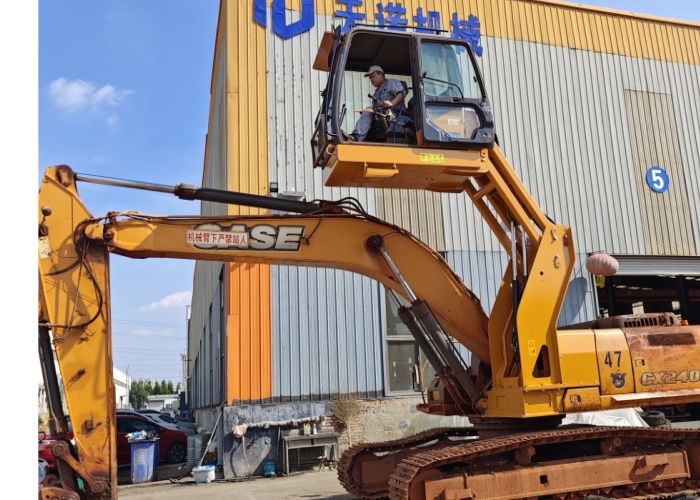
The 1950s brought revolutionary changes in excavator design with the introduction of hydraulic systems that dramatically changed the capabilities of cab design. Hydraulic control requires less physical effort, allowing for more compact and ergonomically positioned levers and pedals. This technological shift has allowed manufacturers to rethink the entire operator environment.
With hydraulic technology, excavator cab designs can become more enclosed and protective. Manufacturers began to include reinforced frames that provided increased safety during accidents or twists. Glass windows have replaced open areas or screens, providing better protection from the weather while maintaining visibility. Basic heating systems began to appear on premium models, although air conditioning remained rare.
The seats were gradually improved with basic suspension systems to mitigate the worst effects of car vibration. Control layouts began to show early signs of ergonomic considerations, although standardization remained over the years. Although these cabs were still spartan by modern standards, they represented a significant advance in recognizing the needs of the operator. This era laid the crucial foundation for the comfort revolution that followed, establishing the excavator cab as an integral component requiring attention to design rather than subsequent consideration of the machine's mechanical systems.
Middle of the 20th century to the end of the 20th century
Ergonomic revolution
The 1960s and 1970s marked a turning point in excavator cab design with the emergence of ergonomics as a scientific discipline influencing industrial equipment. Manufacturers began hiring specialists who studied operator movement, physical limitations, and cognitive load. This research-based approach has changed cabin layouts, introducing adjustable seats positioned for optimal control, access and visibility.
Management systems developed significantly during this period. Traditional levers and pedals have been redesigned to accommodate human biomechanics, requiring less force and allowing more natural positioning. This has reduced operator fatigue and the incidence of repetitive strain injuries, which were previously considered an inevitable occupational hazard. Instrument panels are now more logically laid out, with the main gauges located in the operator's primary field of view.
Seating comfort improved dramatically with the introduction of fully adjustable suspension seats that could be adjusted to the operator's weight and preference. These innovations have solved serious back and spine problems that have plagued equipment operators for generations. Although still not luxurious by modern standards, these ergonomic advances transformed the operator experience and established human factors as important design considerationsexcavator cabins.
Security standardization
The late 1970s and 1980s brought increased regulatory attention to the safety of construction equipment, which profoundly influenced the development of the excavator cab. Organizations such as OSHA in the United States and similar bodies internationally have begun to implement specific requirements for protective structures. During this period, two important safety innovations emerged: ROPS (Rollover Protective Structures) and FOPS (Falling Object Protective Structures).
These standardized safety systems required cabs to withstand specific impact forces and crushing scenarios, which dramatically improved operator survival rates during accidents. Framescabins have become significantlystronger, with reinforced pillars and structural members specifically designed to maintain survivable space during rollovers or when struck by falling materials.
During this period, there were increased emergency response capabilities, standardized exit routes, clearly marked emergency control mechanisms, and improved fire safety measures. Visibility continued to improve with the introduction of larger glass panels and strategic placement of mirrors to minimize blind spots. These safety improvements have transformed the excavator cab from a simple operator's station into a sophisticated protective environment specifically designed to preserve life during catastrophic events—a profound shift from previous eras when operator safety was largely incidental.
Beginning of the 21st century to the present
Environmental sustainability considerations
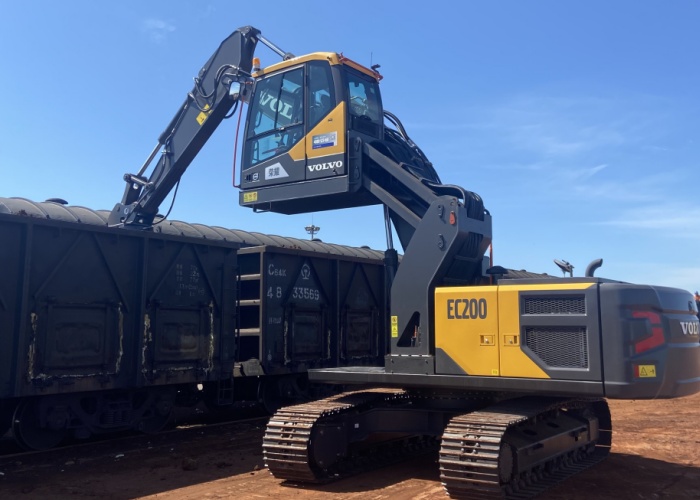
Environmental awareness has significantly influenced modern excavator cab design in several dimensions. Modern cabs feature advanced filtration systems that protect operators from workplace contaminants while reducing the machine's environmental footprint. These multi-stage systems remove particulates and chemical contaminants from incoming air, solving respiratory health problems that have historically affected equipment operators.
Energy efficiency innovations have transformed climate control systems, reducing fuel consumption while maintaining operator comfort. Smart systems automatically adjust to conditions, operating at the minimum power required rather than constantly at maximum power. Lighting has similarly evolved, with energy-efficient LED systems replacing energy-hungry halogen fixtures both inside booths and for external task lighting.
Material selection now includes sustainability considerations along with performance requirements. Recyclable components, non-toxic processing methods and responsibly sourced materials are increasingly being used in excavator cab designs. Manufacturers have also addressed end-of-life issues by designing cabins with dismantling and material recovery in mind.
Perhaps most importantly, modern cabs support more environmentally efficient operation through information systems that monitor fuel consumption, emissions and operational efficiency. These systems provide operators with real-time feedback that encourages more sustainable operating practices. This evolution reflects broader industry recognition that environmental responsibility requires technology solutions integrated directly into the operator's environment.
Setup and operator experience
Today's excavator cab designs recognize the diversity of both applications and operators, offering unprecedented customization options. Adjustability has expanded beyond basic seat positioning to include sub-lack height, control responsiveness, display configuration and climate preferences. These settings can often be saved as operator profiles, allowing you to quickly move between different users.
Visibility has reached new standards with panoramic design approaches and camera systems that eliminate blind spots. Multiple camera data sources are integrated into central displays, providing comprehensive views of the workplace not previously possible. Some advanced systems even include augmented reality elements that overlay guidance information onto actual camera views.
Comfort features now rival those found in luxury cars, with premium seating materials, acoustic design that rivals recording studios, and climate systems that maintain precise temperature control regardless of outside conditions. Entertainment and amenities such as Bluetooth connectivity, charging ports and sophisticated audio systems recognize that operators often spend entire workdays in the cab.