
What does Ripper do on an excavator?
For professionals in railway construction, mining operations and demolition projects, the excavator-reaper is an important productivity tool that reduces the need for explosives or specialized equipment.scrap equipment, while minimizing project downtime and operating costs. Strategic deployment of reapers allows operators to effectively prepare complex terrain for subsequent excavations, making them particularly valuable in infrastructure development, land clearing, and site preparation for various industrial applications.
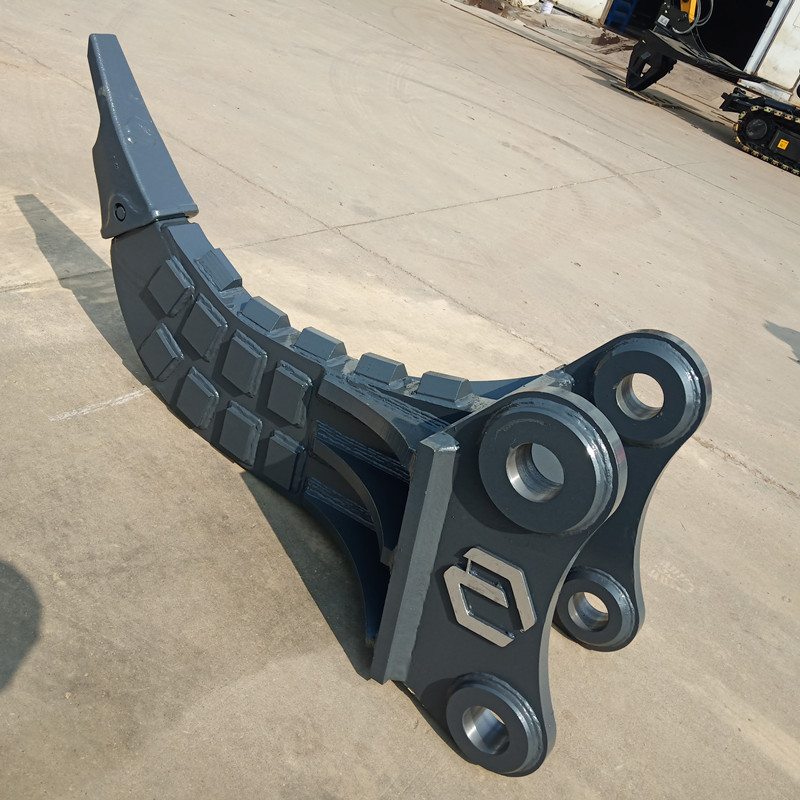
Tearing apart the hard earth
Solving the problem of compacted soil and clay
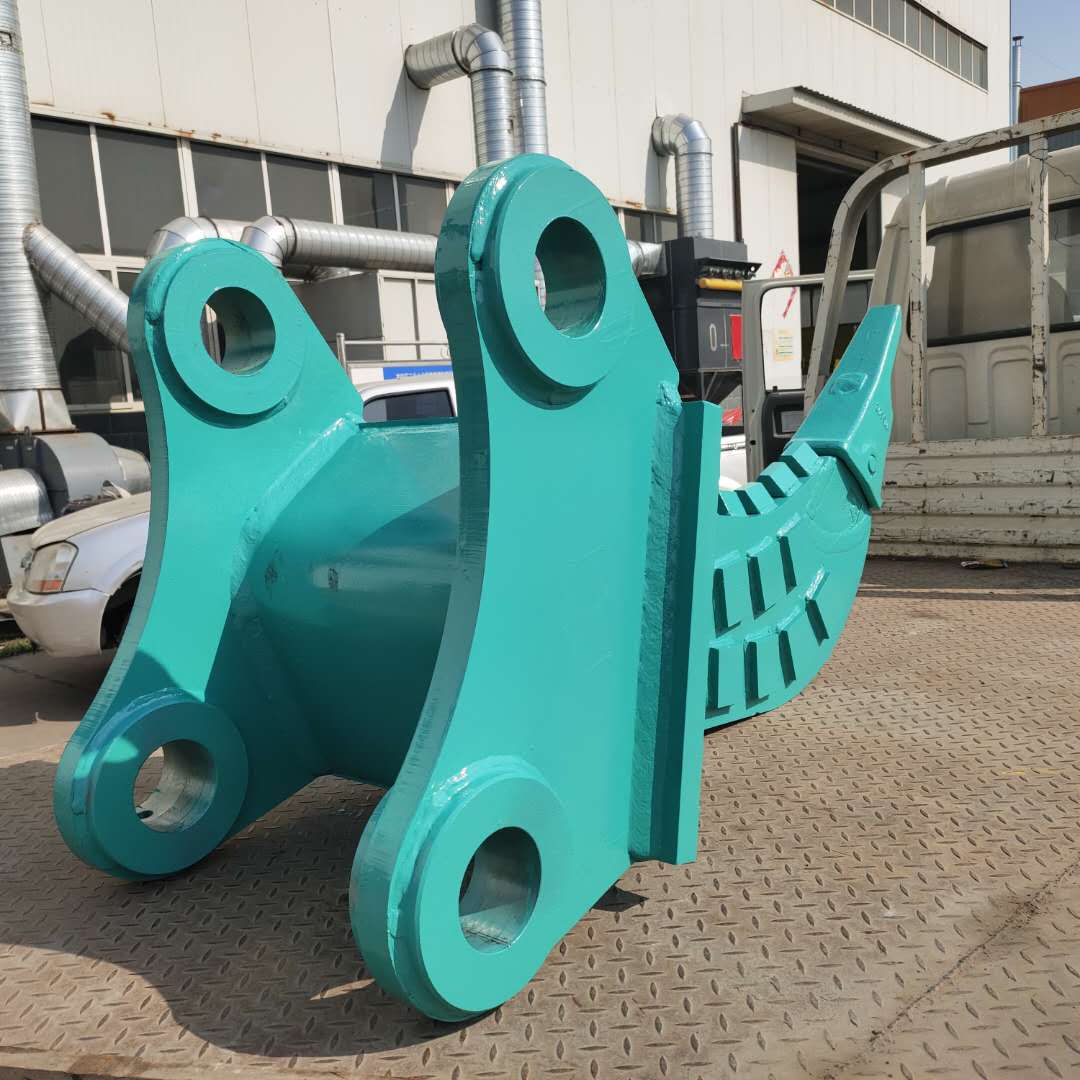
When faced with tightly compressed soil layers or clay formations, a ripper excavator proves invaluable. Unlike standard buckets that combat these conditions, rippers penetrate deep into compressed material using concentrated force at the tip. This penetration breaks the seal joints and creates fracture lines throughout the material. Construction project managers especially appreciate this potential in railroad expansion projects, where undisturbed soil may have consolidated over decades, rendering it nearly impenetrable by conventional means.
The process usually involves placing the ripper perpendicular to the ground surface, applying downward pressure through a hydraulic systemexcavator and pull ittoward the machine. This strategic movement creates tension within the compressed material, causing it to separate along natural cleavage planes. Railroad maintenance crews often use this technique to prepare for backrest replacement projects or drainage improvements without disturbing adjacent sections of track.
A rift through the frozen ground
Seasonal challenges pose significant challenges to construction schedules, especially in regions with harsh winters. Frozen soil can delay projects for months without the appropriate equipment. A backhoe reaper provides a crucial solution during these periods, allowing work to continue when temperatures drop below freezing.
The penetrating action of the reaper disrupts the ice crystallization that binds soil particles together. By creating initial fractures in the frozen layer, operators can systematically break up areas of frozen ground into manageable sections suitable for removal or further processing. This capability proves especially valuable for emergency utility repairs during the winter months or maintaining construction schedules despite adverse conditions. The hydraulic power of modern rippers allows them to overcome the significant resistance presented by frozen soil that could otherwise completely stop a project's progress.
Work with asphalt and concrete removal
Infrastructure rehabilitation projects often involve the removal of existing asphalt or concrete surfaces. The excavator ripper provides a cost-effective alternative to dedicated demolition equipment for many of these applications. The concentrated force delivery system of rippers makes them particularly effective against aging asphalt that has become brittle over time.
By approaching these materials strategically, operators can initiate cracks that propagate throughout the surface structure, facilitating efficient removal. This approach minimizes dust production compared to impact switches while reducing noise pollution in urban environments. For railroad maintenance operations that require platform modifications or access point repairs, rippers provide precise control that helps prevent damage to adjacent structures or utilities from being removed below the surface.
Fear of the earth
Preparing surfaces for new construction
Site preparation is a critical stage in construction projects, where surface scarification creates optimal conditions for new development. A ripper excavator excels in this application by systematically loosening the topsoil without completely removing it. This controlled disturbance improves drainage characteristics, creating an ideal substrate for compaction.
Structural engineers recognize that proper scarification results in superior foundation performance and reduced settlement over time. This process allows for better integration of existing terrain and imported fill materials when needed. Railroad construction particularly uses this approach when preparing sub-load layers for new rail installations, as it ensures consistent support characteristics throughout the duration of the project. Precise depth control available with modern hydraulic rippers allows operators to maintain specific scarification parameters in a variety of terrain conditions.
Enhance root growth for return
Restoration projects and mitigation workenvironment requireParticular attention is paid to soil conditions that promote active plant growth. Compacted soil creates a hostile environment for root development, often resulting in poor plant performance despite appropriate planting methods. Scarification using excavators and reaper attachments creates favorable conditions that support successful regeneration efforts.
By breaking up compressed surface structure without inverting soil horizons, rippers preserve soil biology while improving aeration and root penetration potential. This approach maintains existing seed banks while creating microtopography that traps moisture and provides protected places to thrive. For projects adjacent to rail corridors that require visual or noise buffers, this method expedites the creation of vegetation barriers. The depth versatility of reapers allows operators to tailor scarification models to the specific needs of the plant community, from shallow preparation for grassland restoration to deeper treatment to create woody species.
Removing roots and steps
Efficient tree root extraction
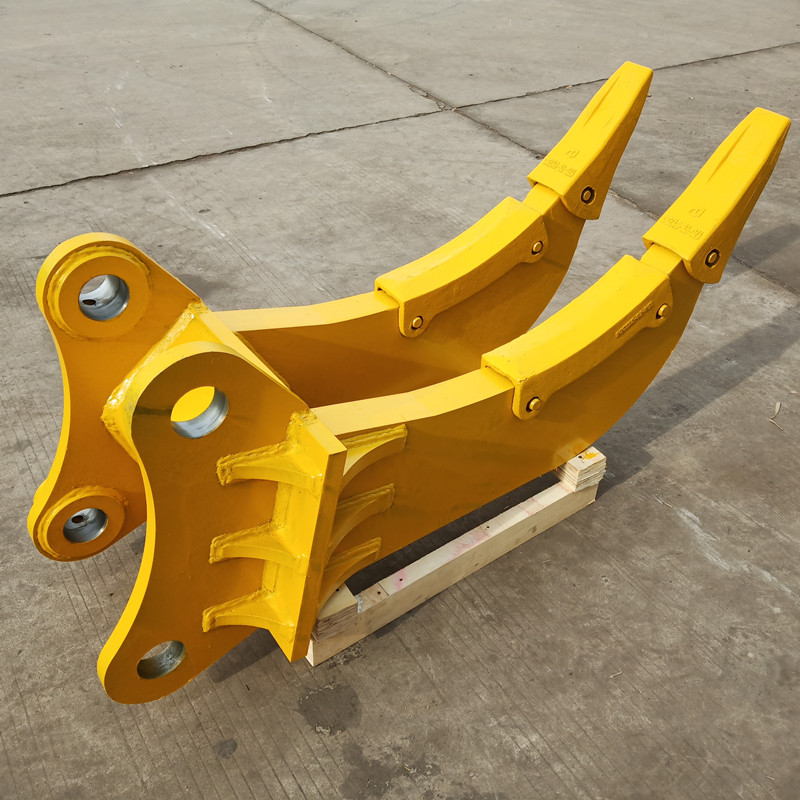
Land clearing operations often encounter extensive root systems, which pose significant obstacles to development projects. A reaper excavator offers superior productivity in extracting these underground networks without the need for specialized equipment or extensive work.manual laborBy targeting primary root structures, operators can effectively cut and extract roots with minimal site disturbance.
The process usually begins with identifying the main root paths radiating from the trunks or previously removed trees. The rapper penetrates along these roots, using controlled force to break connections to the surrounding soil while maintaining enough integrity for complete removal. This method proves especially valuable in railroad expansion projects, where careful root removal prevents future deformation of the railroad track from decay of organic material. The precise control available with excavator-mounted rippers minimizes collateral damage to surrounding utility systems or structures that may be disturbed during more aggressive removal methods.
Clearing stomps from development areas
Stamp removal is one of the most challenging aspects of site preparation, often requiring significant time and specialized equipment. Excavator rippers provide an integrated solution that reduces both resource requirements and project timelines. The application of concentrated force allows operators to systematically fragment trunks while extracting key root components.
The approach involves initially penetrating along the circumference of the trunk to cut off lateral roots and then strategically blasting to access the tap roots. This systematic fragmentation creates manageable sections that can be efficiently removed and processed. For large-scale clearing projects supporting new rail corridors or industrial development, this methodology significantly speeds up project timelines compared to traditional grinding methodsor removal of trunks. The versatility of modern reapers allows them to handle barrels in a variety of size categories without the need for multiple specialized mounts.
Preparing land for agricultural use
Converting previously forested areas to agricultural production requires careful removal of underground biomass that may interfere with production equipment or crop development. Excavator rippers provide agricultural developers with effective tools to solve these conversion problems while conserving valuable surface soil resources. Precise depth control allows operators to target wood material while minimizing disturbance to soil horizons.
By systematically working in development areas, operators can remove roots and organic debris while maintaining the site's grading and drainage characteristics. This approach is particularly valuable when preparing sites adjacent to rail infrastructure for agricultural buffer zones or additional development. The effectiveness of ripper mounts in this application significantly reduces the equipment fleet required for land conversion projects, offering significant operating cost advantages over traditional treatment methods that may require multiple specialized machines.