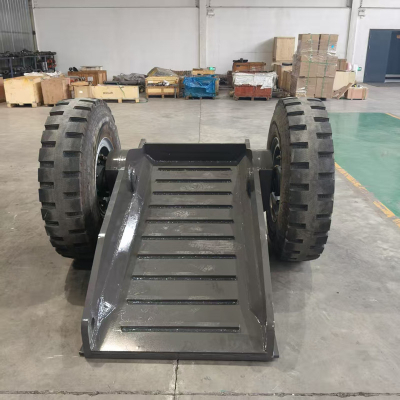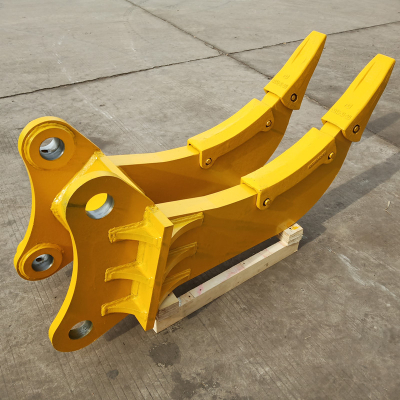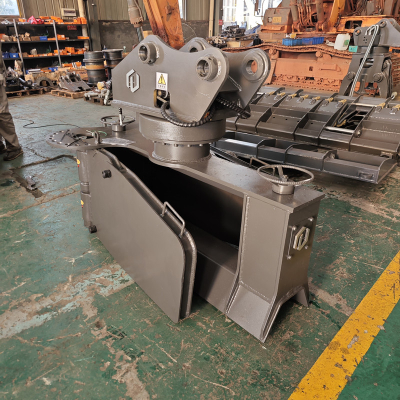

Dimensions of industrial railways
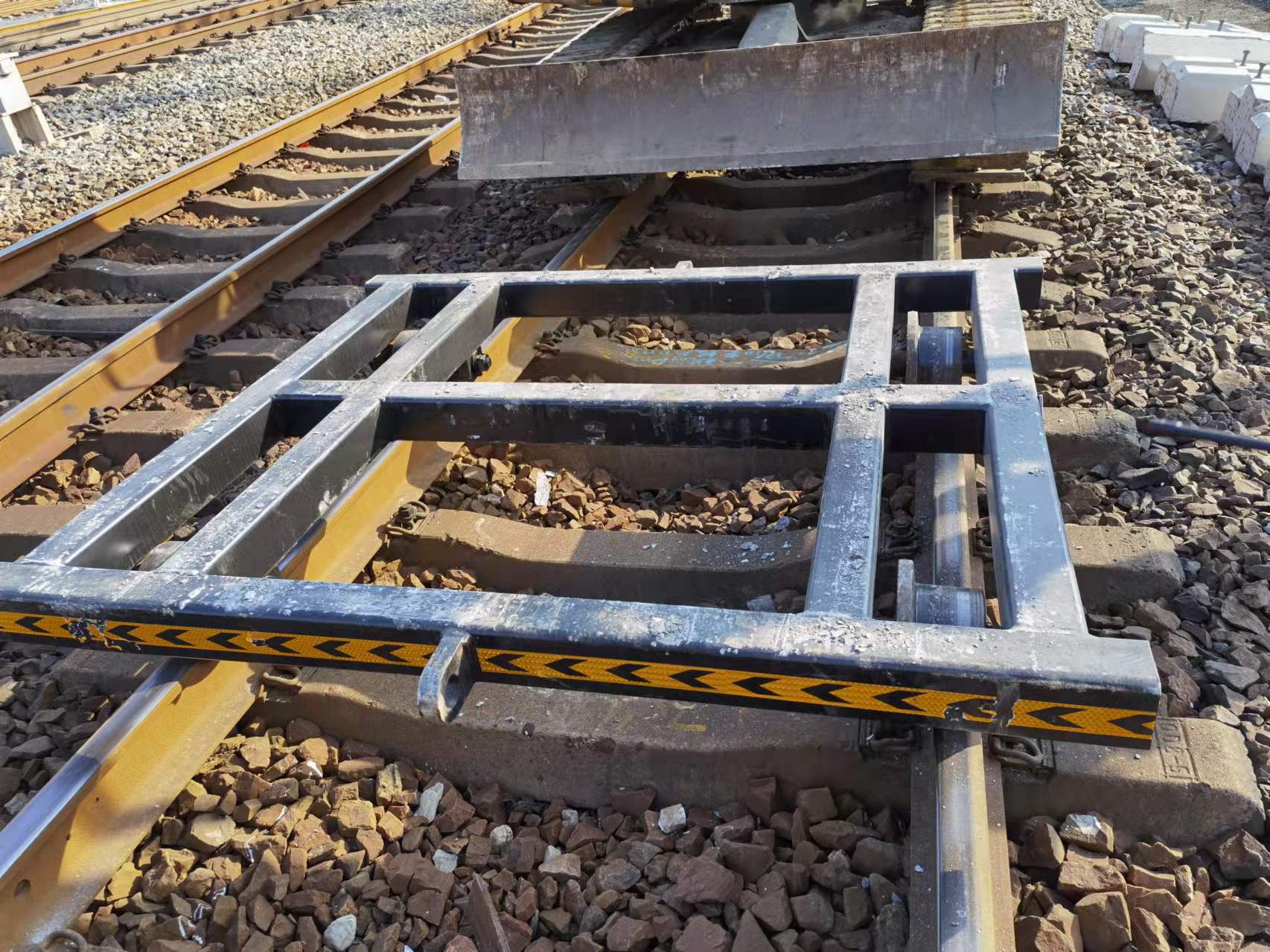
Railway cars serve as essential equipment in railway construction, maintenance and industrial transport. These reliable vehicles are designed to transport heavy machinery, materials and equipment on railways with precision and stability. Understanding industrial rail dimensions and specifications is critical to selecting the appropriate model for your specific operational requirements. Standard dimensions for industrial railways are typically 1700 x 2000 mm, with a load capacity of less than 30 tonnes supported by a four-wheel configuration. These specifications provide optimal performance on a variety of rail widths including 1000mm, 1067mm, 1435mm and 1520mm, making them versatile tools for a variety of rail applications.
Specifications (mm): 1700 x 2000
Dimensional Requirements
The dimensional characteristics of railway lining directly affect its functionality and range of application. The standard dimensions of 1700 x 2000 mm represent the optimal balance between stability, maneuverability and load-bearing capacity. These measurements usually refer to the platform dimensions, which determine the available surface area for mounting equipment or transporting materials.
The 1700mm width provides adequate stability while maintaining compatibility with standard rail gauges. This width ensures that the cart maintains proper balance when navigating curves or uneven sections of the track. At the same time, the 2000 mm length provides sufficient space for mounting various types of equipment, from maintenance tools to excavation equipment.
Application-Specific Configuration Options
While 1700 x 2000 mm are standard dimensions, manufacturers like TianNuo Machinery understand that different operations may require customized solutions. Dimensional modifications can be made to accommodate specialized equipment or unusual track conditions.
For mining operations, where space is limited in underground tunnels, narrower platform designs may be required. Conversely, for heavy construction applications, extended platform lengths can better accommodate larger machines. Customized size options allow operators to maximize efficiency while maintaining safety standards.
Relationship between dimensions and route measurements
The relationship between bogie dimensions and wheel sizes is a critical engineering consideration. Industrial railcars must be designed to maintain stability on a variety of standard wheels, including:
1000 mm (the dimension used in parts of Africa, Asia and South America)
1067 mm (3 ft 6 in gauge, common in Japan, Australia and parts of Africa)
1435 mm (standard gauge common throughout North America and Europe)
1520 mm (Russian caliber, used throughout Russia and former Soviet states)
The 1700 mm width specification ensures compatibility between these gauges while maintaining proper weight distribution. Precise engineering of these gauges prevents the risk of derailment and extends the service life of both the bogie and the railway infrastructure.
Load capacity (ton)
Maximum weight distribution analysis
The load capacity of industrial railcars is one of the most important indicators of their performance. With a capacity of up to 30 tons, these bogies can efficiently transport heavy machinery and materials with remarkable efficiency. This significant capacity makes them indispensable in railway construction, mining operations, and heavy industrial applications.
The engineering behind this load-bearing capacity involves complex structural design principles. Weight distribution across the bogie frame must be carefully calculated to prevent stress concentrations that could lead to structural failure. Manufacturers use advanced computer modeling to optimize load distribution across the frame and wheel assemblies.
For operations that require maximum power utilization, understanding the relationship between speed and load becomes essential. As load weight approaches the maximum capacity of 30 tons, operators must adjust transport speeds accordingly to maintain safety margins. This relationship provides operational efficiency by protecting both equipment and infrastructure.
Frame materials for optimal performance
The impressive load capacity of railroad cars is largely due to their durable construction materials. The standard frame material, Q355 steel, provides the optimal balance between strength, weight and cost-effectiveness. This high-strength structural steel offers excellent load-bearing properties combined with good weldability and workmanship.
Q355 steel has a strength of approximately 355 MPa, providing the necessary structural integrity to support heavy loads while resisting deformation. This choice of material allows manufacturers to design frames that evenly distribute weight throughout the truck structure, while minimizing the overall weight of the truck itself.
For specialized applications involving extreme environmental conditions, alternative frame materials or protective methods may be recommended. Galvanized finishes or marine-grade materials can be used for coastal or high-humidity environments to prevent corrosion and extend service life.
Operational considerations based on load requirements
Selecting the appropriate railway lining based on load requirements requires a thorough analysis of operational parameters. Engineers must evaluate not only the maximum weight of the equipment being transported but also the dynamic load factors that occur during acceleration, deceleration, and crossing uneven road surfaces.
For operations involving variable loads, bogies with adjustable suspension systems offer advantages in maintaining optimal performance under varying conditions. These adaptive systems can change their response characteristics based on the current load, ensuring consistent stability and tracking accuracy.
Maintenance schedules should also be adjusted according to typical load. Vehicles constantly operating close to maximum power require more frequent inspection of structural components, wheel assemblies and connection points. This proactive approach to maintenance maximizes equipment life while minimizing costly downtime.
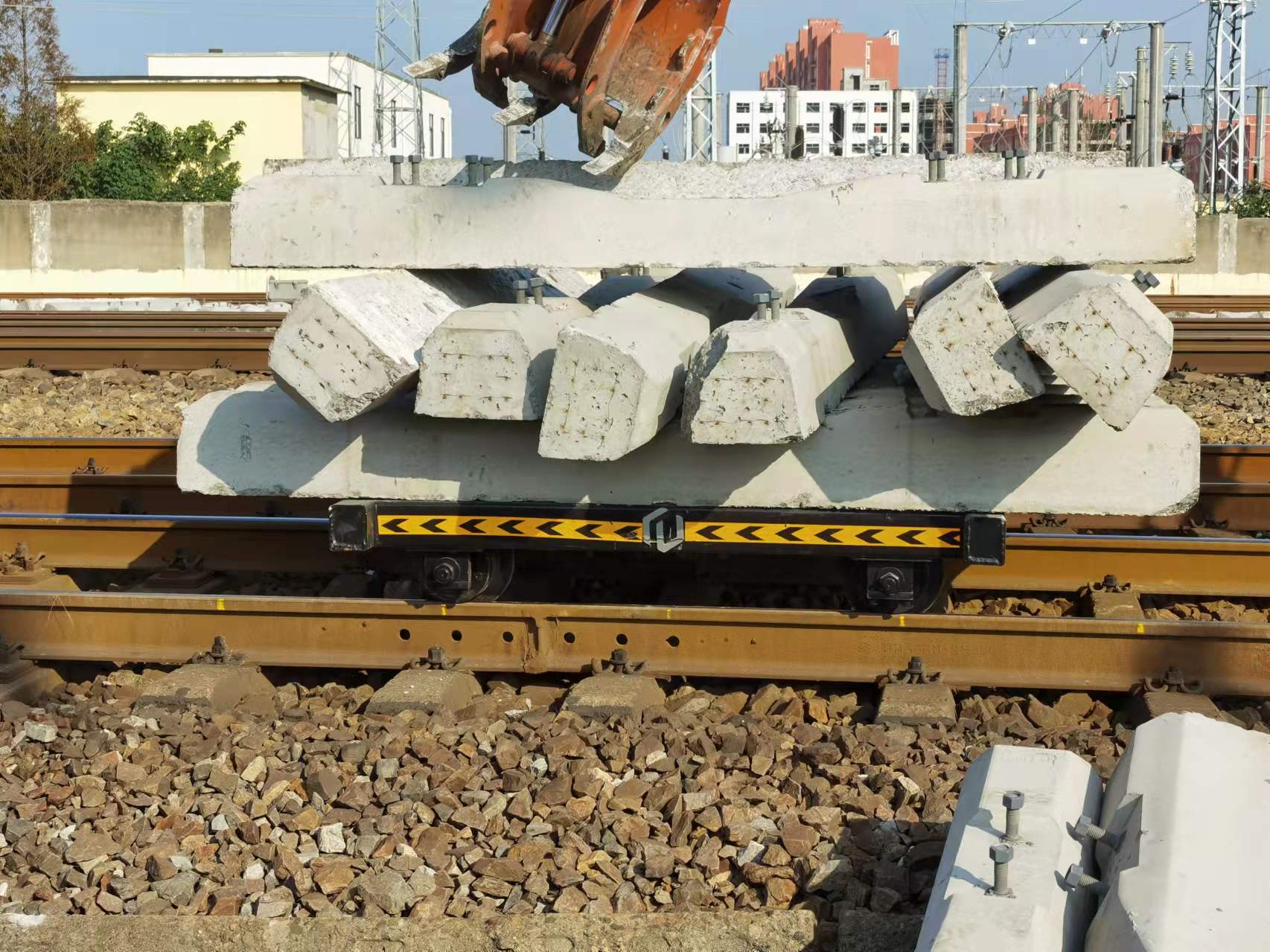
Number of wheels (pcs)
Wheel configuration and stability dynamics
The four-wheel configuration is a standard design for industrial railcars, offering the optimal balance between stability, maneuverability and weight distribution. This configuration uses two axles, each supporting two wheels, to create a stable platform capable of handling significant loads while maintaining accurate tracking along rail systems.
The distance between pairs of wheels significantly affects the stability characteristics of the trolley. Wider wheel spacing provides greater resistance to turning forces when hauling high or off-center loads. However, overly wide configurations can compromise maneuverability on curved road sections. Manufacturers such as TianNuo Machinery optimize this relationship to provide superior performance in a variety of operating conditions.
Advanced wheel alignment systems ensure that all four wheels maintain proper contact with the rails, even when navigating irregular sections of rail. This consistent pin distribution prevents uneven wear patterns and reduces the risk of rail failure during operation.
Strength and application of wheel material
Wheel material directly affects the performance and durability of railroad cars. The standard 40Cr steel alloy used for wheels combines excellent wear resistance with excellent load-bearing capabilities. This chrome-molybdenum alloy steel provides hardness values suitable for sustained heavy-duty applications.
Through specialized heat treatment processes, 40Cr wheel components achieve optimal hardness profiles that resist deformation under load while maintaining sufficient strength to prevent brittle failure. This material characteristic proves particularly valuable in applications involving frequent starting and stopping, where the wheels experience high concentrations of momentary stress.
For specialized applications involving extremely abrasive or corrosive conditions, alternative wheel materials or surface treatments may be recommended. Surface hardening treatments can further improve wear resistance, especially for operations in mining or construction environments where contamination of rails by abrasive materials is common.