
What excavator models are compatible with tunnel arms?
When it comes to underground construction and tunnel projects, having the right equipment is critical.Excavator tunnel armsare specialized mounts designed to enhance the capabilities of standard excavators in confined spaces. But not all excavators are created equal when it comes to compatibility with these powerful tools. In this comprehensive guide, we'll explore which excavator models work best with tunnel arms, taking into account factors such as size, hydraulic systems and adaptability. Whether you're working on narrow passages or large infrastructure projects, understanding excavator and tunnel arm compatibility is essential to maximizing efficiency and safety in underground operations.
Size and weight considerations for compatibility
The size and weight of an excavator play a significant role in determining its compatibility with tunneling arms. Different tunneling projects require different excavator sizes, from compact machines for tight spaces to larger models for extensive infrastructure work.
Compact excavators for narrow tunneling projects
Compact excavators shine in tight underground spaces. These flexible machines, typically weighing between 1.5 and 6 tons, are ideal for narrow tunnels and utility work. Their small size allows them to maneuver in tight spaces where larger excavators cannot fit. When equipped with specializedtunnel handsCompact excavators can effectively perform tasks such as cable laying, pipe installation, and small excavations in confined areas.
Popular compact excavator models compatible with tunnel arms include:
Bobcat E35
Kubota U55-4
JCB 8035 ZTS
These machines provide the perfect balance of power and maneuverability for small tunnel projects.
Medium size models ideal for universal tunneling
For more versatile tunneling applications, mid-size excavators in the 7 to 25 tonne range are often the choice. These excavators provide a good balance between power and mobility, making them suitable for a wide range of tunnel construction tasks. When equipped with tunnel arms, medium-sized excavators can handle everything from digging up rocks to removing debris in medium-sized tunnels.
Some mid-size excavator models that are well suited to use tunnel arms include:
Volvo ECR145E
Komatsu PC138USLC-11
Hitachi ZX135US-6
These excavators offer increased reach and digging depth compared to their compact counterparts while maintaining a reasonable footprint for underground work.
Large excavators for large infrastructure tunnels
When it comes to large infrastructure projects such as highways or railway tunnels, large excavators weighing 30 tons or more are often needed. These powerful machines, equipped with specialized tunneling arms, can tackle the most challenging excavation challenges in extensive underground environments. Their rugged design and high hydraulic power make them ideal for breaking through tough rock formations and moving large volumes of material efficiently.
Larger excavator models suitable for tunnel arm integration include:
Tunnel Liebherr R 950
CAT 349 UHD
Kobelco SK500LC-10
These excavators provide the necessary strength and stability for large tunneling operations, ensuring productivity in large-scale projects.
Hydraulic system requirements for tunnel arms
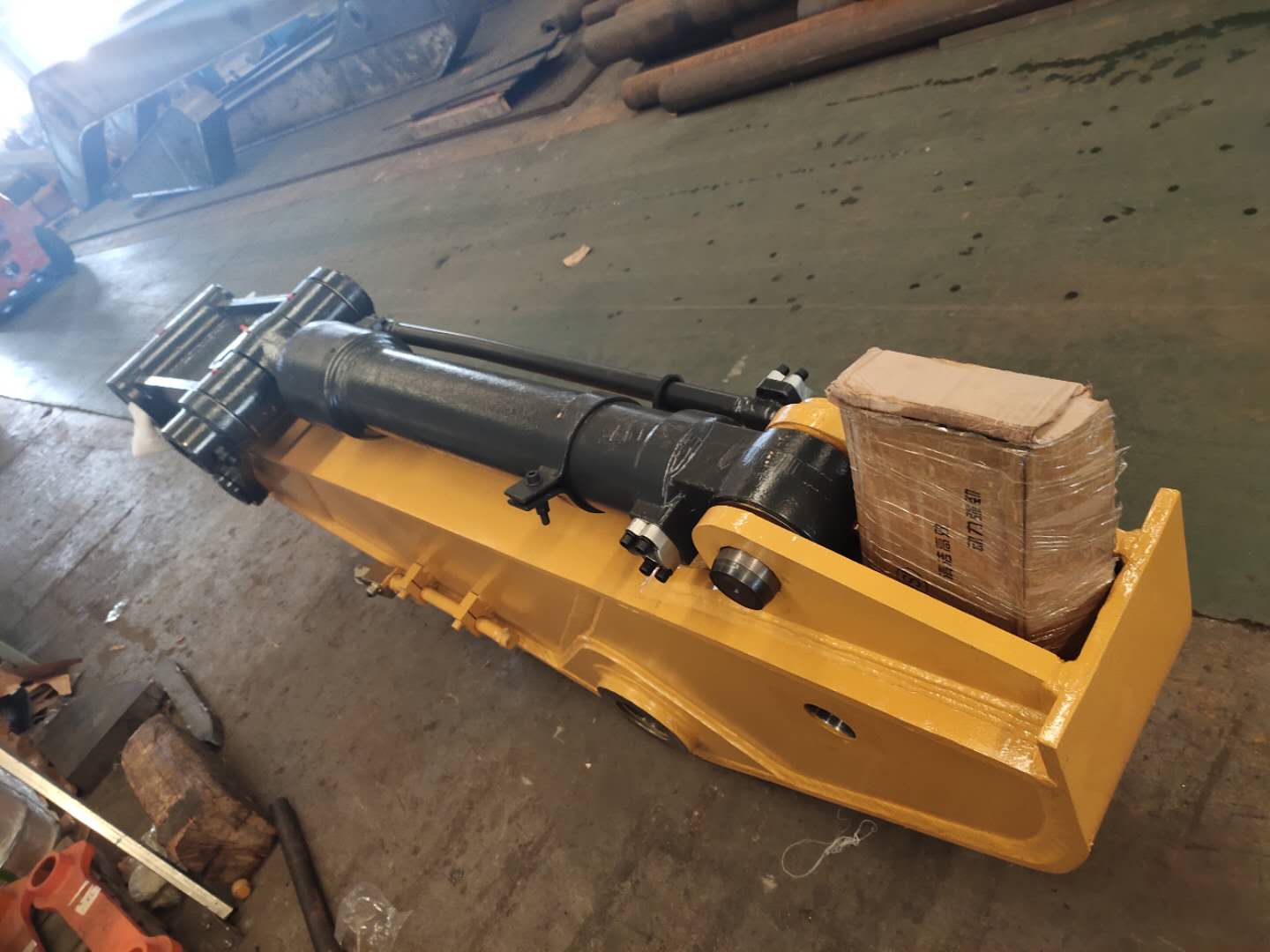
While size is a deciding factor, an excavator's hydraulic system is equally important when considering compatibility with tunnel arms. Proper hydraulic adjustment ensures optimal performance and long life of the excavator and tunnel arm attachment. Let's look at the key hydraulic considerations:
Flow rate and pressure specifications for operationhands tunnel
Excavator tunnel frames require specific flow rates and pressure levels to operate effectively. An excavator's hydraulic system must be able to provide the necessary power to operate the arm smoothly and efficiently. Typically, tunnel arms require higher flow rates than standard excavator arms due to their specialized features and extended reach.
Key hydraulic specifications to consider include:
Flow rate: typically 60 to 200 liters per minute, depending on hand size
Working pressure: typically 250 to 350 bar
Pump capacity: Must be sufficient to maintain consistent flow and pressure
Excavators with variable displacement pumps and load sensing hydraulic systems are often better suited for tunnel arm applications because they can adjust output based on demand, increasing efficiency and reducing component wear.
Auxiliary hydraulic circuits for specialized fasteners
Many excavator tunneling arms come with additional attachments, such as rock breakers, cutting heads, or drilling blocks. To accommodate these tools, excavators must be equipped with auxiliary hydraulic circuits. These secondary systems provide the necessary power and control to operate specialized attachments independently of the primary arm's functions.
Features to look for in auxiliary hydraulic systems include:
Several auxiliary circuits (ideally 2-3)
Adjustable flow control for different mounts
Quick connect connections for easy mount changes
Excavators with factory-installed auxiliary circuits are often easier to integrate withtunnel handsand associated fasteners, reducing the need for extensive modifications.
Cooling systems for use in an extended tunnel
Underground work can be demanding on hydraulic systems, with heat build-up being a major concern. Effective cooling systems are essential to maintain optimal hydraulic fluid temperatures during extended tunnel arm operations. Overheating can lead to reduced performance, increased wear and potential equipment failure.
Effective cooling solutions for tunnel arm excavators include:
High Power Oil Coolers
Reversible fans for clearing debris from radiators
Separate cooling plans for primary and secondary systems
Some tunnel excavator models come standard with advanced cooling packages, making them ideal for tunnel arm applications.
Adapting existing excavators to use tunnel arms
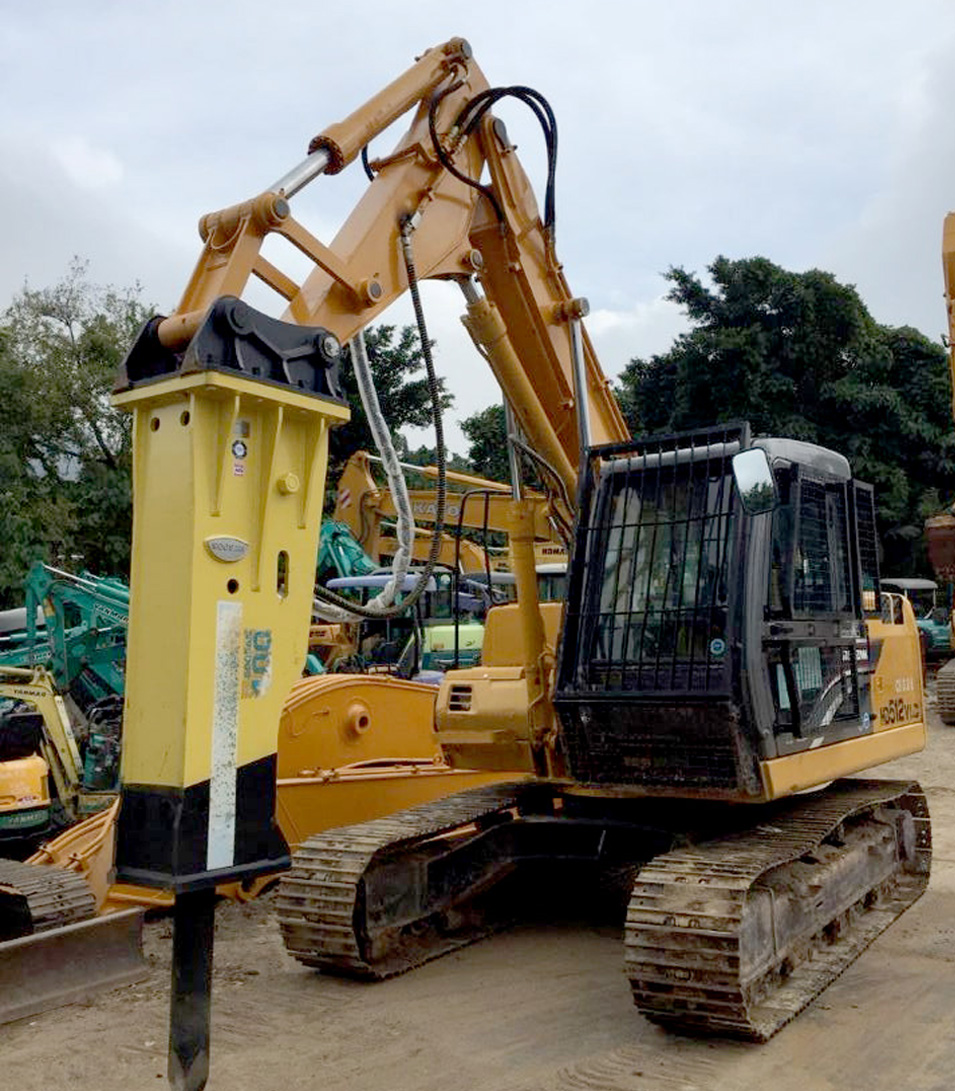
While some excavators are specifically designed for tunneling, many contractors choose to adapt their existing fleet for underground projects. This approach can be cost-effective and provide greater flexibility in equipment use. Let's consider options for modifying standard excavators to accommodate tunneling arms:
Upgrade kits for popular excavator brands
Several manufacturers offer conversion kits designed to convert standard excavators into tunnel-ready machines. These kits typically include reinforced boom and arm components, additional hydraulic lines, and safety features suitable for underground environments. Retrofit kits are available for many popular excavator brands, making it easy to adapt existing equipment to tunneling applications.
The benefits of using retrofit kits include:
An effective alternative to purchasing specialized tunnel excavators
Ability to switch between standard and tunnel configurations as needed
Engineering solutions that support manufacturer warranties in many cases
When considering a retrofit kit, it is important to work with reputable suppliers and ensure that the kit is compatible with your specific excavator model.
Customization options for unique tunnel arms
Specialized tunnel projects or unique excavator models may require custom tunnel arms. This approach allows for the development of customized solutions that perfectly match the excavator's capabilities and the specific requirements of the tunnel project. Custom fabrication can solve problems such as unusual tunnel geometries or specialized excavation methods.
Key considerations for custom tunnel arms include:
Collaboration with experienced engineering firms
Use of high strength materials suitable for underground conditions
Rigorous testing and certification to ensure safety and performance
While custom solutions may initially be more expensive, they often provide superior performance and adaptability for unique tunnel projects.
Software updates for optimized controltunnel hands
Modern excavators rely heavily on software for precise control and operation. When adapting an excavator for tunnel arm use, software updates are often necessary to ensure optimal performance and safety. These upgrades can improve the machine's ability to handle the unique motion and load distribution associated with tunnel arms.
Software enhancements for tunnel arm excavators may include:
Improved hand geometry calculations for improved reach and accuracy
Specialized operating modes for tunnel work
Integration with tunnel-specific safety systems and sensors
Many excavator manufacturers offer software upgrade packages specifically designed for tunnel applications, making the onboarding process easier.
Selecting the correct excavator model for tunnel arm compatibility is critical to successful underground projects. By considering factors such as size, hydraulic capabilities and adaptability, contractors can ensure they have the right equipment for the job. Whether choosing compact machines for tight spaces or powerful large excavators for large infrastructure jobs, the key lies in matching the excavator's capabilities to the requirements of the tunnel project. With the right combination of excavator and tunnel arm, construction teams can tackle even the most challenging underground tasks efficiently and safely.