
Demolition and recycling: grappa waste applications across all industries
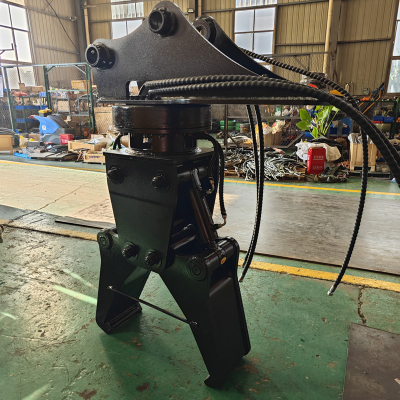
Excavator scrap metal clamps have revolutionized the demolition and recycling industry by offering unprecedented efficiency in handling a variety of materials. These versatile fasteners have become an indispensable tool for construction companies, waste disposal sites and recycling centers. With their robust design and hydraulic power, scrap grabbers allow operators to sort, lift and transport heavy materials with precision and ease. From construction waste to end-of-life vehicles, these accessories have found application in various sectors, simplifying operations and increasing productivity.
Innovative use in construction waste management
Excavator clamps for efficient waste sorting
In the construction waste management industry, backhoe rakes have become game changers. These powerful accessories excel at sorting mixed waste, separating recyclable materials from non-recyclable waste. The multi-rack design allows operators to pick up debris of various sizes, from small pieces of concrete to large metal beams, with amazing accuracy.
Construction sites generate enormous amounts of waste, and efficient sorting is critical for both environmental and economic reasons. Debris grabbers equipped with hydraulic systems provide smooth and controlled movements, allowing operators to move quickly through piles of debris. This not only speeds up the cleaning process, but also ensures that valuable materials are preserved for recycling.
Reducing landfill waste by recycling scrap metal
Scrap metal recycling playsvital role in reducing landfill waste and conserving natural resources. Excavator scrap metal grabbers play an important role in this process by allowing recyclable metals to be efficiently collected and processed. Their rugged construction, often featuring high-strength manganese steel, makes them ideal for handling heavy and abrasive materials without wear.
By using these specialized grappers, recycling centers can process larger volumes of scrap metal in less time. The efficiency of hydraulic scrap handling of these fasteners results in increased productivity and improved results for recycling operations. Additionally, the precise control offered by load sensing technology ensures delicate materials are handled carefully, minimizing damage and maximizing the value of recycled metals.
Economical demolition using TianNuo Grapple accessories
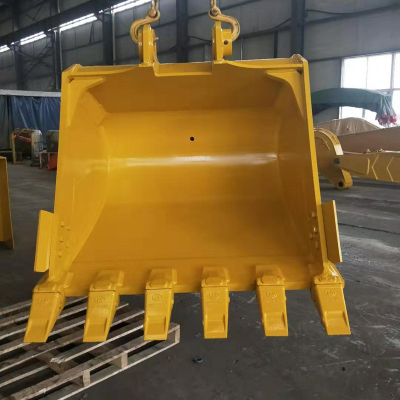
TianNuo shoring systems have been recognized for their durability and performance in demolition projects. These shoring systems are designed to withstand the rigors of heavy-duty demolition work while providing the versatility needed for a variety of tasks. From structural demolition to waste sorting and loading, TianNuo shoring systems offer a cost-effective solution for demolition contractors.
TianNuo's adjustable grapple sizes, suitable for excavators from 6 to 24 tons, allow contractors to select the ideal attachment for their specific needs. This flexibility, combined with user-friendly controls, allows operators to work efficiently over extended periods, reducing overall project timelines and costs.
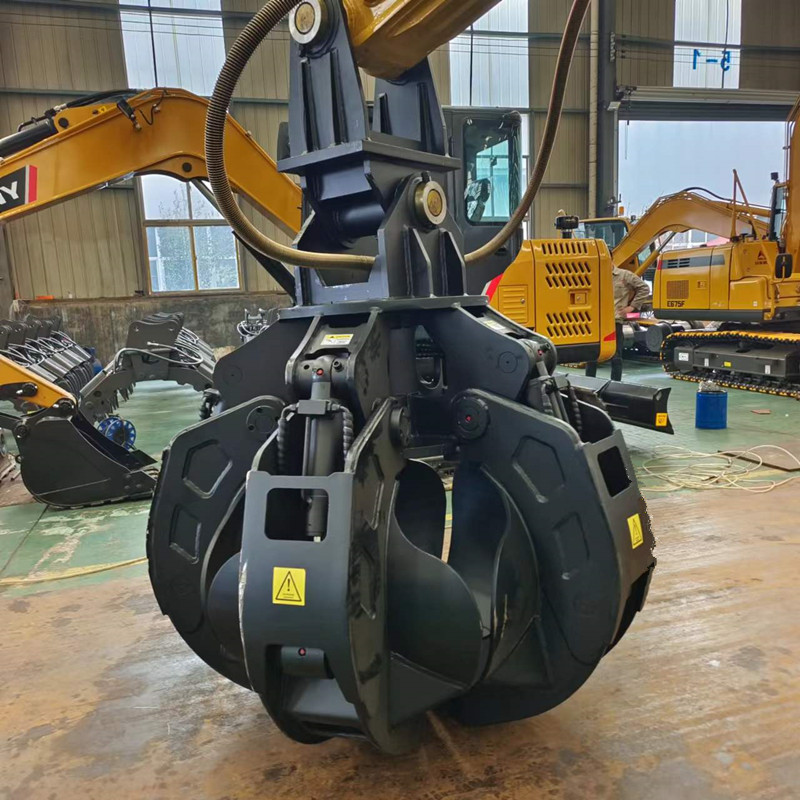
Scrap grapples in car recycling centers
Simplify vehicle dismantling with specialized adhesives
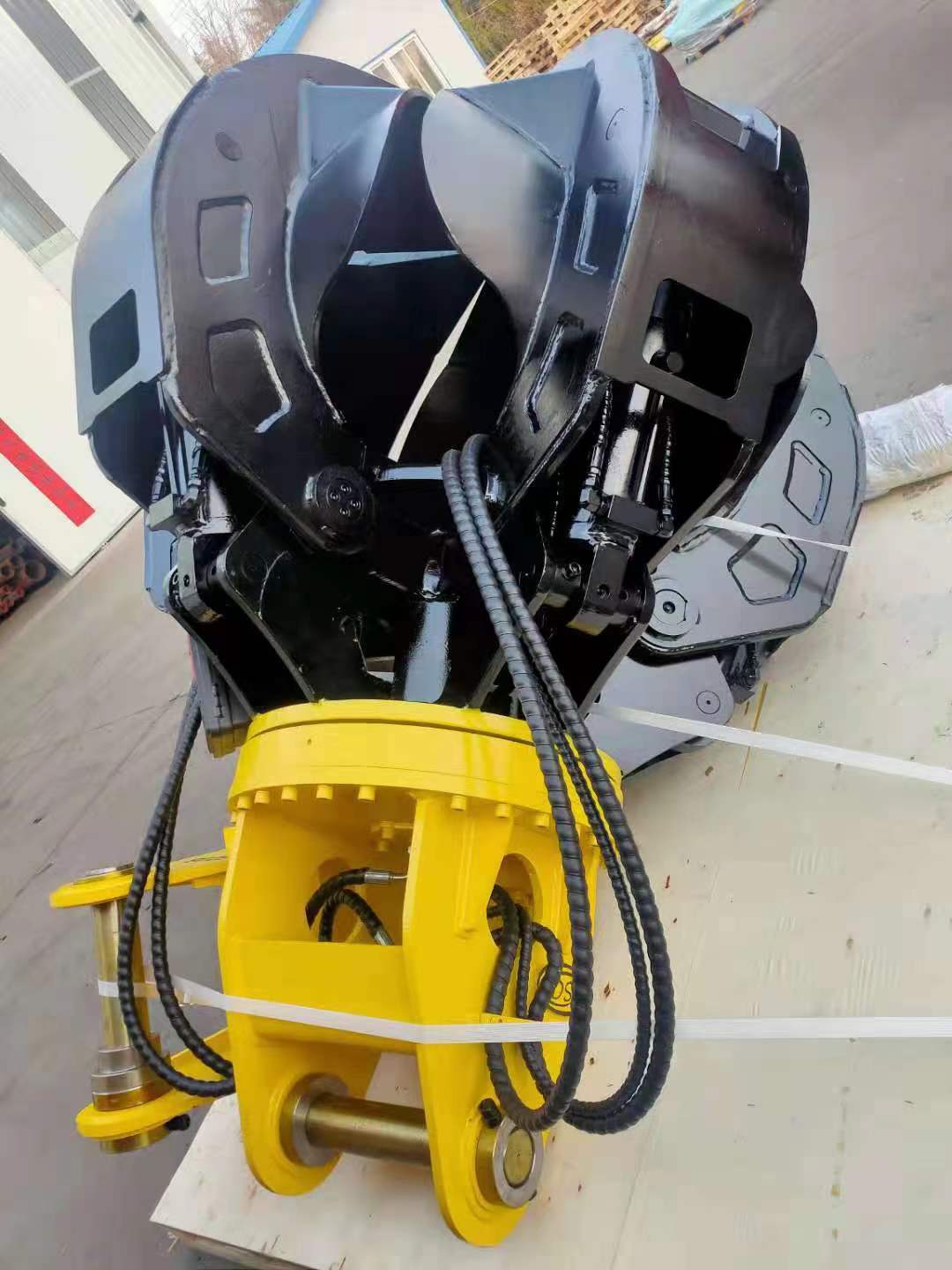
Automotive recycling centers use specialized grabbers to simplify the vehicle removal process. These mounts are designed with features that specifically meet the challenges of end-of-life vehicle handling. The multi-point gripper design securely grips vehicle bodies and large automotive components, facilitating safe and efficient handling.
By using these specialized grippers, recycling machines can significantly reduce the time and labor required to dismantle a vehicle. The hydraulic systems in these mounts provide the power and precision needed to separate the various parts of the vehicle, from the body to the engine block. This not only speeds up the recycling process, but also helps preserve the integrity of valuable components for resale or further processing.
Maximum metal recovery from end-of-life vehicles
Recovering metals from used vehicles is an important aspect of car recycling. In this process, metals play a crucial role.Scrap metal grabbers play for an excavator,These grabbers are designed to efficiently extract and sort various metals. Their robust design allows them to handle the weight and abrasiveness of automotive metals without compromising performance.
Thanks to the precise control provided by hydraulic systems, operators can accurately separate non-ferrous and non-ferrous metals, maximizing the value of recovered materials. This level of sorting efficiency not only increases the profitability of recycling operations but also contributes to the conservation of natural resources by reducing the need for raw metal production.
Improving Safety in Auto Scrappers with Grapple Technology
Safety is a top priority in automotive scrappers where heavy and potentially hazardous materials are handled every day. Grapple technology has significantly improved safety in these environments by reducing the need to manually handle large and heavy vehicle components. The user-friendly controls of modern grapples allow operators to handle materials from a safe distance, minimizing the risk of injury.
Additionally, the stability provided by well-designed grippers reduces the likelihood of accidents caused by falling or shifting loads. This not only protects workers, but also protects valuable equipment and materials. The introduction of grapple technology into auto scrappers has resulted in improved workplace safety standards and increased operational efficiency.
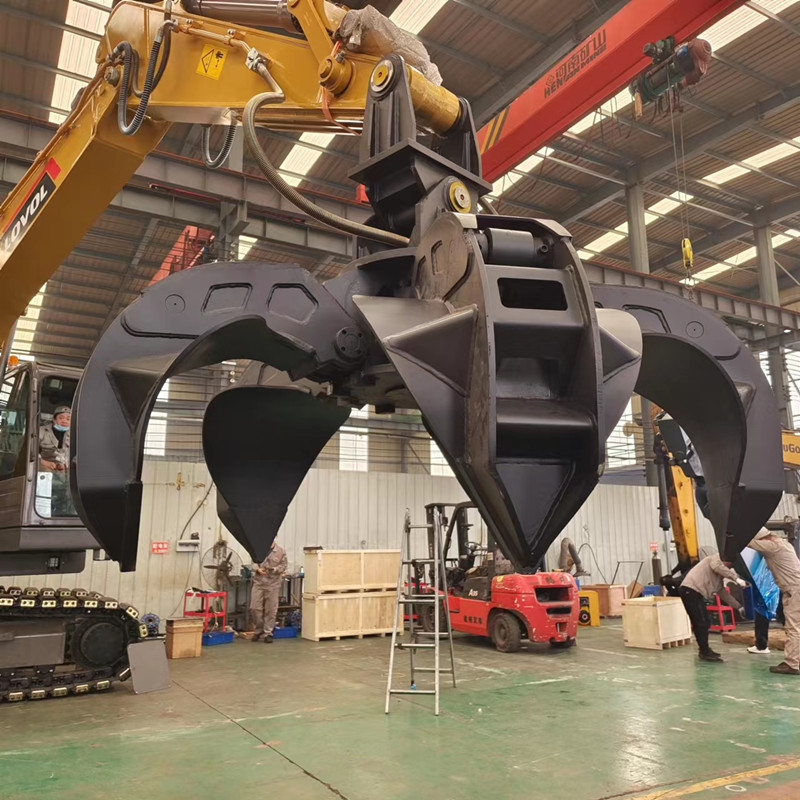
Adaptation of adhesives for processing various materials
Universal adhesives for railway maintenance and construction
The railway industry has found innovativeapplications for excavator scrap metal invaders in maintenance and construction projects. These versatile fasteners have proven invaluable for applications such as clearing debris from rails, handling railroads, and managing construction materials along railroads. The ability to customize grapple sizes and configurations allows for optimal performance in the unique conditions of the railroad environment.
Railroad maintenance crews value the precision and power of hydraulic grabbers when handling heavy components such as rails and bundles. Efficient handling of these materials not only speeds up maintenance work, but also helps minimize disruption to rail operations. In construction projects, clusters facilitate the quick and safe movement of materials, which helps speed up project completion time.
Applications in forestry and landscape construction scrap
The adaptability of waste grappers extends to the forestry and landscaping sectors, where they have found numerous applications. In forestry, these devices are used to clear fallen trees, manage logging debris, and process wood. The grippers' strong grip and controlled movements make them ideal for manipulating large trees and branches without causing damage to surrounding vegetation.
Landscapers have used gripple technology for tasks such as removing stems, handling large rocks, and managing green waste. The precision offered by hydraulic control allows for delicate operations in landscape projects where the preservation of existing installations and structures is critical. This versatility makes grapplers a valuable tool for green industry professionals, increasing productivity and expanding the range of services they can offer.
Optimizing Logistics with TianNuo Excavators
In the logistics and transportation industry, TianNuo excavator accessories have made significant contributions to the optimization of material handling processes. The company's grippers are designed with features that meet the unique challenges of loading and unloading various types of cargo. From bulk materials to irregularly framed items, these attachments provide the flexibility needed in modern logistics operations.
The increased efficiency offered by TianNuo grapples results in faster turnaround times in ports, warehouses and distribution centers. The ability to handle multiple items simultaneously reduces the number of machine movements required, resulting in fuel savings and reduced equipment wear. This optimization of logistics processes not only improves operational efficiency, but also contributes to cost savings and increased customer satisfaction through faster delivery times.