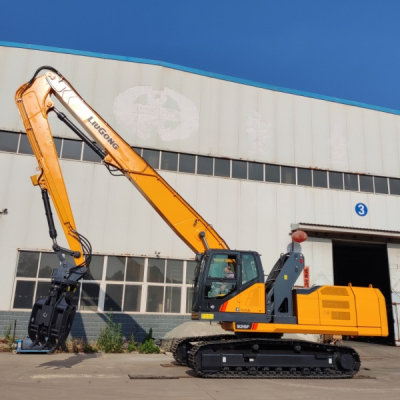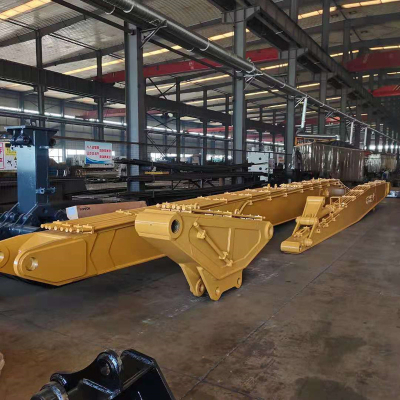

Which Hitachi models require counterweight for each long reach length?
Hitachi's long-available excavator booms are powerhouses in the construction and demolition industry, but their expanded reach requires careful consideration of counterbalancing needs. Models such as the ZX210LC-6, ZX250LC-6 and ZX350LC-6 typically require additional counterweights when equipped with long booms extending over 15 meters. The exact counterweight requirements vary depending on the specific model and reach length, providing optimal stability and performance in challenging jobsites.
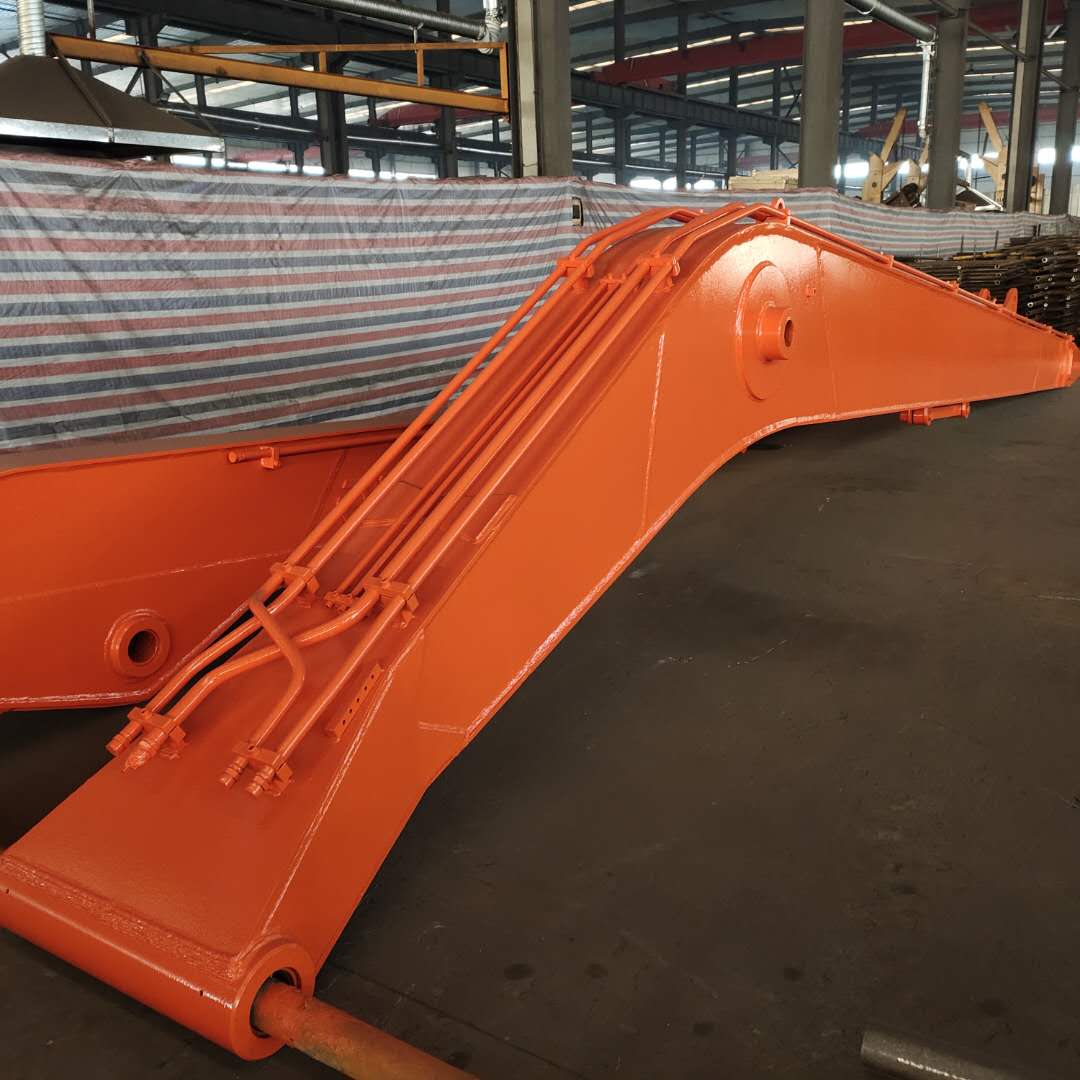
Counterweight requirements for long-term coverage
Long Range Excavator Basics: Range
There is a diverse line of long range excavators to suit different project requirements. These specialized machines are designed to tackle tasks in difficult to access areas such as deep excavations, river dredging and slope reforming. The range of long-range excavators includes models from the compact ZX130-5 to the rugged ZX870LC-5, each offering unique capabilities and reach lengths.
Long reach booms greatly expand an excavator's operating range, allowing operators to access areas that would not be possible with standard equipment. Hitachi's engineering prowess is evident in their long-reach designs that maintain impressive digging forces and lifts even over long distances.
The importance of counterweight in excavator stability
ra
Counterweights play a critical role in maintaining the stability and balance of long-range excavators. As the boom extends further from the vehicle's center of gravity, the risk of turning increases. Counterweights act as a balancing force, ensuring that the excavator remains firmly planted on the ground during operation.
The importance of proper counterbalance cannot be overstated. This directly affects the performance, safety and durability of the machine. Insufficient counterweight can result in reduced lift capacity, instability during operation and potential safety hazards. Conversely, excessive counterweight can place unnecessary stress on machine components and reduce fuel efficiency.
Counterweight recommendations by model
The manufacturer provides detailed counterweight recommendations for each of its long-range excavator models. These recommendations take into account factors such as the machine's base weight, boom length, and expected operating conditions. For example, the popular ZX350LC-6 may require an additional 3,800 kg of counterweight when equipped with an 18-meter strike, while the larger ZX490LCH-6 may require up to 9,000 kg of additional counterweight for its 22-meter strike configuration.
It's important to note that these recommendations are not one-size-fits-all solutions. They encourage operators and facility managers to consult with their local dealers or representatives to determine the optimal counterweight configuration for their specific application and work environment.
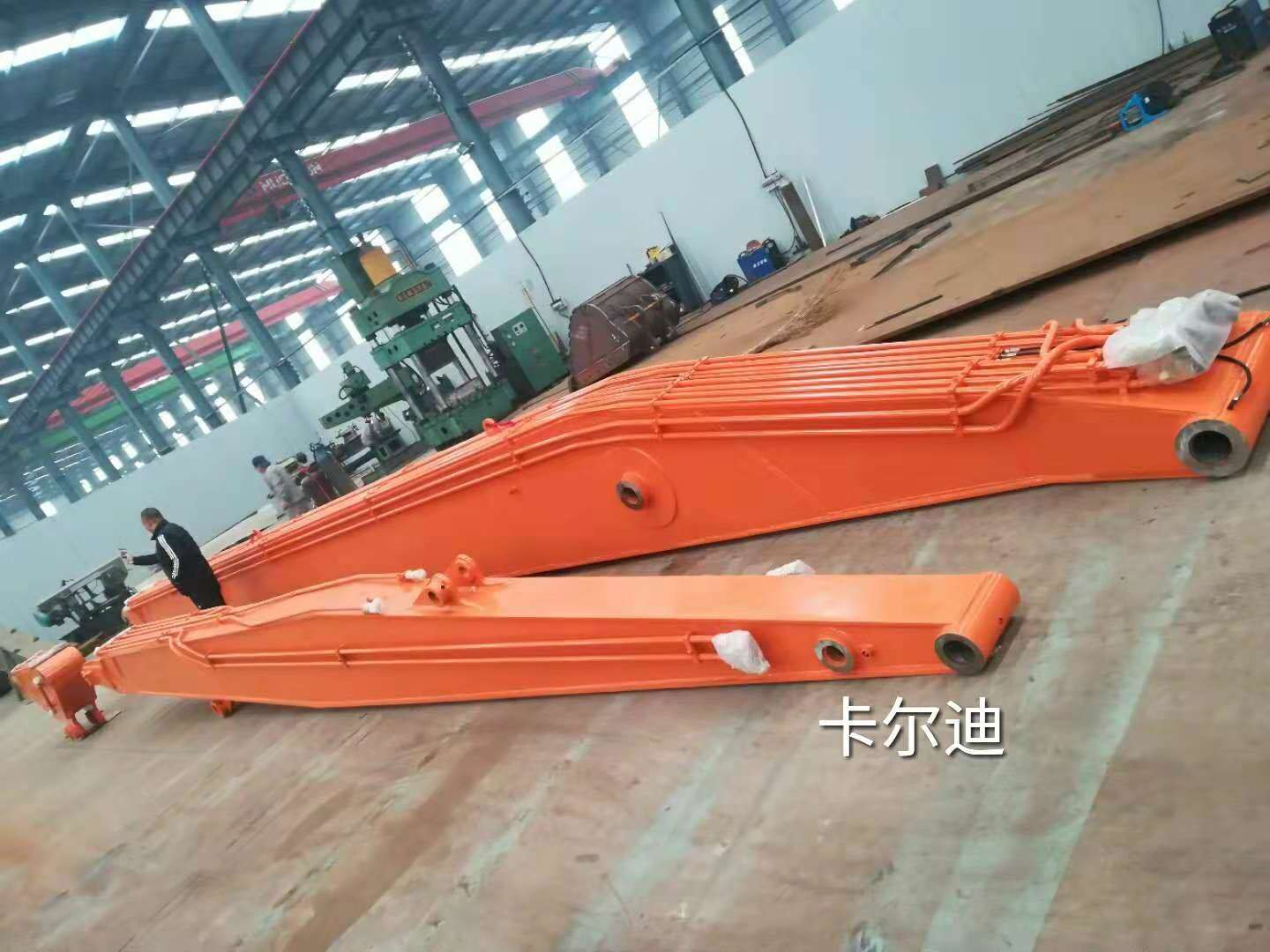
Balancing act: Appropriate counterweights to achieve lengths
Calculation of optimal counterweight for long-term coverage
Determining the ideal counterweight for a long-range excavator involves a complex calculation that takes into account several variables. Key factors include the base weight of the machine, the length and weight of the long reach and arm, and the maximum load at full extension. Hitachi's engineering team uses sophisticated computer modeling and real-world testing to develop precise counterweight recommendations for each configuration.
It is critical for operators and project managers to understand that counterweight requirements increase exponentially as reach length increases. The general rule is that for every meter of additional range beyond the standard configuration, the counterweight requirement can increase by 500-1000 kg depending on the model and operating conditions.
Effect of mounting weight on counterbalance requirements
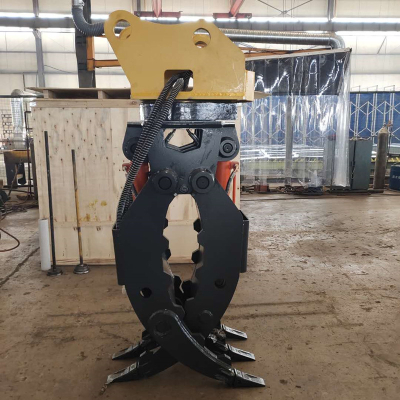
The weight of the mounts used with long-range excavators has a significant impact on counterweight requirements. Heavy attachments, such as demolition grips or large capacity buckets, add significant weight to the end of the boom, requiring additional counterweight. In contrast, lighter attachments such as pruning buckets or hydraulic hammers may allow for lower counterweight in certain situations.
The manufacturer recommends a dynamic approach to counterbalance, in which operators adjust machine configuration based on specific applications and tasks. This flexibility ensures optimal performance and safety in a variety of applications, from precision demolition to large-scale earthmoving projects.
Configuring counterweights for specific job requirements
Recognizing that every job site presents unique challenges, the supplier offers custom counterweight solutions for its long-range excavators. This adaptability allows contractors to fine-tune their machines to specific project requirements, maximizing efficiency and safety. Custom counterweight options can include modular designs that can be easily added or removed as needed, or specialized configurations for extreme reach scenarios.
When considering a custom counterweight, it is important to work closely with experts or authorized dealers. They can provide valuable insight into the optimal configuration for your specific applications, ensuring your long-range excavator is performing at its peak while maintaining the highest safety standards.
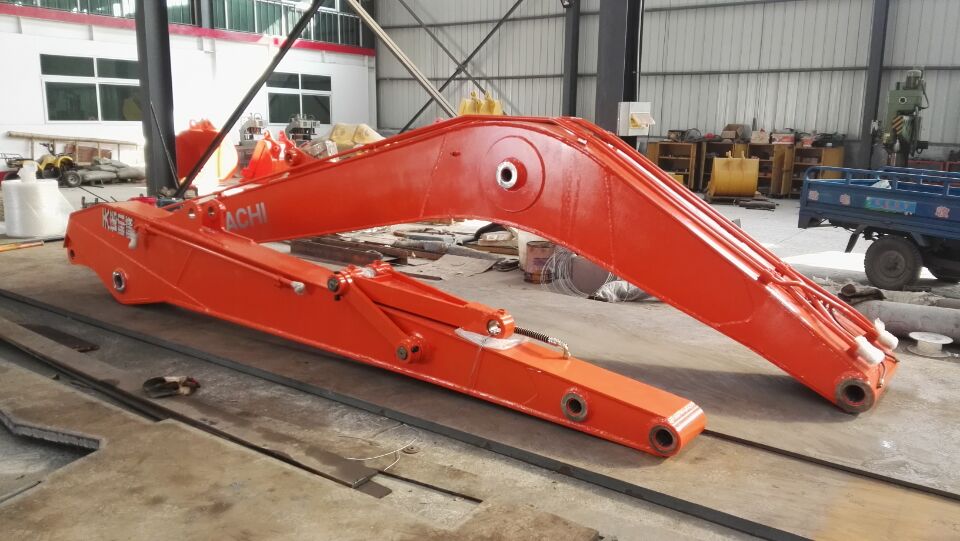
Optimizing stability: counterweight solutions for Hitachi models
Innovative counterweight designs for Hitachi excavators
The supplier continually innovates counterweight designs to improve the performance and versatility of its long-range excavators. One notable achievement is the development of hydraulic adjustable counterweights. This system allows operators to change the machine's center of gravity in flight, adapting to changing load conditions without the need for manual adjustments or additional equipment.
Another innovative solution is the use of high-density materials in counterweight construction. By using materials with higher mass per volume, they can create more compact counterweights that maintain the necessary balancing force without significantly increasing the overall size of the machine. This design approach is especially useful in confined work spaces or when transportation regulations limit the size of the machine.
Aftermarket vs. OEM counterweights: pros and cons
While OEM (Original Equipment Manufacturer) counterweights are designed specifically for their long-range excavators, aftermarket equipment options are also available. OEM counterbalances offer the benefit of being precisely engineered for Hitachi machines, providing optimal fit, performance and warranty coverage. They are also subjected to rigorous testing to meet strict quality and safety standards.
On the other hand, aftermarket counterweights may provide cost savings or unique configurations not available from the OEM. However, they have potential disadvantages, including uncertain quality, potential installation problems, and the risk of voiding machine warranties. When considering aftermarket options, it is critical to thoroughly research the manufacturer and consult with experts to ensure compatibility and safety.
Future Trends in Long Range Counterweight Technology
Looking ahead, the supplier is exploring advanced technologies to further improve the stability and efficiency of its long-range excavators. One promising area of development is the integration of active balancing systems. These systems use sensors and advanced algorithms to continuously adjust machine weight distribution in real time, optimizing stability and performance across a wide range of operating conditions.
Another emerging trend is the use of lightweight, high-strength materials in excavator construction. By reducing the overall machine weight while maintaining structural integrity, suppliers aim to reduce the need for excessive counterweight, potentially improving fuel efficiency and transportability without sacrificing reach or lifting capacity.
Understanding counterweight requirements for Hitachi long-reach excavators is crucial for maximizing productivity, safety, and efficiency on the job site. By carefully matching counterweights to the proper lengths and considering factors such as attachment weight and specific job requirements, operators can ensure their machines operate at peak performance.