
Precautions when using a long-reach excavator
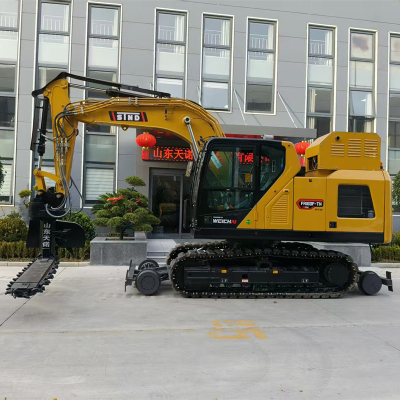
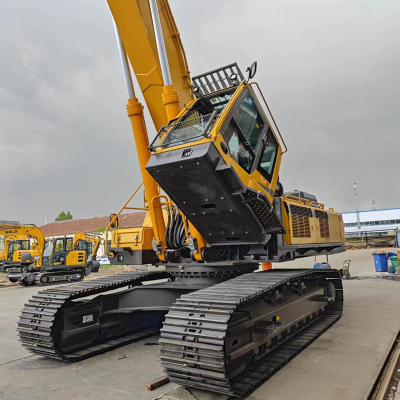
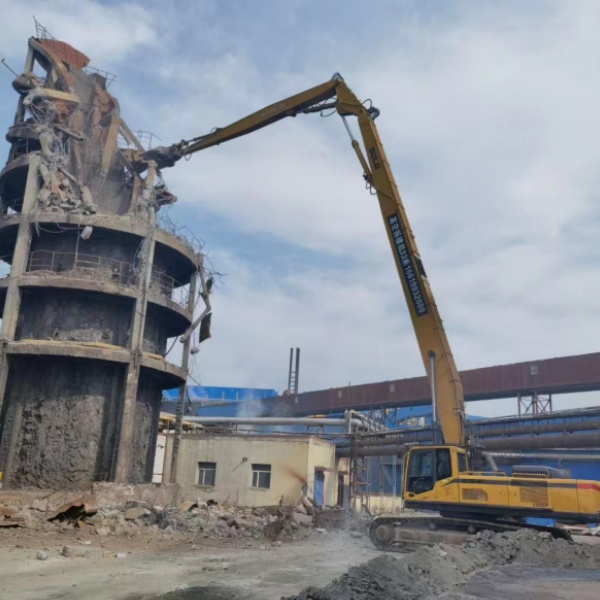
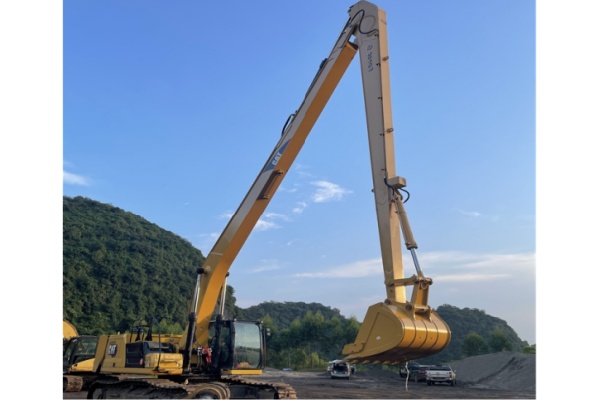
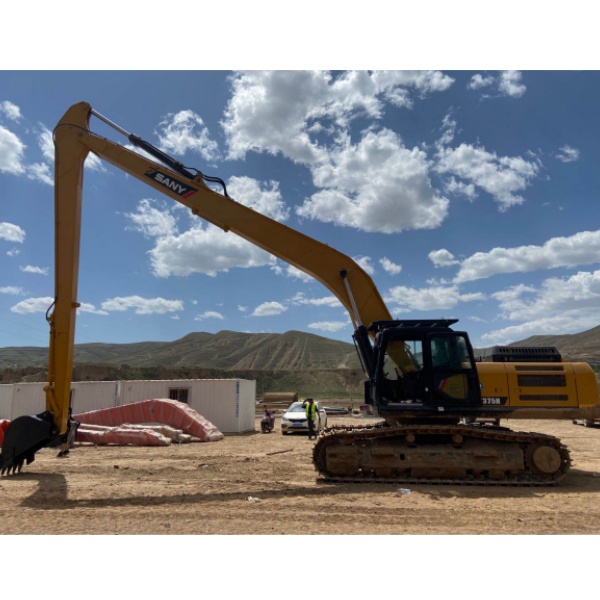
Long excavatorsare powerful machines that offer advanced capabilities for a variety of construction, demolition and maintenance tasks. These specialized excavators require careful handling and safety protocols to prevent accidents and ensure optimal performance. In this comprehensive guide, we'll cover basic safety precautions when operating long excavators, with a focus on equipment safety, load management, and best operating practices.
Equipment safety
Preliminary inspection of long excavator
Before operating a long boom excavator, it is extremely important to conduct a thorough pre-operation inspection. This inspection should cover all critical components, including the hydraulic system, boom and arm mechanisms, and safety components. Start by checking fluid levels such as hydraulic oil and coolant to ensure they are at recommended levels. Check hoses and connections for any signs of wear, leakage or damage.
Examine the boom and arm for any structural problems such as cracks or warps. Pay close attention to the pivot points and studs, as these areas experience significant stress during operation. Check that all bolts andfastenings are protectedand properly tightened. Test machine controls, including joysticks, pedals and emergency shutdown systems, to ensure they respond and operate correctly.
Be sure to check the suspension and rails (or wheels) for excessive wear or damage. Proper road tension is essential for stability, especially when working over long distances. Finally, check all lights, mirrors and cameras to ensure clear visibility while working.
Proper Maintenance for Enhanced Arm Stability
Regular maintenance is the key to keeping long boom excavators stable and reliable. Implement a comprehensive maintenance schedule that includes daily checks, weekly inspections, and more in-depth monthly and annual maintenance. Pay special attention to the hydraulic system as it is critical to the stability and accuracy of the extended arm.
Change hydraulic fluids and filters regularly according to manufacturer's recommendations. Clean or replace air filters to maintain optimal engine performance. Lubricate all pivot points, bearings and moving parts to reduce friction and wear. Monitor the condition of the booms and bearings, replacing them as necessary to prevent excessive play in the boom and arm assembly.
Monitor and adjust frog and arm alignment periodically to ensure accurate positioning and prevent uneven stress distribution. Check and tighten all bolts and fasteners regularly as vibrations during operation can cause them to loosen over time.
Safety Features of TianNuo Excavator Machines
TianNuo Machinery equips its long boom excavators with advanced safety features designed to protect operators and improve overall productivity. These features include load torque indicators that provide real-time feedback on machine stability and liftability. Automatic overload protection systems prevent the excavator from exceeding safe operating limits, reducing the risk of overturning or structural failure.
Advanced hydraulic systems with pressure relief valves help prevent sudden movements and ensure smooth operation, even when working over long distances.ExcavatorsTianNuo is also equipped with reinforced cabs with ROPS (Roll-Over Protective Structure) and FOPS (Falling Object Protective Structure) certifications, providing enhanced operator protection in case of accidents.
Additionally, TianNuo incorporates advanced telematics systems that enable remote monitoring of machine health and performance. This technology enables proactive maintenance and can alert operators to potential issues before they become serious.
Load and stability management
Understanding the Load Capacity of Long-Range Excavators
Maintaining the lifting capacity of long-range excavators is essential for safe and efficient operation. These machines have different capacities depending on the boom extension and position. It's important to consult the load chart specific to your model, which indicates the maximum safe working loads at various boom extensions and angles.
Remember that load-bearing capacity decreases as the boom extends further from the machine's center of gravity. Always consider the weight of attachments, such as buckets or ballasts, when calculating the total load. Overloading can cause instability, rotation, or structural damage to the excavator.
Operators must be trained to accurately interpret load charts and understand how factors such as ground conditions and machine positioning can affect load capacity. Use built-in load moment indicators and warning systems to stay within safe operating limits.
Balancing Techniques for Advanced Paper Operations
Maintaining proper balance is crucial when operating excavators with long booms, especially at maximum reach. Position the excavator on stable, level ground whenever possible. If working on slopes, align the tracks parallel to the slope to improve stability.
When lifting or moving loads, keep the boom as close to the machine as possible, reaching the work area. Avoid sudden movements or vibrations, which can create dynamic forces that could compromise stability. Instead, use smooth, controlled movements to manipulate the boom and load.
Use the system effectivelyexcavator counterweight.Some long-range excavators have adjustable or removable counterweights to optimize balance for different tasks. Always follow the manufacturer's instructions when adjusting counterweights.
Ground conditions: the key to excavator stability
Ground conditions play a critical role in the stability of long-boom excavators. Before positioning the machine, assess the work area for potential hazards, such as soft soil, hidden voids, or underground utilities. Use ground mats or temporary foundations to distribute the machine's weight more evenly on softer surfaces.
Use caution when working near excavations or trenches, as the edges may collapse under the weight of the excavator. Maintain a safe distance from these areas, following OSHA guidelines for minimum setbacks based on soil type and excavation depth.
In wet conditions, an increased risk of slipping should be considered. Reduce operating speeds and avoid sudden movements that could cause loss of traction. If you are working on frozen soil, be aware that the surface may become slippery as it thaws during the day.
Operational precautions
Safe Distance Guidelines for Passersby and Workers
Establishing and enforcing safe distance guidelines is crucial when operating excavators with long booms. The extended reach of these machines creates a large working area that must be carefully managed. Install clear barriers or warning signs to demarcate the excavator's working area, taking into account the full swing radius of the boom and counterweight.
Implement a surveillance system for missions requiring precision or when working in congested areas. The observer must maintain constant communication with the operator and have the authority to stop work if safety concerns arise. Use hand signals or two-way radios to ensure clear communication between the operator and ground personnel.
Train all site workers on the hazards associated with long-boom excavators and the importance of maintaining safe distances. Emphasize the need for high-visibility clothing and the use of designated walkways when moving around the work area.
Proper placement of long excavators on site
Proper positioning of long excavators is essential for both safety and efficiency. Before starting work, inspect the site to determine the best location for the excavator. Consider factors such as ground stability, overhead obstructions, and the location of underground utilities.
Position the excavator to minimize the need to reposition it during operations. This reduces downtime and the risk of accidents associated with moving heavy equipment. If possible, place the excavator on level ground with the rails parallel to the work surface.
If you're working on slopes, position the excavator with the rails running up and down the slope, rather than across it. This orientation provides greater stability and reduces the risk of slipping. Always use stabilizers or stabilizing devices when provided, ensuring they are fully extended and on stable ground.
Weather for extended coverage operations
Weather conditions significantly affect safety.operationLong-boom excavators. Wind is a particular concern, as it can affect the stability of suspended loads and the excavator itself. Consult the manufacturer's manual for maximum wind speeds during operation and consider reducing working heights in windy conditions.
In wet conditions, be aware of reduced visibility and the potential for slippery surfaces. Adjust operating speeds accordingly and ensure proper drainage to prevent water from accumulating around the excavator. During hot weather, be aware of the increased risk of hydraulic system overheating, especially when operating over long distances for an extended period of time.
In cold climates, allow sufficient warm-up time for hydraulic fluids to reach optimal operating temperatures. Be careful of ice forming on the boom and arm surfaces, which may affect machine performance and create safety hazards.
Prioritizing safety when operating long boom excavators is paramount to protecting workers, equipment and project timelines. By focusing on equipment safety, load management and operational precautions, operators can significantly reduce the risks associated with these powerful machines. Regular maintenance, proper training and adherence to manufacturer's guidelines are key to ensure safe and efficient operation. Remember that a culture of safety not only prevents accidents, but also improves productivity and long equipment life.