
Why is it necessary to clean ballast?
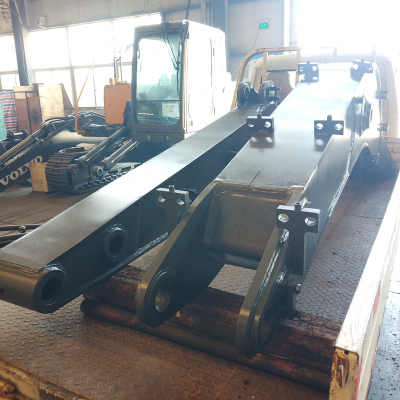
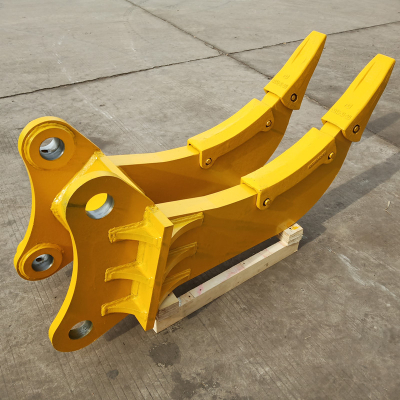
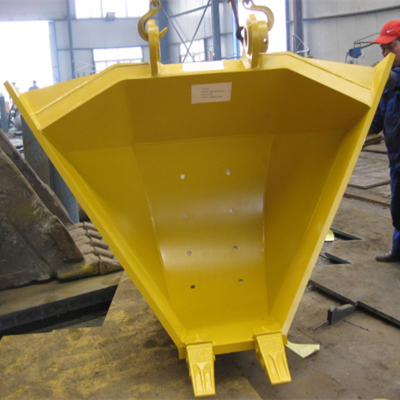
Railway maintenance is an important aspect of ensuring safe and efficient railway operations.At the heart of this service is the crucial task of ballast cleaning.Ballasts, the crushed rock aggregates that support railways, require regular cleaning to maintain optimum performance.Over time, ballast becomes contaminated with various materials including coal dust, metal particles, vegetation and soil, reducing its ability to properly drain water and support the rail structure.This contamination results in reduced track stability, poor drainage and accelerated deterioration of railway components.The use of specialized equipment such as the excavator bucket for cleaning ballast between and under rails has become essential in modern railway maintenance operations.This specialized mount allows for precise removal of contaminated ballast from hard to reach areas, especially between backs and under rails where traditional machines may have difficulty accessing.Regular ballast cleaning not only extends the life of the rails, but also significantly reduces maintenance costs, prevents derailments and ensures smoother train operation.
Ballast cleaning
Natural deterioration of ballast materials
Over time, ballast is destroyed and becomes rounded. Parts of ballast are then easier to connect, reducing the efficiency of ballast. Thin pieces of granite, such as sand, are also created by wear, known as “finns”. This natural process of degradation is inevitable, but can be controlled using appropriate maintenance procedures. The coal shape of the fresh ballast provides excellent blocking opportunities that ensure the stability of the track, but as these edges are worn out, the ability of ballast to block together is significantly reduced.
The process of degradation is accelerated in difficult motion, when constant vibration and pressure of passing trains lead to the adjustment of ballast particles against each other. Weather conditions also play an important role in the deterioration of the state of ballast, since the cycles of freezing and thawing even more destroy stone material and strong precipitation shake fines deeper into the ballast layer.
Sources of pollution and their impact
Ballast pollution comes from various sources, creating a complex mixture that undermines the performance of the track. In excess of carbon dust, the dust of brake shoes and cargo spills continuously fall on the rail. Undergraduate soil will be reduced up in humid conditions. The remains of vegetation, including leaves and organic substances, break up and increase contamination. These pollutants fill the voids between ballast stones, preventing proper drainage and reducing the ability of ballast to maintain the rail structure.
When the ballast is very contaminated, he forms what the technical specialists are called "dirty spots" or "wet beds". These areas hold water, and do not allow it to led, creating dangerous conditions in which the geometry of the highway can quickly shift. A one -time excavator hook for cleaning ballast between railways and under the rails becomes especially valuable in these scenarios, allowing the service crews to be aiming at specific problem areas, without violating the entire rail section.
The role of drainage in the work of ballast
Correct drainage may be the most important function of railway ballast. When they are clean, corner stones create a sufficient empty space so that the water is growing through and removes from the structure of the rail. This drainage ability prevents the softening of water and supports the stability of the railway field in all weather conditions.
As pollution increases, these drainage canals are blocked by fines and other people's materials. As a result of the detention of water, several serious problems arise: accelerated degradation of ballast, erosion of the subgrade and the growth of frost in colder climate. Studies have shown that ballast with poor drainage can hold up to 40% more moisture, significantly reducing its bearing capacity and potentially leading to problems with the geometry of the route that affect train operations.
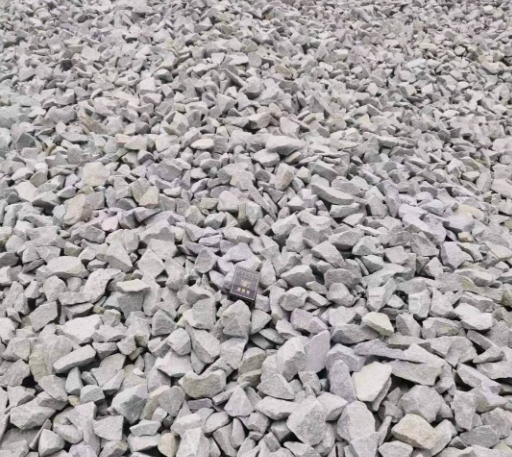
Extending the service life of the track due to proper service ballast
Economic advantages of regular ballast cleaning
The economic argument of regular ballast cleaning is convincing. Preventive maintenance using the planned cleaning operations can extend the service life of the route for 15-20 years, which represents a significant cost savings compared to the full reconstruction of the route. While the initial investments in specialized equipment, such as an excavator stone hook for cleaning ballast between railways and under the rails, may seem significant, long -term financial benefits significantly outweigh these costs.
Regular cleaning of ballast reduces the frequency of large modernization and rail repair. Supporting appropriate drainage and supporting characteristics, the purified ballast prevents the accelerated wear of other expensive rail components, such as rails, spoons and mounting systems. In addition, pure ballast reduces the dynamic forces exerted on the structure of the rail, even more extending the service life of the components.
Modern technologies and cleaning methods
Maintenance of railways has changed significantly for decades, since modern technologies offer more effective and effective solutions to clean ballast. Traditional methods often included the complete removal and replacement of ballast, which was long and expensive. Today's approaches are concentrated on the selective cleaning and processing of the existing ballast, where possible.
High -intensive machines for cleansing ballast can now process several thousand cubic meters of ballast per hour, using complex screening systems to separate polluted material from reusable stone. For more targeted maintenance, specialized mounts, such as an excavator stone hook for cleaning ballast between railways and under the rails, allow for maintenance teams to solve specific problem areas without disturbing the entire rail site.
These modern cleaning methods also incorporate environmental considerations, with systems designed to control dust and properly remove or recycle contaminated materials in accordance with environmental regulations.
Preventive Maintenance Planning
Developing an effective preventive maintenance schedule is critical to maximising track life and optimising maintenance resources. Modern rail operators use sophisticated rail monitoring systems that can detect early signs of ballast contamination before it leads to visible rail defects.
Ground-penetrating radar technology enables maintenance planners to assess the condition of the ballast beneath the surface, identifying areas where cleaning interventions will provide the greatest benefit. This data-driven approach ensures that maintenance resources are directed to where they will have the greatest impact on the performance and longevity of the track.
Optimal scheduling also takes into account traffic patterns, weather conditions and seasonal factors. For example, scheduling major ballast cleaning operations during the dry season improves efficiency and effectiveness while minimizing disruption to rail operations.
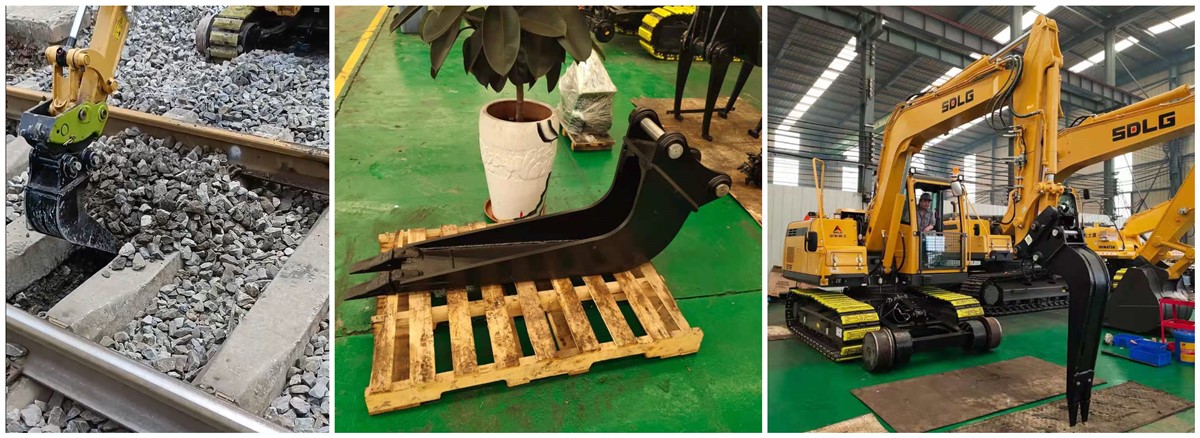
Maintaining track stability through efficient ballast management
Critical safety implications of faulty ballast
The stability of railways directly affects safety, which makes the maintenance of ballast a critical safety problem. Incorrect ballast compromises the geometry of the track, which potentially leads to problems with leveling, which increase the risk of leaving the rail. When ballast loses its ability to properly maintain rail structure, the rails can create dangerous irregularities at load.
Bending the track, especially causing concern in hot weather, becomes more likely when ballast cannot provide adequate lateral resistance. Similarly, the growth of frost in the winter months can greatly affect the geometry of the highway, when the contaminated ballast holding water freezes and expands.
Railway operators around the world recognize these risks using strict maintenance standards, which include regular cleaning and rating of ballast. The use of specialized tools, such as an excavator stone hook to clean the ballast between railways and under the rails, helps to solve potential safety problems before they develop into dangerous conditions.
Impact on the operation of trains and the quality of service
In addition to safety problems, contaminated ballast significantly affects the operation of the train and the quality of service. The poor geometry of the highway, due to the degradation of restrictions on the rate of ballast forces, violation of graphs and a decrease in the power of the line. These “slow orders” can be cascading throughout the network, affecting numerous trains and services.
Ride quality is also reduced when the ballast does not properly support the rail, resulting in passenger discomfort and increased wear on the rolling stock. For freight, these conditions can damage sensitive cargo and increase fuel consumption as trains travel over uneven sections of track.
Regular ballast cleaning helps maintain consistent track geometry, allowing trains to operate at designated speeds with optimum ride quality. This maintenance directly translates into improved on-time performance, increased customer satisfaction and reduced operating costs.
Environmental considerations in ballast cleaning
Modern ballast cleaning operations must balance maintenance needs with environmental responsibility. Contaminated ballast often contains materials that require proper treatment and removal, including oil residues, heavy metals and other contaminants that have accumulated over many years of rail activity.
Responsible operators use dust suppression systems during cleaning to minimize air pollution. Water runoff from cleaning sites is typically contained and treated to prevent contamination of surrounding soil and water supplies. Materials removed during cleaning are increasingly recycled or reused when possible, reducing the environmental footprint of maintenance.
The single hook excavator for clearing ballast between and under rails offers environmental benefits in certain applications as it allows for targeted clearing with minimal disruption to surrounding areas. This precise approach can reduce the volume of material requiring removal while still providing the necessary maintenance results.