
Anti-slip tracks for trucks
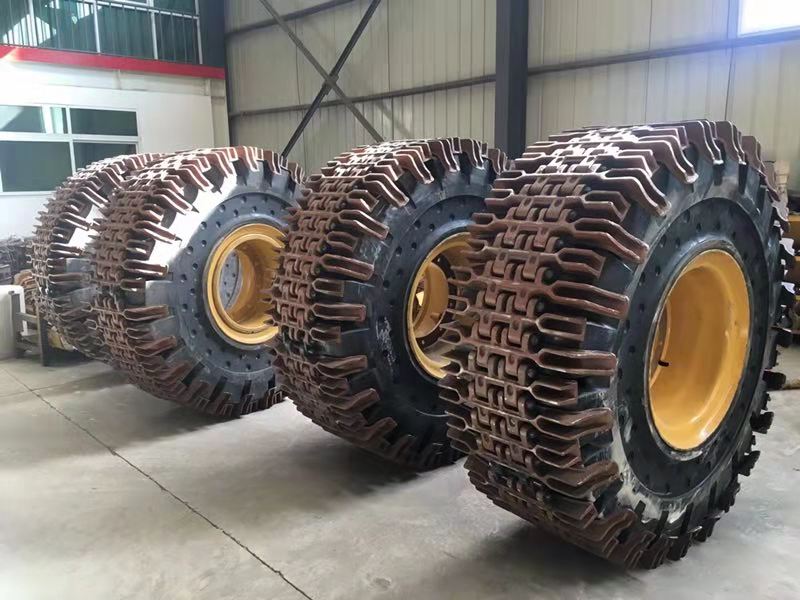
Anti-skid rails for trucks are essential safety equipment designed toincrease tractionvehicle on difficult terrain and in adverse weather conditions. These specialized systems, commonly known as truck skid solutions, provide important compression enhancements for commercial vehicles operating in the construction, mining, forestry and transportation industries. Modern anti-slip systems use advanced metallurgical and engineering principles to provide reliable performance in a variety of work environments. The technology includes a variety of configurations, from traditional chain link designs to modern modular rail systems that adapt to different tire sizes and vehicles. Understanding the mechanics, benefits and proper selection criteria for these traction enhancement systems allows fleet operators to maximize safety, reduce downtime and maintain productivity in challenging conditions where standard tires alone prove insufficient for reliable vehicle control and stability.

Basic functions and principles
Traction enhancement mechanisms
Anti-slip rails work through mechanical interference between the rail material and the ground surface, creating increased coefficients of friction that prevent wheels from slipping. The basic principle involves distributing the vehicle's weight across multiple contact points while providing aggressive tread patterns that penetrate soft surfaces or grip hard, slippery materials. Modern rail systems use precisely engineered link geometries that optimize contact pressure distribution while maintaining flexibility for proper tire configurations.
The physics of traction enhancement involves converting the energy of a spinning wheel into forward motion through improved surface interaction. Track segments create mechanical advantages by increasing the effective contact patch area and providingseveral pointsgrippers that work independently to maintain traction. This distributed approach prevents localized wheel rotation while ensuring consistent power transfer to the ground.
Materials Science and Engineering Properties
Modern truck anti-skid track systems use advanced metallurgical techniques to balance strength, durability and weight. High-strength steel alloys, especially 35CrMo compositions, provide exceptional tensile strength while maintaining the flexibility required for dynamic loading conditions. The forging process creates grain structures that increase fatigue resistance and impact tolerance, which iscriticalfactorin demanding commercial applications.
Surface treatments and coatings protect against corrosion while maintaining optimal adhesion properties. The engineering challenge involves creating materials that resist wear from abrasive surfaces while ensuring consistent performance across the temperature ranges encountered in various working environments.thermal processesThe treatments optimize the balance between hardness and strength, ensuring durability without compromising performance.
Dynamic load distribution and voltage control
Effective anti-skid systems must take into account the complex stress patterns generated during vehicle operation, including acceleration, braking and cornering forces. The track design distributes these loads across multiple attachment points, preventing localized stress concentrations that could lead to premature failure. Sophisticated engineering analysis ensures that each component operates within safe voltage limits while delivering maximum traction benefit.
The interconnected nature of rail systems creates redundancy that maintains functionality even if individual components experience wear or damage. This design philosophy ensures continuous operation and safety while providing capacity for planned maintenance rather than emergency repairs that could jeopardize operational schedules.
Key application
Construction and Heavy Equipment
Construction applications require reliable traction on a variety of terrain types, from soft ground and mud to rocky surfaces and steep steps. Truck anti-skid track systems allow heavy equipment to maintain productivity in conditions where standard tires would cause immobilization or safety hazards. The ability to work effectively in challenging environments directly impacts project schedules and cost control.
Specialized construction environments, including demolition projects, earth moving operations, and infrastructure development projects, benefit significantly fromincreased tractionabilities. Improved mobility provided by anti-slip systems allows equipment to access previously inaccessible areas while maintaining safety standards. This increased capability often eliminates the need for additional hardware or specialized access solutions.
Mining and extractive industry
Mining operations present unique challenges including loose materials, steep gradients and variable surface conditions that require superior traction characteristics. Anti-slip rails allow mountain vehicles to maintain performance in conditions where conventional tires would prove inadequate. Increased traction directly affects material processing efficiency and operational safety in these difficult conditions.
Underground mining applications require specialized routing systems that accommodate confined spaces while providing maximum traction benefits. The ability to maintain vehicle mobility in challenging underground environments allows for continuous operation and reduces the safety risks associated with vehicle immobilization. Surface mining benefits from improved flotation and draft provided by properly selected road systems.
Forestry and logging
Forestry applications include operations on soft forest floors, steep terrain and seasonal conditions that create significant traction problems. Anti-slip systems allow logging equipment access to remote areas while minimizing environmental impact by reducing soil compaction and routing. Enhanced mobility provided by rail systems,extends operational lifeseason and improves harvest efficiency.
Custom forestry road configurations meet the unique demands of timber harvesting operations while providing the durability needed for intensive use. The ability to operate effectively in wet conditions allows operation to continue during periods when conventional equipment would be immobilized. These capabilities directly impact operational performance and cost management in competitive forestry markets.