
Why does an excavator have such long legs?
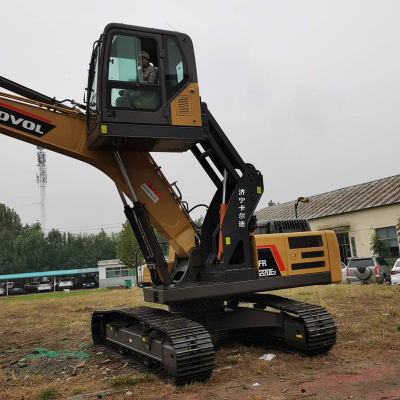
Have you ever wondered why someexcavators tower over otherswith unusually high legs? These specialized machines, known as train shovel unloaders, are specifically built for specific industrial applications, especially in railroad operations. The distinctive height isn't just for display—it serves critical functional purposes. These elevated excavators are designed to work directly above railcars, allowing operators to efficiently unload materials without damaging rail infrastructure. With gaps up to 4200mm wide and 4300mm high, these specialist machines can be conveniently positioned above standard train carriages, providing direct access to cargo that needs to be unloaded. The raised chassis provides operators with an unobstructed 360-degree panoramic view of operations, greatly improving safety and accuracy. This specialized design is the perfect combination of engineering innovation and practical necessity, resulting in significantly improved efficiency, capable of unloading an entire car in just 5-8 minutes compared to conventional methods, which can take significantly longer.
Solution to vision problem
Increased visibility and control
The excavator's impressive dumping height directly addresses one of the most important issues in handling railway materials: visibility. When working with standard excavators,railway wagon operatorsOperators often face limited lines of sight, making precision operations challenging and potentially dangerous. The elevated position provided by these specialized legs elevates the operator's cabin to an optimal height, providing an unobstructed view of the entire work area.
This panoramic visibility is critical when handling bulk materials such as coal, ore or aggregate that must be accurately removed from train cars. The operator can clearly see the contents of each car, making it easier to plan the most efficient extraction sequence and avoid damage to the car structure. Improved visibility also allows operators to monitor the environment for potential hazards or obstacles that could interfere with the unloading process.
Benefits of Increased Security
Safety is of utmost importance in any industrial operation, and rail unloading is no exception. The elevated position provided by long-legged excavators creates a significant safety advantage by physically separating the machine from the cars below. This separation reduces the risk of accidental contact between the excavator and the rail infrastructure, which could lead to costly damage or hazardous situations.
Additionally, the benefit of height allows operators to maintain a safe distance from potential hazards such as dust clouds, falling debris or material spills that typically occur during unloading. The increased visibility mentioned earlier further improves safety by allowing operators to detect and avoid potential hazards before they become problems.
Operator comfort and reduced fatigue
Working for long periods of time in awkward positions can lead to operator fatigue, which ultimately affects productivity and increases the risk of accidents. The elevated cab position on long-legged excavators is designed with ergonomics in mind, providing operators with a comfortable working environment that reduces physical strain.
Instead of constantly adjusting their position to maintain visibility of their work, operators in these specialized machines can maintain a natural, comfortable posture throughout their shift. This reduction in physical activity results in less fatigue, higher levels of concentration and ultimately safer and more productive operations. The psychological comfort of having clear lines of sight and a sense of control over the job should not be underestimated as a factor in overall operator productivity.
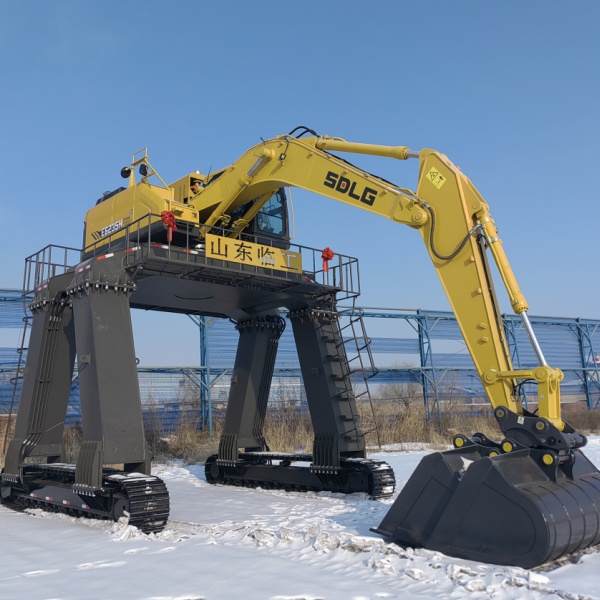
Adaptation to railway operation
Meets specific height requirements
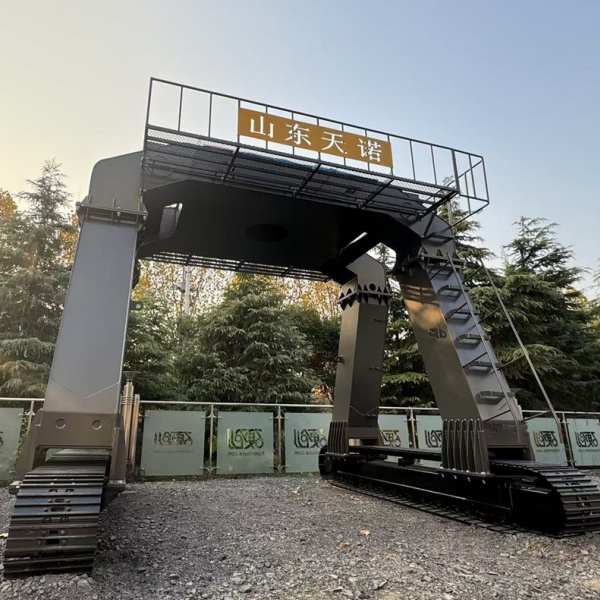
The railroad industry operates with standardized equipment sizes that pose unique challenges for material handling. Standard railcars typically have a significant height and width that must be accommodated by any equipment designed to operate directly on them. The loading train excavator legs are precisely engineered to meet these dimensional requirements, with placement heights adjustable up to 4300mm and widths of 4200mm to ensure correct positioning on a variety of train carriage configurations.
This particular measurement is not arbitrary, but is carefully calculated to ensure optimal operating conditions while maintaining the stability and functionality of the excavator. The legs must be high enough to clear the highest point of the cars and also strong enough to support the weight of the excavator and withstand the forces generated during operation. This delicate balance between height and structural integrity represents a significant engineering achievement in the design of these specialized machines.
Integration with railway infrastructure
Railroad operations require specialized equipment that can seamlessly integrate with existing infrastructure without causing disruption or damage. The long-legged design of theseexcavators allows themoperate effectively within the constraints of railroad facilities, including overhead lines, signals, and other infrastructure that must remain intact during unloading.
The four-legged design commonly used in these excavators provides stability while minimizing the machine's footprint on the ground. This is especially important in railway yards where space is often limited and multiple operations may be carried out simultaneously. The ability to position an excavator directly above the cars without interfering with adjacent rails or equipment is a decisive advantage that standard excavators simply cannot provide.
Specialized Material Processing Capabilities
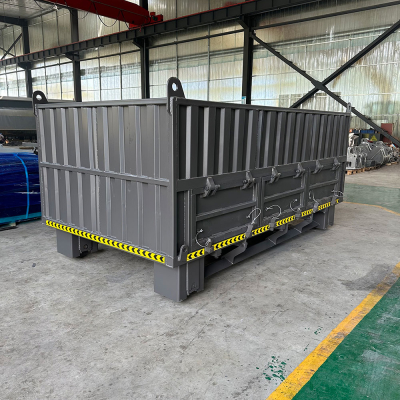
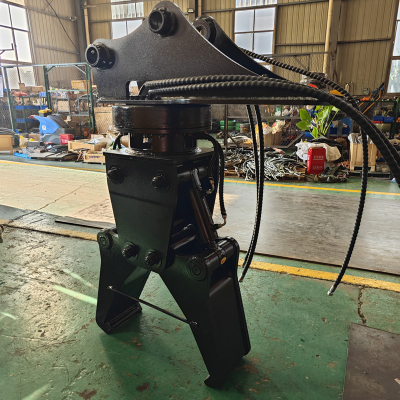
Train cars often carry specialized materials that require special handling techniques. The elevated position of long-legged excavators allows the integration of specialized fixtures designed specifically for rail unloading operations. These may include customized buckets for different types of materials, grips for handling bulkier items, or specialized accessories for specific industries.
The height advantage also provides greater freedom of movement when manipulating these fixtures, allowing operators to approach materials from optimal angles that may not be possible with standard equipment. This specialized capability makes train excavator leg unloading not only higher versions of standard excavators, but also purpose-built machines designed specifically for the unique challenges of railroad materials recycling.