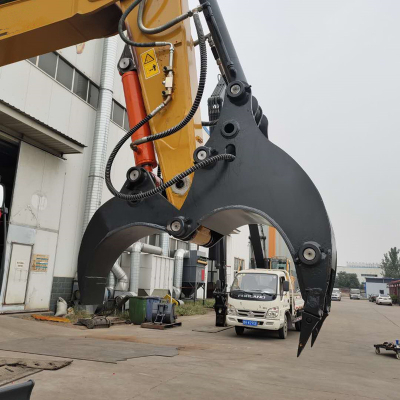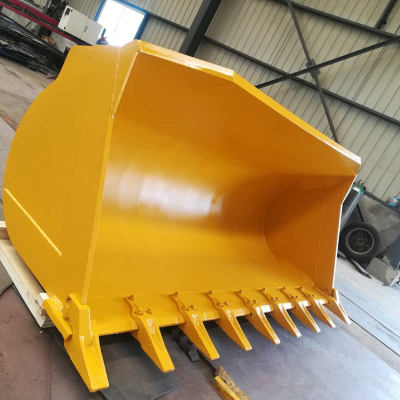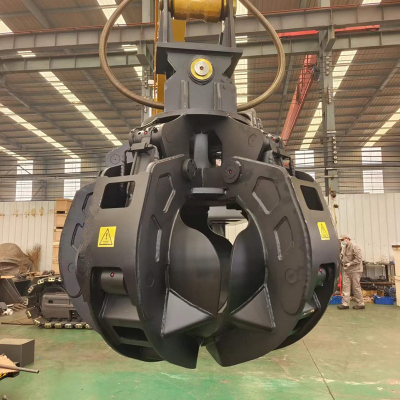

How does 360° rotation angle improve the performance of a ballast plow?
A ballast plow equipped with 360° rotation capability represents a revolutionary advancement in railway maintenance technology. This comprehensive freedom of rotation fundamentally changes the approach.track maintenance crewsto ballast control tasks. When your hardware can spin in a full circle, it eliminates the need to constantly reposition the host machine, dramatically reducing runtime and increasing productivity. The 360° rotation feature allows operators to solve ballast distribution problems from multiple angles without moving the excavator, creating seamless workflow patterns that were not previously possible. This spinning ability especially shines during complex route geometry jobs where precise ballast placement requires access to tight spaces and awkward corners. Railroad maintenance professionals consistently report that this feature reduces project completion time by up to 40% while maintaining high quality standards. The technology also reduces operator fatigue as less manual repositioning means smoother, more intuitive operating patterns during long work sessions.
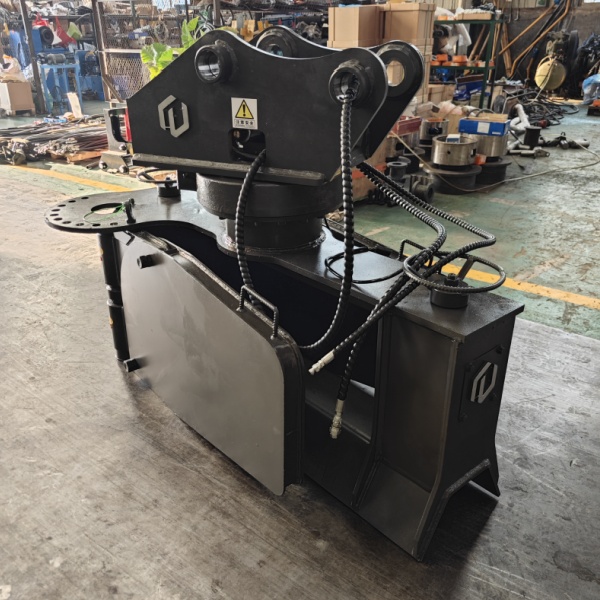
Double workplace flexibility
Simultaneous multi-track operations
Maintenance Scenariosrailways ofteninclude work on parallel tracks or adjacent railway corridors at the same time. The 360° rotation capability of modern ballast control equipment turns these complex situations into simplified operations. When your equipment can rotate completely around its mounting point, operators can solve ballast problems on both sides of a dual system without moving a utility excavator. This feature proves invaluable during large maintenance windows when time constraints require maximum efficiency.
Construction teams working along busy rail corridors especially appreciate this flexibility during limited service windows. The ability to rotate the mount means that meeting ballast distribution needs across multiple rail centers becomes a fluid, continuous process rather than a series of stop-start positioning maneuvers. This operational efficiency directly translates into cost savings and reduced disruption to rail services.
Complex route geometry Navigation
Modern railway systems have increasingly complex rail geometries, including tight curves, switching areas and grade transitions. Traditional ballast control tools often struggle in these environments, requiring multiple rounds of equipment repositioning to perform basic tasks. However, equipment with full rotation capability makes a difference in these challenging environments.
The 360° rotation feature allows operators to smoothly follow curved road sections, maintaining consistent ballast distribution patterns even through complex geometric transitions. This capability is especially important when working around switchbacks and crossovers, where precise ballast placement impacts long-term road stability and operational safety.
Reducing site access requirements
Railroad work sites often present access challenges due to space constraints, adjacent infrastructure, or terrain limitations. Equipment with full rotation capability significantly reduces site preparation and access requirements for ballast maintenance projects. When your fastener can rotate 360° around its mounting point, you canwork efficientlywith more limited positioning options.
This flexibility proves particularly valuable in urban railways, where space constraints and safety considerations limit equipment positioning options. Operators can perform complex ballast management tasks from a single strategic location, reducing the need for extensive site preparation and minimizing disruption to surrounding infrastructure.
Precision in multidirectional operations
Advanced corner control systems
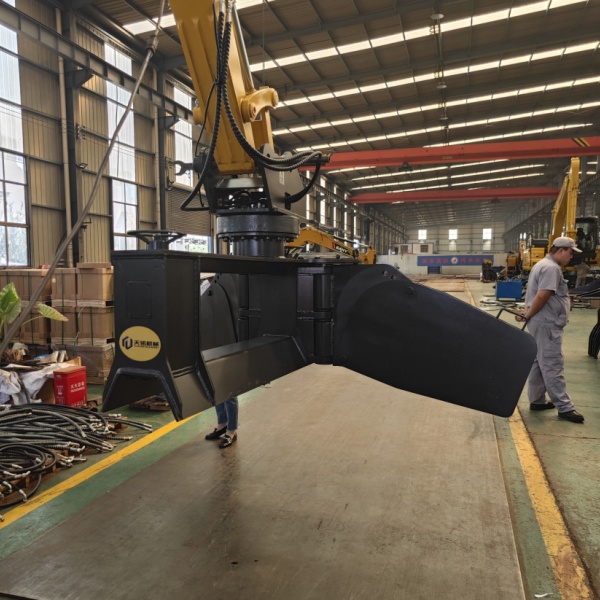
The precision offered by 360° rotation systems goes far beyond simple positioning flexibility. Modernaccessories for ballastPlows incorporate sophisticated control systems that allow operators to maintain precise angular positioning throughout complex operations. This level of control ensures consistent ballast distribution regardless of the working angle or track orientation.
Operators consistently report increased accuracy when operating equipment with integrated rotation control. The ability to fine-tune positioning in small steps means that achieving optimal ballast distribution patterns is more achievable, even in challenging track conditions. This accuracy directly impacts the long-term stability of the track and reduces the need for subsequent maintenance interventions.
Consistent quality of work in all directions
Maintaining consistent performance when operating at different angles presents significant challenges for traditional ballast control equipment. However, mounts designed to rotate 360° remain operational regardless of orientation. This sequence ensures even distribution of ballast over the entire working area.
The engineering of these systems ensures that hydraulic flow rates, cutting forces, and material handling capabilities remain constant throughout the entire rotational range. This technical advancement means operators can maintain their standard operating procedures and quality expectations regardless ofangle of work or directionapproach required for specific road sections.
Advanced positioning feedback
Modern rotation systems incorporate sophisticated positioning feedback mechanisms that provide operators with real-time information on the rig's orientation and operating angle. These systems enable precise positioning control and help maintain consistent operating parameters across all complex ballast control applications.
Precision in multidirectional operations
Advanced corner control systems
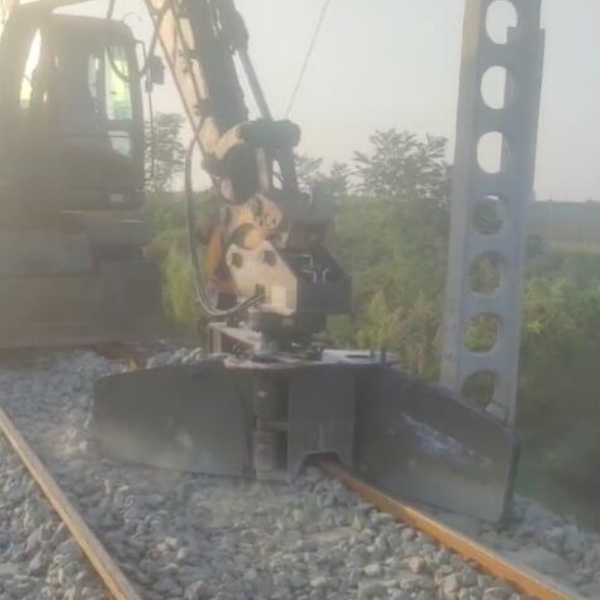
The precision offered by 360° rotation systems goes far beyond simple positioning flexibility. Modern ballast plow accessories include sophisticated control systems that allow operators to maintain precise angular positioning in all demanding operations. This level of control ensures consistent ballast distribution regardless of operating angle or route orientation.
Operators consistently report increased accuracy when operating equipment with integrated rotation control. The ability to fine-tune positioning in small steps means that achieving optimal ballast distribution patterns is more achievable, even in challenging track conditions. This accuracy directly affectslong-term track stabilityand reduces the need for subsequent maintenance interventions.
Consistent quality of work in all directions
Maintaining consistent performance when operating at different angles presents significant challenges for traditional ballast control equipment. However, mounts designed to rotate 360° remain operational regardless of orientation. This sequence ensures even distribution of ballast over the entire working area.
The engineering of these systems ensures that hydraulic flow rates, cutting forces and material handling capabilities remain constant throughout the entire rotation range. This technical advancement means that operators can maintain their standard operating procedures and quality expectations regardless of the angle of work or direction of approach required for specific road sections.
Advanced positioning feedback
Modern rotation systems incorporate sophisticated positioning feedback mechanisms that provide operators with real-time information on the rig's orientation and operating angle. These systems enable precise positioning control and help maintain consistent operating parameters across all complex ballast control applications.