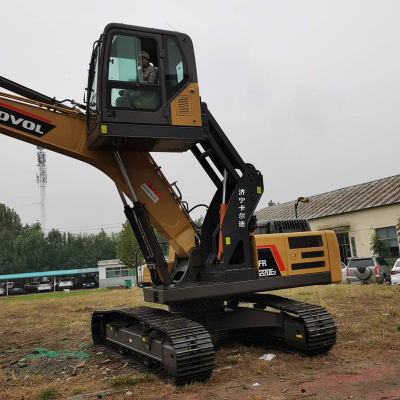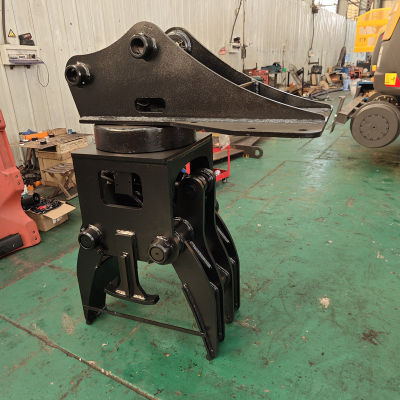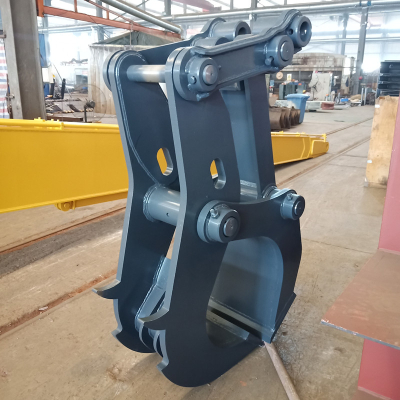

What is manipulation used for?
Trimming, particularly the high vibration hydraulic ballast trimming machine, is an important tool in railway maintenance. It is used to compact and stabilize ballast, which is crushed rock or gravel that supports railroads. These machines ensure optimal track geometry, increase safety and extend the service life of railway infrastructure. By applying controlled vibrations and pressure, manipulation creates a strong foundation for the rails, reducing the need for frequent maintenance and improving the overall performance of the rail system.
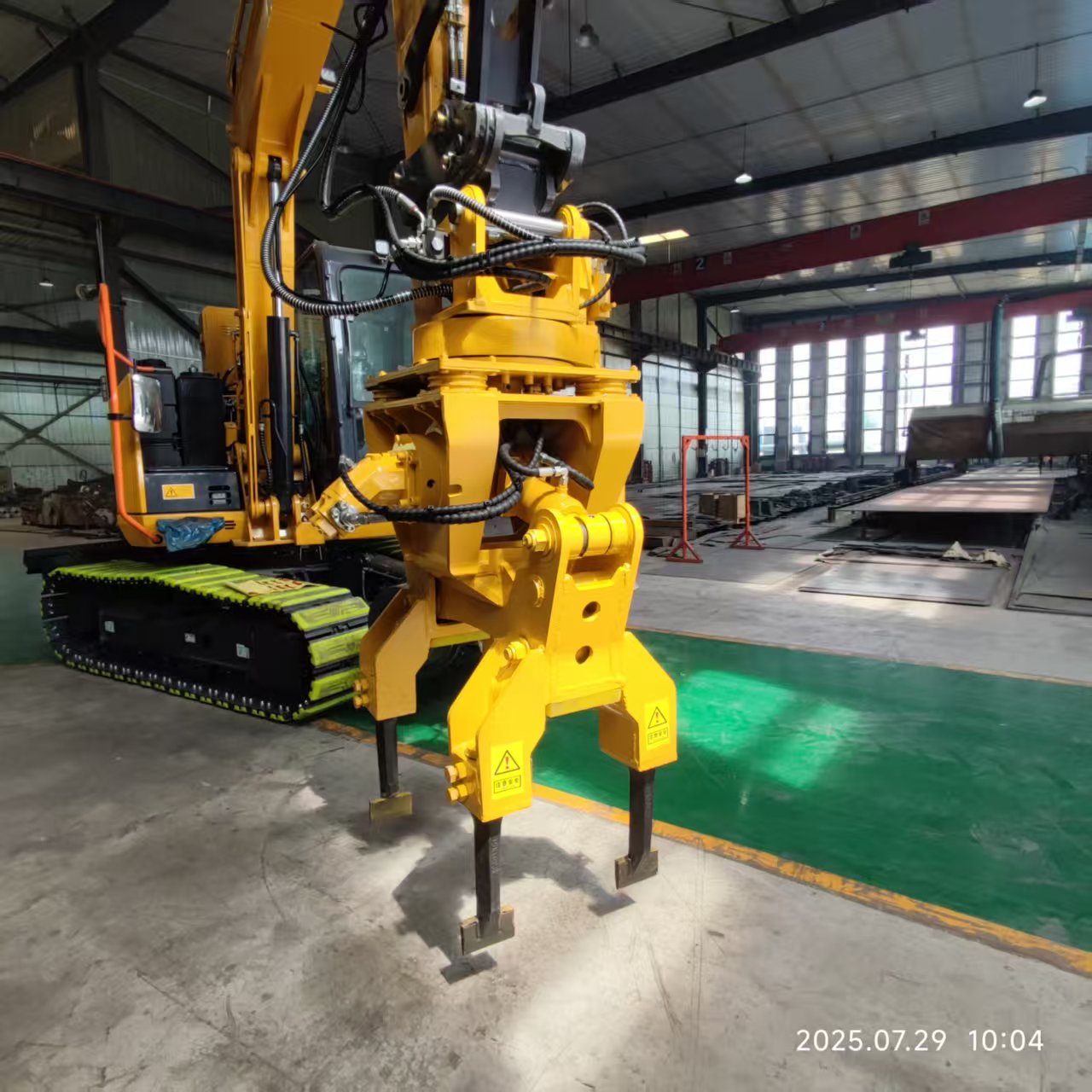
compacting ballast
High vibration hydraulic loading for optimum density
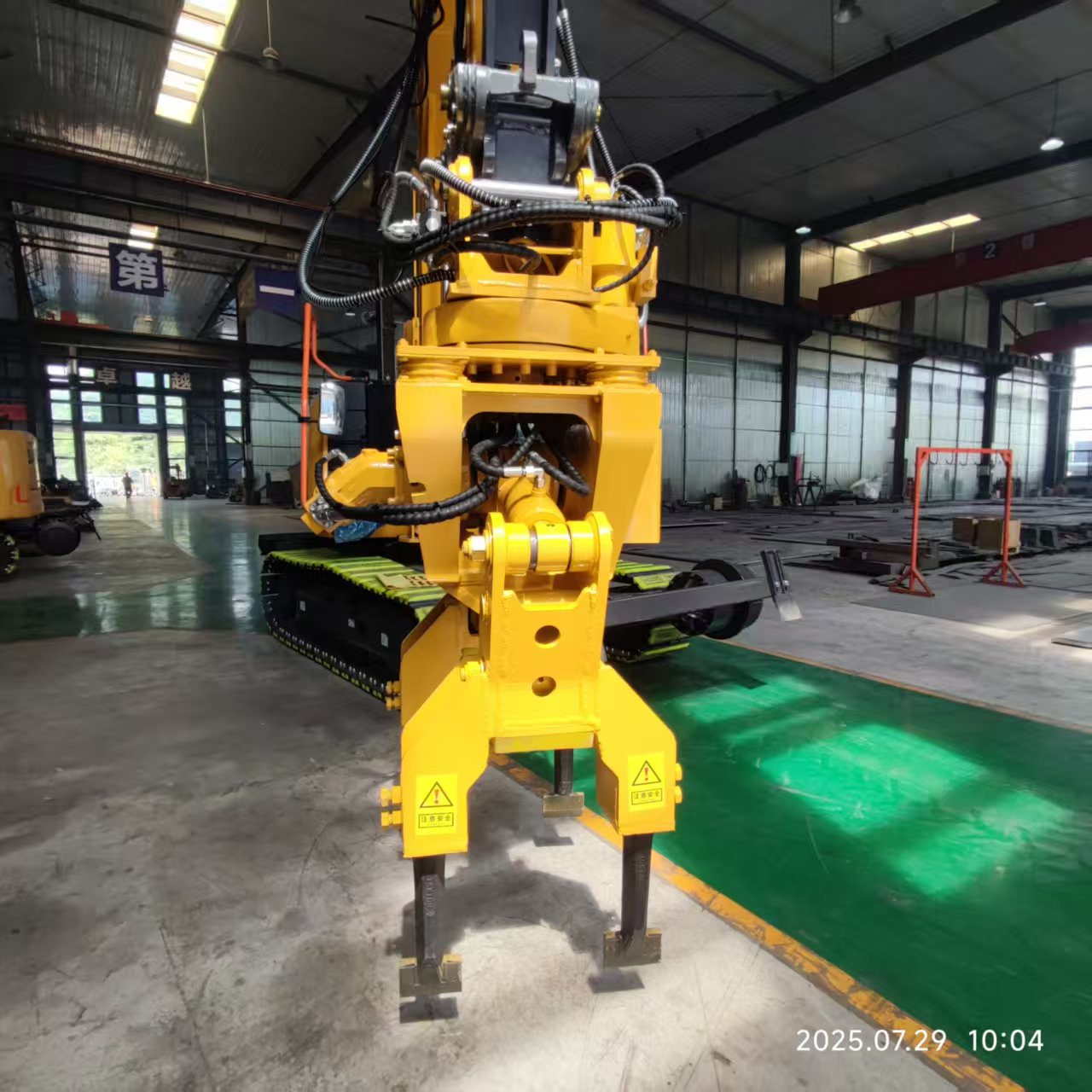
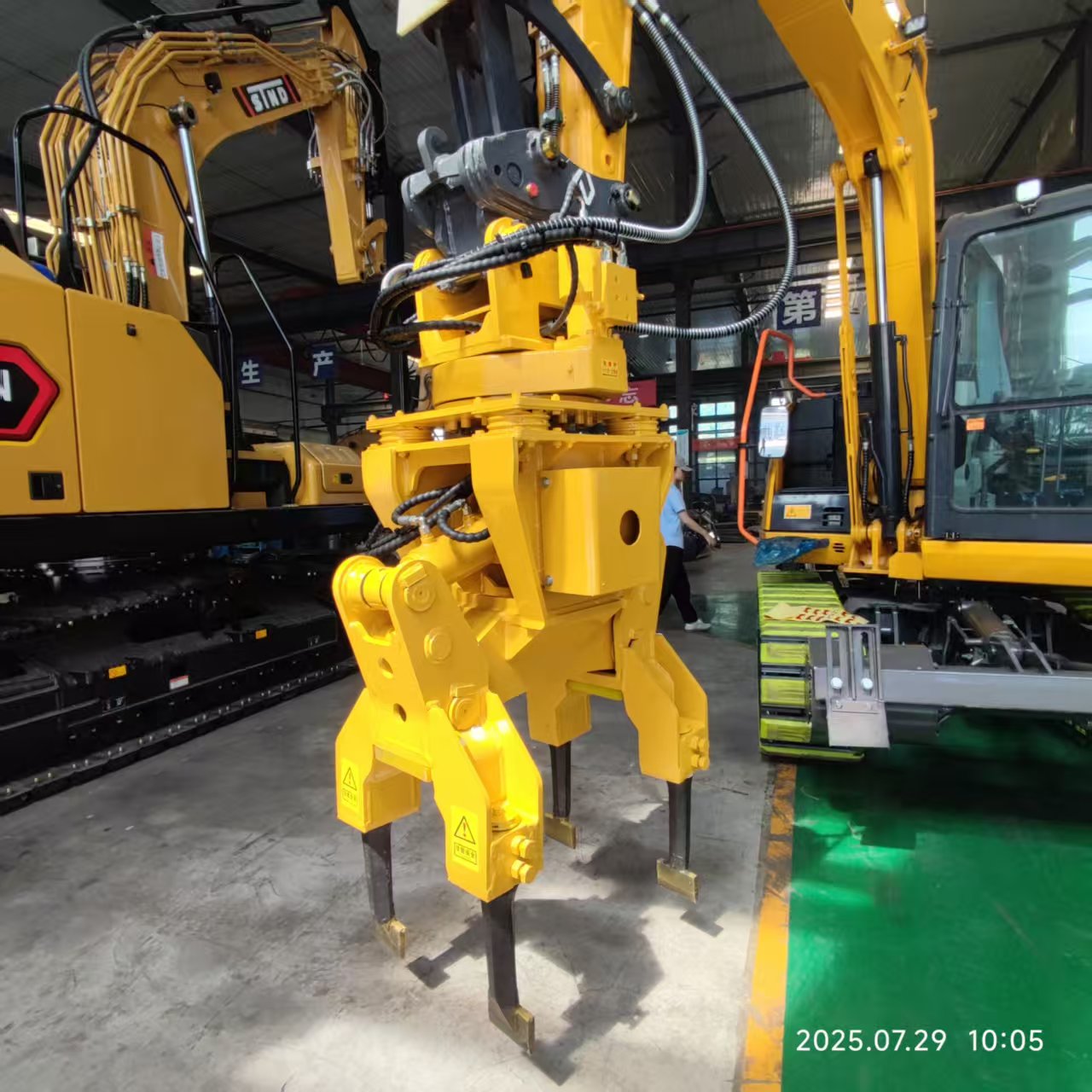
The main function of high vibration hydraulic compaction machineballast isIn compacting ballast under railways, this process is vital for creating a stable and durable foundation. The machine's hydraulic system actuates its blocks, which penetrate the ballast and apply high-frequency vibrations. These vibrations cause the ballast particles to settle and lock, resulting in a denser, more compact layer.
The vibration frequency is carefully calibrated to achieve optimal compaction without damaging the ballast or surrounding infrastructure. Modern machines can adjust their vibration settings based on ballast type and track conditions, ensuring consistent results across a wide range of railway conditions.
Uniform ballast distribution for track stability
In addition to compaction, handling plays a crucial role in the uniform distribution of ballast across the rail. This uniform distribution is essential for maintaining proper alignment and preventing uneven settlement. The loading process helps fill voids and gaps in the ballast, creating a uniform support structure for the rails and slabs.
By ensuring uniform distribution of ballast, manipulation significantly contributes to track stability. This stability is crucial for safe train operation, especially at high speeds. A well-distributed ballast bed also helps distribute the load, reducing stress on individual track components and minimizing the risk of track deformation.
Prevention of voids and free zones in railways
One of the most important aspectsballast blastThe goal is to eliminate voids and empty spaces in railways. These voids can develop over time due to factors such as vibration from passing trains, weather conditions, and natural soil settlement. If left unchecked, these voids can lead to track failures, compromising safety and ride quality.
High-vibration hydraulic ballast machines are designed to identify and address these problem areas. The loading devices can penetrate deep into the ballast, filling voids and compacting loose material. This process not only improves road stability but also enhances drainage, which is crucial for preventing water-related damage to the road structure.
TOcorrection of track geometry and level
Precise rail alignment for smoother rides
In addition to ballast compaction, handling plays a vital role in maintaining accurate track geometry. Over time, rails can become misaligned or misaligned, resulting in incorrect alignments that affect train performance and passenger comfort. Modern machine components are equipped with sophisticated measuring systems that can detect even minor deviations in road alignment.
Using this data, the manipulator can make precise adjustments to the position of the rail. The machine's devices work in conjunction with the lifting and backing systems to move the rail into the correct position. This precise alignment provides smoother rides, reduces wear on both rails and rolling stock, and allows higher operating speeds.
Automatic leveling systems for successive road profiles
Advanced stamping machines are equipped with automatic leveling systems that maintain consistent rail profiles along the entire railway line. These systems use a combination of laser technology, GPS and computer-controlled operations to achieve remarkable accuracy in road alignment.
The automatic alignment process begins with an inspection of the existing alignment profile. The manipulator then calculates the necessary adjustments to bring the track to the desired level. As the machine moves down the road, it continually adjusts the removal depth and lift height to achieve the target profile. This automated approach ensures consistency and efficiency, especially on long sections of the track.
Adjusting the parameters of the horizontal and vertical route
Tampers are capable of simultaneously adjusting both horizontal and vertical track parameters. This dual capability is crucial for maintaining proper track geometry, especially in curves and transitions. Horizontal adjustments, known as lining, ensure the rail follows the correct path and maintains the proper gauge (distance between rails).
Vertical adjustments focus on achieving the correct track height and overheight (banking on curves). These adjustments are crucial for safe train operation, especially at high speeds. By fine-tuning these parameters, these adjustments help optimize track performance, improve passenger comfort, and reduce the forces acting on the track structure.
Extending track life by preventing settlement
Reducing maintenance frequency through quality disruption
Quality demolition is a key factor in extending the life of railways and reducing the frequency of maintenance interventions. Consistently maintaining proper sealballast and geometryroutes, manipulations help prevent many of the problems that would normally require route maintenance.
Well-compressed ballast resists settlement and lateral movement, maintaining track stability over long periods of time. This stability results in fewer geometry corrections, reduced wear on rail components, and longer intervals between major maintenance operations. As a result, rail operators can optimize their maintenance schedules, resulting in cost savings and improved route availability.
Minimizing railway degradation resulting from heavy rail traffic
Heavy rail traffic places significant stress on railway structures, which can lead to accelerated degradation. High-vibration hydraulic ballast machines play a crucial role in counteracting these effects. Regularly restoring optimal track geometry and densityballast, manipulations help distribute the load from passing trains more evenly.
This uniform distribution of forces helps prevent localized stress concentrations that can lead to premature failure of the track component. Furthermore, well-supported rail geometry reduces dynamic forces generated by the interaction between the train and the rail, further minimizing wear on both the rail and the rolling stock.
Increasing the service life of concrete bearings and fastenings
The benefits of efficient removal extend beyond the ballast and rails to other critical rail components, particularly concrete slats and fastenings. By maintaining proper support and alignment, manipulation helps ensure these components are subjected to the intended loads and stresses.
Constant ballast support reduces the risk of cracking or backrest deterioration due to uneven loading. Similarly, proper track geometry helps prevent excessive stress on the mounting systems, extending their service life. Overall, the result is a more robust rail structure that requires fewer component replacements throughout its lifespan.