
What are the maintenance requirements for a railroad cleaning bucket?
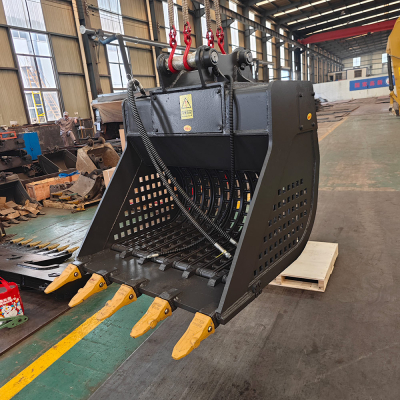
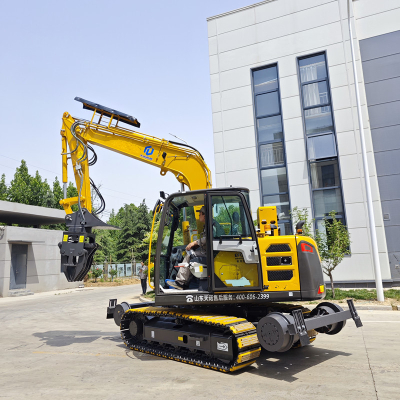
Buckets for cleaning railway excavators - the most important tool for keeping the path clean and safe. These specialized attachments require regular maintenance to ensure optimal performance and longevity. Basic maintenance requirements include checking structural integrity, assessing the hydraulic system, and assessing component wear. Regular cleaning, lubrication and inspection of bucket teeth, adapters and wear plates is critical. Additionally, to maintain bucket performance in railroad maintenance applications, common wear problems such as lip wear and hydraulic system leaks must be addressed.
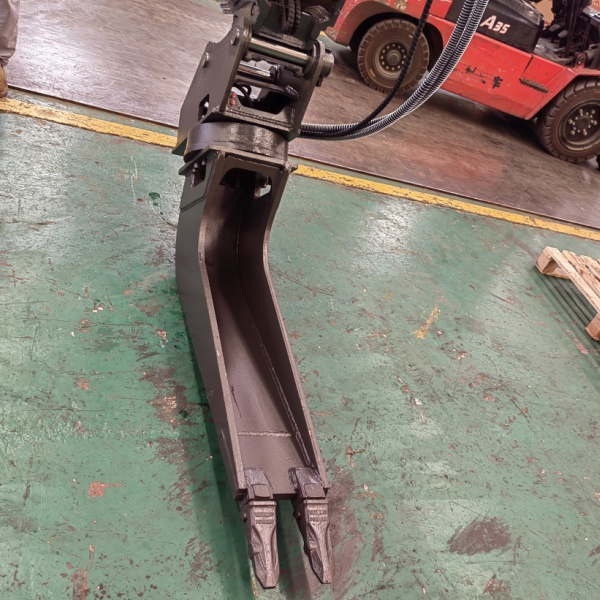
Cleaning Bucket Checklist
Assessing the structural integrity of bucket components
Maintaining the structural integrity of a railroad shovel shovel is paramount to ensuring safe and efficient track maintenance. Start with a thorough visual inspection of all welded joints, paying particular attention to stress-prone areas such as ladle corners and joints. Look for cracks, deformation, or corrosion that could reduce the strength of the bucket.
Next, inspect the bucket body for dents, punctures, or thinning material. These problems can occur due to repeated impact with ballast or other debris during cleaning. Use a thickness gauge to measure the thickness of the housing at various points, comparing the results with the manufacturer's data.
Be sure to inspect the bucket mounting brackets and hinge joints. These areas are subject to significant stress during operation and are critical to bucket stability and performance. Check for loose bolts, worn bushings and excessive play in connections. Replace any damaged or worn components immediately to prevent further damage and possible equipment failure.
Evaluation of the hydraulic system and connection points
The hydraulic system is the lifebloodcleaning bucket ore, ensuring its movement and functioning. Begin your inspection by checking all hydraulic hoses for wear, chafing, and leaks. Pay special attention to areas where hoses may rub against each other or against the bucket structure during operation.
Check the hydraulic cylinders for smooth operation and for signs of oil leakage around the seals or piston rod wipers. Fully extend and retract the cylinders, listening for unusual noises and paying attention to any sudden movements that may indicate internal damage or contamination.
Check the tightness and seal of all hydraulic fittings and connection points. Look for any signs of leakage or dirt accumulation around connections, which may indicate a developing leak. Thoroughly clean these areas and tighten them if necessary, being careful not to overtighten or damage the threads or seals.
Analysis of the condition of the wear plate and cutting edge
Wear plates and cutting edges are critical components that directly impact the performance and durability of a cleaning bucket. Start by measuring the thickness of the wear plates at several points and compare it to the manufacturer's recommended wear tolerances. Uneven wear may indicate alignment issues or improper bucket use.
Inspect the cutting edge for excessive wear, chipping, or deformation. A sharp and properly maintained cutting edge is essential to effectively penetrate compacted crushed stone and debris. If the cutting edge is worn beyond the manufacturer's recommended limits, schedule a replacement to maintain optimal cleaning performance.
Be sure to maintain the condition of the side cutting edges and bucket corner protectors. These components play a vital role in protecting the bucket structure and maintaining its shape. Replace them if they show significant wear or damage to prevent accelerated wear of the main bucket structure.
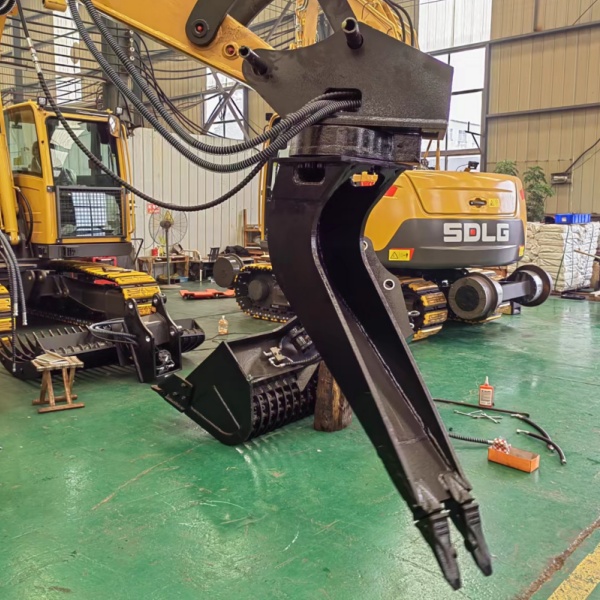
Preventive maintenance schedule for optimal performance
Daily cleaning and lubrication procedures
Daily maintenance is critical to maintaining yourbucket for cleaning a mine excavator In perfect condition. Start each day with a thorough cleaning of the bucket to remove accumulated dirt, debris, and gravel. Use a pressure washer to clean hard-to-reach areas, paying particular attention to the hinges and hydraulic connections.
After cleaning, inspect the bucket for any visible damage or wear that may have occurred during the previous day's work. This quick visual inspection will help identify potential problems before they become more serious.
Lubrication plays a key role in preventing premature wear and ensuring trouble-free operation. Apply lubricant to all lubrication points as specified in the manufacturer's manual. Pay special attention to the pivot pins, bushings and all moving parts. Use a high-quality, water-resistant, heavy-duty lubricant to provide reliable protection even in harsh railroad environments.
Weekly check of bucket teeth and adapter
Bucket teeth and adapters are critical components that directly affect the cleaning performance of your railroad excavator's bucket. Take time each week to thoroughly inspect these parts for wear and damage.
Inspect each tooth for signs of excessive wear, chipping, or breakage. Measure the tooth length and compare it to the manufacturer's recommended wear limits. Rotate or replace teeth as necessary to ensure even wear and optimal cleaning performance.
Inspect the adapters that hold the teeth. Check for cracks, deformation, or looseness in the adapter's connection to the bucket. Make sure all locking mechanisms are working properly and the teeth are securely fastened to the adapters.
Monthly check for replacement of hydraulic hoses and seals
The integrity of the hydraulic system is critical to the safe and efficient operation of a railroad excavator cleaning bucket. Take the time to thoroughly inspect all hydraulic components monthly.
Carefully inspect all hydraulic hoses for wear, cracks or chafing. Pay special attention to areas where hoses may rub against each other or against the bucket structure. Replace any hoses that show signs of wear, even if they have not yet failed, to prevent unexpected downtime.
Inspect hydraulic seals and O-rings for leaks or wear. Look for oil residue or discoloration around cylinder rods, valve bodies, and pump housings. Proactively replace seals if signs of wear or leaks appear to maintain system efficiency and prevent contamination.
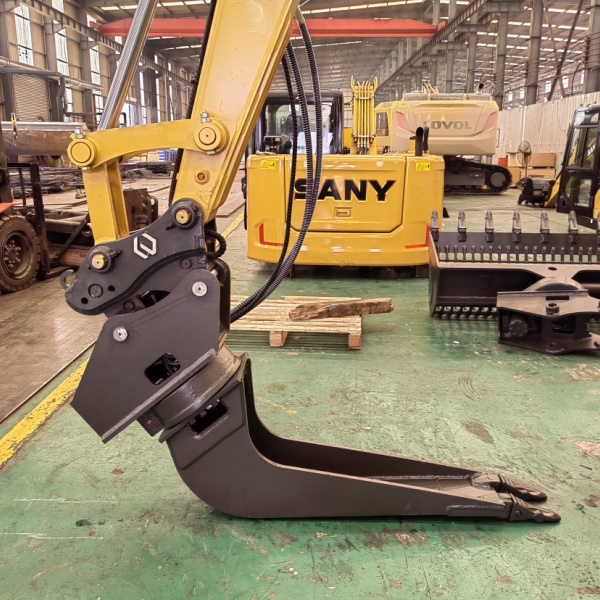
Common wear problems and their solutions
Solving the problem of bucket edge and side cutter wear
The bucket edge and side cutters are among the most vulnerable components of the bucket.for cleaning ore excavator ,They are constantly exposed to abrasive wear during operation. To eliminate wear on these parts, begin by assessing the degree of wear. Using a straightedge, check for any unevenness or deformations along the bucket edge.
For minor wear, consider hardfacing the damaged areas. This process involves applying a wear-resistant hardfacing material to worn surfaces, effectively restoring and strengthening them. Use appropriate hardfacing methods and materials that match the ladle base metal and operating conditions.
If severe wear occurs or the edge thickness falls below acceptable limits, replacement may be necessary. Consider upgrading to higher-quality materials or special wear-resistant alloys to extend their service life in the challenging conditions of track cleaning.
Repair or replacement of damaged wear plates
Wear plates play a critical role in protecting the structural integrity of the bucket. If damage is discovered, immediate action must be taken. For minor damage or uneven wear, grinding and rewelding can often restore the protective function of the wear plate. Ensure that repair work is carried out by qualified personnel using appropriate welding techniques to maintain the integrity of the plate.
If the wear plates have become significantly thinner or have extensive damage, the best solution is to replace them. When replacing wear plates, consider using materials with higher wear resistance, such as chromium carbide coated plates, which can provide long service life in harsh railroad environments.
When replacing skid plates, pay attention to the installation process. Proper installation and welding are critical to ensure optimal protection of the new plates and prevent weak points and stress concentrations in the bucket structure.
Troubleshoot hydraulic leaks and pressure loss
Hydraulic system leaks and loss of pressure can significantly impact the performance and efficiency of your railroad shovel's cleaning bucket. To resolve these problems, start with a thorough inspection of the entire hydraulic system. Use hydraulic pressure gauges to check pressure at various points in the system and compare the readings to the manufacturer's specifications.
External leaks can often be resolved by tightening fittings or replacing damaged seals and O-rings. However, be careful not to overtighten fittings, as this can cause damage and create new leaks. Use suitable thread sealants when reassembling hydraulic connections to ensure a tight seal.
Internal leaks, often characterized by slow operation or a lack of power, may require more extensive repairs. This may include rebuilding or replacing hydraulic cylinders, valves, or pumps. Always use genuine or equivalent parts to ensure compatibility and system integrity.
Proper maintenance of railroad shovel cleaning buckets is critical to ensuring efficient and safe track maintenance operations. Strict adherence to an inspection checklist, adherence to a preventative maintenance schedule, and timely resolution of common wear-related problems will significantly extend equipment life and optimize performance. Remember that regular cleaning, lubrication and timely repairs are key to preventing costly downtime and maintaining the integrity of your rail infrastructure. Investing in quality maintenance not only improves the reliability of cleaning buckets, but also contributes to the overall safety and efficiency of rail transportation.