
Advantages of an excavator lift cabin versus a standard cabin
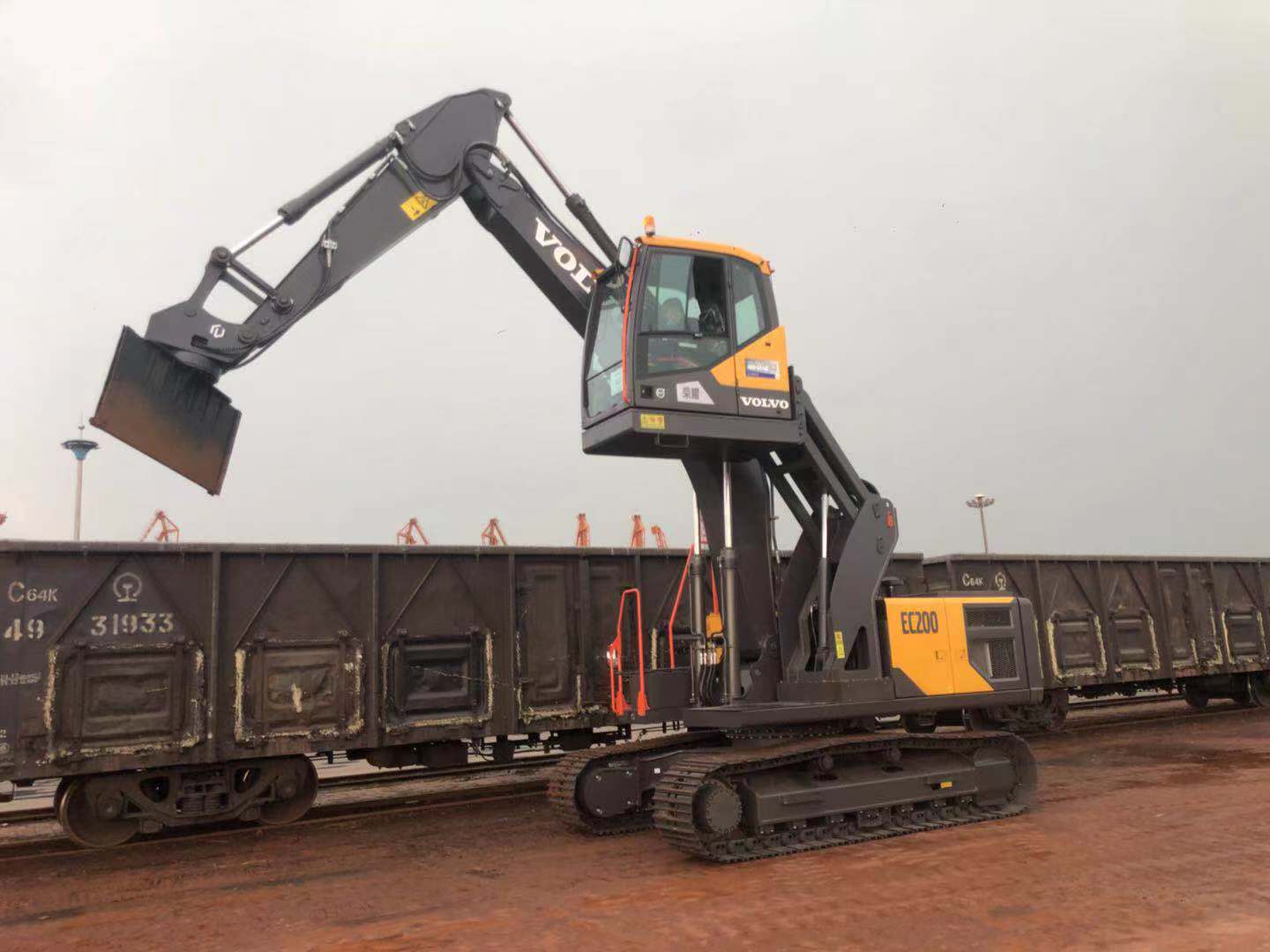
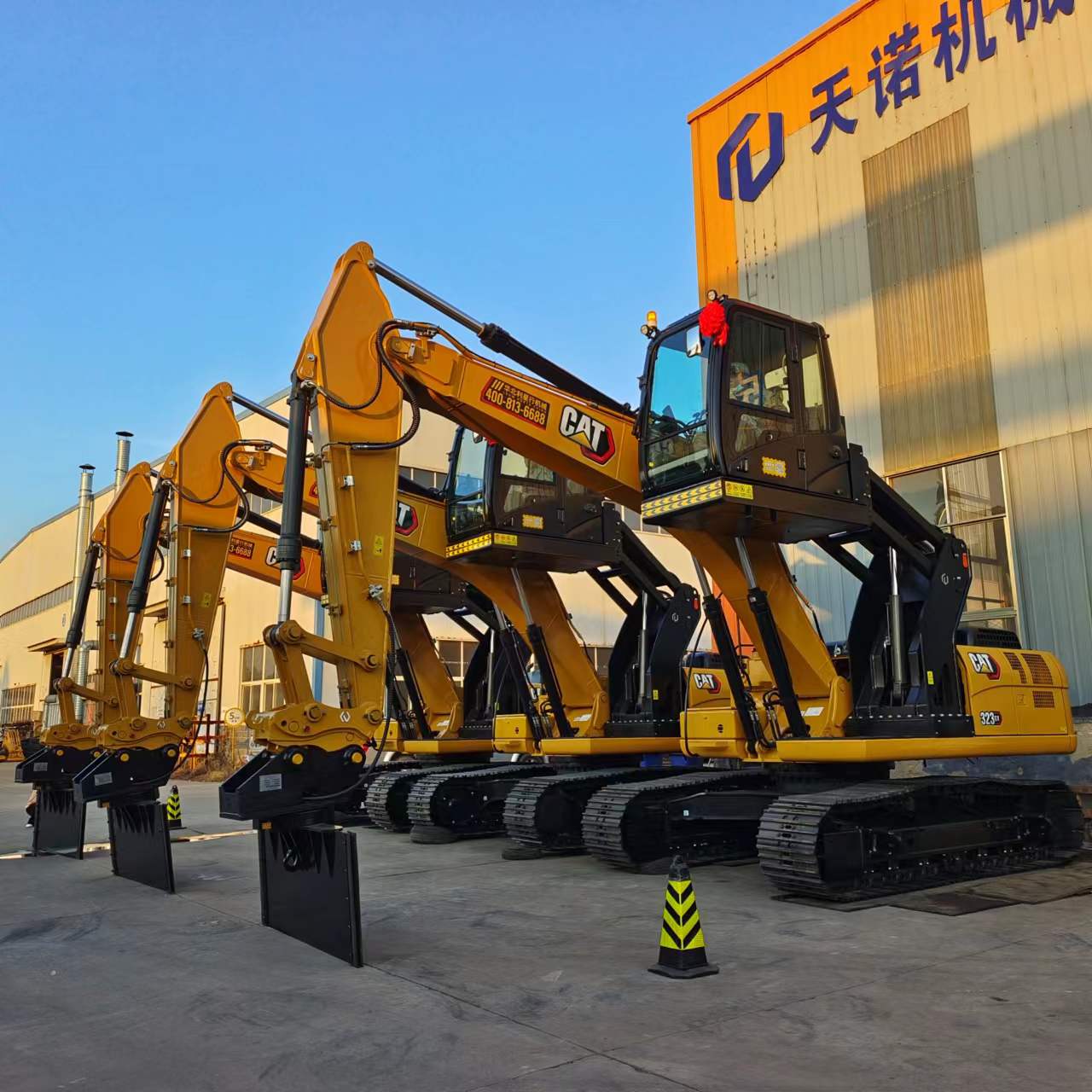
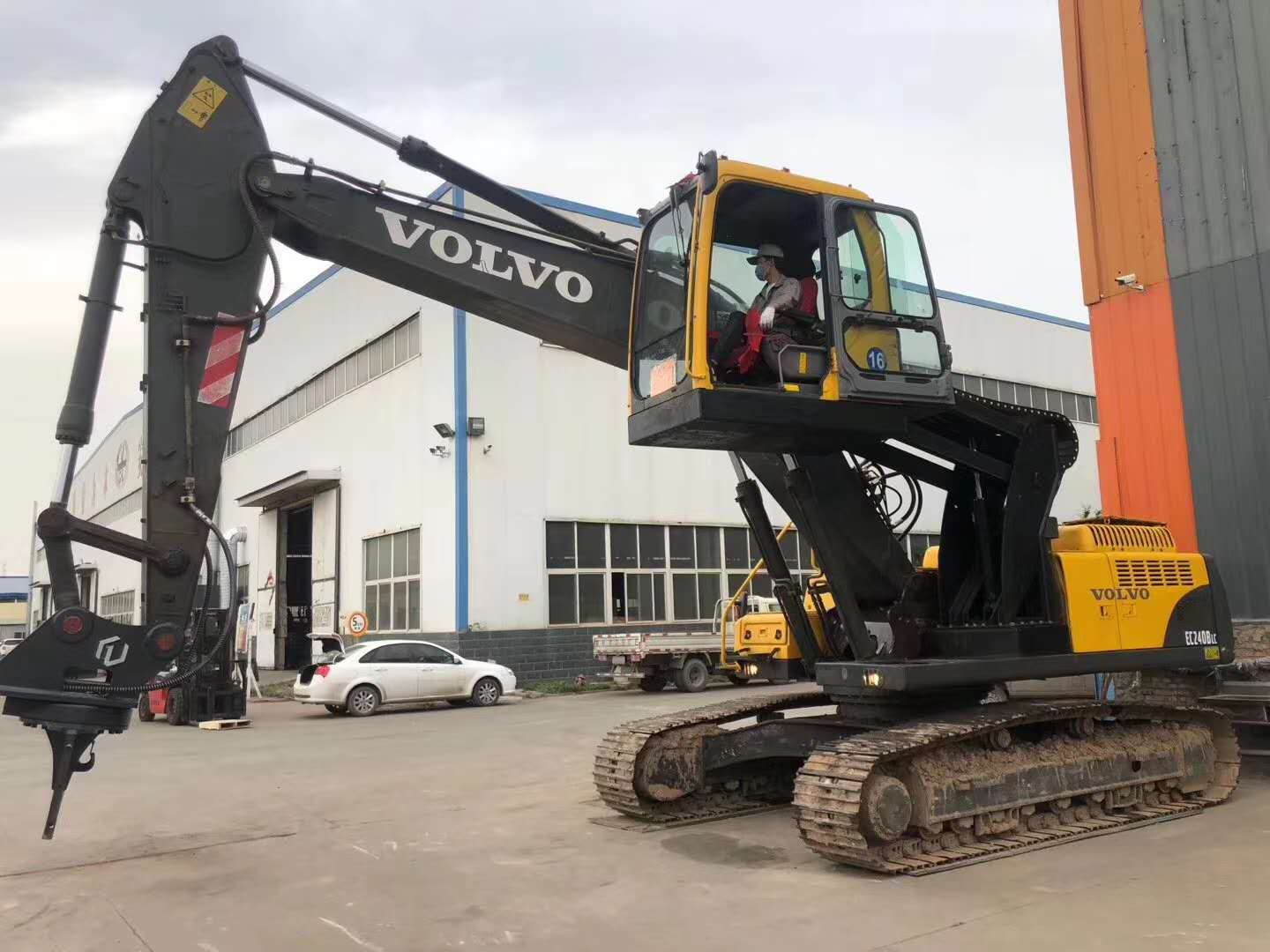
When it comes to improving excavator productivity and operator comfort, the choice betweenexcavator lift cabinA standard cab can make a world of difference. Elevated excavator cabs offer a number of advantages that significantly improve visibility, safety, and overall efficiency on the job site. These elevated cabs provide operators with an incredible view of the surroundings, reducing blind spots and allowing for more precise machine control.
Improved visibility: increased operator efficiency
One of the most significant benefits of an excavator's elevating cab is the dramatically improved visibility it offers. This improved view of the work area directly translates into increased operator efficiency and overall project productivity.
360-degree view: maximum site awareness
The excavator's lift cab provides operators with an unprecedented 360-degree view of the work site. This panoramic visibility provides greater situational awareness, allowing operators to more easily identify potential hazards, obstacles and bottlenecks in the workflow. From a birds-eye perspective, operators can make faster, more informed decisions about material placement, dig angles and machine positioning. This comprehensive view not only speeds up workflows, but also promotes more precise and accurate operations, reducing the need for rework and minimizing material waste.
Reducing Blind Spots: Improving Workplace Safety
Safety is of paramount importance on any construction or excavation site, andexcavator lift cabinsplay a critical role in minimizing risks. By raising the operator's position, these cabs significantly reduce blind spots that are common in standard cabs. This improved visibility helps prevent accidents involving ground workers, other vehicles or nearby structures. Operators can more easily control the movement of personnel and equipment around the excavator, providing a safer work environment for everyone on site. Reducing blind spots also allows for more efficient maneuvering in tight spaces, improving overall facility logistics and reducing the likelihood of collisions or property damage.
Precise Control: Improving Excavator Lift Cab Productivity
The elevated vantage point provided by the lift cab allows operators to achieve a new level of precision in their work. By clearly seeing the bucket or fixture in action, operators can perform tasks with greater accuracy, whether digging trenches, grading surfaces, or placing materials. This precision not only improves the quality of work, but also reduces the time required to complete tasks. Operators can more easily judge distances and depths, resulting in fewer errors and more efficient use of machine capabilities. The improved control provided by elevator cars is especially useful in complex projects that require careful attention to detail, such as landscaping or utility installations.
Ergonomic benefits: reduced operator fatigue
While improved visibility is a key benefit, excavator lift cabinsThey also offer significant ergonomic benefits that enhance operator comfort and productivity. These ergonomic features are designed to reduce fatigue, improve focus, and create a more pleasant work environment for operators who often spend long hours in the cab.
Adjustable seat: Customize your comfort for long shifts
Modern excavator lift cabs feature highly adjustable seating systems to suit operators of varying sizes and preferences. These seats often have multiple points of adjustment, including lumbar support, seat height, and armrest positioning. The ability to fine-tune seating position helps operators maintain proper posture throughout their shift, reducing the risk of back pain and other musculoskeletal problems commonly associated with prolonged sitting. Some top-of-the-line models even offer air-suspension seats that absorb vibrations and shocks, further enhancing ride comfort. By providing a comfortable and supportive seating position, elevator cars help operators remain alert and focused, even during long work periods.
Climate control: maintaining optimal operating conditions
Effective climate control is another important ergonomic feature of excavator lift cabs. These cabs are typically equipped with advanced heating, ventilation and air conditioning (HVAC) systems that allow operators to maintain a comfortable work environment regardless of outside weather conditions. The ability to regulate temperature and humidity inside the cab not only improves operator comfort, but also helps prevent fatigue and maintain productivity. In extreme weather conditions, be it hot heat or frigid cold, a well-controlled cab environment can significantly extend the operator's effective work time. Some elevator cars also feature tinted or UV-resistant windows to reduce glare and heat buildup, resulting in a more pleasant work environment.
Noise Reduction: Minimize Stress and Improve Focus
Noise pollution is a common problem on construction and excavation sites, but excavator lift cabs are designed to mitigate this problem. These booths are often constructed of sound-absorbing materials and sealed to reduce the intrusion of external noise. Reduced noise levels inside the cab help minimize operator stress and fatigue, allowing for better concentration and decision-making. Some advanced elevator car models include active noise cancellation technology, similar to that found in high-end headphones, to further reduce low-frequency noise from the motor and surrounding equipment. By creating a quieter work environment, lift booths allow operators to pay attention for extended periods of time, potentially reducing errors and improving overall performance.
ROI Analysis: Justification for Investment in an Elevator Cabin
Although the benefitslifting cabins of excavatorsWhile the operational implications are clear, it's important to consider the return on investment (ROI) when making modernization decisions. A comprehensive ROI analysis takes into account various factors that contribute to the overall cost of implementing elevator cabins in your fleet.
Improving Productivity: Measuring Production Improvements
One of the most tangible benefits of excavator lift cabs is the potential for increased productivity. Increased visibility and improved operator comfort often lead to faster operating speeds and higher quality output. To measure this improvement, companies can track key performance indicators (KPIs) such as cubic yards moved per hour, project completion time, or number of tasks completed per shift. Many organizations report a 15-25% increase in productivity after switching to aerial cabs, especially in complex or high-precision applications. This increased efficiency can lead to faster completion of projects, allowing companies to fill more jobs and potentially increase revenue. Additionally, increased precision often results in less rework, further improving overall productivity and reducing material waste.
Reducing downtime: calculating maintenance savings
Excavator lift cabs can help reduce equipment downtime in several ways. Improved visibility helps operators avoid obstacles and potential hazards that could damage the machine, resulting in less downtime for repairs. In addition, the ergonomic design of lift cabs can reduce operator fatigue, potentially reducing the likelihood of accidents caused by human error. To quantify these savings, companies must track metrics such as the frequency of equipment repairs, the duration of unplanned downtime, and associated costs. Some organizations have reported reductions in maintenance costs of up to 10-15% after implementing lift cabs across their entire fleet. These savings, combined with increased operating hours, can significantly offset the initial investment in lift cab technology.
Operator Retention: Assessing Workforce Satisfaction
In an industry where skilled operators are in high demand, the amenities and safety features of excavator lift cabs can play a critical role in employee satisfaction and retention. Operators who work in comfortable, ergonomic conditions are likely to experience less physical stress and fatigue, resulting in higher job satisfaction and potentially lower turnover rates. To measure the impact on retention, companies can track metrics such as employee turnover rates, sick days, and overall job satisfaction scores. The cost savings associated with reduced turnover, including recruitment, training and lost productivity during the transition, can be significant. Some companies have reported up to 20% improvement in operator retention rates after upgrading to aerial cabs, representing significant long-term cost savings and operational stability.
Excavator lift cabs offer significant benefits over standard cabs, including improved visibility, increased operator comfort and increased productivity. Investment in lift cab technology can result in significant returns through increased efficiency, reduced downtime and improved operator retention. For companies in the construction, mining and related industries, the decision to upgrade to aerial cabs should be based on a thorough analysis of operational needs and potential return on investment. As the industry continues to evolve, aerial cabs represent a valuable tool for companies looking to remain competitive and prioritize both efficiency and operator well-being.