
How to choose the right boom length for dragging projects?
Selecting the appropriate boom length for dragging projects is crucial to success. These tasks require excavators with long booms that offer greater reach and precision. The ideal lengthboom dependsDredging boom length depends on various factors, including water depth, project scale, and material characteristics. By carefully considering these elements, you can optimize your dredging operations, increase efficiency, and minimize environmental impact. Let's dive into the key considerations for choosing the ideal boom length for your next dredging project.
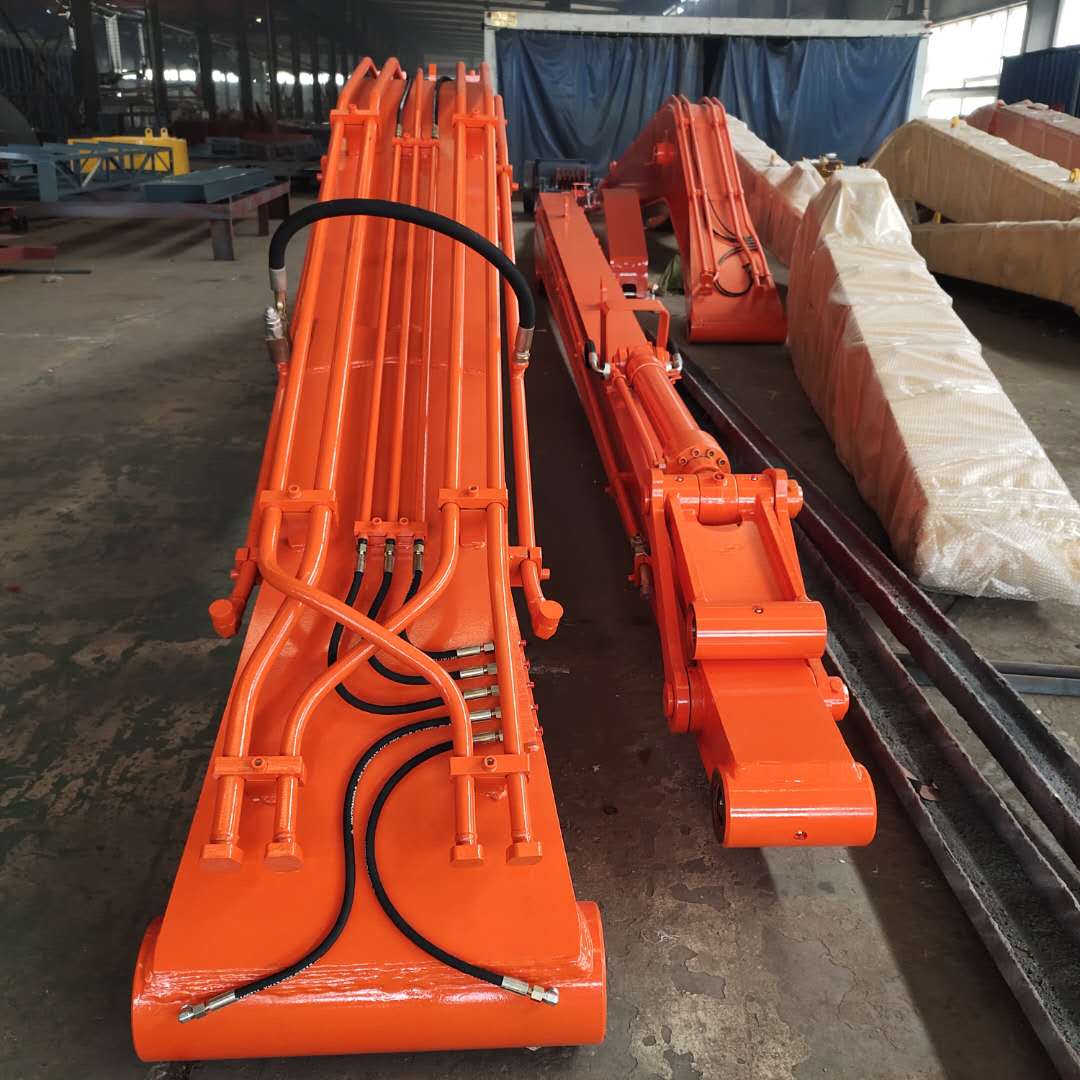
Factors influencing the choice of trunk length
Water depth and scoping considerations
When choosing the correct boom length for dragging projects, water depth is a major factor. Deeper waters require longer booms to effectively reach the bottom. However, it's not just about depth; You must also consider the horizontal coverage required to cover the entire project area. A long excavator with extended reach can greatly reduce the need for frequent repositioning, saving time and resources.
The scale of the project plays a decisive role in the choice of boom length. For large-scale port expansion or extensive river restoration, longerboom allowsmore comprehensive coverage. This allows operators to drag large areas from one position, increasing productivity. However, in narrow spaces or small waterways, a shorter boom may be more suitable, providing greater maneuverability and accuracy.
Soil composition and effects of material density
The type of material being loaded greatly influences the choice of boom length. Soft sediments such as brood or fine sand are easier to excavate and can be controlled by longer booms. These materials offer less resistance to equipment, allowing long-lasting coverage without sacrificing stability. In contrast, denser materials such as clay or gravel may require shorter booms to maintain the required digging force and prevent undue stress on the machine.
The density of the material also affects the weight the boom must support. Heavier materials require stronger, often shorter booms to handle the increased load without risk of equipment damage or instability. It is important to balance reach requirements with the lifting capacity of the excavator to ensure safe and efficient operation.
Environmental rules and restrictions
Environmental considerations play an important role in the choice of boom length. Longer booms can help minimize disturbance to sensitive aquatic ecosystems by reducing the need for multiple entry points. This approach can be particularly useful in projects near protected habitats or areas with strict environmental regulations.
However, local regulations may impose restrictions on the size or coverage of equipment to protect shorelines or prevent excessive turbidity. In such cases, you may have to choose shorter booms and develop alternative strategies to achieve the project's goals while maintaining environmental guidelines. Always consult local authorities and environmental experts to ensure the boom length you choose meets regulatory requirements.
Calculation of optimal boom length for efficiency
Assessing requirements to achieve peak performance
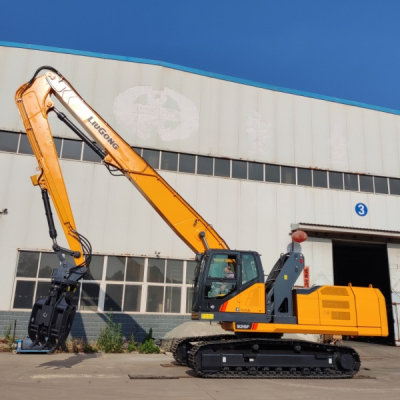
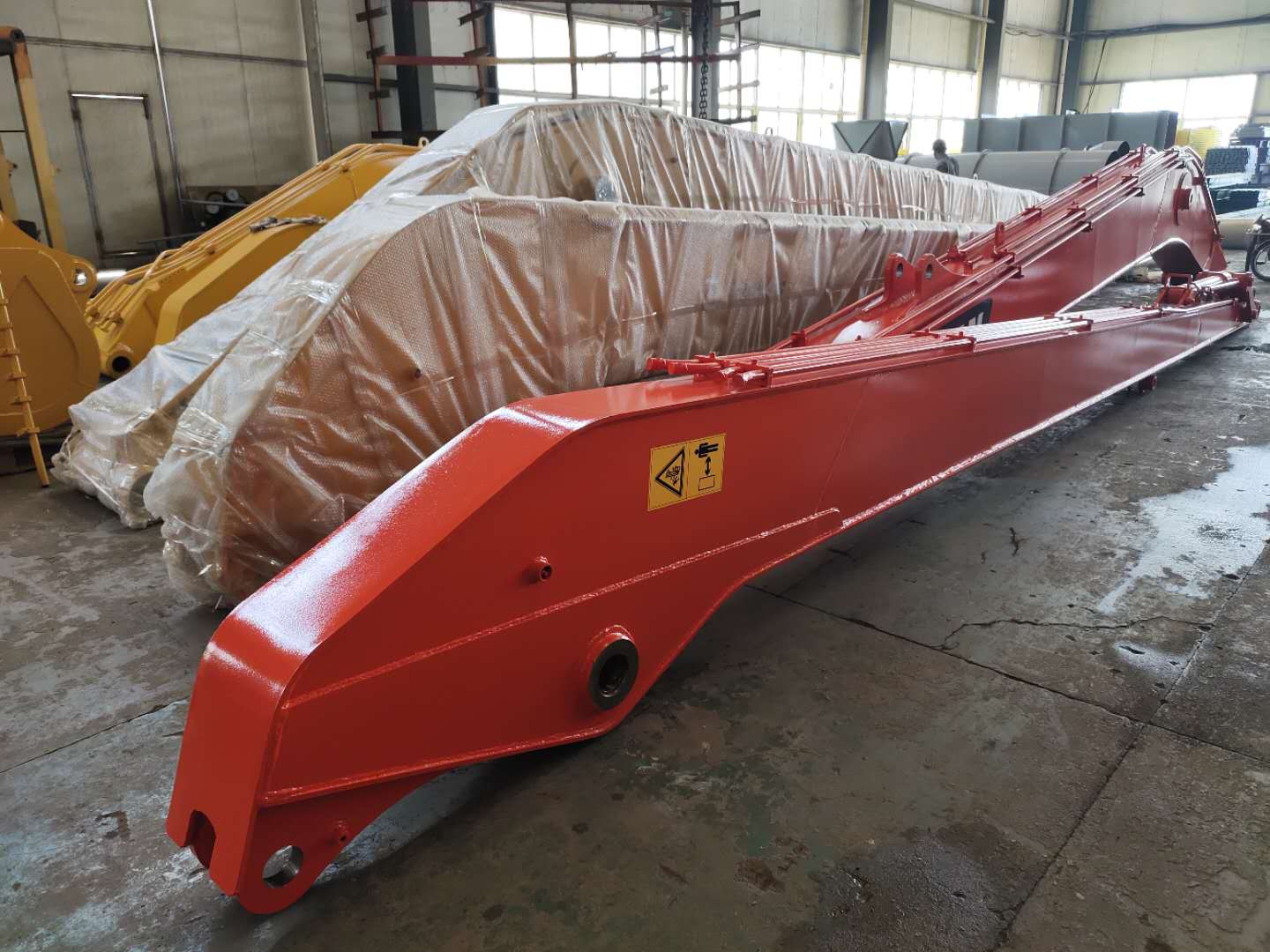
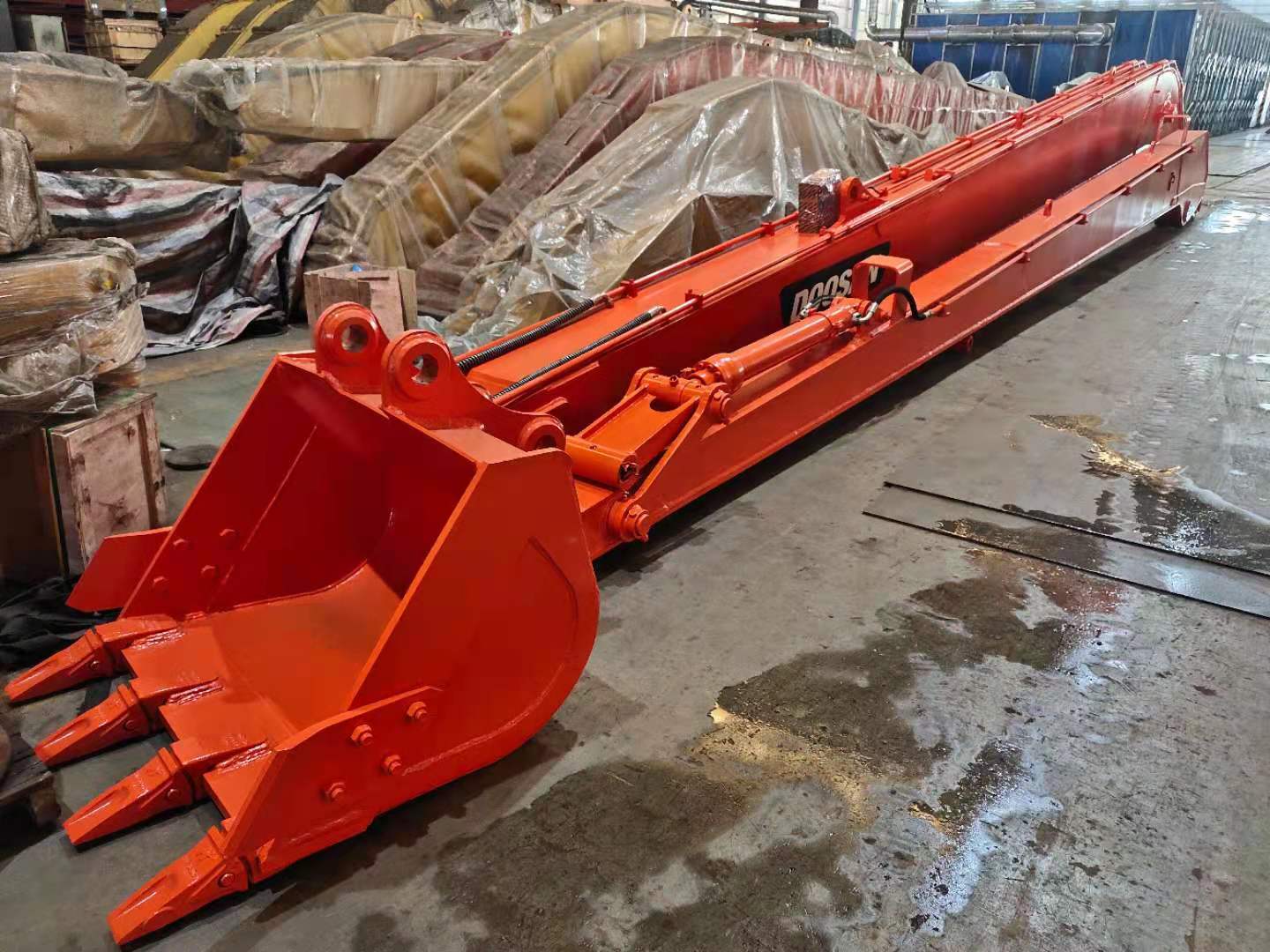
To determine the ideal boom length, start by estimating the maximum reach required for your dragging project. Consider both vertical and horizontal distances to ensure complete coverage of the work area. Longboom excavators differ in situations where long range is critical, such as deep-sea dredging or access to hard-to-reach areas along coastlines.
Calculate the optimal boom length based on water depth, desired dredging depth, and the distance from the shoreline or barge to the furthest point of the project area. This calculation helps ensure that the selected equipment can effectively cover the entire work area without frequent repositioning, thereby maximizing productivity and minimizing downtime.
Balancing stability and maneuverability in long booms
While long booms provide greater range, they also pose challenges in terms of stability and maneuverability. As the boom length increases, the excavator's center of gravity changes, potentially affecting its stability, especially when fully extended. To maintain safe operation, consideration should be given to the excavator's counterweight system and its ability to balance the extended boom under varying load conditions.
Maneuverability is another important factor. Longer booms may be less flexible in tight spaces or when precise movements are required. Assess the location of the project site and any potential obstacles that could limit the excavator's range of motion. In some cases, a slightly shorter boom with increased maneuverability may be more effective than a longer, less maneuverable option.
Cost-benefit analysis of extended coverage versus multiple settings
Conducting a thorough cost-benefit analysis is important when choosing between a long boom excavator and multiple units with shorter booms. While long booms offer extended coverage and potentially reduce the need for frequent relocation, they often come with higher upfront costs and may require specialized transportation and installation.
Compare the costs of a long boom excavator, including purchase or lease fees, transportation and any additional equipment needed, with the costs associated with using multiple short boom excavators or frequently repositioning a single machine. Consider time savings, fuel efficiency, and labor costs to gain a comprehensive understanding of the economic implications of boom length selection.
Case studies: Successful rack length selection
Port expansion project: Triumphexcavator with long boom
In a recent port expansion project, the decision to use a long boom excavator proved instrumental in overcoming significant challenges. The project required dredging up to 15 meters deep and covers a vast area of approximately 500,000 square meters. By selecting an excavator with an 18-metre boom, the project team achieved remarkable efficiency gains.
The extended range allowed operators to load large sections from a single position, dramatically reducing the need for frequent repositioning. This approach not only accelerated the project timeline, but also minimized disruption to ongoing port operations. The precision of the long boom in deepwater conditions provided precise depth control, meeting stringent engineering specifications while maintaining environmental compliance.
River restoration: Precision dredging with custom booms
A complex river restoration project demonstrated the importance of tailored boom lengths for specific environmental problems. The project involved eliminating sediment accumulation and restoring natural flows in meandering rivers of varying depths and sensitive ecosystems along its banks.
The team used a combination of excavators with custom boom lengths ranging from 12 to 16 metres. This approach allowed for precise dredging in shallow areas near the banks without disturbing vegetation, while also allowing for the efficient removal of deeper sediment in the center of the river. The flexibility offered by these individual booms has significantly reduced environmental impacts and improved the overall success of restoration efforts.
Offshore Pipeline: Overcoming Boom Selection Challenges
The offshore pipeline installation project demonstrated the critical role of boom length selection in overcoming unique challenges. The project required deepening a trench to accommodate the pipeline at depths ranging from 10 to 25 meters with varying seabed compositions along the route.
The team chose a specialized long excavator capable of reaching depths of up to 30 meters. This choice has proven invaluable when encountering unexpected solid substrates and navigating around existing underwater structures. The extended range allowed for precise trenching and minimized the need for additional support vessels, resulting in significant cost savings and increased project efficiency.
Selecting the correct boom length for dragging projects is a complex decision that requires careful consideration of several factors. By carefully assessing water depth, project scale, soil composition and environmental regulations, you can select the optimal boom length to maximize efficiency and minimize environmental impact. Remember that the success of your dredging project often depends on this critical choice. Whether you choose a long boom excavator or a more versatile solution, prioritize safety, efficiency and environmental responsibility in your decision making process.