
Can excavator cabins be configured for higher clearance heights?
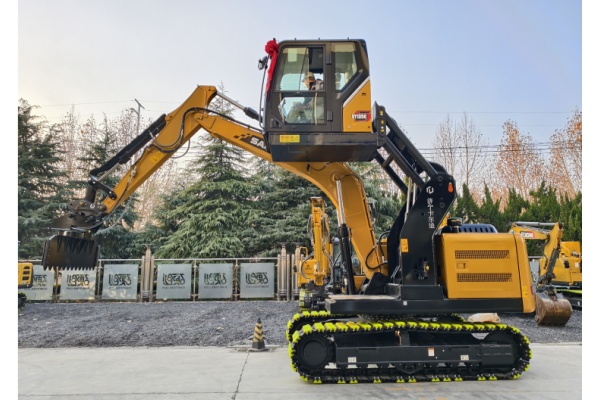
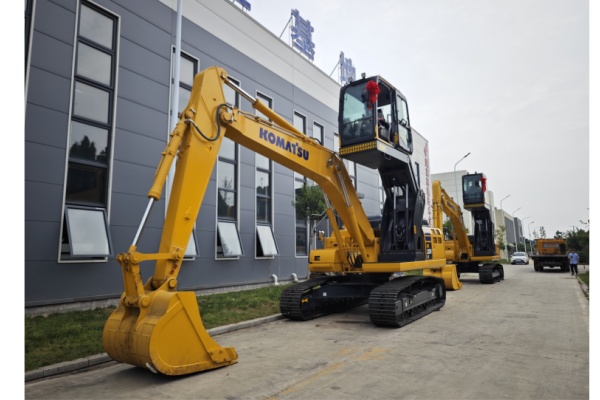
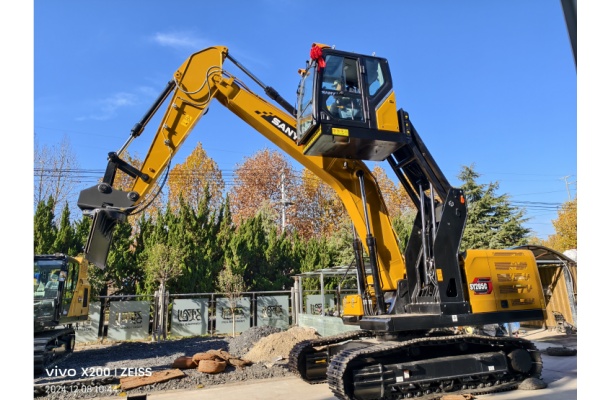
Excavator cab systems can actually be configured for higher clearance heights to meet specific operating requirements. Standardcabins are usuallyhave limited heights, but modern engineering now allows significant customization which can increase effective passage heights to 4300mm or more. This setup is especially valuable for industries such as railroad construction, mining operations, and specialized construction projects where equipment must access high work areas or clear high obstacles. Companies such as Tiannuo Machinery specialize in the design and manufacture of custom cab solutions that support operational efficiency and safety while expanding the vertical reach capabilities of excavators ranging from 13 to 40 tons. These customizations typically involve design modifications to the cab mounting system and may include adjustable height mechanisms, reinforced support frames, and specialized safety features to ensure stability at elevated heights.
Feasibility of setup
Technical capabilities of height adjustment
Feasibility of setupexcavator cabinsfor higher aisle heights is largely dependent on the structural integrity of the base machine and design specifications. Most excavators in the 13 to 40 tonne range can be modified to accommodate increased cab height. These modifications typically involve engineering adjustments to the cab mounting system, which may include strengthened structural components, expanded hydraulic systems, and redesigned operator platforms.
Tiannuo Machinery uses advanced engineering techniques to ensure that custom cab solutions maintain the excavator's center of gravity within safe operating parameters. This often requires a comprehensive analysis of machine weight distribution, hydraulic system capacity, and design limitations before any modifications are made.
The customization process typically begins with a detailed assessment of the base machine specifications and the customer's specific height requirements. Engineers then develop a custom solution, which may include expanding the cab support structure, modifying the hydraulic systems, or completely redesigning the cab mounting platform to achieve the desired aisle height while maintaining operational stability.
Industrial applications for raised cab systems
Raised excavator cab systems perform critical functions in several industries, each with unique height requirements and operational challenges:
Railroad maintenance jobs often require excavators to work alongside or above railroads, requiring cab heights that provide operators with a clear view of railroads and infrastructure. Custom cabs for this industry typically have aisle heights of 4,300mm or more, allowing operators to effectively monitor and manage road maintenance activities from an elevated position.
Mining operations often require excavators to access elevated work areas, such as high wall mining or overhead material handling. Custom cabin systems for mining applications often include additional reinforcement to withstand harsh operating conditions while providing the necessary height for efficient operation.
Demolition projects involving multi-story structures make heavy use of elevated cabins, which allow operators to safely view overhead demolition areas while maintaining a stable working platform. These specialized applications often require not only increased clearance but also advanced cabin protection features to protect operators from falling debris.
Benefits of Custom Excavator Cabin Heights
Configuring your excavator cab for increased clearance height offers a number of operational benefits that can significantly improve project efficiency and safety:
Increased visibility is perhaps the most immediate benefit, as operators gain a commanding view of the work area from an elevated position. This improved line of sight allows for more precise work, reduced accident risk, and better overall workflow management, especially in complex work environments.environmentssuch as railway yards or crowded construction sites.
Operational versatility is greatly enhanced with a raised cab system, as the excavator can effectively navigate higher obstacles or access elevated work areas that would not be possible with standard cab configurations. This versatility often eliminates the need for additional specialized equipment, reducing project costs and simplifying logistics.
Safety improvements are accompanied by well-designed elevated cab systems that include additional safety features such as reinforced barriers, anti-slip surfaces and advanced operator restraint systems. These safety improvements are especially valuable in high-risk environments where operator protection is paramount.
Setting methods
Approaches to structural change
The technical process of modifying an excavator cab to increase height involves several engineering approaches, each suited to different operational requirements and basic machine specifications:
Fixed lift systems are the simplest approach, using a permanently extended support structure to lift the cab to a predetermined height. This method provides excellent stability and generally requires less maintenance than adjustable systems, making it ideal for applications with constant height requirements. Tiannuo fixed height systems canreach heightspassage up to 4300mm, with settings available to suit specific project needs.
Hydraulic adjustment mechanisms provide a more versatile solution, allowing operators to adjust cab height as needed for different tasks or work environments. These systems incorporate additional hydraulic cylinders and control circuits that allow smooth elevation transitions without compromising operational stability. Although more complex than fixed systems, hydraulic adjustment provides unmatched flexibility for multi-purpose excavators.
Custom mounting frames take a different approach, completely redesigning the cab mounting system to optimize both height and stability. These custom frames often incorporate advanced materials and engineering to maintain strength while minimizing weight, ensuring that the raised cab does not compromise excavator performance or lifting capacity.
Integration of security features
Safety is a critical consideration when adjusting excavator cab height, requiring careful integration of several safety features:
Stability enhancement systems form the basis of safe elevated cab operation, including extended braces, counterweights or modified rail systems to ensure excavator stability even when the cab is at maximum height. These systems often include automatic stability monitoring that alerts operators to potential instability before it becomes dangerous.
Safety railings and barriers provide essential operator protection at elevated heights, preventing falls and providing safe points of contact during entry and exit. Tiannuo elevated cab designs incorporate comprehensive rail systems that meet or exceed international safety standards while maintaining operator comfort and accessibility.
Emergency lowering mechanisms are an important safety feature, providing a reliable method of lowering the cab in the event of a power outage or other emergency. These systems typically include backup power sources or mechanical switching systems that ensure that operators can safely exit the raised cab under all circumstances.
Setup considerations
Engineering and design factors
Several important factors influence the successful design and implementation of a raised excavator cab system:
Analyzing weight distribution is an important first step in the tuning process because adding height to the cab shifts the excavator's center of gravity upward. Engineers must carefully consider how this shear affects stability during various operations, often using compensating measures such as extended counterweights or modified boom designs to maintain safe operation.
Structural integrity requirements become more demanding as cab height increases, requiring reinforced mounting points, additional fasteners, or upgraded materials to handle the increased leverage that comes with lifting. Tiannuo uses advanced finite element analysis to identify potential stress points and design accordinglyreinforcementfor eachindividual cabin system.
Operator ergonomics must remain a priority despite the engineering challenges of height adjustment. This includes maintaining convenient access points, maintaining visibility in all directions, and ensuring control layouts remain intuitive and accessible regardless of cabin height. Smart ergonomic design prevents operator fatigue and maintains productivity during long operations.
Compliance Requirements
Raised excavator systems must meet various regulatory standards and certification requirements:
Safety certification processes vary by region and industry, but typically involve rigorous testing of stability, structural integrity and safety systems before a lifted cab excavator can be approved for operational use. Tiannuo works closely with certification bodies to ensure that all custom booth systems meet or exceed applicable safety standards.
Industry-specific regulations may impose additional requirements on elevated cab designs, especially in highly regulated sectors such as railway construction or mining. These regulations often address specific operational risks or environmental conditions that require specialized design features or advanced safety systems.
Documentation and training requirements accompany most elevated cab systems, ensuring that operators understand the unique operational characteristics and safety considerations associated with elevated operation. Comprehensive documentation and specialized training programs help operators make a smooth transition to raised cab work while maintaining safe work practices.