
Long boom excavator Reach Arm for dredging
When it comes to dragroe in difficult conditions,The long hand of the excavatorIt is one of the most revolutionary achievements in modern construction equipment. These specialized accessories turn standard excavators into precision drager power plants that can reach depths and distances that were previously impossible with conventional equipment. Regardless of whether you serve waterways, clean the precipitation of harbors or carry out large -scale environmental restoration projects, these expanded coverage systems provide prompt flexibility and power necessary to solve the most complex Draging problems. The technology of these wonderful machines combines the advanced hydraulic engineering with a reliable design that allows operators to work safely from the shore, while accessing deep underwater areas with unprecedented accuracy and control.
Extended coverage for deep/remote areas
Access to previously inaccessible places
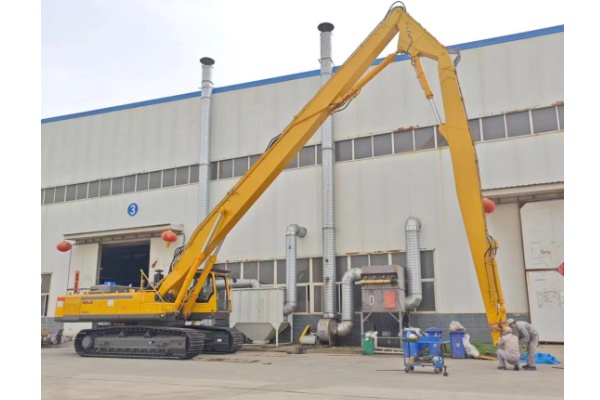
The main advantage of the technology of expanded paper is its ability to reach areas, which otherwise would require expensive alternatives, such as marine vessels or floating platforms. Traditional Draging methods often include complex logistics, several parts of the equipment and a considerable installation time. Thanks to the long hand of an excavator with a boom, operators can place a car on a stable land and expand their reach to 25 meters in the waterways, eliminating many of these complications.
This advanced potential is especially valuable in the service of Marina, where narrow channels and limited spaces make it difficult to maneuver large luggage vessels. The exact control offered by hydraulic systems allows operators with amazing accuracy to move in existing infrastructure, such as docks, poles and boats. In addition, environmental restoration projects gain great benefit from this technology, since operators can selectively remove contaminated precipitation without violating the surrounding ecosystems.
The effectiveness of work in complex areas
The versatility of expanded access systems shine when working in areas with limited access or unstable earth conditions. For example, the restoration projects of water-bell lands often require work in sensitive areas where heavy equipment is limited. By placing an excavator on solid ground and spreading the boom to a delicate area, contractors can complete the necessary work, minimizing the environmental impact.
Remote construction sites present their unique problems, from mountainous areas to poor infrastructure. The expanded mounts of the boom allow operators to achieve obstacles such as steep embankments, dense vegetation or unstable surfaces. This potential reduces the need for mobilizing additional equipment and the preparation of the facility, which leads to significant cost savings and reduce the terms of the project.
Advantages of safety in dangerous conditions
Safety considerations play a decisive role in dragger operations, especially when working near contaminated materials or in unstable conditions. Extended coverage opportunities allow operators to maintain safe distances from potentially dangerous areas, while still achieving their goals. This is especially important in industrial cleaning projects, where contaminated precipitation or dangerous materials may be present.
The ability to work with stable platforms reduces the exposure to the operator on dangerous conditions and eliminates many risks associated with floating equipment or temporary structures. Advanced hydraulic systems provide smooth, controlled movements that increase accuracy, while reducing the likelihood of accidents or damage to equipment.
Strong material and constructive strength
Construction from high -strength steel alloy
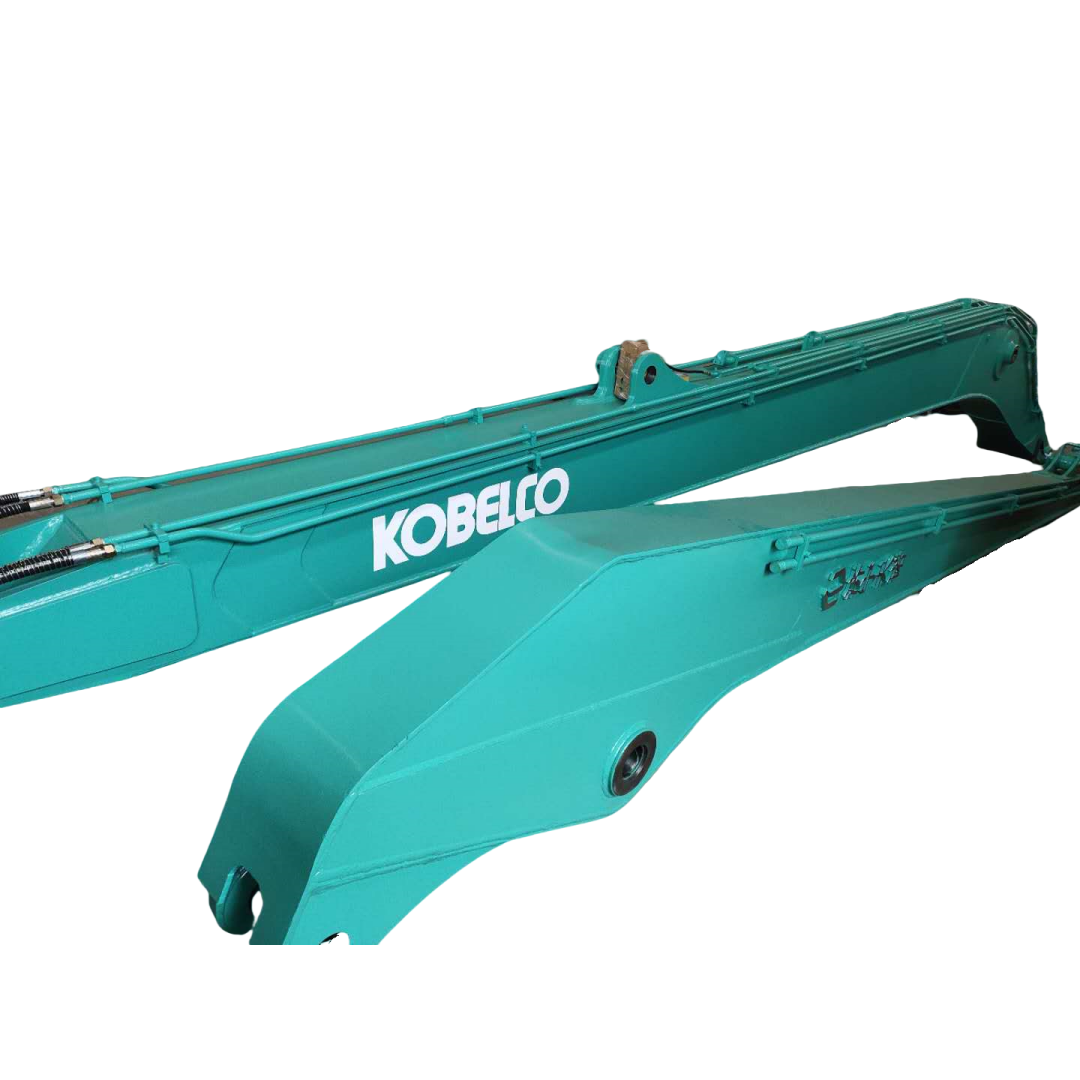
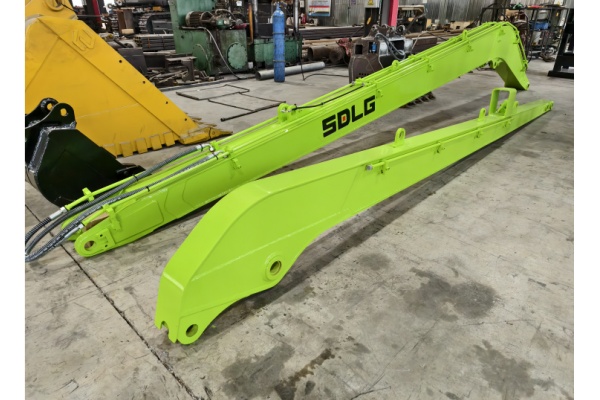
The basis of any reliable system of an elongated boom lies in its material composition and constructive engineering. Modern long booms of excavators reach hands use high -strength steel alloys, specially chosen for their exceptional durability and resistance to the harsh conditions that are encountered in dragers operations. These advanced materials are subjected to strict tests to make sure that they can withstand constant stress of long -term operations, while maintaining constructive integrity for many years of use.
The composition of the steel alloy includes elements that increase corrosion resistance, which is a critical factor when working in a marine environment where salted water and moisture create difficult conditions for metal components. The advanced heat treatment processes further strengthen these materials, creating a final product that combines flexibility with remarkable tensile strength. This thorough balance guarantees that the sections of the paper can bend under load without jeopardizing their constructive integrity.
Engineering perfection in the distribution of load
The correct distribution of the load is one of the most important aspects of the design of the expanded boom. Engineers must carefully calculate the voltage points and design reinforcing structures that can cope with the dynamic loads that are faced during draper operations. The multi -sectional design of these systems distributes the weight and voltage through several rotary points, preventing the concentration of forces that can lead to a failure.
The enhanced sections of the boom include advanced welding methods and strategic placement of supporting structures for processing both vertical and lateral loads. This engineering approach guarantees that the system can maintain significant lifting capacities even with full expansion, while some models can process up to 3 tons with maximum reach. Particular attention is paid to the installation points of hydraulic cylinders, since these components experience the highest voltage levels during operation.
Quality and test control protocols
Advanced production goes beyond the selection of materials and covers comprehensive quality control procedures, which guarantee that each component meets strict standards. Each Boom section is subjected to an individual test before assembly, including voltage testing, hydraulic pressure testing and sizes. This thorough approach to quality control prevents field failures and provides reliable operation throughout the entire life of the equipment.
The advanced methods of non -destructive tests, including an ultrasound examination and a test of magnetic particles, reveal potential defects that can be invisible during visual inspection. These methods ensure that welding meet the constructive requirements and that the materials are free from internal defects that can jeopardize productivity. The result is a product that constantly ensures reliability and durability, on which contractors depend on their most difficult projects.
Supplying for deepening accessories
Universal attachment options
The philosophy of the modular design of modern expanded paper systems provides remarkable versatility in the choice and configuration of mounting. Drager operations cover a wide range of applications from removing thin precipitation to the extraction of heavy garbage, and each of them requires special tools to achieve optimal results. Standardized installation interfaces allow operators to quickly switch between different mounts in accordance with the requirements of the project.
Specialized dragers buckets have a perforated design that allows you to drain water, preserving precipitation, increasing the efficiency and reducing the time of the cycle. For applications associated with polluted materials, sealed structures of buckets prevent spills during transportation. Attachments for the horn are invaluable for destroying compressed precipitation or removing vegetation, while the mounts for the scobes differ in handling large garbage, such as wooden pipes or building materials.
Integration of the hydraulic system
Successful luggage operations depend on unhindered integration between the extended boom and various specialized mounts. Advanced hydraulic systems provide accurate control necessary for delicate operations, while ensuring the power necessary for hard work. Hydraulic schemes with pressure compensation provide consistent work regardless of load conditions, while complex management systems allow operators to subtly set up the mounting movements for optimal efficiency.
The hydraulic design contains several types of fastening without the need for modification of the system, thanks to standardized rapidly connected fittings and universal kranstens. This compatibility reduces the downtime between changes in attachments and allows contractors to maximize the use of equipment in various types of projects. Stream regulation valves allow the operators to regulate hydraulic pressure and flow rate in accordance with specific fastening requirements, optimizing performance for each application.
Specific setup of the project
Large -scale Draging projects often represent unique problems that require individual solutions that go beyond the standard fastening options. Manufacturers are closely cooperating with contractors for the development of specialized configurations that meet the specific requirements of the project, whether it is expanded coverage opportunities, specialized needs for processing materials or integration with existing equipment systems.
User long excavators with a boom reach the length of the arm and configuration allow operators to work in limited spaces or to reach certain depths required by the specifications of the project. Specialized fasteners solve unique problems with the treatment of materials, such as working with contaminated precipitation, which require sealed transport systems or handling materials with certain characteristics of weight or size. This joint approach guarantees that contractors have tools necessary for effective and safe completion of even the most difficult Draging projects.