
How to use a long reach excavator?
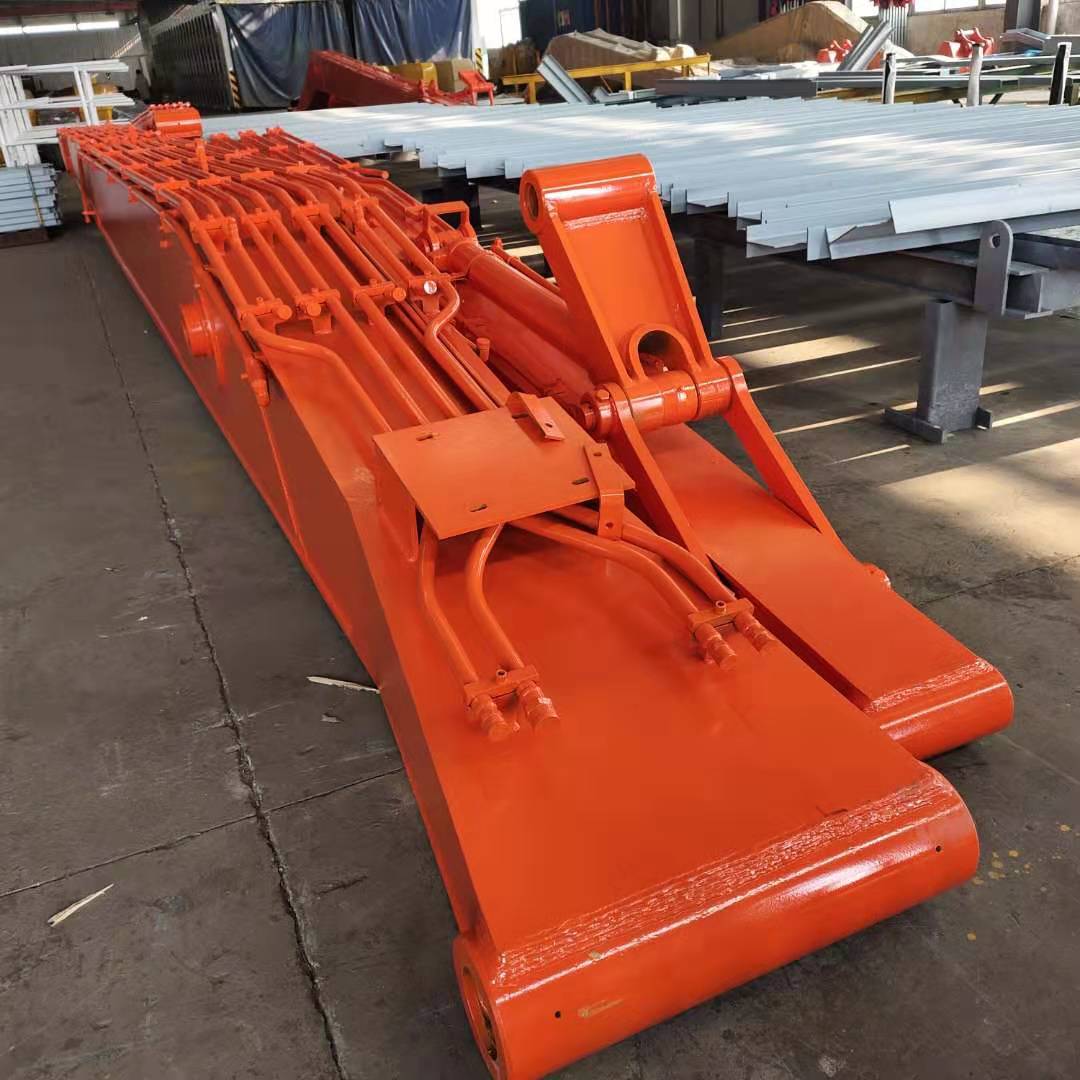
Mastering the use oflong boom of an excavatorRequires skill, precision, and a deep understanding of the machine's capabilities. These specialized excavators, equipped with a long boom, allow operators to work in hard-to-reach places and over long distances.
Positioning machine
Assessing ground conditions to ensure long-reach excavator stability
Before operating a long-reach excavator, it's crucial to thoroughly assess the ground conditions. Extending the boom significantly shifts the machine's center of gravity, making stability a top priority. First, inspect the work area for any weak spots, hidden obstacles, or uneven surfaces that could compromise the excavator's stability.
Find a firm, level surface capable of supporting the weight of the excavator, especially when fully extended. When working near water or in swampy areas, use stabilizing mats or wooden blocks to distribute the machine's weight more evenly. Remember that the stability of a long-reach excavator directly impacts its performance and safety.
Calculate space requirements for safe long-arm operation
Long reach excavatorsThe excavator requires significantly more operating space than standard models. Before positioning the machine, calculate the full boom reach and consider the excavator's turning radius. Ensure the boom moves freely without the risk of hitting adjacent structures, power lines, or other equipment.
Consider creating a designated work area around the excavator, clearly marking it to prevent other workers or vehicles from entering during operation. This additional precaution helps maintain a safe work environment and reduces the risk of accidents.
Adjust outriggers to maximize machine balance and reach
Proper use of outriggers is critical when working on a long reach excavator. These stabilizer mounts help distribute the weight of the machine and balance the extended boom. Start by extending the outriggers fully on a firm, level surface. Use outrigger support pads to increase the supporting surface area and prevent the outriggers from sinking into soft ground.
Adjust the outriggers so that the excavator is perfectly level. Many modern long reach excavators are equipped with electronic level indicators to improve the accuracy of this process. Remember that even a slight tilt can significantly affect machine stability and boom reach, which can lead to dangerous situations.
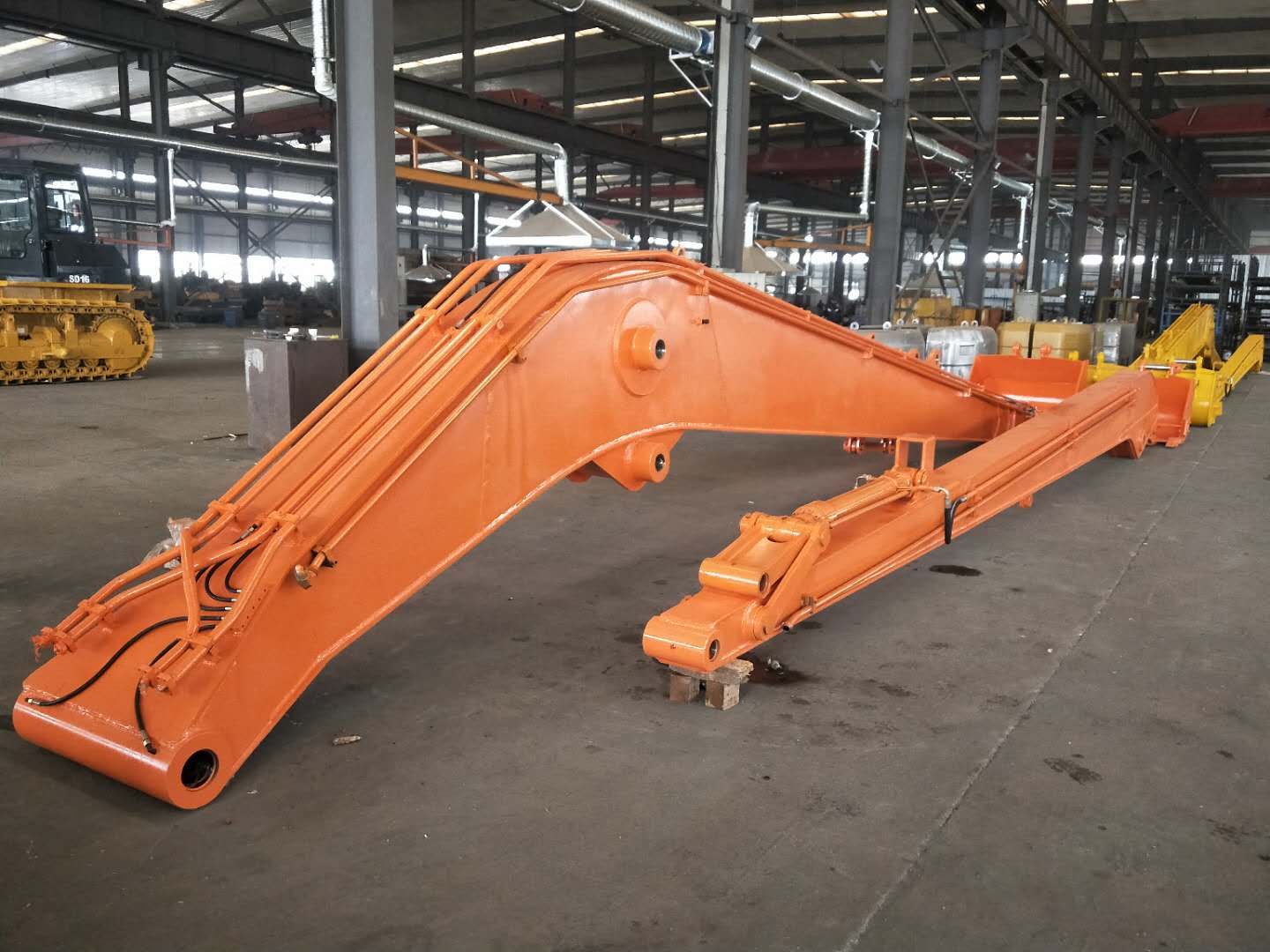
Control your long arm smoothly and accurately
Master joystick control for precise movements over long distances
Operating a long reach excavator requires a high level of skill and precision. The extended boom amplifies even the smallest movements, making precision control critical. Familiarize yourself with joystick controls and practice smooth, measured movements. Start with slow, controlled movements to feel how the extended boom reacts to your actions.
Many operators find it helpful to adjust the sensitivity of the controls to their liking. This helps achieve more precise movements, especially when working at maximum reach. Remember, the goal is to maintain smooth and fluid movements throughout the entire operation to minimize stress on the equipment and ensure precision.
Use gradual acceleration to maintain smooth lever operation.
When working long reach excavatorAbrupt movements can lead to loss of stability and reduced efficiency. Always use gradual acceleration when extending or retracting the boom, turning the handle, or operating the bucket. Smooth operation not only improves work quality but also reduces wear on machine components.
Practice using the joysticks smoothly to achieve precise and controlled movements. This technique involves making small, gradual changes in the position of the joysticks instead of pressing down completely. Gradual acceleration is especially important when working with delicate materials or in confined spaces where precision is paramount.
Ensure boom and arm coordination for optimal reach.
To achieve maximum efficiency with a long reach excavator, mastering the coordination between the boom and arm is essential. The boom, which is the main part of the excavator, and the arm, which is an auxiliary part, must work in harmony to maintain balance and reach. Practice combining boom and arm movements to create smooth, arcing movements that maximize your operating range.
When extending the stick, slightly raise the boom as you extend the stick to maintain a constant working height. Conversely, when retracting the stick, gradually lower the boom as you retract the stick. This coordinated movement helps maintain excavator stability and allows for more precise bucket control.
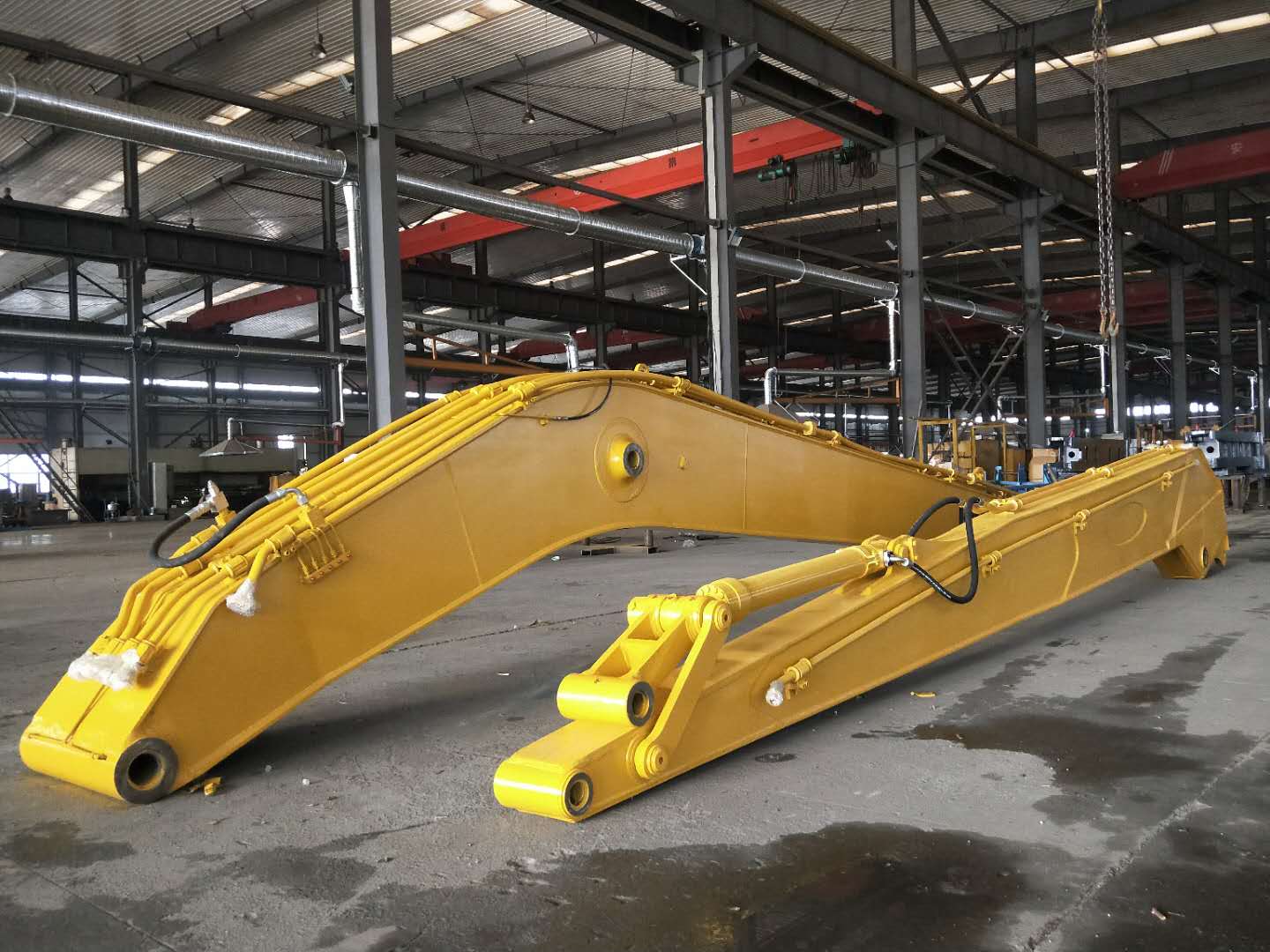
Limits specified by the manufacturer
Check out the capacity charts for long reach excavators
Every long-reach excavator comes with lifting capacity charts provided by the manufacturer. These charts are crucial for safe operation and should be carefully reviewed before beginning any boom raising or lowering operations. The charts typically indicate the maximum lifting capacity at various boom angles and reach.
Please note that the lifting capacity decreases as the boom extends from the machine. Always check the chart before lifting or moving heavy materials. Exceeding the stated limits may result in tip-over, structural damage, or serious equipment failure.
Control the hydraulic pressure to prevent overloading the arm.
The most modern long-reach excavatorsEquipped with hydraulic pressure gauges to help prevent overload. Monitor these indicators closely during operation. If you notice the hydraulic pressure approaching the maximum limit, this is a clear sign that you are approaching the machine's performance limits.
Regularly inspect the hydraulic system for leaks or signs of wear, as these issues can impact boom lifting capacity and overall performance. Proper hydraulic system maintenance is critical to ensuring the long-term reliability and safety of your long-reach excavator.
Implement safety protocols for heavy lifting operations
When using a long-reach excavator to lift heavy loads, extra safety precautions are required. Always use appropriate rigging equipment, such as certified slings and shackles, to secure loads. Ensure all lifting equipment is rated for the load being lifted and is in good working order.
Before any lifting, carefully evaluate the load, taking into account its weight distribution and possible movement during movement. If necessary, use safety ropes to control the position of the load and never allow workers to stand under or near suspended loads. Implement a clear communication system with the ground crew to coordinate movements and ensure the safety of all involved in lifting operations.
Mastering long reach excavator techniques is critical to maximizing efficiency and safety in industries ranging from railroad maintenance to environmental restoration. By following proper positioning techniques, accurately controlling the boom, and respecting lifting capacity limits, operators can significantly increase productivity and improve project results.