
Excavator Bucket Mounting Types
Modern excavator buckets are available in specialized designs tailored to specific applications, from heavy rock excavation to precision materials testing and general earth moving tasks. These attachments serve as the primary interface between the excavator and the work environment, making their selection critical to achieving optimal performance. Whether you're involved in railroad construction, mining operations, or landscaping projects, choosing the appropriate bucket mount will ensure you get the maximum return on your equipment investment while maintaining consistent quality standards throughout your operations.
Rock buckets
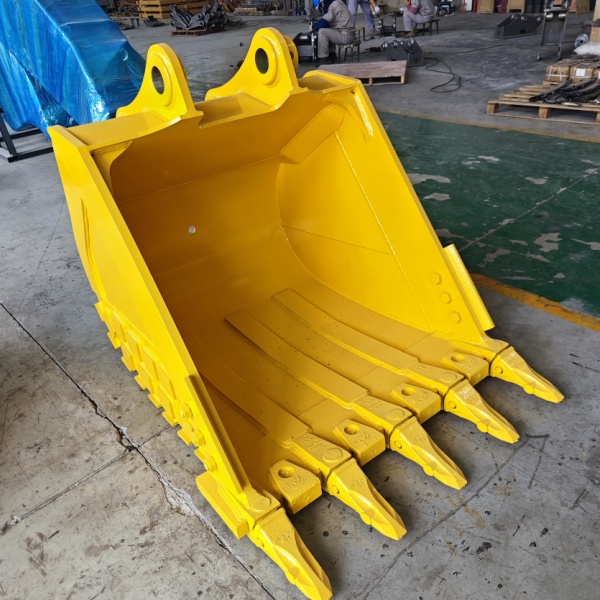
Rock bucketsare the heavyweight champions of excavator accessories, designed specifically for the toughest excavation tasks where conventional buckets simply cannot perform. These durable accessories feature a rugged design with high-strength steel components, strategically placed wear plates, and aggressive tooth configurations designed to penetrate and tear through hard rock formations, hard soil and highly
Heavy structures and design features
The engineering behind stone buckets focuses on durability and penetration power rather than material capacity. Unlike standard digging buckets, stone buckets incorporate thicker base plates, reinforced side cuts, and specialized tooth patterns that concentrate hydraulic force at precise impact points. This design philosophy allows operators to cope with challenging geological conditions while minimizing equipment wear and reducing downtime.
Modern rock buckets use advanced metallurgy, including AR400 and AR500 abrasion-resistant steel in critical wear areas. These materials provide exceptional resistance to the constant friction and impact encountered during excavation. Strategic placement of replacement wear components ensures that maintenance costs remain manageable, significantly extending the operational life of the fastener.
Applications in construction and mining industries
Construction professionals rely on rock buckets to excavate foundations in rocky terrain, dig utility trenches through rock foundations, and prepare sites where underground conditions include embedded boulders or rock sediments. Mining operations use these accessories for overload removal, ore mining in hard rock environments, and quarry development projects where precise destruction is important.
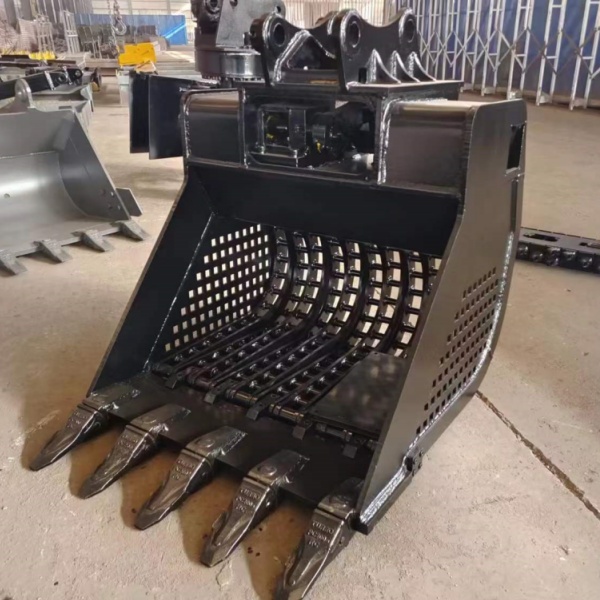
Screening buckets
Screening bucketsare revolutionizing material handling by combining excavation and separation capabilities into one highly efficient fixture. These innovative tools eliminate the need for separate inspection equipment at many job sites, reducing operational complexity while increasing material handling efficiency and project profitability.
Advanced technologies and screening mechanisms
Modern screening buckets use sophisticated rotating drum or vibrating screen systems that automatically separate materials based on predetermined dimensional specifications. The inspection process occurs continuously during material handling operations, allowing operators to simultaneously excavate, process and place materials in a simplified workflow, significantly reducing project timelines.
Excavator bucket mounts with screening capabilities use hydraulic power from the carrier machine to drive the screening mechanism, providing consistent performance in a variety of material types and operating conditions. Advanced models have adjustable screening parameters, allowing operators to modify separation characteristics based on specific project requirements and material properties.
Material separation and processing applications
Landscape professionals use screening buckets to prepare the soil surface, removing rocks and debris from planting areas while preserving valuable organic matter. This capability is particularly valuable in restoration projects, where maintaining soil integrity is essential for successful plant establishment and the long-term health of the landscape.
Waste management operations utilize bucket screening technology to process construction debris, separate recyclable materials from waste streams, and prepare materials for disposal or recycling. The ability to perform initial material sorting at the excavation site reduces transportation costs and improves overall project savings.
Demolition projects use screening buckets to separate concrete aggregate from steel reinforcement, wood debris and other demolition byproducts. This separation capability allows materials to be recycled and disposal costs reduced while supporting sustainable building practices and environmental compliance requirements.
Efficiency and economic benefits
The economic benefits of screening buckets become apparent when considering the elimination of separate screening equipment, reduced material handling requirements, and improved project timelines. Contractors report significant cost savings from reduced equipment rental costs, reduced fuel consumption and minimized labor requirements for material handling operations.
Improved quality control represents another significant benefit, as screening buckets ensure consistent material separation results that meet specifications. This consistency reduces rework, improves customer satisfaction, and supports long-term business relationships with clients who value reliable project delivery.
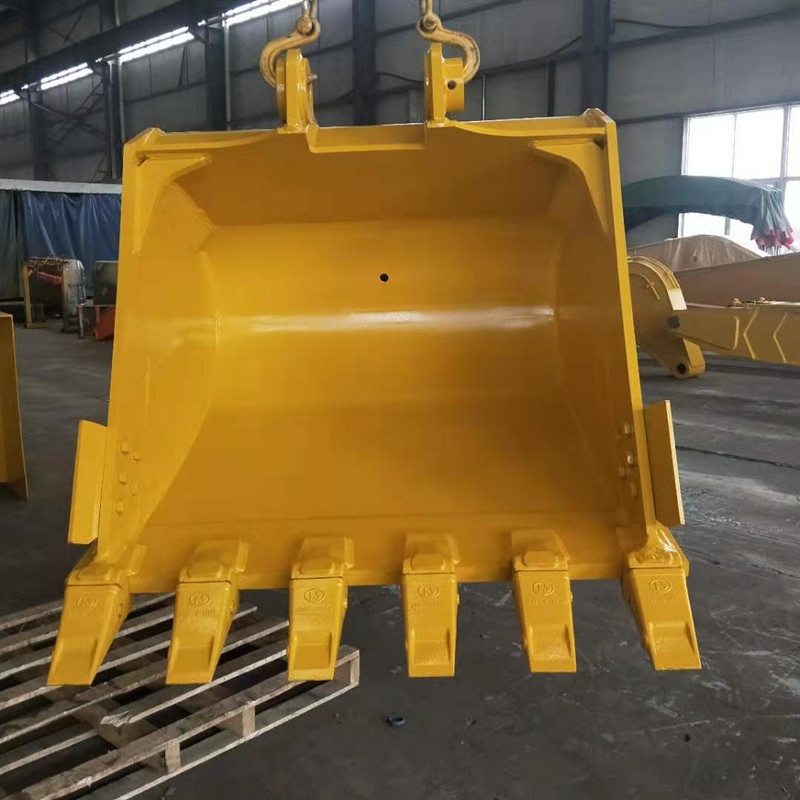
General purpose (GP) buckets
General purpose bucketsServe as workhorse excavation attachments, offering versatility and reliability across a wide range of applications. These excavator bucket attachments balance digging performance, material handling capacity, and operational flexibility to provide cost-effective solutions for common earthmoving tasks.
Universal design for multiple applications
The general purpose bucket's engineering philosophy emphasizes adaptability rather than specialization, creating fasteners that can handle a variety of material types and operating conditions. These buckets have a moderate tooth configuration, a balanced capacity-to-weight ratio, and design specifications that provide adequate durability for typical excavation tasks without the premium costs associated with specialized fixtures.
Modern GP buckets incorporate design elements from both the digging and loading bucket categories, creating hybrid attachments that perform acceptably in multiple types of applications. This versatility makes them ideal for contractors who work on different types of projects and require equipment flexibility to maximize utilization and minimize inventory needs.
Common excavation and material handling tasks
Construction companies rely on general purpose buckets for foundation excavation in typical soil conditions, utility installation projects, and site preparation work where specialized job specifications are not required. These applications vary in application involving mixed soil types, moderate rock content and standard excavation depths found in residential and commercial construction projects.
Applications in the transportation industry include road construction, parking development, and infrastructure projects where consistent ground movement is more important than specialized capabilities. GP buckets provide the reliability and predictable performance characteristics that project managers value when establishing realistic project schedules and cost estimates.
Cost Efficiency and Operational Efficiency
The economic appeal of general-purpose buckets lies in their ability to handle multiple tasks with a single attachment, reducing equipment acquisition costs and simplifying maintenance requirements. Fleet managers appreciate the benefits of standardization associated with using common attachment types across multiple machines and project sites.
Operational efficiency benefits include reduced fastener changeover times, simplified operator training requirements, and reduced spare parts requirements. These benefits contribute to increased project profitability by reducing downtime and increasing equipment utilization.
Optimizing performance with GP buckets focuses on understanding their operational limitations and matching attachment selection to project requirements. Experienced contractors develop systematic approaches to evaluate when general-purpose accessories make sense versus when specialized options provide greater long-term value.