
How to choose the right excavator grapple arm for your project?
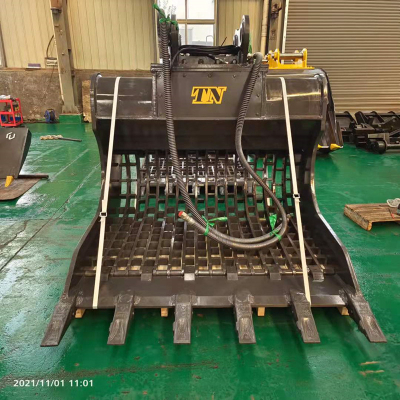
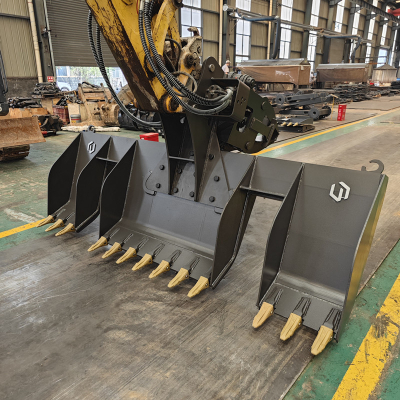
Selecting the perfect excavator grapple arm is crucial to project success. This versatile attachment improves material handling efficiency in a variety of industries, from construction to waste disposal. To choosethe right handWhen choosing a gripper, consider factors such as load capacity, reach requirements, compatibility with your machine, and long-term return on investment. By carefully evaluating these aspects, you'll ensure optimal performance and productivity in your workplace.
Assessing load capacity and coverage requirements
Calculating the maximum lifting capacity of your excavator
To determine the appropriateexcavator grab arm, start by calculating your machine's maximum lifting capacity. This important step ensures you select a mount that won't overload your excavator. Consult your excavator specifications or contact the manufacturer for precise lifting diagrams. Keep in mind that lifting capacity varies depending on factors such as boom angle and distance from the machine's center of gravity.
Once you have this information, consider the heaviest materials you will be handling. Add a margin of safety to account for unexpected loads or challenging conditions. This approach helps prevent overload and potential damage to your equipment.
Determining the optimal arm length for project needs
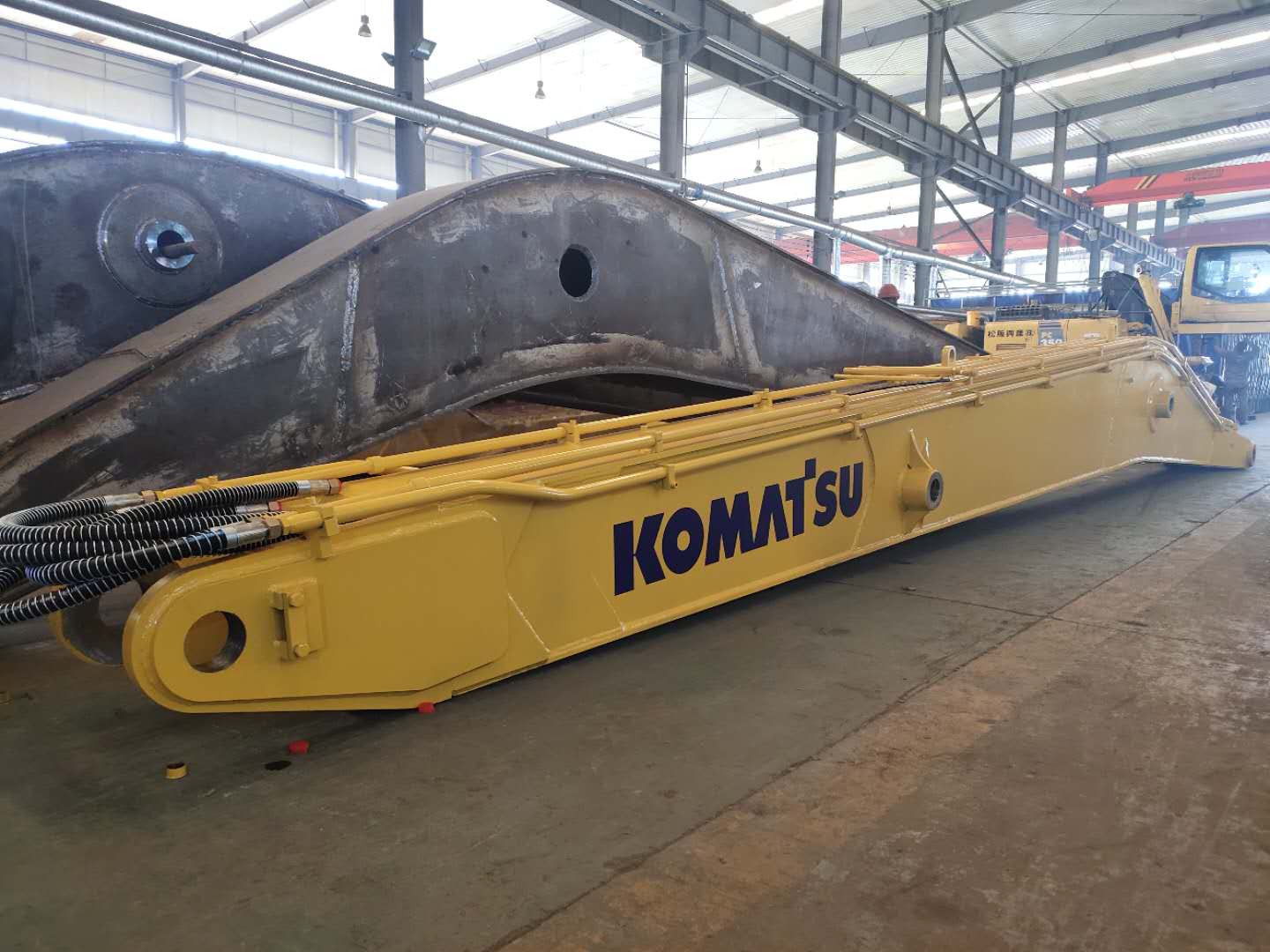
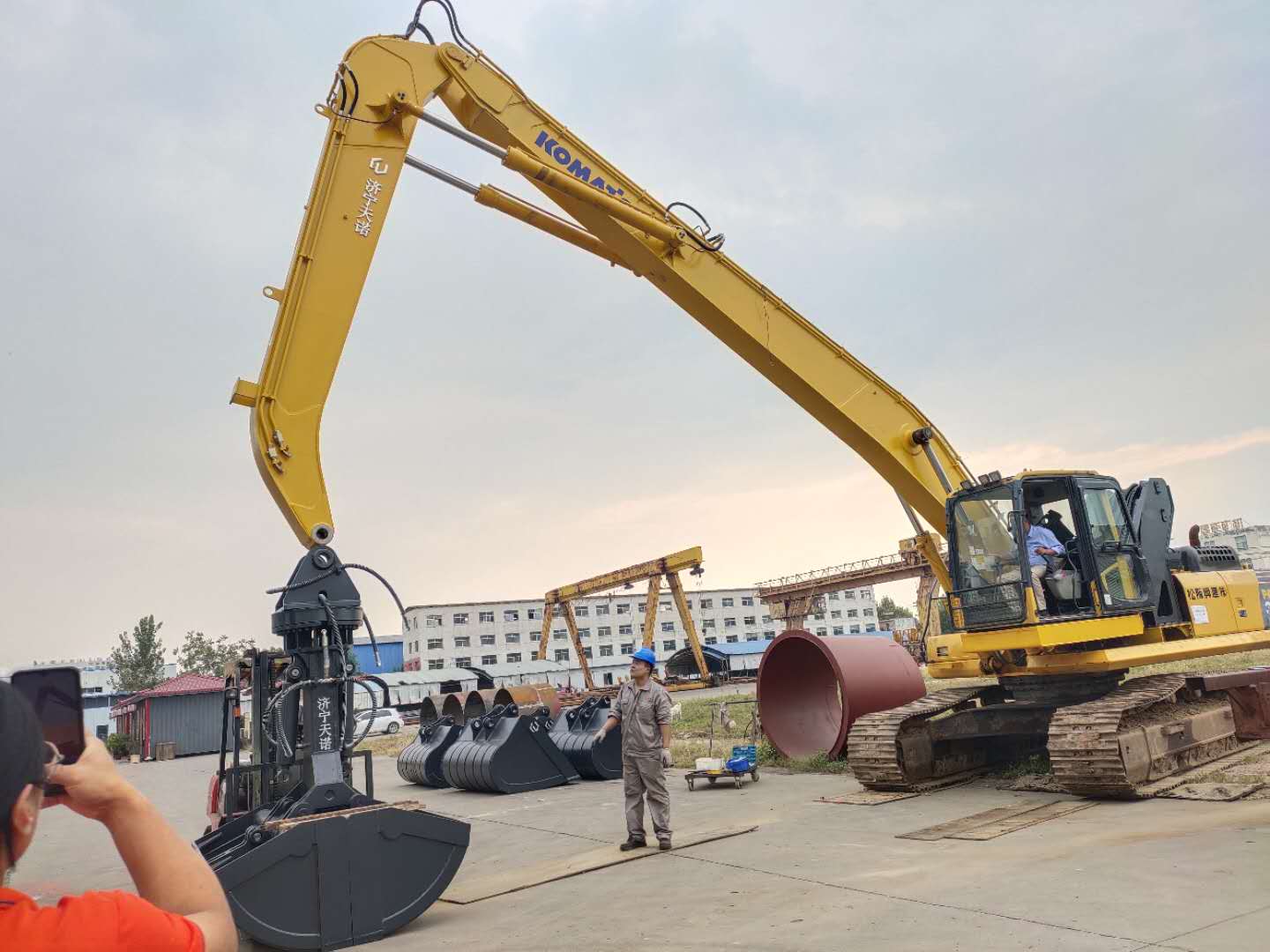
The ideal arm length depends on the specific requirements of your project. The long arm provides greater reach, which can be useful for tasks such as loading trucks or reaching over obstacles. However, long arms can reduce lifting and stability. Evaluate your workspace layout and typical tasks to find the right balance between coverage and throughput.
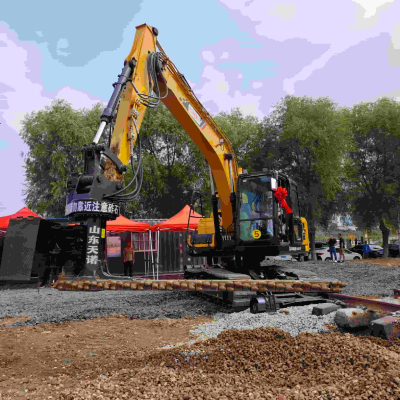
For example, in railroad maintenance, you may need a longer arm to effectively clear the rails. In contrast, a compact construction site can benefit from a shorter arm for increased maneuverability. Consider future projects as well to ensure versatility in your investment.
Estimation of material density and bucket capacity
The density of the materials you'll be handling plays a key role in choosing the right excavator grab arm. Heavier materials, such as scrap metal or dense soil, require a more robust arm and bucket combination. Lighter materials, such as wood waste or plastics, allow for a larger bucket capacity without overloading the arm.
Calculate the volume and weight of your typical loads to determine the ideal bucket capacity. This ensures efficient material handling without frequent trips or overloading. Remember to factor in the weight of your excavator's handle when estimating its overall lifting capacity.
Compatibility factors: machine size and hydraulics
The corresponding excavator grab arm weight class
Correct size is important when connectingexcavator gripping handswith your machine. Mismatches can lead to poor performance, instability, or even equipment damage. As a general rule, the arm should be proportional to the weight class of your excavator. Large excavators can handle heavier, more robust arms, while compact machines require lighter attachments.
Consult with manufacturers or experienced dealers to ensure compatibility. They can provide guidance based on your specific excavator model and intended applications. Remember that a small hand can limit your productivity, while an oversized hand can strain the hydraulics and structure of your machine.
Ensuring hydraulic system compatibility
An excavator's grapple frame relies on your machine's hydraulic system for power and control. Make sure your excavator's hydraulic flow rate and pressure match your hand's requirements. Insufficient hydraulic power can result in slow operation and reduced efficiency. On the contrary, excessive hydraulic flow can cause overheating or damage to the fastener.
Some grip arms may require additional hydraulic circuitry for functions such as rotation or ignition. Check to see if your excavator has the necessary auxiliary hydraulic lines or if modifications are needed. This assessment helps you avoid unexpected costs or compatibility issues later.
Consideration of mounting options
Excavator grapple frames come with a variety of mounting systems such as stylus, quick connector, or custom mounts. The right choice depends on your need for versatility and how often you change the mount. Quick connect systems offer quick switching between mounts, ideal for multi-tasking applications. However, they may reduce arm lift slightly due to the added weight.
Pin attachments provide a safer connection and maximum lift, but require more time to change. Consider the typical workflow and range of mounts you use to determine the best mounting option for your hand.
Cost vs. Efficiency: Long-Term ROI Considerations
Analysis of productivity improvements using specialized tools
Investments in specializedexcavator gripping armCustom arm pickers can significantly improve the efficiency of your project. While the initial costs may be higher, the long-term benefits often outweigh the expense. Consider how a custom arm can improve your workflow. For example, in scrap metal recycling, a custom-built picker can increase material processing speed and reduce sorting time.
Consider time savings, reduced labor costs, and increased production when calculating potential productivity gains. A well-chosen hand can often pay for itself through increased efficiency and expanded capabilities. Don't forget to consider the potential for new business opportunities that a specialized hand can open.
Assessment of durability and maintenance requirements
The durability of an excavator's grappling arm directly impacts its overall cost. High-quality arms made from durable materials may come with a premium price, but often result in lower maintenance costs and a longer service life. Look for features such as hardened steel components, reinforced pivot points, and protective coatings that enhance durability.
Evaluate the maintenance requirements of different arm options. Some designs provide easy access to wear components, simplifying routine maintenance. Also consider the availability and cost of spare parts. An arm with easily accessible spare parts can minimize downtime and repair costs throughout its lifespan.
Comparison of standard and long-term ROI for projects
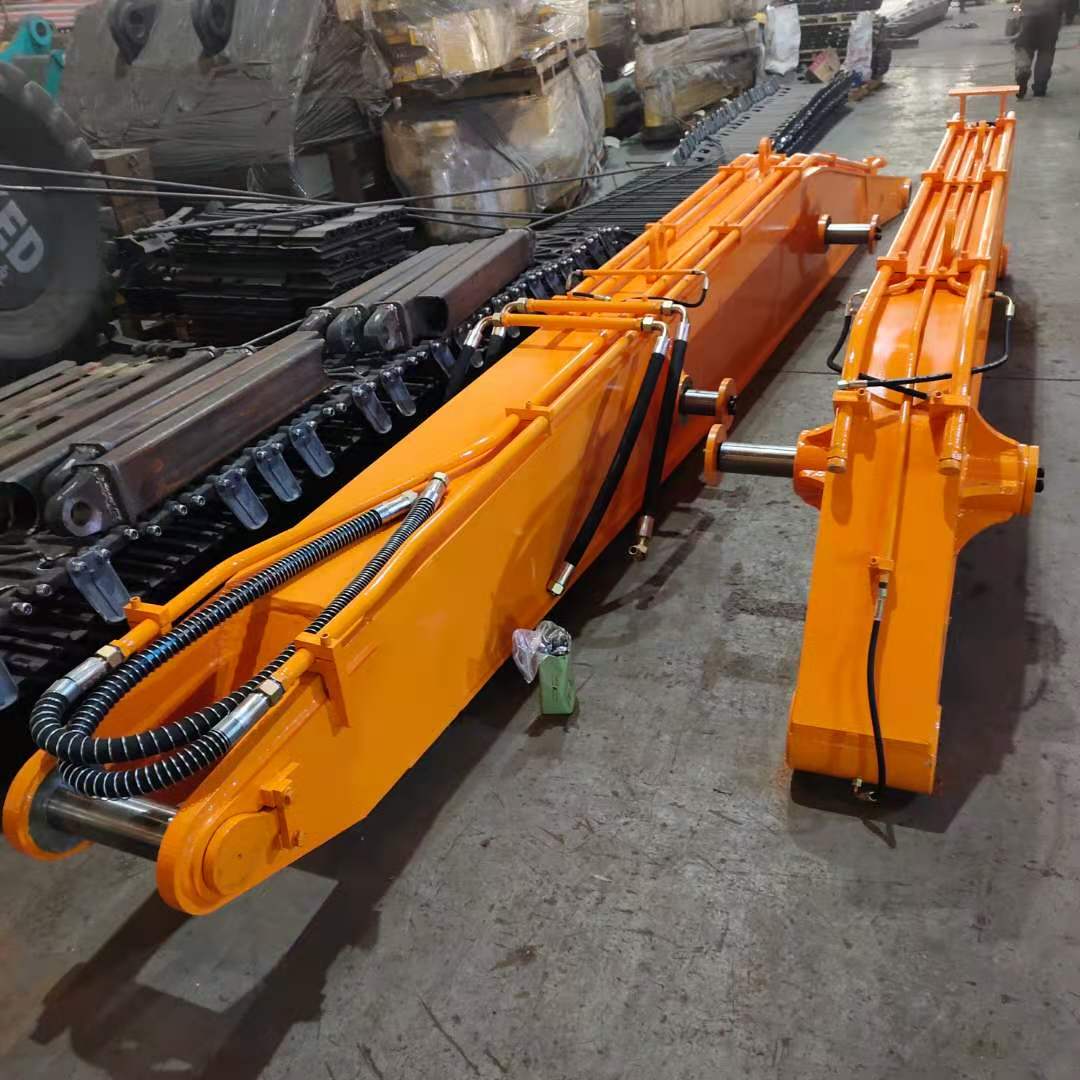
When choosing between a standard and long arm configuration, weigh the cost against the potential return. Long arms offer extended reach, which can be invaluable in certain applications, such as slope maintenance or deep excavation. However, they typically come at a higher price and may reduce the machine's lifting capacity.
Calculate ROI based on the specific needs of your project. If a long arm eliminates the need for additional equipment or shortens the project duration, it may justify a higher initial investment. On the other hand, a standard arm may be more cost-effective for general-purpose work where extreme reach is not necessary.
Choosing the right hand to grip an excavator is a critical decision that will impact the efficiency and success of your project. By carefully evaluating load capacity, achievement requirements, compatibility factors, and long-term ROI, you can choose the arm that perfectly suits your needs. Be sure to consider the specific requirements of your industry, whether it's rail maintenance, construction or waste management. A well-selected hand not only improves productivity, but also leads to safer and more cost-effective operations. Take time to do your research, consult with experts, and even check out different options if possible. Your investment in the right excavator grip arm will pay dividends in improved productivity and project results.